

Get the present share of electricity statistics in total final energy consumption mix by country or region.
Energy Production and Consumption
Explore data on how energy production and use varies across the world.
US data centers’ energy use amid the artificial intelligence boom
Data centers accounted for 4% of total U.S. electricity use in 2024. Their energy demand is expected to more than double by 2030.

Does that use a lot of energy?
Compare the daily energy consumption of different products and activities
Will AI really consume more electricity than the US produces? - Poynter
President Trump said AI could need nearly twice the nation’s electricity, but credible projections put its future share at no more than 25%
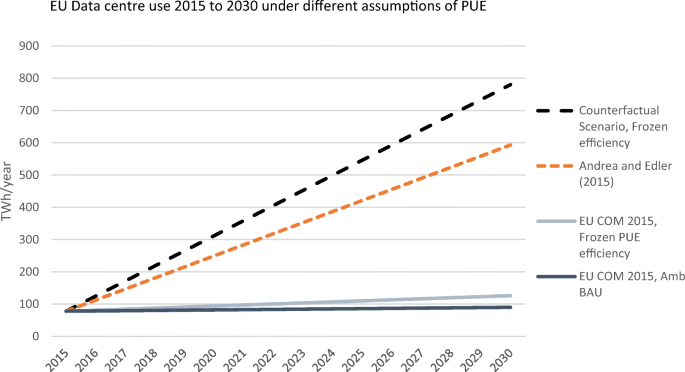
Data centres in future European energy systems—energy efficiency, integration and policy
End-use efficiency, demand response and coupling of different energy vectors are important aspects of future renewable energy systems. Growth in the number of data centres is leading to an increase in electricity demand and the emergence of a new electricity-intensive industry. Studies on data centres and energy use have so far focused mainly on energy efficiency. This paper contributes with an assessment of the potential for energy system integration of data centres via demand response and waste heat utilization, and with a review of EU policies relevant to this. Waste heat utilization is mainly an option for data centres that are close to district heating systems. Flexible electricity demand can be achieved through temporal and spatial scheduling of data centre operations. This could provide more than 10 GW of demand response in the European electricity system in 2030. Most data centres also have auxiliary power systems employing batteries and stand-by diesel generators, which could potentially be used in power system balancing. These potentials have received little attention so far and have not yet been considered in policies concerning energy or data centres. Policies are needed to capture the potential societal benefits of energy system integration of data centres. In the EU, such policies are in their nascent phase and mainly focused on energy efficiency through the voluntary Code of Conduct and criteria under the EU Ecodesign Directive. Some research and development in the field of energy efficiency and integration is also supported through the EU Horizon 2020 programme. Our analysis shows that there is considerable potential for demand response and energy system integration. This motivates greater efforts in developing future policies, policy coordination, and changes in regulation, taxation and electricity market design.
Electrification | Ember
Electrification can refer to different processes depending on the context. For example, increasing electricity access in emerging economies. At Ember, we focus on a specific type of electrification: replacing fossil fuels with electricity in sectors like transport, heating and industry. This kind of electrification cuts emissions and improves energy efficiency by replacing fossil fuels with clean power.

Power system costs and emissions from data center and cryptocurrency mining expansion in the United States
Abstract Rapid growth in electricity demand from data centers and cryptocurrency mining could significantly alter the trajectory of the United States’ power sector. We use an energy system optimization model to evaluate how projected demand through 2030 may influence electricity generation, power infrastructure investment, emissions, and costs under a range of scenarios. We model power sector capacity expansion and dispatch decisions across 26 interconnected power regions, incorporating policy constraints and spatial variation in renewable resources and transmission infrastructure. We find that data center and cryptocurrency demand could increase 2030 power sector CO 2 emissions by up to 28% relative to a future with no data center growth, driven by increased generation from natural gas and coal plants. Regional effects vary substantially: coal-fired generation rebounds to meet demand in Northern Virginia, while Texas accommodates growth primarily through natural gas generation. Electricity costs, as measured by demand-weighted locational marginal prices, rise by up to 57% in some regions, with a national average increase of 6%–29% across the modeled scenarios. Outcomes are highly sensitive to natural gas prices. Lower natural gas prices are associated with lower emissions before considering data center demand (with natural gas displacing coal), but result in large incremental emissions attributed to data centers as coal power utilization increases to meet the increased load. In contrast, higher natural gas prices shift a greater share of new demand toward cost-competitive renewable resources, thereby moderating emissions impacts. Reinstating federal incentives for renewable electricity would dampen both the cost and emissions attributable to data center demand. Distributing new data center and cryptocurrency demand more broadly across the grid reduces regional price spikes, but has little effect on national average electricity costs. Overall, these findings highlight the need for proactive planning and targeted policy to ensure that growing data center electricity demand does not strain efforts to achieve near-term climate and affordability goals.
(PDF) Class Power and Union Capacities: A Research Note on the Power Resources Approach
PDF | On Sep 30, 2018, Alexander Gallas published Class Power and Union Capacities: A Research Note on the Power Resources Approach | Find, read and cite all the research you need on ResearchGate

Greenhouse Gas Equivalencies Calculator | US EPA
A calculator that allows users to translate abstract greenhouse gas amounts into concrete terms that are easy to understand.

Preliminary US Greenhouse Gas Emissions Estimates for 2025
Based on preliminary economic and energy activity data, we estimate that in 2025, US greenhouse gas emissions increased by 2.4%, marking a change from the prior two years of decreases in emissions.
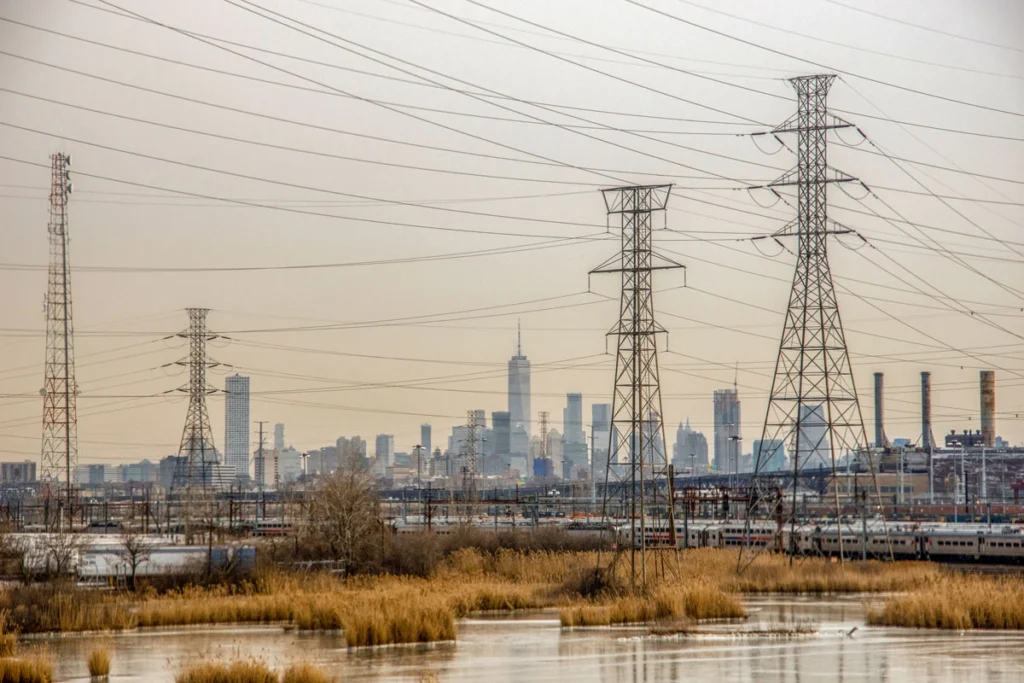
We did the math on AI’s energy footprint. Here’s the story you haven’t heard.
The emissions from individual AI text, image, and video queries seem small—until you add up what the industry isn’t tracking and consider where it’s heading next.

Ireland’s datacentres overtake electricity use of all urban homes combined
Statistics raise concerns that rise in demand for data processing driven by AI could derail climate targets

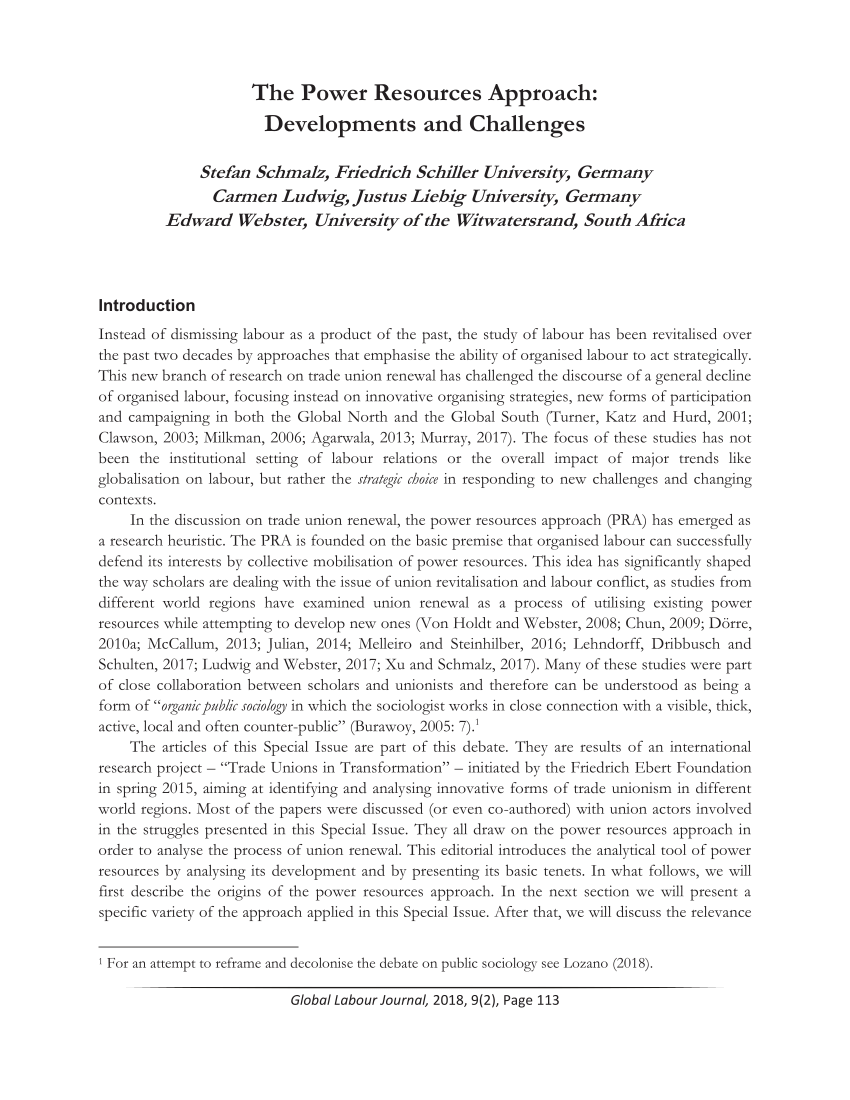
(PDF) The Power Resources Approach: Developments and Challenges
PDF | On May 31, 2018, Stefan Schmalz and others published The Power Resources Approach: Developments and Challenges | Find, read and cite all the research you need on ResearchGate
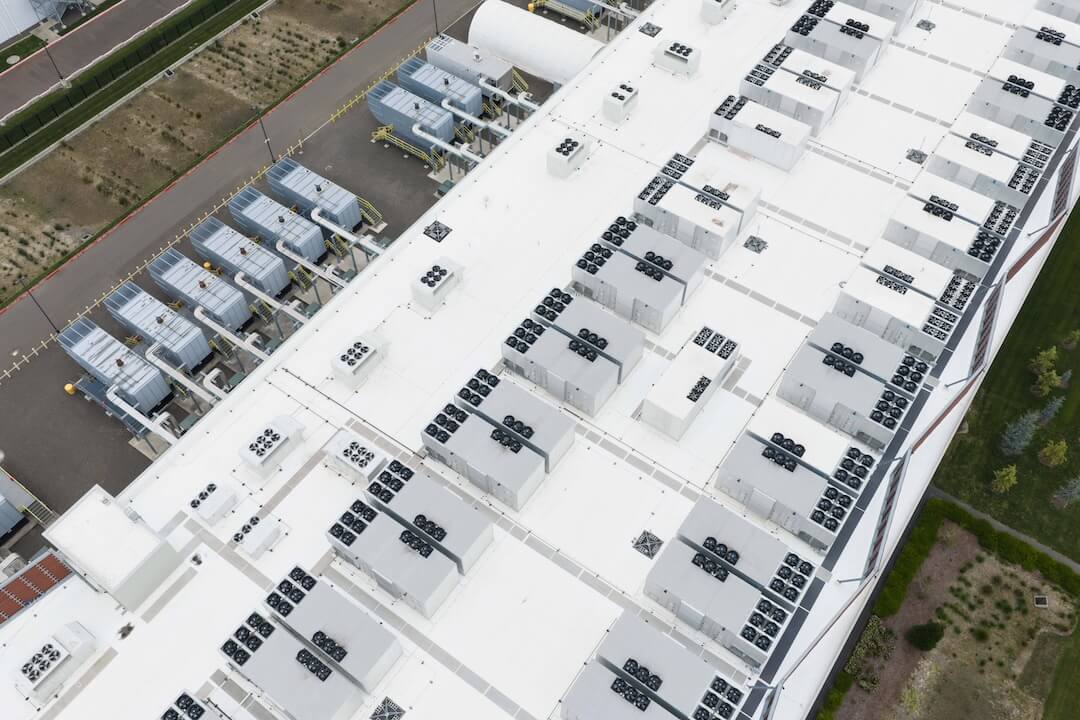
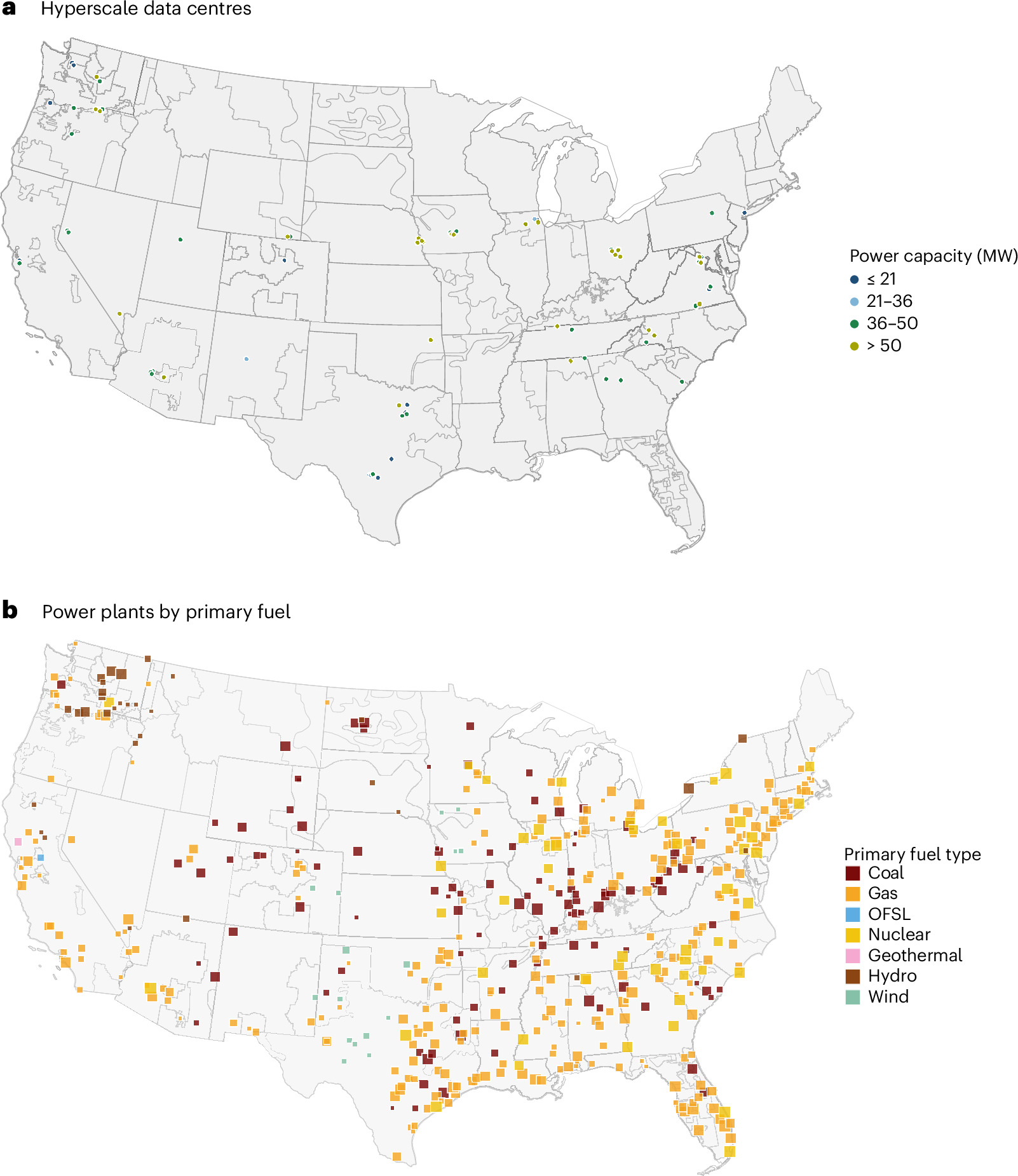
Assessing the carbon emissions and energy consumption of US hyperscale data centres
The rapid proliferation of hyperscale data centres (HDCs) in the USA—mainly driven by the adoption of artificial intelligence—has raised concerns about this industry’s carbon footprint. We compiled facility-level information on 403 US hyperscale data centres operating between May 2024 and April 2025 and estimated their electricity consumption, electricity sources and attributable CO2 emissions. Across facility-load scenarios, these HDCs consumed approximately 68–99 TWh of electricity and were associated with approximately 21–31 million metric tons of CO2 under a location-based, total-output balancing-authority attribution method. Under the central scenario, HDC electricity demand was approximately 82 TWh, corresponding to about 1.8% of total US electricity consumption, and attributable CO2 emissions were approximately 25.7 Mt. Roughly 54% of attributed generation was supplied by fossil-fuel sources. The HDC electricity-weighted total-output carbon intensity was approximately 314 gCO2 kWh−1, compared with a US total-output average of approximately 348 gCO2 kWh−1. Our approach provides a facility-resolved attributional framework for assessing the carbon footprint of hyperscale data centres using plant-level electricity-generation and emissions data.
Denmark's coal-to-wind transition is one of the most dramatic energy transformations of the past three decades. In 1990, coal provided 90% of Danish electricity. Today it is under 3%. Wind now covers roughly 60% of electricity generation. The last coal plant is scheduled to close by 2028.
