


Check out our Business Tools for new farmers to support skills development to run ecologically sustainable and financially viable farm businesses!
Food Forest Consulting, Installation & Events
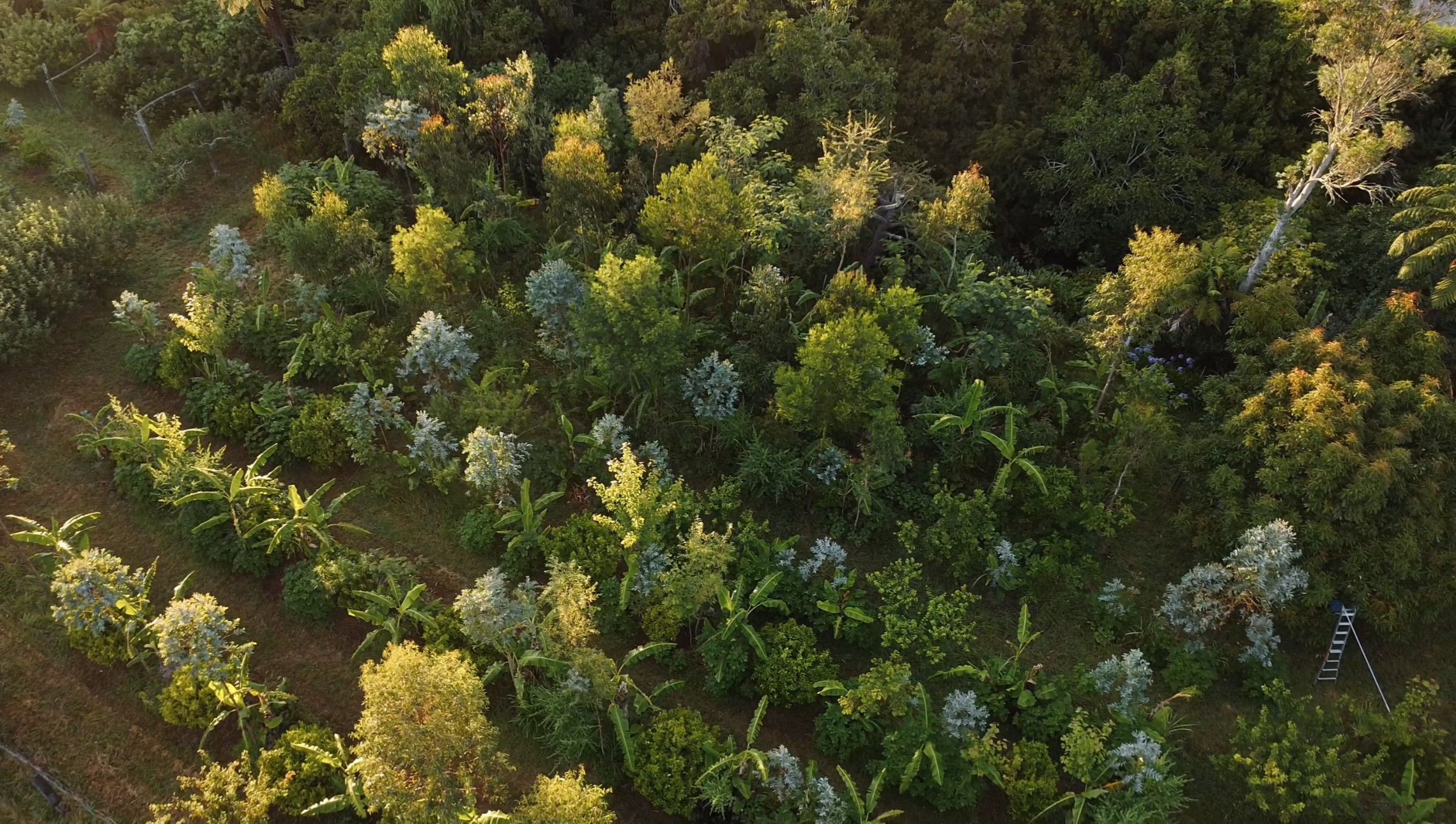
Grow a thriving food forest with expert guidance. We design, install, and manage resilient, high-yield landscapes using cutting-edge syntropic agroforestry. From urban backyards to regenerative farms and orchard retrofits, we create abundant, self-sustaining systems tailored to your land and vision. Serving New Zealand, Australia, USA & beyond at FOOD-FORESTRY.com
INVESTING IN REGENERATIVE AGRICULTURE AND FOOD
THE INVESTING IN REGENERATIVE AGRICULTURE AND FOOD PODCASTThrough 400+ interviews with farmers, investors, scientists, and entrepreneurs, the podcast puts the spotlight on the pioneers in the regenerative food and agriculture space to learn more on how to put our money to work to regenerate soil, people, local communities and ecosystems while making an appropriate and fair return.
National Young Farmers Coalition
The National Young Farmers Coalition is a farmer-led, grassroots network shifting power and changing policy to equitably resource the new generation of working farmers. We are the largest unified voice calling for farm policy that will deliver a bright future for young farmers and ranchers in the U.S.
Sweat Equity — FARMore
The Sweat Equity Program is a volunteer-driven initiative providing hands-on assistance to farmers who need it most. More than just lending a hand, it shows how vital, soulful, and impactful farming is for all of us. This program bridges the gap between urban and rural communities through meaningful service and education. Together, we are building relationships based on reciprocity and inspiring:
We started a farming club. Why you should start one too
We are long overdue for a return to growing our own food, and the farming club offers a promising way to reconnect with that tradition.
Young Agrarians
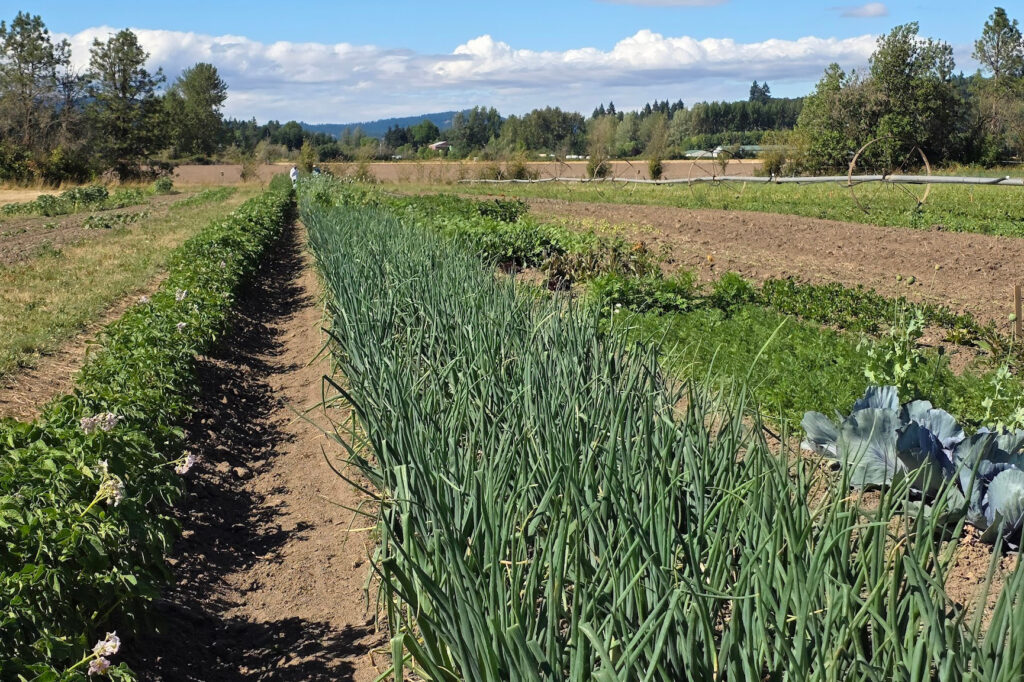
Young Agrarians is a farmer to farmer educational resource network for new and young ecological, organic and regenerative farmers in Canada.
Supporting Indigenous Food Systems – Upland Agricultural Consulting
Upland Agricultural Consulting is committed to supporting First Nation, Métis, and Inuit Communities. We believe that investing in Indigenous communities leads to the success of British Columbia, and Canada. As Professional Agrologists, we want to see agriculturally-capable land being brought into full production. To meet that goal, we work alongside Indigenous leadership and staff to create agri-food suitability assessments based on the capacity of the land and the community and to meet the desired level of business development.

openfarmcc/OpenFarm
A free and open database for farming and gardening knowledge. You can grow anything!
openfarmcc/OpenFarm
A free and open database for farming and gardening knowledge. You can grow anything!
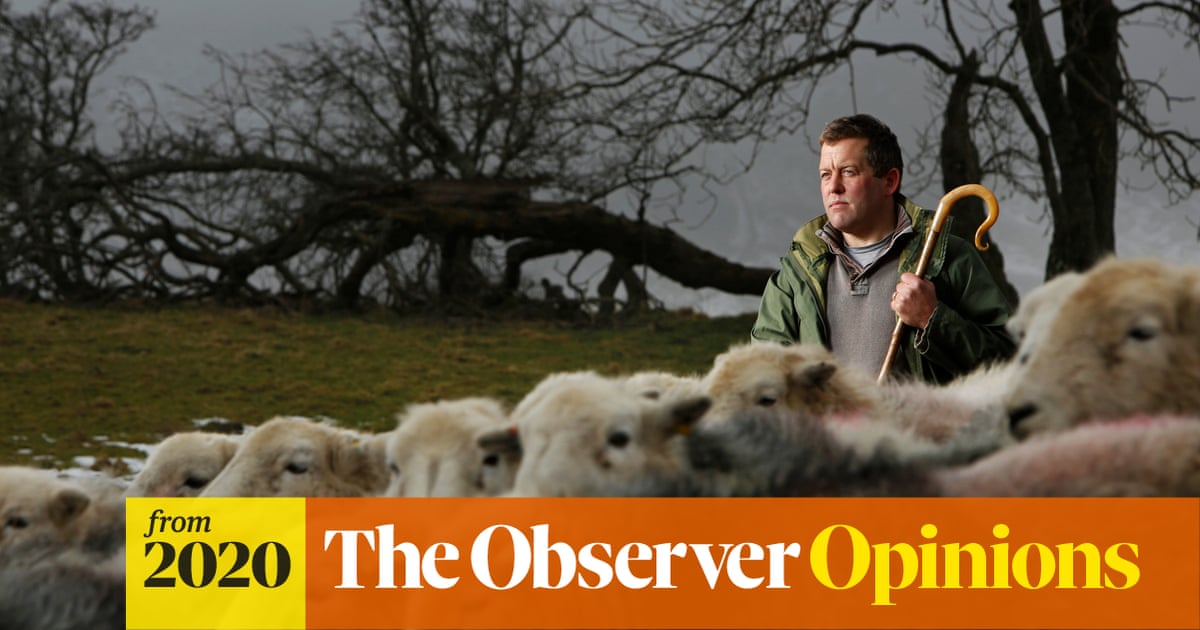
Enough with 'local' and 'organic'. We'll begin to eat well when we farm well | James Rebanks
We need to know how and where our food is grown and thereby take more responsibility for the planet

These brick-and-mortar consignment businesses support farmers and bring fresh, locally grown food to their communities.
These brick-and-mortar consignment businesses support farmers and bring fresh, locally grown food to their communities. (edited)

Home Page : 11th Hour Project
We work with farmers and food systems workers to develop technology that is responsive to the needs of small-holder producers.
Open Agroecology Laboratory – REGOSH
We build open tools and participatory processes to support agroecological transitions.
A social-ecological framework for analyzing and designing integrated crop–livestock systems from farm to territory levels
Integrated crop–livestock systems are often considered a promising way to address agricultural sustainability issues. Many authors claim that complementarities and synergies between crops and livestock can improve nutrient cycling and delivery of ecosystem services (ES) in agricultural systems. They have analyzed effects of interactions at the farm level and affirmed the potential advantage of developing crop–livestock interactions at the territory level. However, potential benefits of developing synergies beyond the farm level have not been clearly identified. Thus, we developed a conceptual framework that can be used to analyze, design and perform integrated assessment of crop–livestock systems at the territory level. To address crop–livestock interaction issues, we define it as a social-ecological system called the territorial crop–livestock system (TCLS). The ecological system is represented as three interacting components, crops, grasslands and animals, allowing description of various land uses and their potential effects on nutrient cycling and ES. The social system, represented as farmers interacting with natural-resource managers and agro-food chain actors, determines land use and the nature and intensity of ES delivered. We highlight the importance of coordination and learning among actors to support implementation of complex adaptive systems such as TCLSs. We illustrate the expressive power of our conceptual framework through development of a generic typology of crop–livestock systems. Then we show how our conceptual framework can be used as an intermediary object with stakeholders in participatory design approaches. We illustrate this process by representing four archetypal TCLSs. We provide an example of the design approach implemented in Southwestern France to address severe recurrent water shortages, which includes analysis of land use in the current crop–livestock system and the associated key metabolic and ES issues, identification of options for change and multi-criteria analysis of these options. We conclude that this framework shows great potential to support development of sustainable farming systems at the territory level.
Sunshine Coast Farmers' Institute |