🌲 Join us at CascadiaJS 2027! https://luma.com/cascadiajs-2027 Recorded live at CascadiaJS 2026 in Seattle. Speaker: Matt Biilmann AI agents are quickly becoming users of our products, forcing us to rethink software design beyond traditional user experience (UX) and developer experience (DX). Drawing on examples from Netlify and the broader AI ecosystem, this talk introduces Agent Experience (AX), a framework built around access, context, tools, and orchestration, to help developers create products that AI agents can effectively discover, understand, and use. 00:00 Introduction: Turning Imagination Into Reality 01:15 AI, Self-Driving Cars, and Software Development 04:20 From Copilots to Autonomous Coding Agents 06:10 How AI Is Changing Teams and Software Budgets 07:45 The Rise of AI-Native Builders 10:23 Why Agent Experience (AX) Matters 12:14 From UX and DX to AX 14:32 The Four Pillars of Agent Experience 16:28 Access: Helping Agents Use Your Product 19:26 Context: Documentation for AI Agents 20:33 MCP, Context, and Agent Interfaces 22:34 Tools: Designing Better Agent Workflows 23:21 When Great DX Doesn't Mean Great AX 25:29 Orchestration and Autonomous Agent Runners 27:21 The Future of Agent Experience 28:16 Measuring AX with Access.run 29:05 Final Thoughts: Developers Matter More Than Ever Watch more CascadiaJS 2026 talks: https://www.youtube.com/playlist?list=PLLiioAbFTbKP3F7TnwsIN_-FVAiuBSSoy
Introducing AX: Why Agent Experience Matters
As builders, we need to start focusing on AX or “agent experience” — the holistic experience AI Agents will have as the user of a product or platform.
Collaborative AI Engineering: One Dev, Two Dozen Agents, Zero Alignment — Maggie Appleton, GitHub
Building and evaluating AI Agents — Sayash Kapoor, AI Snake Oil
Agent Plugins
A portable package format for reusable components that extend AI agents.
Digital Humans: Building an AI agent coworker
A tale of two Agent Builders
What two competing solutions to the same design problem tell about the future of designing AI interfaces.
Project Think: building the next generation of AI agents on Cloudflare
Announcing a preview of the next edition of the Agents SDK — from lightweight primitives to a batteries-included platform for AI agents that think, act, and persist.

AI Agents Will Become the New UI, and Apps Take a Backseat
For decades, screens, keyboards, and structured applications have shaped our relationship with technology. People learned how to interact with computers

Agent experience: How to design products that agents can actually use — WorkOS
What engineers and founders need to know about designing APIs, tools, and interfaces for agent-driven workflows
Dive into Claude Code: The Design Space of Today's and Future AI Agent Systems
Claude Code is an agentic coding tool that can run shell commands, edit files, and call external services on behalf of the user. This study describes its comprehensive architecture by analyzing the publicly available TypeScript source code and further comparing it with OpenClaw, an independent open-source AI agent system that answers many of the same design questions from a different deployment context. Our analysis identifies five human values, philosophies, and needs that motivate the architecture (human decision authority, safety and security, reliable execution, capability amplification, and contextual adaptability) and traces them through thirteen design principles to specific implementation choices. The core of the system is a simple while-loop that calls the model, runs tools, and repeats. Most of the code, however, lives in the systems around this loop: a permission system with seven modes and an ML-based classifier, a five-layer compaction pipeline for context management, four extensibility mechanisms (MCP, plugins, skills, and hooks), a subagent delegation mechanism with worktree isolation, and append-oriented session storage. A comparison with OpenClaw, a multi-channel personal assistant gateway, shows that the same recurring design questions produce different architectural answers when the deployment context changes: from per-action safety classification to perimeter-level access control, from a single CLI loop to an embedded runtime within a gateway control plane, and from context-window extensions to gateway-wide capability registration. We finally identify six open design directions for future agent systems, grounded in recent empirical, architectural, and policy literature.

10 things I learned from burning myself out with AI coding agents
Opinion: As software power tools, AI agents may make people busier than ever before.

Meet Foundry: An AI Startup that Builds, Evaluates, and Improves AI Agents

Supermemory
The memory layer for AI agents. Context engineering platform powering enterprise APIs, developer plugins, and a personal app that remembers everything.
LukeW | Agent Management Interface Patterns
As an increasing number of AI applications evolve to agents doing work for people, agent management becomes a critical part of these product's design. How can p...
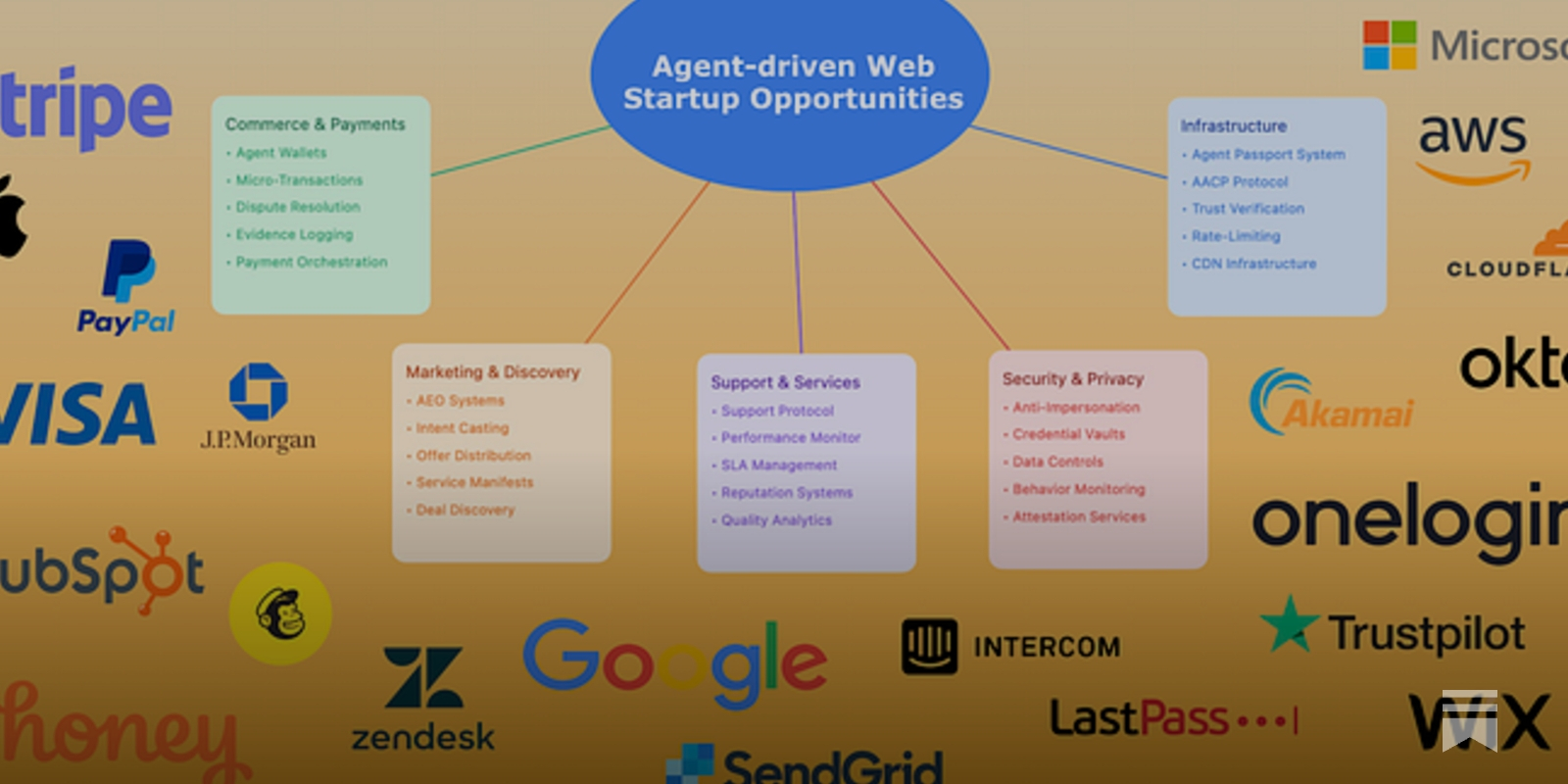
Reimagining Web Infrastructure for the Age of AI Agents
How core internet components will transform for an agent-driven web and the new opportunities for startup founders