Louis Ferraro Security Architect - AMD, Miguel Osorio Senior Staff Software Engineer - Google, Ravi Sahita PMTS - Rivos This presentation highlights significant strides made in the OpenPRoT initiative, emphasizing advancements in architecture specification and code development since its introduction. As an open-source-open-standard Platform Root of Trust firmware stack, a central theme of our progress is the reusability of components, ensuring modularity and interoperability across various platforms, thus accelerating industry adoption while lowering costs. Furthermore, we will explore collaborative efforts with other OCP projects, notably code sharing, reuse, and interoperability with Caliptra, which underscores a unified approach in security standards. This collaboration enhances both projects capabilities, fostering innovation and cohesion within the OCP community. We also cover how OpenPRoT can be used to reduce the complexity of attestation flows by providing standard interfaces, using OpenTitan hardware as an example. Join us to learn how OpenPRoT continues to drive transparency, security, and collaboration in the computing ecosystem.
An Update on OpenTitan
Genode - Genode Operating System Framework
We understand the complexity of code and policy as the most fundamental security problem shared by modern general-purpose operating systems. Because of high functional demands and dynamic workloads, however, this complexity cannot be avoided. But it can be organized. Genode is a novel OS architecture that is able to master complexity by applying a strict organizational structure to all software components including device drivers, system services, and applications. The Genode OS framework is an open-source tool kit for building highly secure component-based operating systems. It scales from embedded devices to dynamic general-purpose computing.
Tock OS A Rust Based Open Platform for Transparent and Secure Root of Trust Devices
Block - Open Source
By collaborating in the open, we create higher quality software, hardware, and protocols through relentless collective examination, and also ensure our systems, hardware, and protocols evolve to meet real-world needs.

Verifying gpt-oss implementations
The OpenAI gpt-oss models are introducing a lot of new concepts to the open-model ecosystem and getting them to perform as expected might ta

Pony
An open-source, object-oriented, actor-model, capabilities-secure, high-performance programming language.
Introducing gpt-oss-safeguard
OpenAI introduces gpt-oss-safeguard—open-weight reasoning models for safety classification that let developers apply and iterate on custom policies.
Trusted access for the next era of cyber defense
OpenAI expands its Trusted Access for Cyber program, introducing GPT-5.4-Cyber to vetted defenders and strengthening safeguards as AI cybersecurity capabilities advance.

Daybreak: Tools for securing every organization in the world
OpenAI introduces new Daybreak tools, including Codex Security and GPT-5.5-Cyber, to help organizations find, validate, and patch vulnerabilities at scale.
The Rise of Open Source Challengers
A look at how OSS takes over the application layer + the potential end of closed source software categories

Responding to the next frontier of critical cyber capabilities
OpenAI is sharing preliminary cybersecurity evaluations for Astra and the steps we’re taking to strengthen safeguards and security controls.

NSF investing in secure open-source ecosystems
Open-source software is ubiquitous, supporting artificial intelligence, data science, cloud computing, telecommunications and scientific research tools. Despite these benefits, the number of open-source developers is relatively small, and many projects lack sufficient resources, slowing the pace of innovation and making maintenance difficult. In addition, weaknesses in open-source software, such as security flaws, supply chain risks or insider threats, can spread across many connected systems. In extreme cases, these weaknesses could lead to large-scale failures that affect national or global systems.

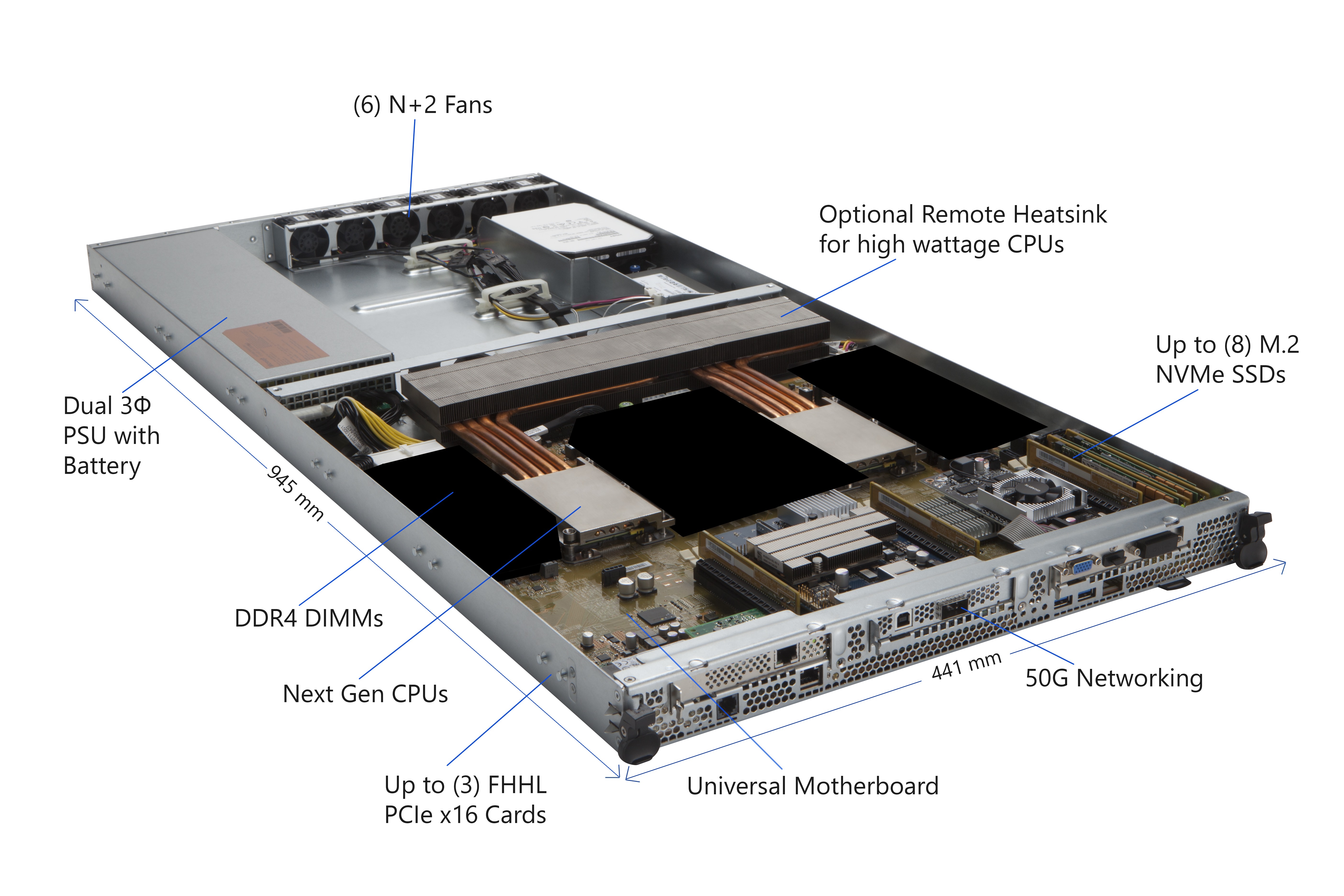
Microsoft open sources its next-gen cloud hardware design | TechCrunch
Microsoft today open sourced its next-gen hyperscale cloud hardware design and contributed it to the Open Compute Project (OCP). Microsoft joined the OCP,