The Dacian Fortresses of the Orestie Mountains is an interesting UNESCO World Heritage Site. It covers a series of six fortresses from the Dacian Kingdom, which ruled much of present-day Romanian prior in the 1st century BC and 1st century AD, prior to the Roman conquest in 106 AD. For this Site, we visit the fortress of Sarmizegetusa Regia in Hunedoara County, once the capital of Dacia and chief citadel of the King, Decebal (Decebalus). There's a lot of evidence here for a thriving and well-developed kingdom, so let's explore! For more Romanian World Heritage sites: https://www.youtube.com/playlist?list=PLT9964WmoqNh5RSSPeLEmkYsPTbcONwO5 For more fortress World Heritage sites: Fortress of Suomenlinna: https://youtu.be/Uehvi1X6Rts Fortified City of Carcassonne: https://youtu.be/UN5oiWgvEl8 Historic Centre of San Marino: https://youtu.be/T5ZuPfBPSyc Don't forget to Like and Subscribe to see more of our UNESCO World Heritage Journey! You can also follow World Heritage Journey on: Twitter @whjourney Instagram @joelontheroad Facebook https://www.facebook.com/worldheritagejourney Web https://www.worldheritagejourney.com Music: Bensound.com - Happiness Thumbnail image via Wikimedia Commons by Codrinb - Own work, CC BY-SA 3.0 ro, https://commons.wikimedia.org/w/index.php?curid=16831896
The dacian stronghold and the wolf-warriors: SARMISEGETUSA REGIA
Sarmizegetusa Regia
Sarmizegetusa Regia was the capital and the most important military, religious and political centre of the Dacians before the wars with the Roman Empire. Built on top of a 1200 m high mountain, the fortress, consisting of six citadels, was the core of a strategic and defensive system in the Orăștie Mountains. The archaeological site of Sarmizegetusa Regia is located in the village of Grădiștea de Munte in Hunedoara County.

Circular sanctuary of the dacians, Sarmizegetusa, Romania
122 votes, 14 comments. 12M subscribers in the europe community. Europe: 50 (+6) countries, 230 languages, 746M people… 1 subreddit.
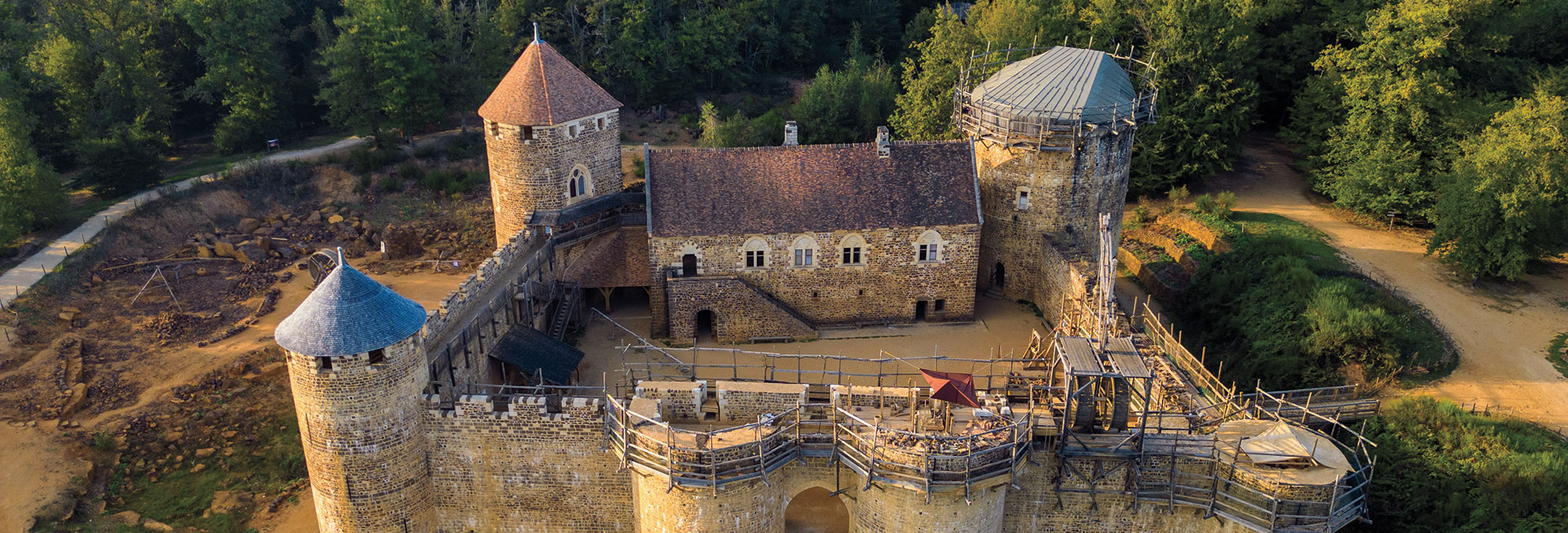
Features - How to Build a Medieval Castle - Archaeology Magazine - September/October 2025
Why are archaeologists constructing a thirteenth-century fortress in the forests of France?
SÉRIE - LES MÉGALITHES DE CARNAC ET DES RIVES DU MORBIHAN AU PATRIMOINE UNESCO
Orhun Parmaksız (@orhun.dev)
Found the swiss army knife for Arch btw users 🔥 🌊 Pacsea — A TUI for browsing and installing Arch & AUR packages. 💯 Unified search, built-in Arch news & advisories, security scans & more! 🦀 Written in Rust & built with @ratatui.rs ⭐ GitHub: https://github.com/Firstp1ck/Pacsea #rustlang #ratatui #tui

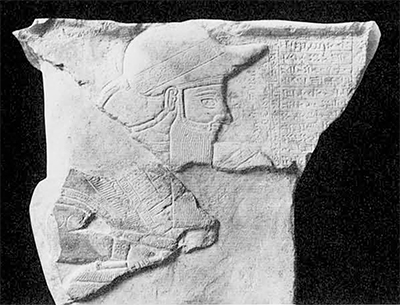
Expedition Magazine | Aspects of Elamite Art and Archaeology
In Sumerian texts we read about the country NIM, the wondrous mountain area which we call Iran today. The biblical […]
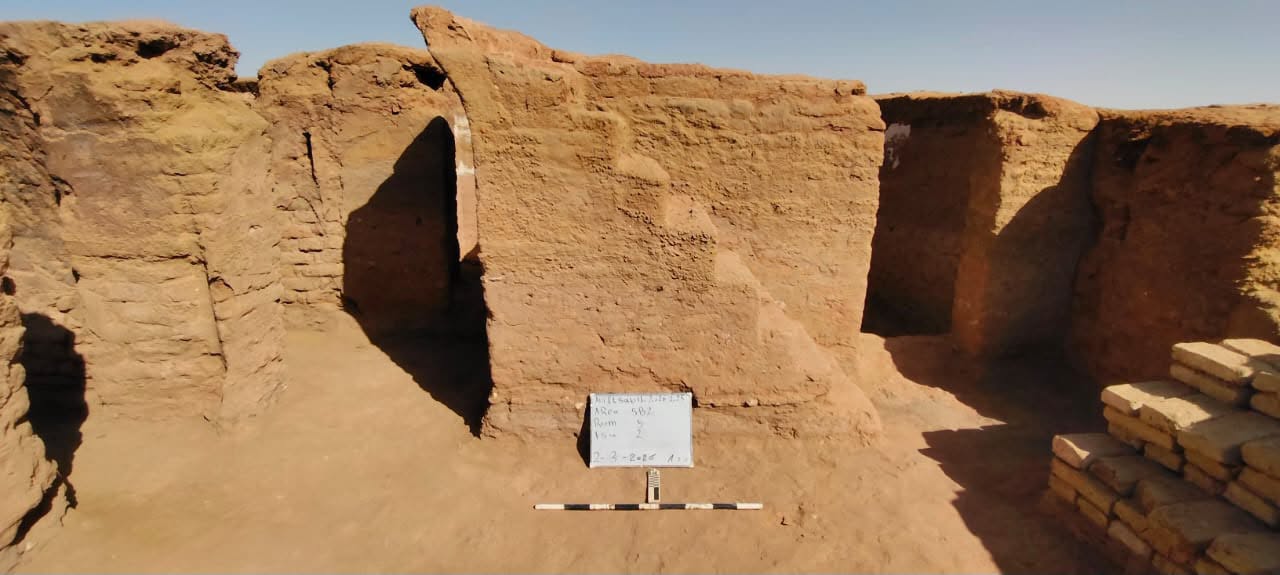
Photos-Miracle in the desert: Entire, intact ancient city hidden in Egypt uncovered - Egypt Independent
Deep within Egypt’s Western Desert, the sands of the Dakhla Oasis have just surrendered a remarkably preserved secret. An Egyptian archaeological mission has discovered an entire, intact residential city dating back to the Byzantine era. Constructed entirely of mud brick at the Ain El-Sabeel site, the sprawling settlement offers a rare, cinematic window into what …
Parole à la défense: petite histoire politique du catenaccio
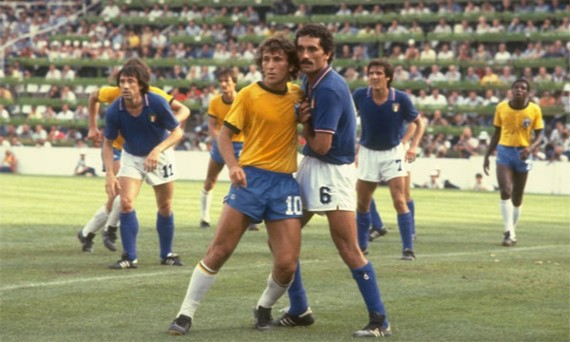
Système de jeu bien précis qui a longtemps, pour le meilleur comme pour le pire, fait la renommée des équipes italiennes, le catenaccio appartient désormais à l'Histoire. Remontons aux sources d'un système tactique passé des mains des plus faibles à celles des plus forts, avant de disparaître sous le rouleau compresseur du football moderne. La victoire de la Squadra Azzura au Mondial 82, à la faveur d'une organisation défensive étanche, lui a permis d'atteindre son apogée sous sa version modernisée: la Zona Mista. Mais pour la plupart des observateurs, c'est bien le catenaccio qui a été célébré à cette occasion. Les deux principales forces parlementaires de l'après-guerre, les démocrates chrétiens et les communistes, avaient applaudi de concert. “San Catenaccio” titrera d'ailleurs le lendemain le journal La Repubblica, dans un élan de fierté patriotique, sous la plume de Gianni Brera. L'emblématique journaliste sportif a plaidé très tôt en faveur de ce système, dont il a inventé le nom, bien avant qu'Helenio Herrera ne le fasse voyager en Europe et ne le consolide comme un symbole du jeu “à l'italienne” et son mythe de la victoire 1-0. Le football italien a longtemps traîné le catenaccio comme une “mauvaise réputation”, synonyme de mentalité anti-sportive visant à casser le jeu de son adversaire. “Aucun système tactique n'est plus célèbre que le catenaccio. Pour des générations entières, ce mot représente le football italien dans tout ce qu'il a de plus paranoïaque, de négatif et de brutal”, écrit Jonathan Wilson dans son monumental La Pyramide inversée. Au rang des reproches: ralentissement du jeu, primauté excessive du résultat et prise de risque minimale. Derrière les représentations et les caricatures, les premières expériences de catenaccio sont pourtant le fruit d'équipes cherchant un chemin pour déjouer la supériorité évidente des grosses écuries. Gianni Brera estimait que les Italiens, éprouvés par les difficultés de l'après-guerre, souffraient d'un déficit physique par rapport à d'autres nations et qu'il leur était nécessaire d'opposer de la cohésion, doublée d'un certain art de la roublardise. La philosophie du catenaccio repose aussi sur le postulat que la défense dispose d'un avantage stratégique sur l'attaque. Comme l'enseigne la théorie militaire de Clausewitz, une position est plus facile à conserver qu'à conquérir. Ce catenaccio originel est en fait une métaphore de la résistance. Le philosophe marxiste Toni Negri dira à ce propos dans une interview accordée à Libération en 2006: “C'était la lutte des classes: on était faible et on devait se défendre”. Le “verrou suisse”, l'idée de Karl Rappan Avant d'être un ciment d'unité nationale, le catenaccio a eu plusieurs vies. Plus qu'une invention sortie d'un seul cerveau, c'est le résultat d'une succession d'expérimentations tactiques. Dans son livre Calcio, history of italian football, John Foot parle de “catenaccio primitif” pour identifier les premiers schémas défensifs recourant au libero, avant même que le terme ne soit inventé par Brera. Ce joueur “libre de toute tâche de marquage” formant la charnière avec le stoppeur, est la pièce-maîtresse du catenaccio. Ce poste a vu le jour dans les années 30 et est en fait un héritage direct du “verrou suisse”. On doit cette innovation à l'entraîneur autrichien Karl Rappan. Après s'y être essayé dans l'anonymat du championnat helvète, c'est à la tête de la Nati, dans les années 30, qu'il obtiendra ses résultats les plus convaincants, notamment en éliminant l'Allemagne nazie lors du Mondial 1938, organisé en France. Le technicien peaufinait son système depuis quelques temps et avait pu en mesurer l'efficacité face à l'Angleterre en amical, quinze jours avant le début de la compétition. Son idée? Remodeler le 2-3-5 classique en un 4-3-3 défensif. Pour remédier aux failles de son équipe et contenir les assauts adverses, Rappan renforce son assise en reculant deux joueurs. Il repense ainsi sa ligne arrière en postant un de ses deux centraux dans une position reculée, comme une soupape de sécurité. Appelé à être toujours placé entre son but et le ballon, ce proto-libero, la presse suisse l'a nommé le “verrouilleur”. Celui à qui on a confié la clé du cadenas. Pour la Suisse de Rappan, c'est le rugueux Severino Minelli, déjà utilisé dans ce rôle au Grasshopper Zurich, qui aura ce rôle. Mais sur le moment, la presse n'a pas semblé relever la prouesse tactique. Selon Jonathan Wilson, “le verrou ne fut jamais considéré autrement que comme une curiosité, un moyen pour les équipes inférieures de frustrer les meilleures, rien de plus”. Il serait d'ailleurs sûrement tombé aux oubliettes sans ce succès en Coupe du Monde, écrivant une de ces pages légendaire de l'histoire du football et infligeant un premier revers symbolique au IIIe Reich. D'une arme d'outsiders à une arme de dominants Dans la Botte, c'est Gipo Viani, entraîneur de la Salernitana, qui est connu pour avoir systématisé l'emploi du libero après-guerre. Il faut faire face à la domination écrasante des équipes du Nord industriel, plus riches et capables de recruter les meilleurs joueurs. Dans une Italie qui n'a d'yeux que pour le jeu flamboyant du Grande Torino, la réussite du “Vianema” est très relative. Il n'empêchera pas la Salernitana de descendre, ni d'encaisser un mémorable 7-1 face à ce Torino qui a survolé ce championnat – à la fois meilleure attaque (125 buts) et meilleure défense (33 buts) – de la saison 1947/48. Tableau d'une époque où la meilleure défense était réellement l'attaque. Lors de la même saison, c'est du côté de Trieste qu'est venue la surprise du “patron”. Le catenaccio de Nereo Rocco, jeune coach de 35 ans, mènera la Triestina sur la deuxième marche du podium de la Serie A, ex æquo avec la Juventus et le Milan AC. Après avoir rodé sa philosophie à Trieste, Nereo Rocco obtiendra une mythique 3e place avec Padoue lors de la saison 57/58. Le coach fait du catenaccio l'arme idéale des équipes moins calibrées sur le papier. Cette position assumée a été résumée dans une anecdote. Avant un match face à la Juventus, à un journaliste qui lui a lancé un mécanique “Que le meilleur gagne!”, Rocco aurait rétorqué “Espérons que non!”. Au même moment, tandis que le Brésil popularise le 4-2-4 et que les défenses en ligne se développent, les grandes équipes italiennes commencent, elles aussi, à s'approprier le catenaccio. L'arme des outsiders devient progressivement celle des dominants. Une réappropriation “bourgeoise” presque logique dans un football qui se rationalise à mesure qu'il se modernise. Nereo Rocco, passé sur le banc du grand Milan AC, contribuera beaucoup à en faire un modèle hégémonique. En réalité, la transition vers la période de domination du catenaccio sur le football italien avait déjà été amorcée par le scudetto de l'Inter Milan d'Alberto Foni, lors de la saison 52/53. Foni avait installé Ivano Blason en libero, souvent présenté comme le premier vrai spécialiste du poste. Un succès qui avait été accueilli par le scepticisme d'une péninsule qui n'était pas encore culturellement acquise au dogme défensif. Le public déplorait son style anti-spectaculaire. Le football transalpin commençait à peine à faire le deuil du Grande Torino, dont la quasi totalité de l'effectif avait été décimé lors de la tragédie de Superga le 4 mai 1949, et de son football résolument tourné vers l'offensive. L'Histoire associe surtout le catenaccio au nom d'Helenio Herrera. À la tête de l'Inter Milan, l'entraîneur argentin, fils de réfugiés anarchistes espagnols, multipliera les titres entre 1963 et 1966, dont un triplé – Championnat, Coupe d'Europe, Coupe Intercontinentale – en 1965. Cet Inter est une machine physique, mais il ne s'agit pas “seulement” de maîtriser l'art du marquage individuel. Une de ses marques de fabrique est l'utilisation de Giacinto Facchetti comme latéral offensif, au sein d'une défense où Armando Picchi est connu pour gérer la profondeur à la perfection. C'est aussi le premier relanceur dans ce plan de jeu basé sur le “contropiede”, la contre-attaque. L'Inter d'Herrera disposait aussi, au milieu, d'un distributeur hors pair avec Luis Suárez, dont le jeu long pour lancer Corso, Mazzola et Jair, faisait beaucoup de mal à l'adversaire. Comment est mort le catenaccio Comme sa création, sa disparition sera aussi le fruit d'un processus. La défaite de 1970 face au jeu offensif flamboyant de la sélection brésilienne, mettra en lumière les limites du marquage individuel, face au mouvement du “football total”. Perfectionnée à la fin des années 1970 par Giovanni Trapattoni à la Juventus et Luigi Radice au Torino, la Zona Mista lui apportera des retouches avec l'intégration du marquage en zone et un meilleur sens du pressing. Ce qui vaut souvent à la Zona Mista d'être présentée comme une synthèse entre le catenaccio italien et le “football total” néerlandais. Le coup de grâce sera porté par le Milan AC d'Arrigo Sacchi qui scellera le sort du libero et du marquage individuel, avec sa défense en ligne et en zone. C'est une rupture majeure qui fera de son Milan AC l'un des tous meilleurs clubs européens. Si les caractéristiques majeures du catenaccio ont disparu, son héritage perdure dans l'imaginaire et dans le commentaire médiatique qui feraient planer son fantôme au-dessus du moindre bloc bas.
Dohle
Die Dohle, auch Turmkrähe genannt, ist eine Singvogelart aus der Familie der Rabenvögel (Corvidae). Sie ist eine von zwei Arten der Untergattung der Dohlen. Im Vergleich zu den eng verwandten Arten der Raben und Krähen (Corvus) ist sie ein eher kleiner Vertreter der Rabenvögel. Sie zeichnet sich durch schwarz-graues Gefieder, einen stämmigen Schnabel und hellblaue Augen aus. Das Verbreitungsgebiet der Dohle reicht vom nordafrikanischen Atlasgebirge über Europa bis zum Baikalsee. Sie bevorzugt offene Lebensräume mit Baumbestand, Felsen oder alten Gebäuden als Habitat. Die Nahrung der Dohle besteht überwiegend aus Samen und Insekten, bei Gelegenheit frisst sie aber auch Aas oder menschlichen Abfall. Dohlen leben meist in größeren Gruppen und bilden lebenslange monogame Paare. Ihre Nester bauen sie in Löchern und Nischen aller Art, etwa in Spechthöhlen oder Gebäudenischen. Das Weibchen brütet vier bis sechs Eier aus, die Nestlinge werden anschließend von beiden Eltern gefüttert.

Transylvania's Heritage on Instagram: "SHAPE SHIFTING WEREWOLF CAPTURED ON CAMERA IN TRANSYLVANIA? This week in Bihor, a farmer I know personally heard his shepherd dogs barking as a danger warning, on his land early evening. He took his basic thermal camera and saw was a pack of wolves that alerted his dogs. Went in to get help as many animals are killed by wolves in the area, but when he returned the wolves left. Only later upon looking at the camera footage he saw what it looks like a man figure coming out of a wolf and wolves leaving, claiming to be a werewolf shapeshifting. He claimed to me he even knows who the "strigoi" (evil spirit) is and that he is known do such things as "priculici" (werewolf) in the area. We also call these werevilf like spirits "moroi" in our region. You make what you want out of this video, I posted it here for debate, because whatever your belief is, this is worth seing."
787 likes, 54 comments - transylvania.heritage on February 22, 2025: "SHAPE SHIFTING WEREWOLF CAPTURED ON CAMERA IN TRANSYLVANIA? This week in Bihor, a farmer I know personally heard his shepherd dogs barking as a danger warning, on his land early evening. He took his basic thermal camera and saw was a pack of wolves that alerted his dogs. Went in to get help as many animals are killed by wolves in the area, but when he returned the wolves left. Only later upon looking at the camera footage he saw what it looks like a man figure coming out of a wolf and wolves leaving, claiming to be a werewolf shapeshifting. He claimed to me he even knows who the "strigoi" (evil spirit) is and that he is known do such things as "priculici" (werewolf) in the area. We also call these werevilf like spirits "moroi" in our region. You make what you want out of this video, I posted it here for debate, because whatever your belief is, this is worth seing.".

The resurgence of fortified landscapes in West Africa
West African states respond to insurgencies by building city walls and fortifying borders, balancing protection with rural vulnerabilities.

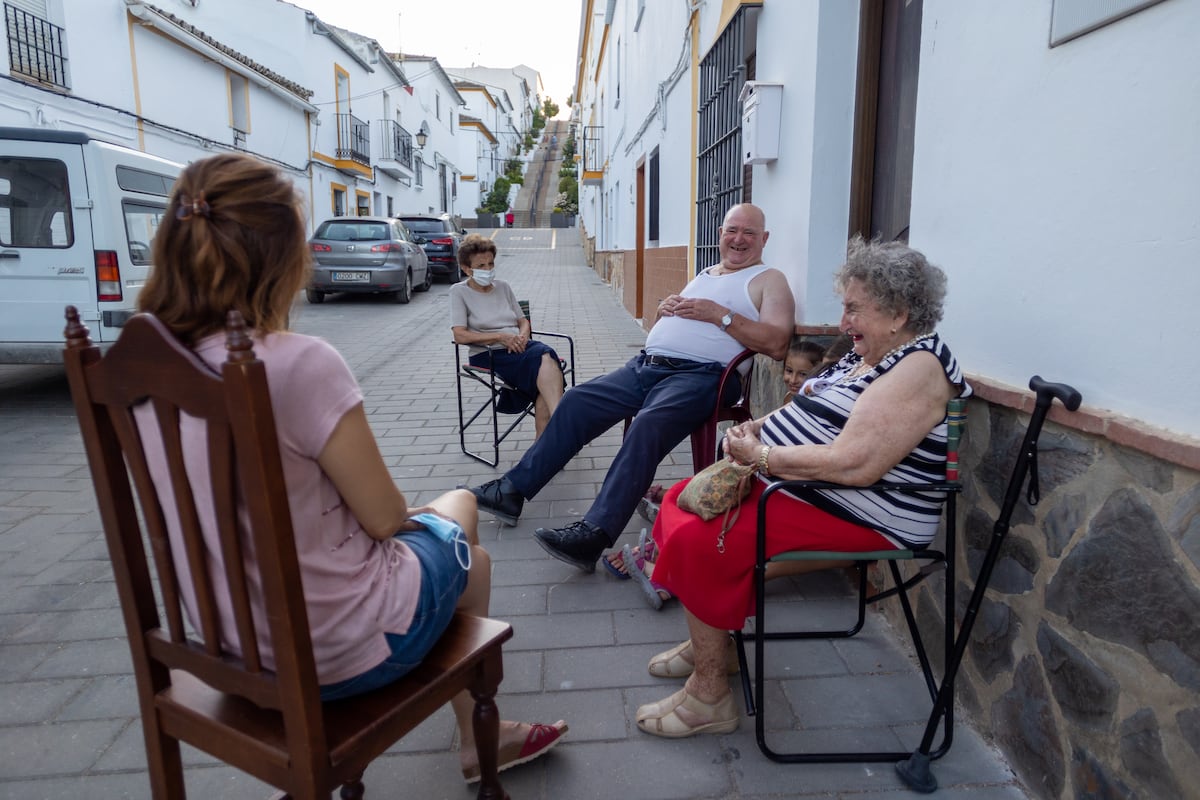
The Spanish village that wants outdoor chats to be granted World Heritage status
Algar in southern Spain is seeking UNESCO recognition for ‘charlas al fresco’ in a bid to revive the declining tradition
Discover Europe’s digital cultural heritage
Search, save and share art, books, films and music from thousands of cultural institutions

Frédéric Le Moal, Histoire du fascisme, Paris, Perrin, 2018, 425 p.
Frédéric Le Moal, spécialiste de l’Italie, propose une nouvelle histoire du fascisme. Son projet ne consiste pas à livrer des faits inédits, ceux-ci étant généralement bien établis, mais à donner u...

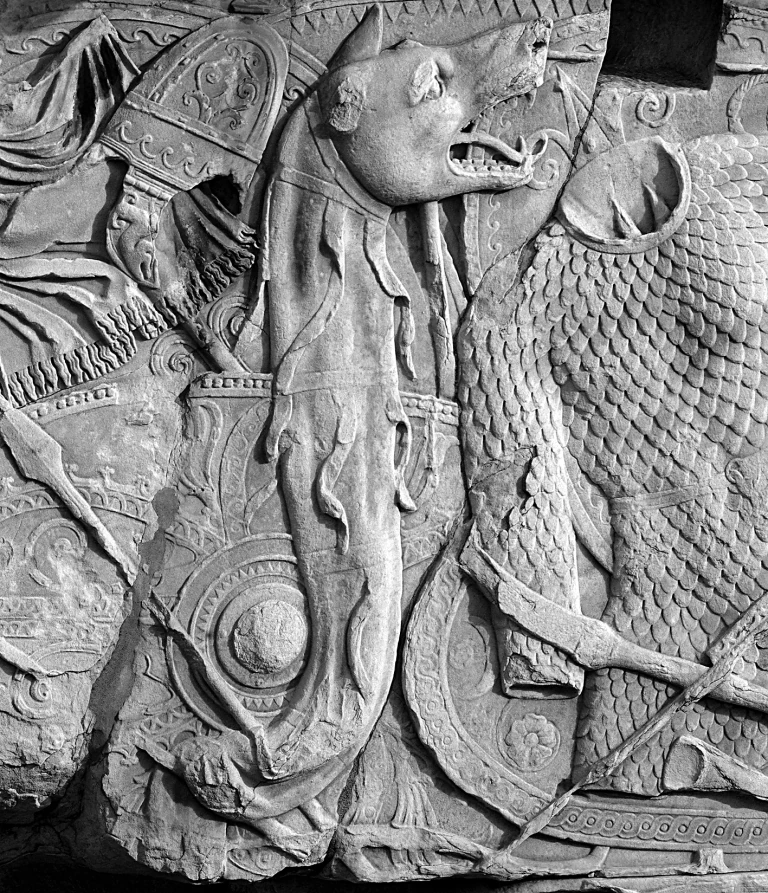
Dacian mythology | Myth and Folklore Wiki | Fandom
Rich and diverse, the Dacian mythology is overshadowed by the Greek or Roman mythologies. It stands out particularly for its wolf cult, for its fantastic characters such as the werewolf or the...