

Ageism, prejudice against children, childism. Children are socially repressed, how do we work for their liberation? And what does it mean to "grow up"? To support our work: Patreon: https://www.patreon.com/TheLeftistCooks Librapay: https://en.liberapay.com/theLeftistCooks/ Ko-fi: https://ko-fi.com/theleftistcooks To join our community: Discord: https://discord.gg/5rd85Xx6QU Works Cited: https://docs.google.com/document/d/1DnQAdIaHBrP3YstxwFcyImSTH4RHjppyUzbn0qKT2Rk/edit?usp=sharing Please check out our talented quote readers. They all have entertaining and important work! Quotes read by: @caelanconrad @zoe_bee @hootshootman @LegalKimchi @FDSignifire @talistheintrovert @PillarofGarbage @rohanxdavis @elliotsangestevez @CogitoEdu @JoseMariaLuna @Ember_Green @ThatDangDad @BABILA. @LolaSebastian @ForeignManinaForeignLand Chapters: 00:00 Grow Up 0:17:14 Why is it ok to hate children? 0:23:18 Childism 0:44:09 Children in Politics 01:06:14 Everything is Connected 01:13:26 Education 01:30:19 Part Seven 01:34:04 Conclusion Summary: This video essay explores how “Grow Up” is used to dismiss criticism and moral outrage, especially around issues like sexual assault. The phrase serves as a political tool to belittle those challenging power by framing them as naive or immature. It argues society openly devalues and excludes children, especially those who are racialized or marginalized, using age as a tool for control. It highlights how this bias justifies discrimination, surveillance, and even violence against young people in public spaces. It speaks about child-free zones and the contemporary war on kids. We introduce childism as a philosophy that challenges adult-centered norms, advocating for children’s full inclusion, respect, and agency in society. Society’s devaluation of children is not natural, but ideological—rooted in systems that prioritize economic productivity and adult-centric norms. Children not as lesser adults but as full people whose unique perspectives, interdependence, and difference should help shape a more just and inclusive world.
Why Does Everyone Hate Children?
Child Liberation | The Paper Pilot
The Paper Pilot's digital garden of thoughts on philosophy, politics, and sociology
The Kids Are (Mostly) Alright: New Pew Study Deflates The Social Media Panic
A couple weeks back, Jonathan Haidt published another entry in his ongoing campaign to convince the world that social media is inherently ruining kids’ lives. This one was a victory lap title…

Why Protecting Kids from Social Media May Make Things Worse — Douglas Rushkoff
I’m supposed to give a talk next week about kids and social media and the need for more media literacy education, more regulation of platforms, and more substantive discussion about how to keep our kids from media-induced self-harm. The whole event is well-meaning, but is characterized by a sense of worry and protection. And for some reason, after years of making those sorts of arguments in my articles and documentaries, I have a strong impulse to pivot the other way.
Child Free | The Paper Pilot
The Paper Pilot's digital garden of thoughts on philosophy, politics, and sociology
A Rule is to Break
Simply celebrating childhood: the joy, the wonder of discovery, the spontaneity, and strong emotions Wild Child is free to do as she pleases. <i>A Rule Is To Break: A Child's Guide to Anarchy</i> follows Wild Child as she learns about just being herself and how that translates into kid autonomy. It presents the ideas of challenging societal expectations and tradition and expressing yourself freely in kid-terms that are both funny and thought provoking—it even functions as a guidebook for adults to understand what it is to be a critically thinking, creative individual. Wild Child is <i>the</i> role model for disobedience that is sometimes civil.<br><br> Mostly pictures (that are cute!) and a little text, and looks good, but don't expect much of a lesson in real anarchy! For ages 4 and up!

It's okay if child liberation & family abolition make you uncomfortable.
Ask questions, acknowledge your feelings -- these are the growing pains of considering a radically new idea.
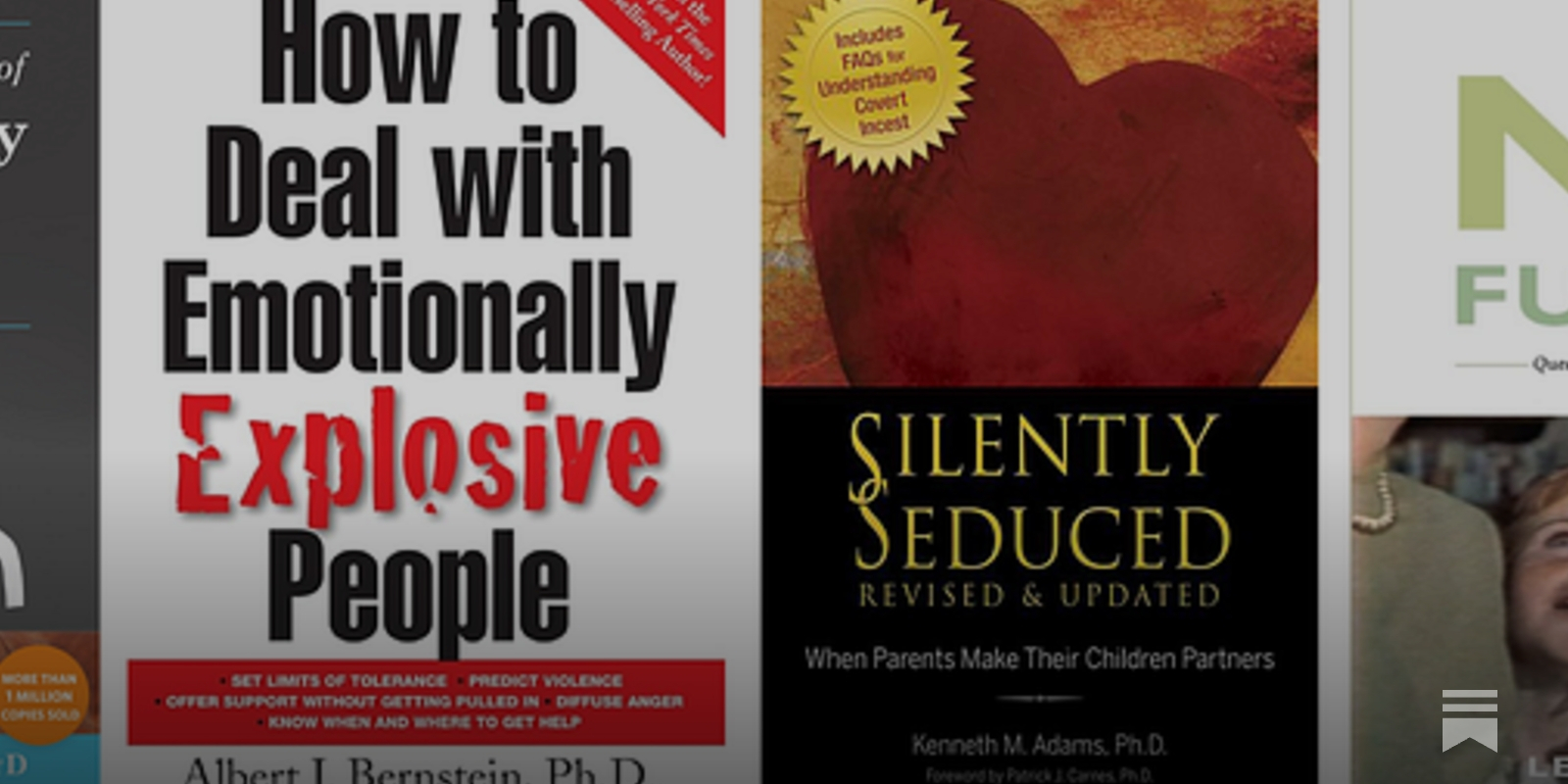
Parenting | The Paper Pilot
The Paper Pilot's digital garden of thoughts on philosophy, politics, and sociology
Social Reproduction Theory: Remapping Class, Recentering Oppression
This groundbreaking collection explores the profound power of Social Reproduction Theory to deepen our understanding of everyday life under capitalism. While many Marxists tend to focus on the productive economy, this book focuses on issues such as child care, health care, education, family life and the roles of gender, race and sexuality, all of which are central to understanding the relationship between economic exploitation and social oppression. In this book, leading writers such as Lise Vogel, Nancy Fraser, David McNally and Susan Ferguson reveal the ways in which daily and generational reproductive labour, found in households, schools, hospitals and prisons, also sustains the drive for accumulation. Presenting a more sophisticated alternative to intersectionality, these essays provide ideas which have important strategic implications for anti-capitalists, anti-racists and feminists attempting to find a path through the seemingly ever more complex world we live in.
The Possibilities for Child Liberation
Children's liberation movements have challenged the notion that limited responsibilities for young people must come with limited rights.
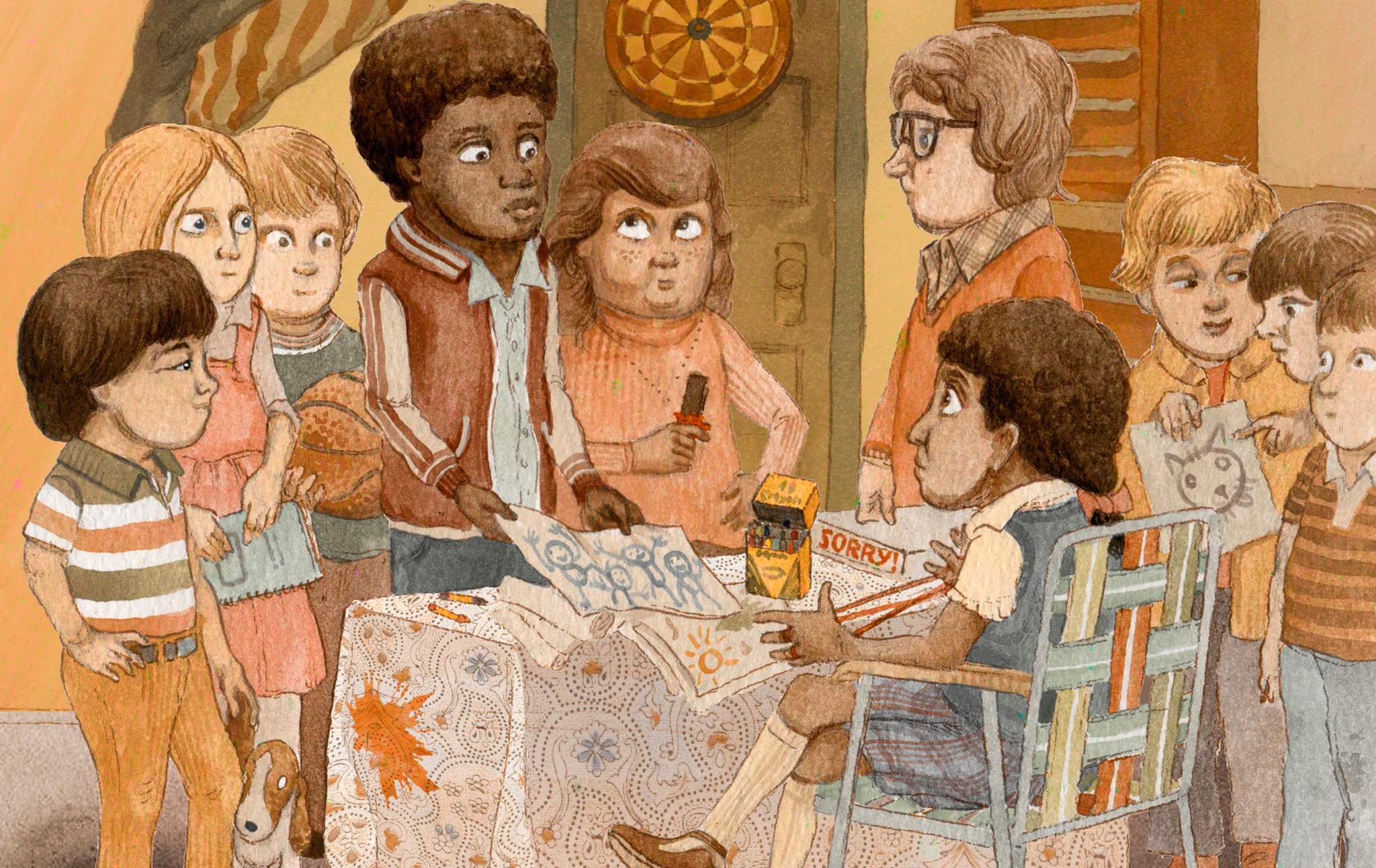
wife swap, supernanny & how we discriminate against kids
The Alt-Right Playbook: Why Don't You Respond to Criticism?
Who's Afraid of Gender? (A Guide to Judith Butler)
Everything You Wanted to Know About a Kids' Social Media Ban (But Were Rightly Afraid to Ask): A FAQ on Age Verification and Mandated ID for Everyone - Michael Geist
The government is expected to table the Digital Safety Act on Wednesday with reports that it will include a ban on social media for those under 16, framed as a “temporary” measure that platforms can exit once a new digital regulator certifies their safety standards. I have been writing about these issues, from the original Online Harms Act to mandated age verification and website blocking and now the kids’ ban, for several years. This FAQ gathers the analysis in one place, with links throughout to the longer pieces for anyone who wants to go deeper. The key takeaway is that a kids' social media ban is an ineffective and harmful policy that raises privacy concerns for tens of millions of Canadians through mandated age verification requirements. The policy fails to address the underlying concerns with social media and the prospect of a "temporary" ban makes little sense since the requirement might be reversible, but the data collection and regulatory infrastructure are permanent.
The Illusion of Protection: Why Canada’s Growing Push to Ban Social Media for Kids Won’t Work - Michael Geist
The momentum behind a social media ban for Canadian minors has been building for months. The federal Liberals voted at their April policy convention to back a minimum age of 16 for social media accounts and AI chatbots, the government’s expert panel on online safety is studying the issue, protesters have now rallied on Parliament Hill calling for it, and on Saturday night, Manitoba Premier Wab Kinew told a Winnipeg fundraiser that his government will be the first in Canada to ban social media and AI chatbots for kids. Kinew did not specify which kids, when it would happen, or how it would be enforced, none of which appeared to matter to the audience. The political appeal of a ban is obvious, since concerns about social media’s effects on young users are widely shared. Yet the policy itself is a terrible idea that will not work. This post examines at least six reasons why an outright age-based ban, particularly one that extends to AI chatbots, is the wrong response to a serious issue.

Cute Corgi Puppy Awooo Howling
static.klipy.com
Ezra🦋
@ronentk.me I have a new idea for a Semble feature: Howls. a Howl is basically a request for others to flock to a collection and contribute. if one person Howls at a collection it might show up on a friend's timeline and get added to. if many people start Howling at a collection, it's a signal that-

