

Computers were designed and invented for groups (The Alto at the PARC were linked by an ethernet local network, the NLS was an on-line collaborative system, etc). As micro-computers got out of the lab and onto the desks of people they became tools for individuals and lost most of their collaborative aspects. While somewhat restored by the web, collaboration is not core to the computing experience. How can we design computers for groups? Paul Rony, Kosmik App Paul’s passion for tech started when he found an old Atari 800 in his grandmother attic. Since then he’s been passionated by computing history and has been looking to help preserve computers, software and books related to it as a member of the MO5.COM non-profit in France. He’s also the founder of Kosmik a spatial canvas for creative work and visual research. https://kosmik.app/ Causal Islands Berlin 2024 https://berlin.causalislands.com
From groups to individuals, micro-computing and us, Paul Rony
Creative Computing Group by @tgoerke.bsky.social — Grain
Let's start a group at CODIP to explore creative computing. Let's not start by defining creativity nor computing. It would be a trap. Let's collect artifacts instead. Images, text, thoughts,...
Telepath: building a new kind of computer
So, we made a thing: Let’s back up: for as long as I can remember, I’ve been obsessed with computers, fascinated not just by what they can do but what they could become. Like many, I took my early inspiration from science fiction. I dreamed of someday having something like the Enterprise’s computer. And why not? Science fiction has always driven scientists, engineers, and inventors to create real things that change the world.
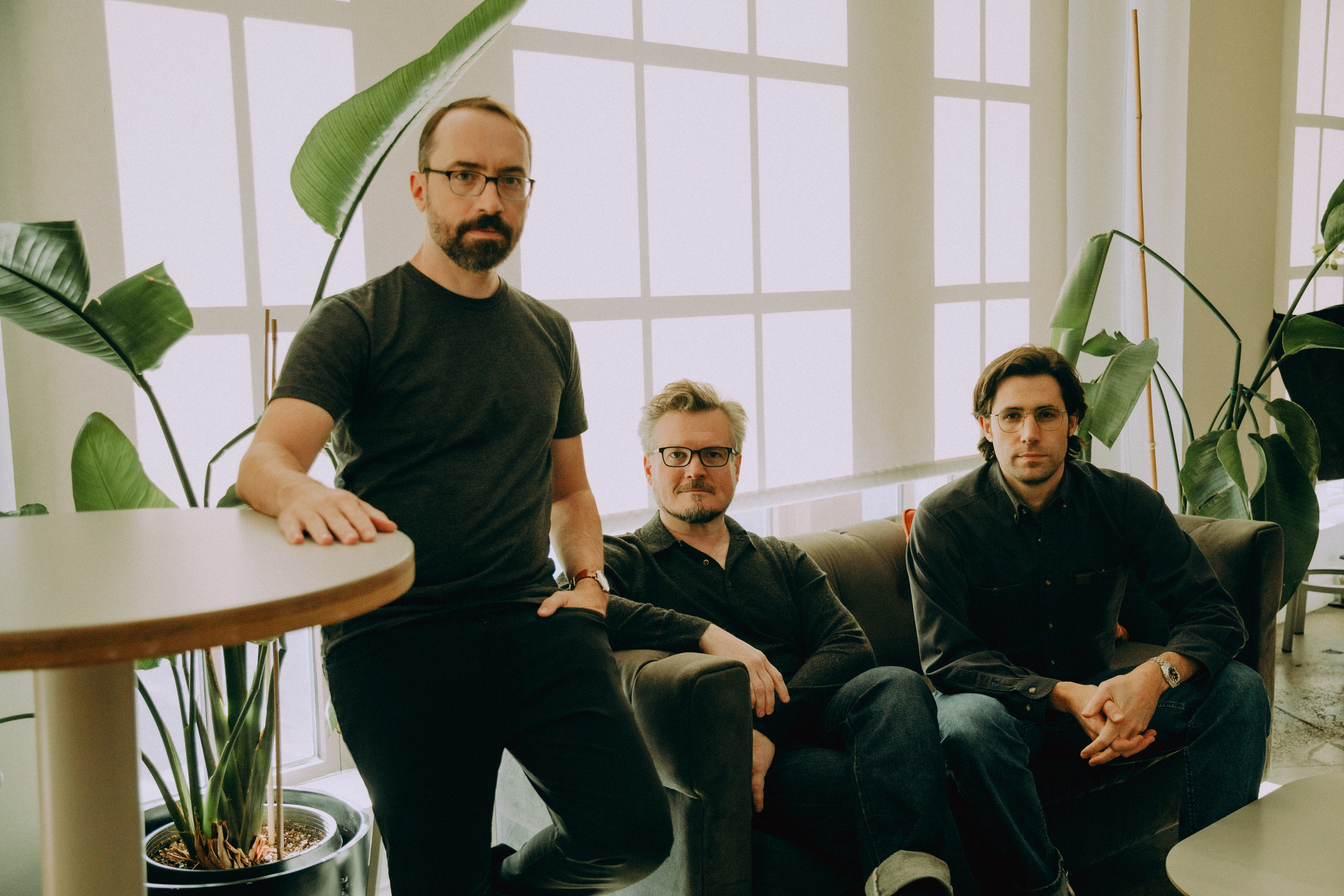
Alex Komoroske (Common Tools)
START A COMPUTER CLUB
a computer club is where a group of people hang out and do computer together
triumph of the nerds
Are we stuck with the same Desktop UX forever? | Ubuntu Summit 25.10
Are we stuck with the same Desktop UX forever? | Ubuntu Summit 25.10
Are we stuck with the same Desktop UX forever? | Ubuntu Summit 25.10
Beyond the Individual: Understanding the Evolution of Collective Intelligence
This chapter outlines the evolution of collective intelligence, starting from its ancient roots and concluding with modern digital platforms. It discusses intelligence theories, project examples, and the impact of technology on collaborative efforts. Key focuses include the role of the internet and online communities in boosting our collective IQ, with a particular emphasis on Douglas Engelbart's contributions and the open-source movement, as exemplified by Linux's development. The chapter examines how digital transformation has facilitated new forms of community and knowledge sharing, significantly influencing fields such as management, decision-making, and organizational learning. Various scholars and their definitions of CI are discussed, including Pierre Lévy's vision of universally distributed intelligence and the concept of swarm intelligence in biological sciences. We then move on to practically implemented CI projects, exploring crowdsourcing as a manifestation of CI in business and social projects and examining possibilities of harnessing the wisdom of crowds for problem-solving and innovation. The chapter concludes with a presentation of the current state of collective intelligence academic research.

Andrej Karpathy: Software Is Changing (Again)
under the hood
This week I’ve been thinking about what it’s like for a new generation to make things with computers. When we were talking in Berlin, Luce made a point that...

Resonant Computing Lab
A movement is quietly gaining momentum. For some time, the Resonant Computing Manifesto circulated among a small circle of technologists and thinkers. Within days of going public, more than 1,200 signatories—including Alan Kay, Peter Wang, Tim O'Reilly, Kevin Kelly and Esther Dyson—joined the call for software that serves human agency.
» Apple, Carmen Sandiego, and the Rise of Edutainment The Digital Antiquarian
If there was any one application that was the favorite amongst early boosters of personal computing, it was education. Indeed, it could sometimes be difficult to find one of those digital utopianists who was willing to prioritize anything else — unsurprisingly, given that so much early PC culture grew out of places like The People’s Computer Company, who made “knowledge is power” their de facto mantra and talked of teaching people about computers and using computers to teach with equal countercultural fervor. Creative Computing, the first monthly magazine dedicated to personal computing, grew out of that idealistic milieu, founded by an educational consultant who filled a big chunk of its pages with plans, schemes, and dreams for computers as tools for democratizing, improving, and just making schooling more fun. A few years later, when Apple started selling the II, they pushed it hard as the learning computer, making deals with the influential likes of the Minnesota Educational Consortium (MECC) of Oregon Trail fame that gave the machine a luster none of its competitors could touch. For much of the adult public, who may have had their first exposure to a PC when they visited a child’s classroom, the Apple II became synonymous with the PC, which was in turn almost synonymous with education in the days before IBM turned it into a business machine. We can still see the effect today: when journalists and advertisers look for an easy story of innovation to which to compare some new gadget, it’s always the Apple II they choose, not the TRS-80 or Commodore PET. And the iconic image of an Apple II in the public’s imagination remains a group of children gathered around it in a classroom.
Common Fabric
A social computing lab. We are building a medium for software that revolves around people, not apps.
