

From the Zed Blog: Working toward genuine, quality software in an era where code production is not the constraint anymore.
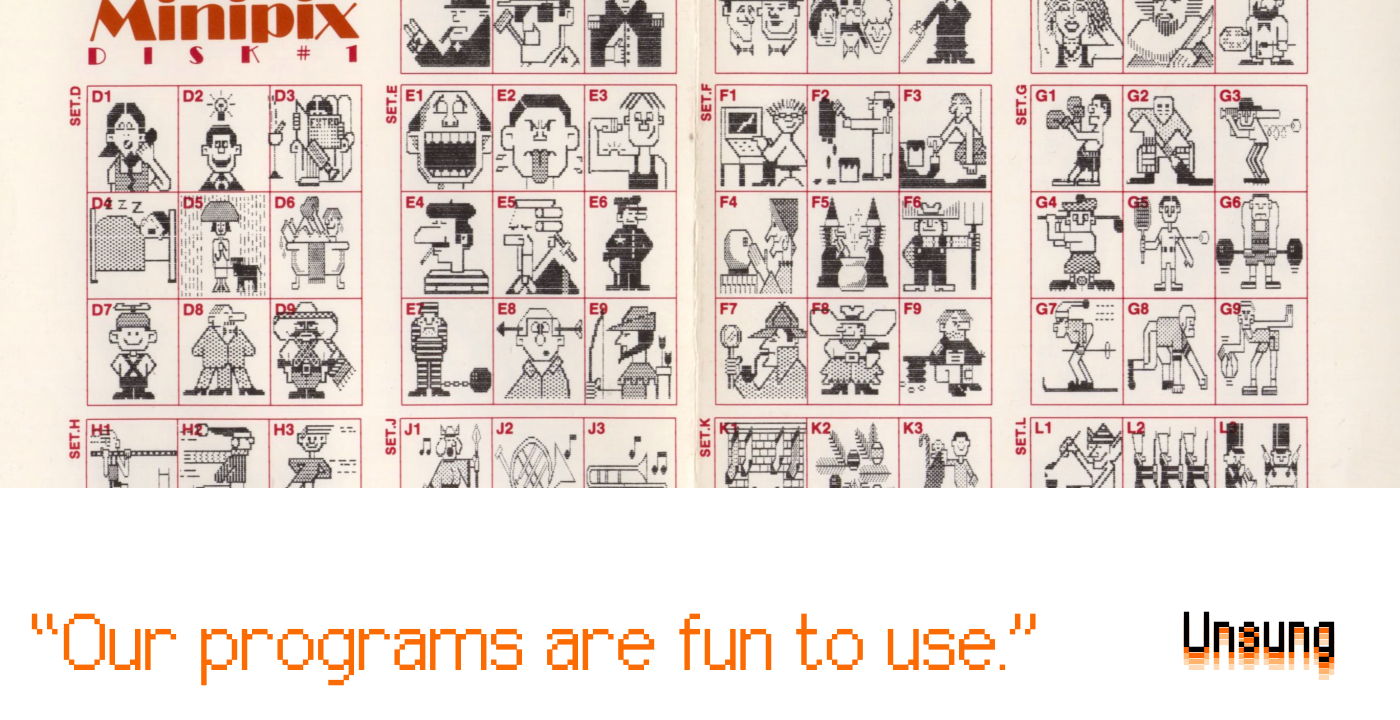
“I think there’s a lot of value in these.” – Unsung
A blog about software craft and quality

“They had no concept of a duty of care to their users.” – Unsung
A blog about software craft and quality
Where Did Software Go Wrong? | Jesse Li
Software is broken, but it's not because of NPM, startups, AI, or venture capitalists. A deep dive into how we think about and produce code, and how our software systems reflect the manic state of the modern world.

We should rethink how we teach people to code | deadSimpleTech
It's fair to say that the tech industry at the moment is not in a good place. Software engineers tend to be detached, demotivated and unwilling to care much about the work they're doing beyond their paycheck. Code quality is poor on the whole, made worse by the current spate of vibe coding and whatever other febrile ideas come out of Sam Altman's brain. Much of the software that we write is either useless or actively hurts people. And the talented, creative people that we most need in the industry are pushed to the margins of it.


Vibe Coding Is Killing Open Source Software, Researchers Argue
‘If the maintainers of small projects give up, who will produce the next Linux?’
Code Is Cheap Now. Software Isn’t.
The barrier to entry for building software has collapsed. The barrier to building something that matters hasn’t moved an inch.
How to create software quality.
I’ve been reading Steven Sinofsky’s Hardcore Software, and particularly enjoyed this quote from a memo discussed in the Zero Defects chapter: You can improve the quality of your code, and if you do, the rewards for yourself and for Microsoft will be immense. The hardest part is to decide that you want to write perfect code. If I wrote that in an internal memo, I imagine the engineering team would mutiny, but software quality is certainly an interesting topic where I continue to refine my thinking. There are so many software quality playbooks out there, and I increasingly believe that all these playbooks work in their intended context, but are often misapplied.

Favourite well-made apps and sites – Unsung
A blog about software craft and quality
If you’re a button, you have one job – Unsung
A blog about software craft and quality

Vibe Coding Kills Open Source
Generative AI is changing how software is produced and used. In vibe coding, an AI agent builds software by selecting and assembling open-source software (OSS), often without users directly reading documentation, reporting bugs, or otherwise engaging with maintainers. We study the equilibrium effects of vibe coding on the OSS ecosystem. We develop a model with endogenous entry and heterogeneous project quality in which OSS is a scalable input into producing more software. Users choose whether to use OSS directly or through vibe coding. Vibe coding raises productivity by lowering the cost of using and building on existing code, but it also weakens the user engagement through which many maintainers earn returns. When OSS is monetized only through direct user engagement, greater adoption of vibe coding lowers entry and sharing, reduces the availability and quality of OSS, and reduces welfare despite higher productivity. Sustaining OSS at its current scale under widespread vibe coding requires major changes in how maintainers are paid.

Vibe Coding Kills Open Source
Generative AI is changing how software is produced and used. In vibe coding, an AI agent builds software by selecting and assembling open-source software (OSS), often without users directly reading documentation, reporting bugs, or otherwise engaging with maintainers. We study the equilibrium effects of vibe coding on the OSS ecosystem. We develop a model with endogenous entry and heterogeneous project quality in which OSS is a scalable input into producing more software. Users choose whether to use OSS directly or through vibe coding. Vibe coding raises productivity by lowering the cost of using and building on existing code, but it also weakens the user engagement through which many maintainers earn returns. When OSS is monetized only through direct user engagement, greater adoption of vibe coding lowers entry and sharing, reduces the availability and quality of OSS, and reduces welfare despite higher productivity. Sustaining OSS at its current scale under widespread vibe coding requires major changes in how maintainers are paid.
Code Is Cheap Now, And That Changes Everything | Pere Villega
AI coding agents have made code production nearly free. Drawing on insights from Kent Beck, Paul Ford, and Simon Willison, this post argues that the value has shifted from writing code to defining systems — contracts, invariants, SLAs, and verification.
Seeing Like a Programmer (LambdaConf 2024) — Sympolymathesy, by Chris Krycho
How do we make good software, and indeed, what makes software good: both as software, and in terms of its place in the world?

Vibe Coding Is the New Open Source—in the Worst Way Possible
As developers increasingly lean on AI-generated code to build out their software—as they have with open source in the past—they risk introducing critical security failures along the way.
