How would I go if I tried to convince you that most food contains poison? You might nod and agree but I am not talking about processed junk laced with manmade chemicals, but rather this is all abou…
The Extraordinary Science of Addictive Junk Food (Published 2013)
Inside the hyperengineered, savagely marketed, addiction-creating battle for American “stomach share.”

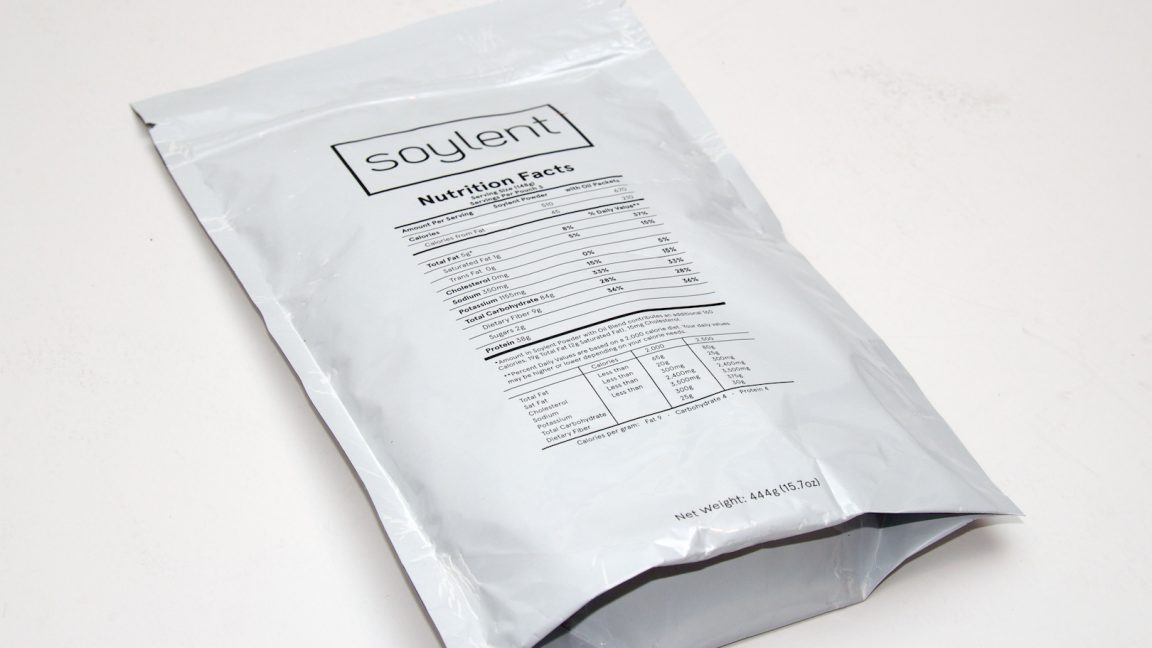
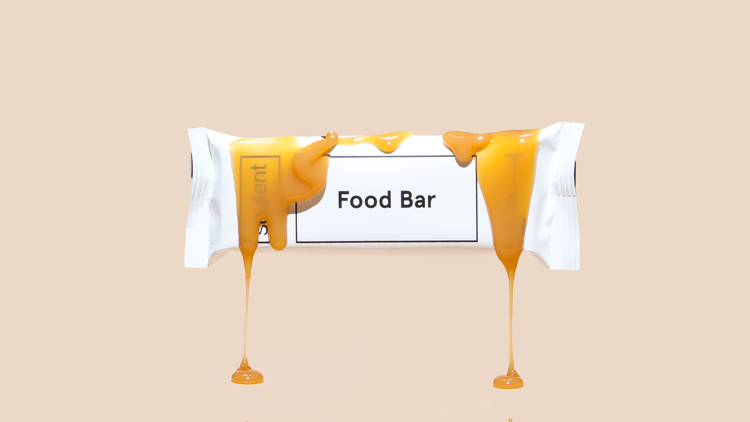
People get “violently ill” from Soylent bars; company stumped
Online forums link bars to food poisoning, but maker suggests soy intolerance.
Open Food Facts - world
A collaborative, free and open database of ingredients, nutrition facts and information on food products from around the world

Open Food Facts - world
A collaborative, free and open database of ingredients, nutrition facts and information on food products from around the world
Simple Rules for Healthy Eating (Published 2015)
There’s a lot of advice out there about what kinds of food you should be avoiding. Here’s a more positive approach.

Open Food Facts
A collaborative, free and open database of ingredients, nutrition facts and information on food products from around the world
CSPI's Food Additive Safety Ratings
CSPI's Chemical Cuisine database rates additives—used to preserve foods or affect their taste, texture, or appearance—from 'safe' to 'avoid.'
Meet the Lady Carnivores Taking Over TikTok With Butter and Raw Meat
Some women say the carnivore diet has saved their lives — but doctors warn could be harmful.

The Angry Chef by Anthony Warner review – detox and other food nonsense
Warner has it in for nutrition experts, dieticians, pseudoscience – and Gwyneth Paltrow

What health variables should you document when embarking on a new Soylent diet?
41K subscribers in the soylent community. Resources, links, experiences, and relevant news dealing with engineered staple foods including but not…
Recipe Ideas
Find the perfect food and drink ideas for every occasion, from weeknight dinners to holiday feasts.
Dietary Habits Related to Food Packaging and Population Exposure to PFASs
Abstract Background: Per- and polyfluoroalkyl substances (PFASs) are common industrial and consumer product chemicals with widespread human exposures that have been linked to adverse health effects. PFASs are commonly detected in foods and food-contact materials (FCMs), including fast food packaging and microwave popcorn bags. Objectives: Our goal was to investigate associations between serum PFASs and consumption of restaurant food and popcorn in a representative sample of Americans. Methods: We analyzed 2003–2014 serum PFAS and dietary recall data from the National Health and Nutrition Examination Survey (NHANES). We used multivariable linear regressions to investigate relationships between consumption of fast food, restaurant food, food eaten at home, and microwave popcorn and serum levels of perfluorooctanoic acid (PFOA), perfluorononanoic acid (PFNA), perfluorodecanoic acid (PFDA), perfluorohexanesulfonic acid (PFHxS), and perfluorooctanesulfonic acid (PFOS). Results: Calories of food eaten at home in the past 24 h had significant inverse associations with serum levels of all five PFASs; these associations were stronger in women. Consumption of meals from fast food/pizza restaurants and other restaurants was generally associated with higher serum PFAS concentrations, based on 24-h and 7-d recall, with limited statistical significance. Consumption of popcorn was associated with significantly higher serum levels of PFOA, PFNA, PFDA, and PFOS, based on 24-h and 12-month recall, up to a 63% (95% CI: 34, 99) increase in PFDA among those who ate popcorn daily over the last 12 months. Conclusions: Associations between serum PFAS and popcorn consumption may be a consequence of PFAS migration from microwave popcorn bags. Inverse associations between serum PFAS and food eaten at home—primarily from grocery stores—is consistent with less contact between home-prepared food and FCMs, some of which contain PFASs. The potential for FCMs to contribute to PFAS exposure, coupled with concerns about toxicity and persistence, support the use of alternatives to PFASs in FCMs. https://doi.org/10.1289/EHP4092
How do people learn to cook a poisonous plant safely?
Cassava is very dangerous if not prepared properly, so how did people develop and share that knowledge?

Stress Is Edible. Here's How We Can Avoid It In Our Food System | Worth
Stress hormones in our diet may be a missing link between food and wellness.

The psychology of Soylent and the prison of first-world food choices
Why are some repulsed by Soylent, but others desperate to receive their orders?