

In a post-apocalyptic future with no internet or stackoverflow, let's try to build a programming environment from scratch.
Forgotten Programming Ideas That Could Change Everything #shorts
Its Time for a New Programming Language
Today, when compared to any other point in programming history, we find ourselves spoiled for choice when it comes to programming…
The Internet of Beefs
You’ve heard me talk about crash-only programming , right? It's a programming paradigm for critical infrastructure systems, where there is -- by design -- no…
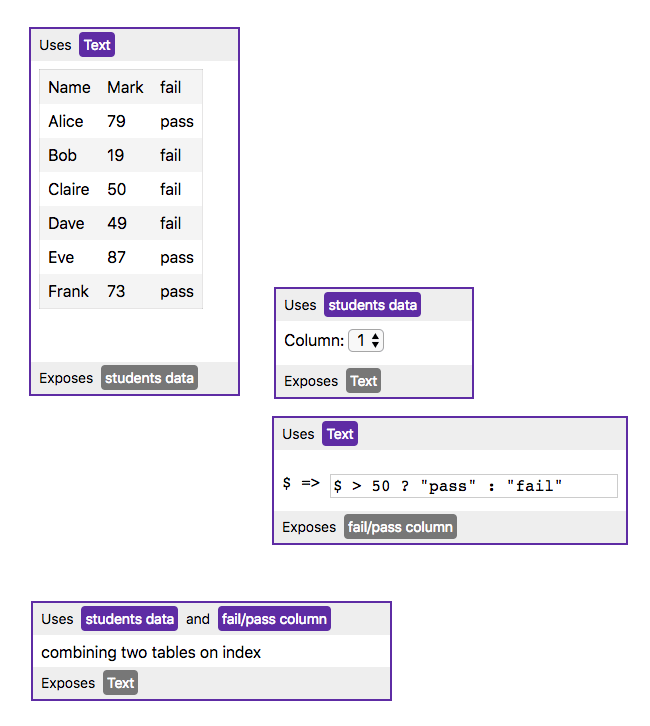
End-user Programming
A vision for empowered computing that reaches back forty years. Our research lab examines why it has been so hard to achieve.
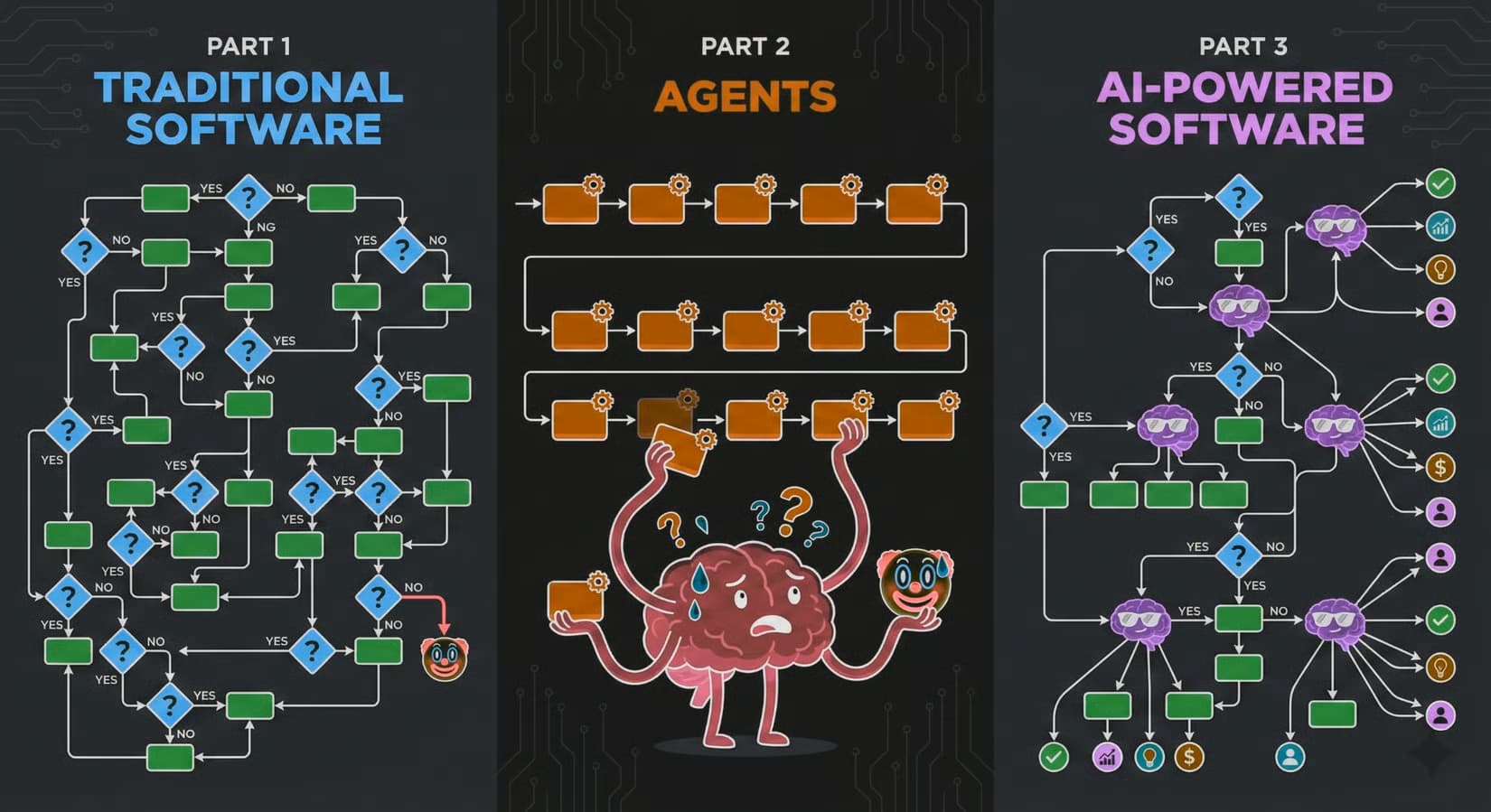
Come for the tool, stay for the network
programming, philosophy, history, internet, startups
the world hasn’t figured out yet that you can literally just fix everything with a Nix overlay
There are many things that are uncertain in our industry right now, but one thing I am certain about, and have been for almost 13 years, is that Nix is a terrible programming language. I remember when I first learned it, it felt like pushing shit uphill. The learning cliff

Coding agents as the new compilers - Anil Dash
A blog about making culture. Since 1999.

"An approach to computing and sustainability inspired from permaculture" by Devine Lu Linvega

Digital Degrowth: Radically Rethinking our Digital Futures
We are fast approaching the point of “peak digital”, with the continued mass production and excessive consumption of digital technologies set to become a key driver of climate crisis, ecological breakdown and ongoing societal instability.<br /> <br /><i>Digital Degrowth</i> is a call to completely rethink our digital futures in these fast-changing times. It explores how degrowth thinking and alternate forms of “radically sustainable computing” might support ambitions of sustainable, scaled-down and equitable ways of living with digital technologies. Neil Selwyn proposes a rebalancing of digital technology use: digital degrowth is not a call for simply making reduced use of the digital technologies that we already have – rather it is an argument to reimagine digital practices that maximise societal benefits with minimal environmental and social impact. Drawing on illustrative examples from across computer science, hacker and environmental activist communities, this book examines how core degrowth principles of conviviality, autonomy and care are already being used to reimagine alternate forms of digital technology.<br /> <br />Original and stimulating, this is essential reading for students and scholars of media and communication, sustainability studies, political ecology, computer/data sciences, and across the social sciences.

Prospero: a new coding harness for a more civilized age
A small matter of programming: perspectives on end user computing
A Small Matter of Programming asks why it has been so d…
Reflections on a decade of coding
I've been programming professionally for about 12 years. Here are some of the things I worked on in the last 2 years.
The future of programming and computing

Trends and adjacent possibles for the future of how computers are used and programmed
HyperMap
What Even Is An OS Now?

Maybe We Should Stop Investing in GUI-Centric Software Companies
LIMITS 2026 -- Workshop on Computing within Limits
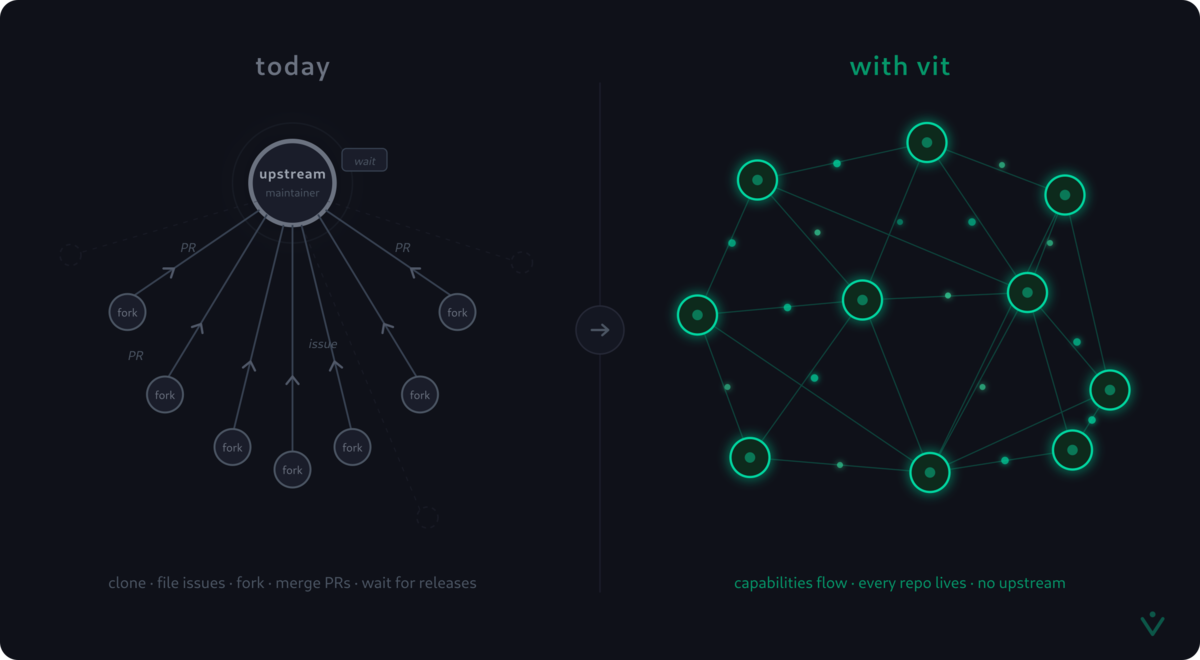
vit — open source is social

Humans approve intent, machines prove conformance