

In my last post, I have discussed the two main types of scientific models: empirical models, also called descriptive models, and explanatory models. I have also emphasized the crucial role of equations and specifications in the formulation of explanatory models. But my description of scientific models in that post left aside a very important aspect: on a more fundamental level, all models are stories.
Principles for Combining Descriptive and Model-Based Analysis in Applied Microeconomics Research
In this article, I offer guidance on how to combine descriptive and model-based empirical analysis within a paper. Drawing on examples from three recently published applied microeconomics papers, I argue that it is important to create a tight link between the descriptive analysis and the bottom-line deliverable of the model-based analysis, and I try to distill some lessons or principles for doing so. I also offer some thoughts on when a paper should start with descriptive analysis and then proceed to model-based analysis and when alternative structures may be desirable.
PsychoModels
We aim to create a database that encourages sharing, reusing, and extending computational implementations of formal models in psychology.By creating a platform designed for productive exchange within modeling groups and between modelers and empirical researchers, modeling practices among researchers will flourish and expand.
Ground the model, or it invents the evidence
Trusted, curated, subject-specific models are needed for academia
Hyperproblems: New Ways of Doing and Communicating Science - Hyperproblems
Hyperproblems: Hyperproblems are scientific challenges whose scale, complexity, novelty and interdependence overwhelm traditional research models, requiring…
Zechen Zhang on Twitter / X
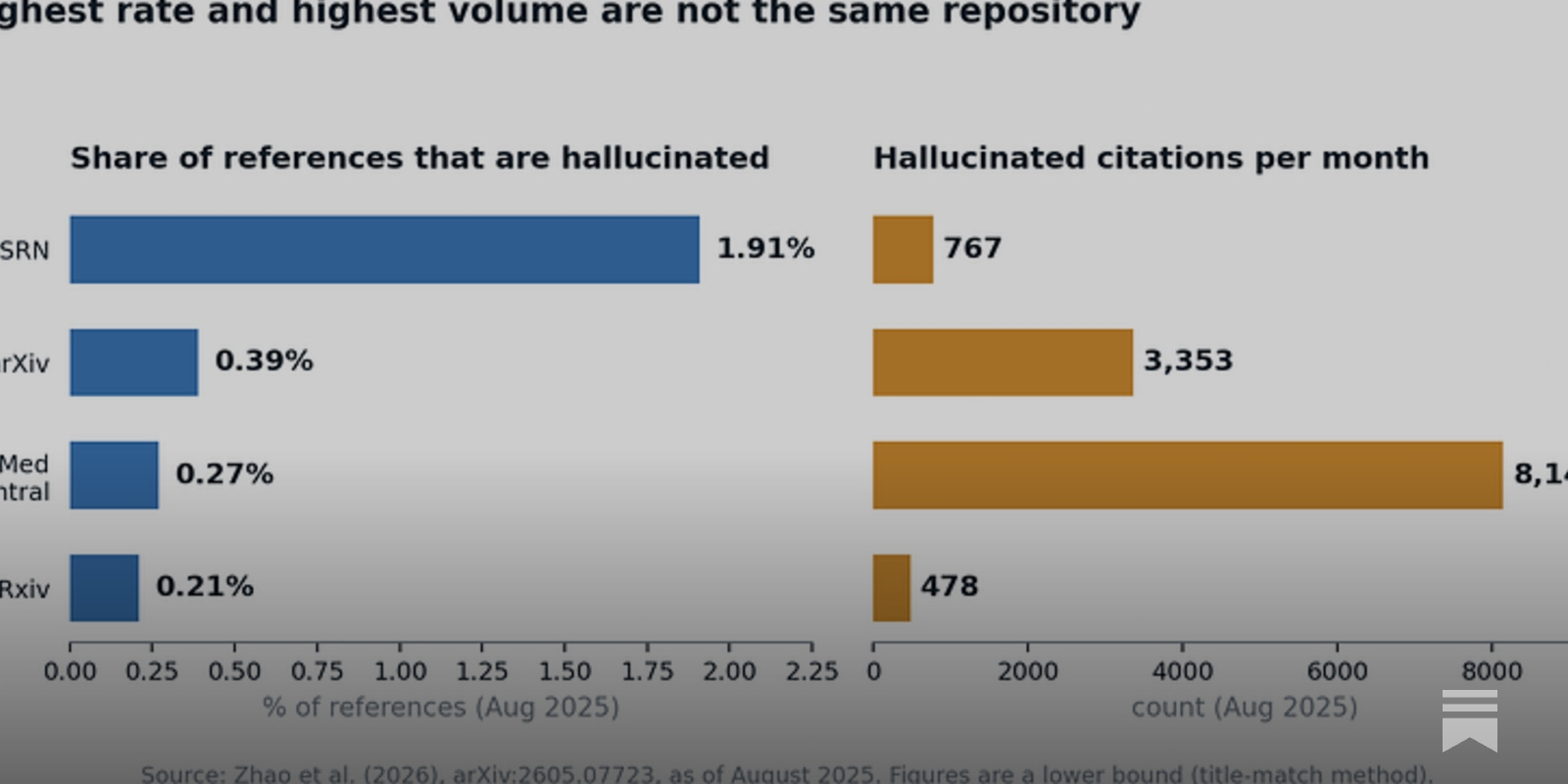
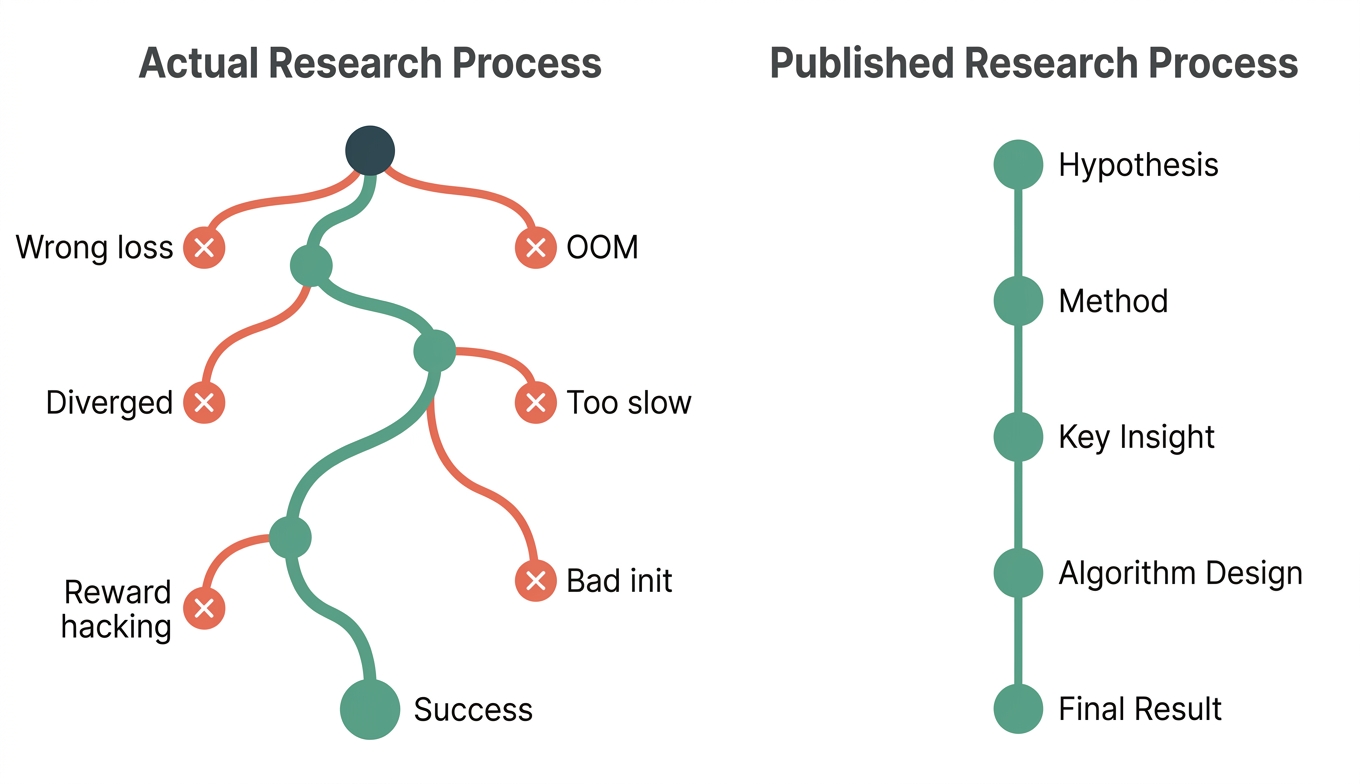
1/ For nearly 350 years, science has communicated itself through one object: the paper. A linear narrative, frozen as a PDF, written for a human reader. We've come to treat that format as the medium of science itself.It doesn't have to be. It's a historical artifact. 🧵 pic.twitter.com/P5UUhceLkC— Zechen Zhang (@ZechenZhang5) April 30, 2026
The new way we’ll do science
Papers should become human-readable views over a graph of data, tools, results, and certificates.

The Mental Model FAQ
A summary of the conclusions from my Putting Mental Models to Practice series. What are mental models? How did mental models become so popular?
GEMOT: Towards Mechanistic World Models for Biology
Scientific discovery seeks mechanisms that explain observations and predict beyond the measurements that produced them. Whereas large language models (LLMs) encode knowledge implicitly, mechanistic world models organise it as a parsimonious set of explicit, modular, reusable mechanisms whose predictions can be scored against data.
SaaS Financial Model: Our Templates for Modeling & Growth
How to build a SaaS financial model you'll actually use: operating model, revenue forecast, hiring plan, scenarios, and forecast vs actuals.

The lost art of mathematical modelling
We provide a critique of mathematical biology in light of rapid developments in modern machine learning. We argue that out of the three modelling activities – (1) formulating models; (2) analysing models; and (3) fitting or comparing models to data – inherent to mathematical biology, researchers currently focus too much on activity (2) at the cost of (1). This trend, we propose, can be reversed by realising that any given biological phenomenon can be modelled in an infinite number of different ways, through the adoption of a pluralistic approach, where we view a system from multiple, different points of view. We explain this pluralistic approach using fish locomotion as a case study and illustrate some of the pitfalls – universalism, creating models of models, etc. – that hinder mathematical biology. We then ask how we might rediscover a lost art: that of creative mathematical modelling.
Complexity Explorables
A collection of interactive explorable explanations of complex systems in biology, physics, mathematics, social sciences, epidemiology, ecology and other fields....

Introducing Model Council
Today we are launching Model Council, a multi-model research feature that brings several models together for one answer.

An attempt to explain category theory to biologists in 15 minutes | David Spivak
Decision-style Model Examples

Decision-style models, like TypeSafe's Jev model, are fast and cheap models that output structured data that has been opening a lot of doors for interesting HCI applications. Here I'll collect interesting examples I come across.
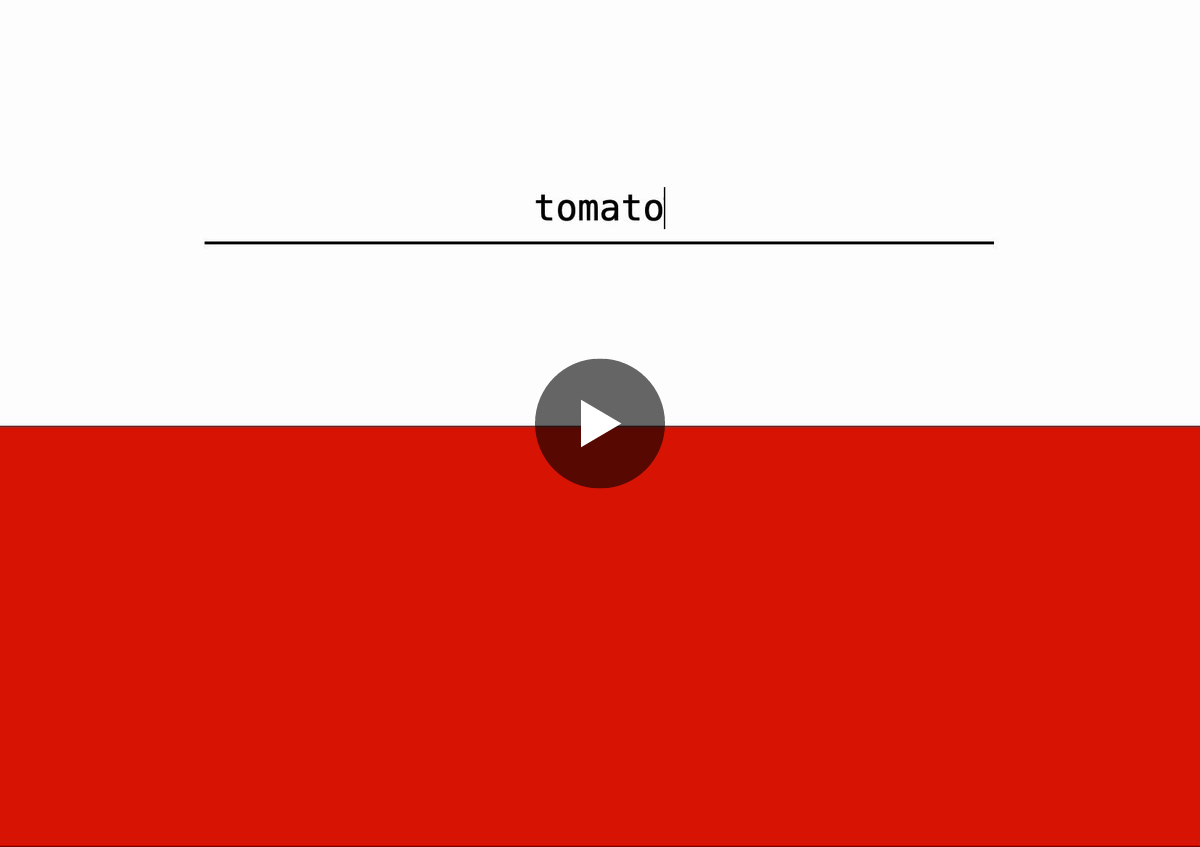
Matt DesLauriers on Twitter / X
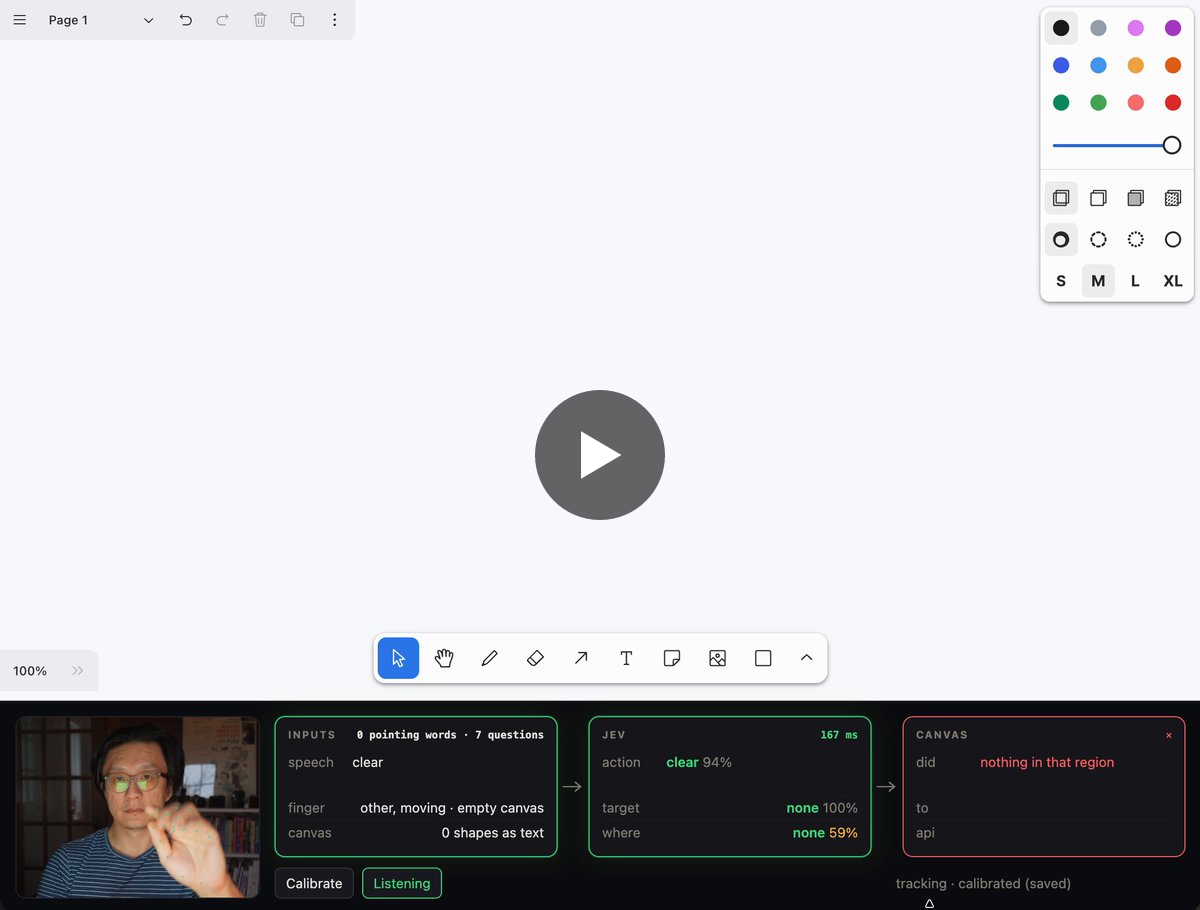
Jack Cheng on Twitter / X

Andy Gao on Twitter / X

Chris Tate on Twitter / X

mikegee on Twitter / X

Marek Sotak on Twitter / X