

I am disappointed by the fact that so many seem tempted to share a "nonrigorous", unserious attempt at quantifying fraud in science because it passes some silly vibe check ("I asked others and they agree"). So in the name of good science, we're ready to produce bad science as a rhetorical tool.
Sep 29, 2024 at 2:43 PM
The natural selection of bad science
Abstract. Poor research design and data analysis encourage false-positive findings. Such poor methods persist despite perennial calls for improvement, sugg
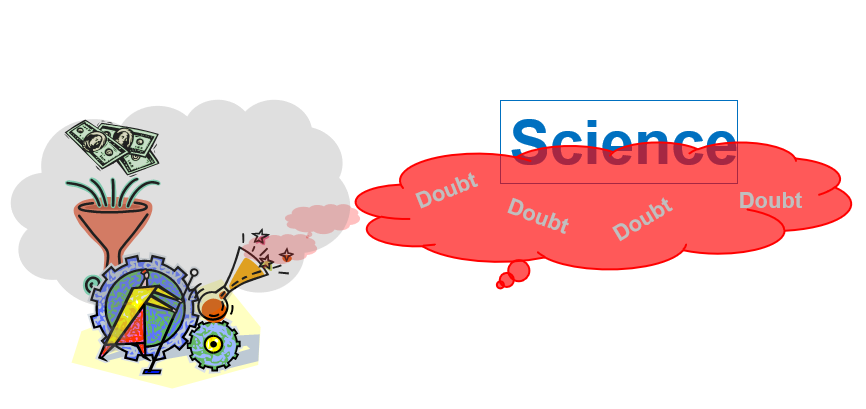
Dark-Moneyed Denialists Are Running 'Fixing Science' Symposium of Doubt
The “Fixing Science” symposium, which is hosted by the National Association of Scholars and kicks off today in Oakland, California, includes credible speakers who want to improve some areas of science hurt by the use of poor statistical methods or making irreproducible claims. Unfortunately, they are outnumbered by people who have often cast doubt on mainstream climate, environmental, and health sciences. For […]
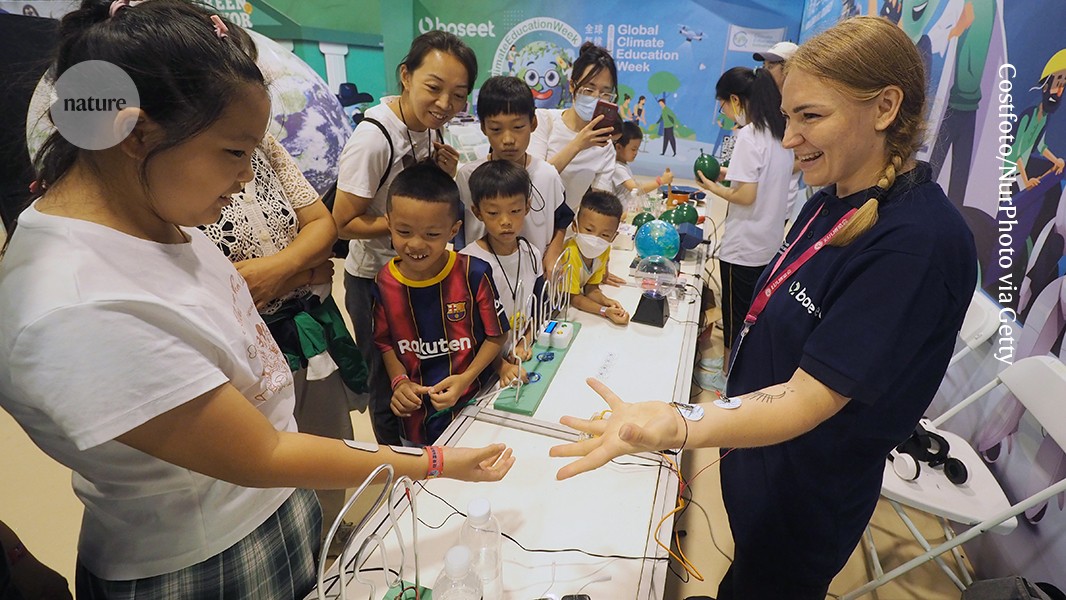
Research ethics: 3 ways to blow the whistle
Reporting suspicions of scientific fraud is rarely easy, but some paths are more effective than others.

Are Scientific Papers Bad?
Why we don’t really know what the public thinks about science
Measuring trust isn’t enough. Furthering knowledge about the institutions and norms of science is the best way to build credibility.
Guest post: If you’re going to critique science, be scientific about it
Loren K. Mell Editor’s note: This post responds to a Feb. 13 article in The Atlantic, “The Scientific Literature Can’t Save Us Now,” written by Retraction Watch cofounders Adam Marcus and Ivan Oran…
Have people stopped trusting science? The data tell a surprising story
Some say there’s a global crisis of trust — but research reveals where the real problems lie.
Science Must Decentralize
Knowledge production doesn’t happen in a vacuum. Every great scientific breakthrough is built on prior work, and an ongoing exchange with peers in the field. That’s why we need to address the threat
Is the scientific paper still a fraud?
How we write scientific papers does not reflect how we do science. Their formal structure infers a pre-ordained linear process rather than reflecting the messy creativity of research. This matters in the AI age because it masks the human in the process.
When Nature Calls: The Enshittification of Science and Its Enablers
Proof-of-work papers, policy laundering, and the collapse of self-correction
“Paging Dr. Fraud”: The Fake Publishers That Are Ruining Science
For years, spurious journals have proliferated online, promising academic credibility in exchange for cash.
The one science reform we can all agree on, but we're too cowardly to do
OR: the long overdue forest fire
The Cult of Bayes' Theorem
I'm no longer a skeptic, but still I can't resist the old skeptic urge to do a bit of debunking. After all, there are a lot of crackpots out there. There are people, for example, who believe that a superintelligent computer will arise in the next twenty years and then promptly either destroy humanity or cure death and set us free. There are people who believe that one of the best works of English literature is an unfinished Harry Potter fanfic by someone who can barely write a comprehensible English sentence. There are even people who believe the best thing you can do to help the poor and the starving is become a city stockbroker or Silicon Valley entrepreneur! And more often than not, the same people believe all these crazy things!
Science has been in a “replication crisis” for a decade. Have we learned anything?
Bad papers are still published. But some other things might be getting better.


