

We build and maintain an open repository of web crawl data that can be accessed and analyzed by anyone.
The Tale of Creating a Distributed Web Crawler
In this post, you'll find out how I built and scaled a distributed web crawler, and especially how I dealt with the technical challenges that ensued.

Crawlers by Slava Rybin 0.077 ETH - Collection | OpenSea
Nowadays, much of the internet is explored not by humans, but by machines. Invisible programs known as crawlers move through websites, following links, reading pages, and collecting information. They are fundamental to how the internet is indexed, organized, and increasingly used as a source of material for artificial intelligence. Yet, despite their constant activity, we rarely encounter these machines or consider their behavior. In Crawlers, Slava gives these invisible processes a body, a voice, and a habitat, transforming the automated extraction of information into a living, playful, and occasionally chaotic experience.
WDC - RDFa, Microdata, and Microformat Data Sets
More and more websites have started to embed structured data describing products, people, organizations, places, and events into their HTML pages using markup standards such as Microdata, JSON-LD, RDFa, and Microformats. The Web Data Commons project extracts this data from several billion web pages. So far the project provides 12 different data set releases extracted from the Common Crawls 2010 to 2023. The project provides the extracted data for download and publishes statistics about the deployment of the different formats.
Standard Search
A search engine for standard.site posts, indexing documents published on AT Protocol.
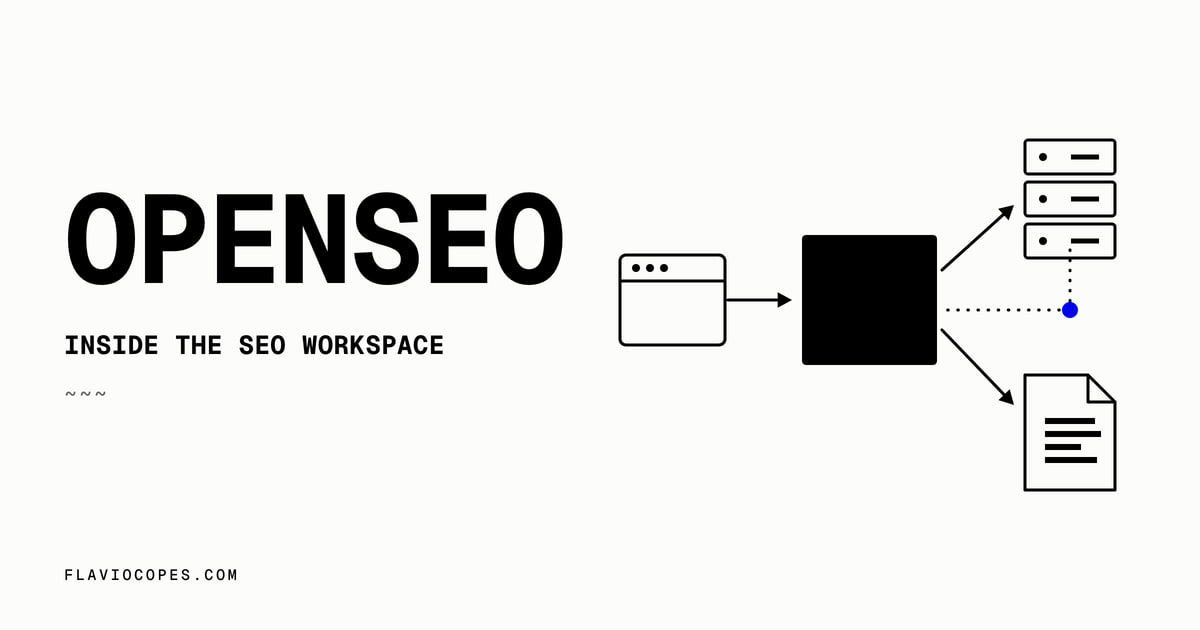
A deep dive into OpenSEO
Explore OpenSEO's architecture: SEO data APIs, Cloudflare Workers, its audit crawler, MCP tools, AI agents, storage, and self-hosting trade-offs.
A Web of Data
Thoughts on making a "Web of Data" instead of a "Web of Pages", and how that might let us take a step away from the dominance of large, complicated browsers.
"Build protocols, not platforms"
Exploring the 'Protocols, Not Platforms' paper alongside a curated digest of recent AI crawler policy shifts and developer experiments.

DataLicenses.org
Machine-readable hints for AI agents/crawlers; easy to adopt, rely on compliance.
SemRepo.org
SemRepo is a large-scale RDF knowledge graph of GitHub repositories linked to scientific research. SemRepo captures fine-grained repository-level metadata (e.g., contributors, issues, programming languages) and interlinks this with external scholarly knowledge graphs: repositories to publications in LPWC, repository authors to their profiles in SemOpenAlex, and research artifacts (e.g., datasets, experiments) are linked via MLSea.
Crawl me maybe - Sri's leaflets
Introducing vsky.network, a fan-out service for crawl requests across community atproto relays.
Spacedrive — A local-first data engine for everything you own
Index any data source. Search everything from one place. Keep it on your machine.
Introducing pay per crawl: Enabling content owners to charge AI crawlers for access
Pay per crawl is a new feature to allow content creators to charge AI crawlers for access to their content.
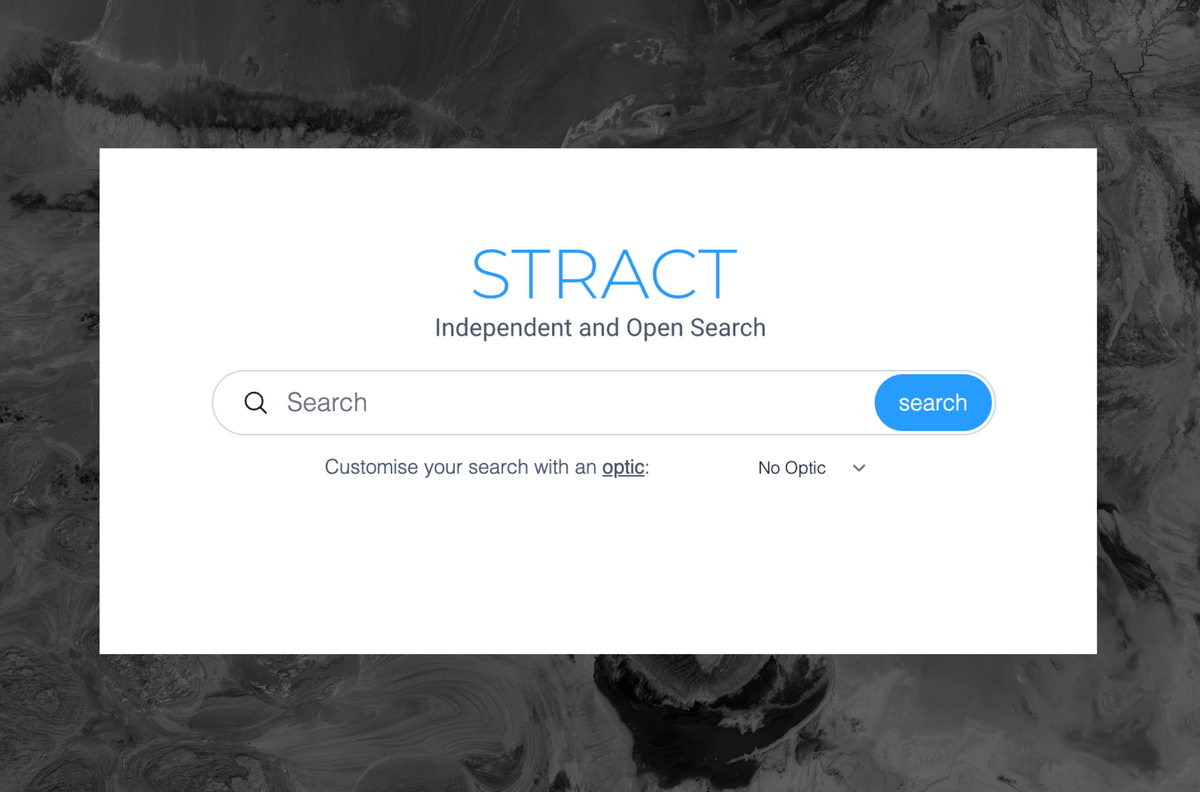
This Guy Has Built an Open Source Search Engine as an Alternative to Google in His Spare Time
"I found it very weird that there essentially is no way to browse the web in an open manner. So that's what I am trying to build," the founder of Stract said.
IndieSearch
I built a prototype for client-side, fully distributed search for the IndieWeb — check out the demo & a little explainer.
new data diary! this is the most in the weeds yet, all revolving around our proposed URI structure for permissioned data. turns out you can figure out a lot about a protocol from the uri! as always, let me know what you think :)

Permissioned Data Diary 5: What’s in a Name?
dholms.leaflet.pub