


Metacrisis and AI governance Jonah Wilberg, September 2025

Do AI Risks Require Extraordinary Government Intervention?
Let’s not skip the hard work of AI governance

Agentic AI Governance: Securing Autonomous AI Agents in Enterprise
When AI agents start making decisions, calling tools, and coordinating with other agents without waiting for human approval, the governance playbook most...

Exclusive: Meta’s Mark Zuckerberg quietly shaped Trump’s AI pact
Meta’s flailing AI efforts — until the recently release of its Muse assistant — had clouded the extent of Zuckerberg’s influence on the debate surrounding the technology.

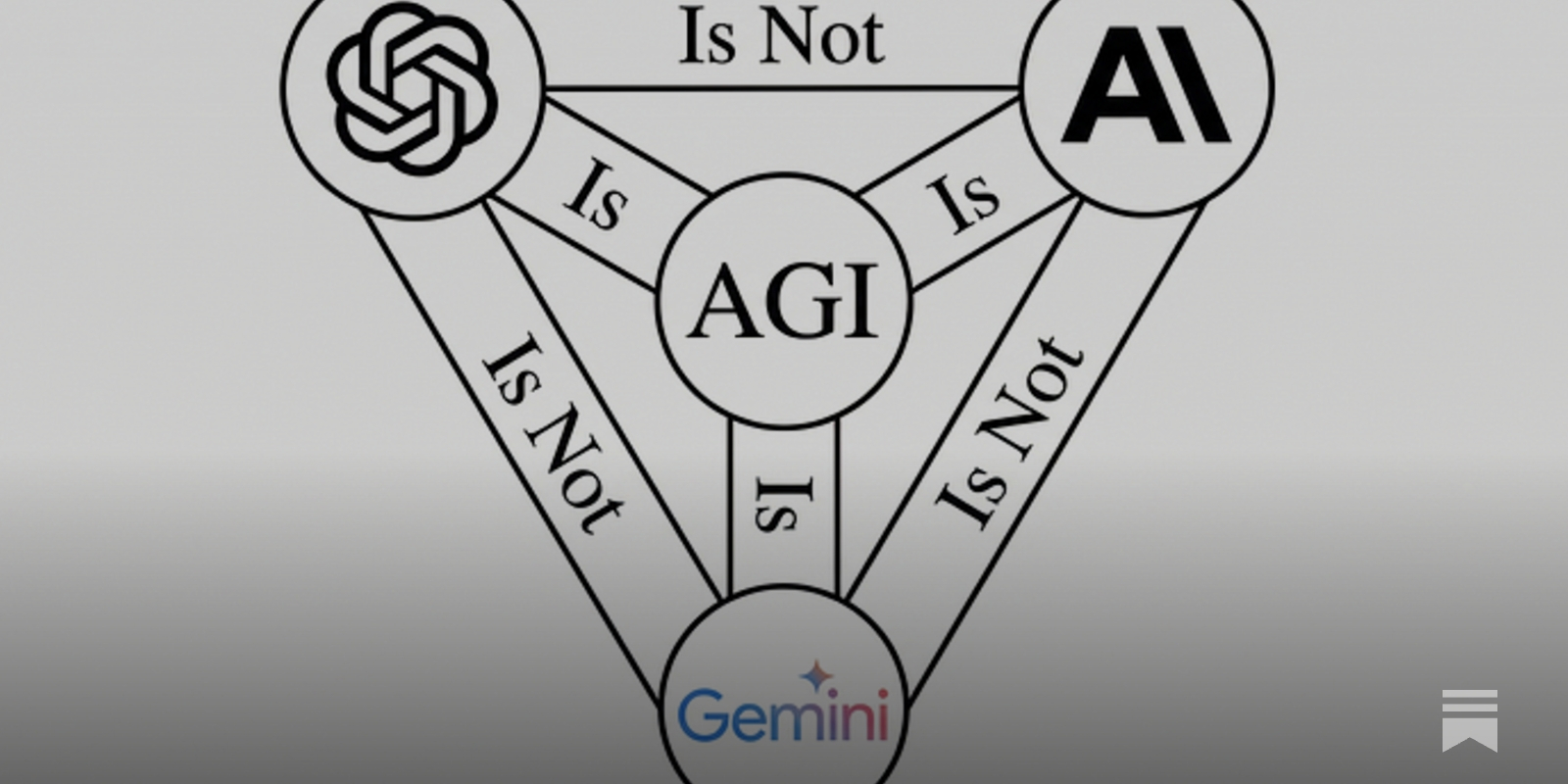
Debates On Frontier Artificial Intelligence Governance: The AI Triad
Analytical Paper Optional: All enrolled students have the option of completing a research paper of at least 20-25 pages, with faculty and peer review of a substantially complete draft. This paper can be used to satisfy the analytical paper requirement for J.D. students. Prerequisite: This course is intended for students intending to work in the […]
Can AI Be Governed? Only If We Build Normatively Competent AI
Hadfield's discussion brings the idea of AI governance back to the core idea of steering the behavior of an AI system. As she notes, this not only involves technical questions about how AI systems ar...
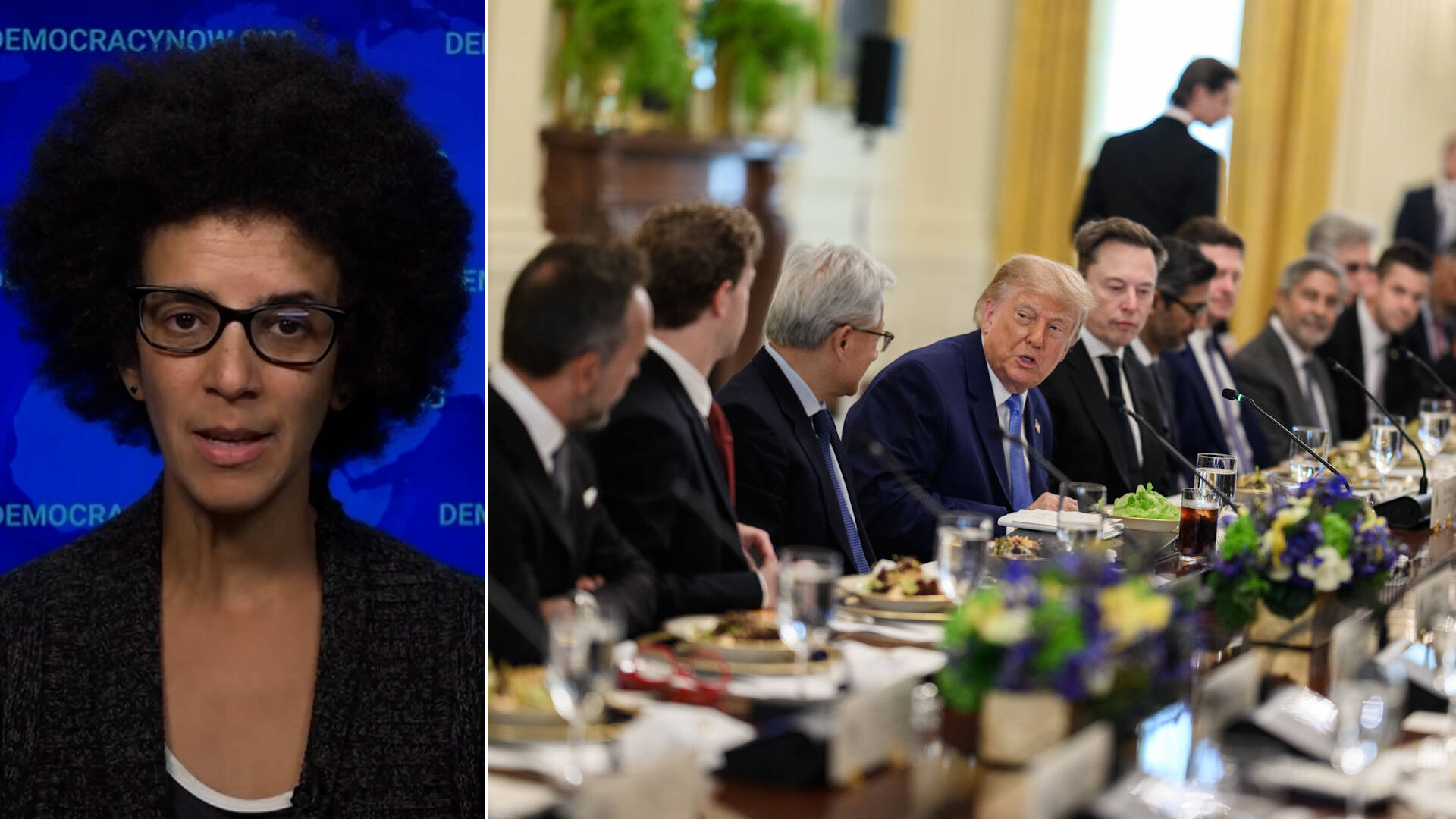
The Real Existential Risk Is AI CEOs Avoiding Oversight: “Alternative Nobel” Winner Timnit Gebru
We speak to the prominent AI researcher and leading critic of the AI industry, Timnit Gebru, who was recently awarded a 2026 Right Livelihood Award for her work investigating the harms and hype behind the global buildup of artificial intelligence. “Instead of discussing faulty, unreliable systems,” Gebru says tech leaders like SpaceXAI’s Elon Musk, OpenAI’s Sam Altman and Anthropic’s Dario Amodei are “marketing their systems as all-knowing, superpowerful, superintelligent,” and lobbying for “self-policing and self-regulation” to avoid being held “liable through existing laws.” Gebru expresses skepticism over increasingly widespread claims that AI algorithms pose an existential risk to humanity, warning that such claims are overblown and that “what is actually happening is regulatory capture.”
Welcome to the AGI era of AI governance
It's a one-way door and we weren't ready for it.
Where AI Regulation Stands Today
The White House has released a National Artificial Intelligence Legislative Framework and new executive orders aiming to establish a single, nationwide standard for AI regulation...

What it Takes to Standardize AI
Civil society advocates are heading to Geneva next month for the UN's inaugural Global Dialogue on AI Governance (6–7 July) and the ITU AI for Good consultation (8 July). IX's Mallory Knodel prepared notes for a planning meeting with GNI's Multistakeholder Approaches to Participation in AI Governanc

Governments Can’t Agree on What AI Actually Is
Without clear definitions, governance is impossible.

From chatbots to assistants: governance is key for AI agents
AI's shift into agentic technology ushers in a new set of governance and security challenges that will mean defining to what extent they should be autonomous

From the Platform Society to the AI Society: Towards Critical Studies of Generative AI
The era of AI has begun. Generative AI is rapidly reshaping knowledge production, culture, and political authority, giving rise to an emerging AI society. Yet this transformation did not emerge ex nihilo. This paper argues that the AI society can only be understood in relation to the platform society from which it arises. Tracing the transition from platforms to AI, we identify interlinked economic, epistemic, and political shifts. Economically, AI emerges within platform-based rentier capitalism but reconfigures the monopoly mechanisms on which its accumulation depends. Epistemically, LLMs mark a shift from predictive to generative epistemics, entangling theory formation and knowledge production with private research-as-a-service infrastructures. Politically, governance shifts from data politics to alignment politics: from shaping visibility to shaping what can be said, thought, and imagined. Together, these transformations signal a qualitative shift in mediation—from governing interaction to governing cognition itself—and call for a Critical AI Studies.
AI, Ethics, and Society — Home
interesting to see them citing the meta-crisis and failure to address it as a prime reason for moving on - "our wisdom must grow in equal measure to our capacity to affect the world, lest we face the consequences" raising meta-crisis awareness among AI researchers is a great way to reduce x-risk 👍 >

norvid_studies
another one for the scrapbook @gracekind.net
