

AI-powered image analysis to detect duplication, manipulation, plagiarism, and AI-generated content in research papers.
Meet this super-spotter of duplicated images in science papers
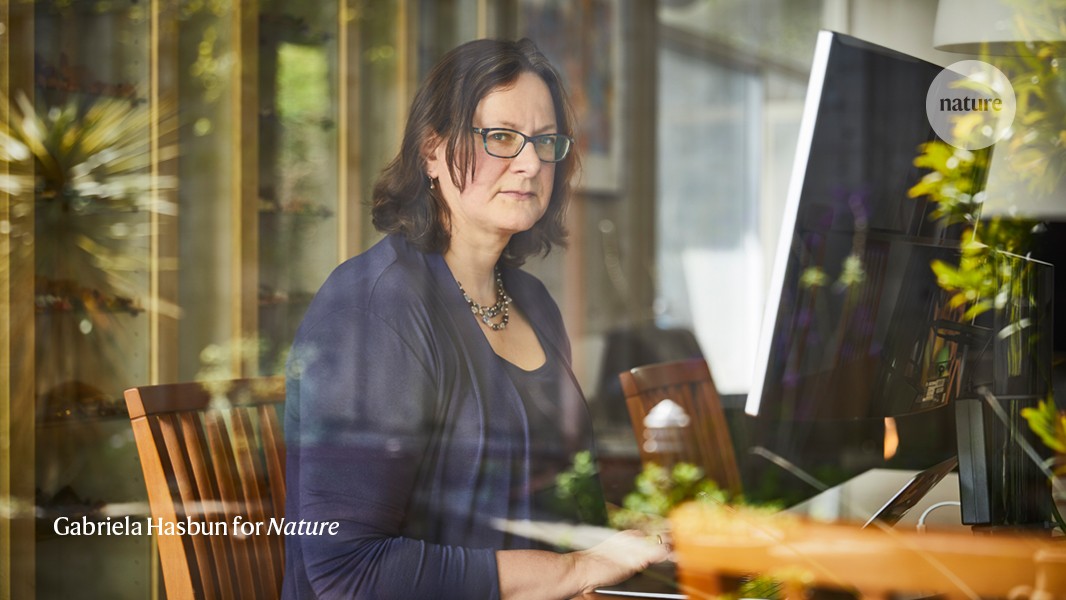
Elisabeth Bik quit her job to spot errors in research papers — and has become the public face of image sleuthing.
Testing of detection tools for AI-generated text
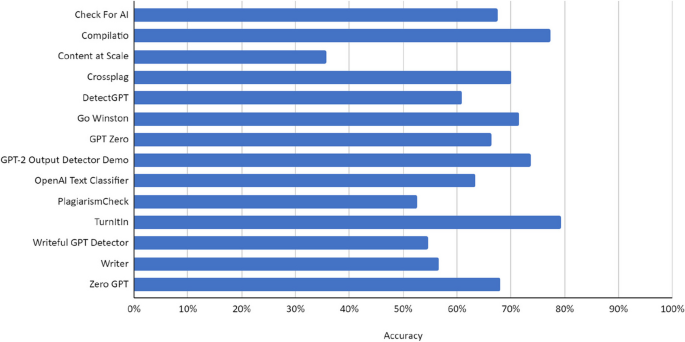
Recent advances in generative pre-trained transformer large language models have emphasised the potential risks of unfair use of artificial intelligence (AI) generated content in an academic environment and intensified efforts in searching for solutions to detect such content. The paper examines the general functionality of detection tools for AI-generated text and evaluates them based on accuracy and error type analysis. Specifically, the study seeks to answer research questions about whether existing detection tools can reliably differentiate between human-written text and ChatGPT-generated text, and whether machine translation and content obfuscation techniques affect the detection of AI-generated text. The research covers 12 publicly available tools and two commercial systems (Turnitin and PlagiarismCheck) that are widely used in the academic setting. The researchers conclude that the available detection tools are neither accurate nor reliable and have a main bias towards classifying the output as human-written rather than detecting AI-generated text. Furthermore, content obfuscation techniques significantly worsen the performance of tools. The study makes several significant contributions. First, it summarises up-to-date similar scientific and non-scientific efforts in the field. Second, it presents the result of one of the most comprehensive tests conducted so far, based on a rigorous research methodology, an original document set, and a broad coverage of tools. Third, it discusses the implications and drawbacks of using detection tools for AI-generated text in academic settings.
Testing of detection tools for AI-generated text
Recent advances in generative pre-trained transformer large language models have emphasised the potential risks of unfair use of artificial intelligence (AI) generated content in an academic environment and intensified efforts in searching for solutions to detect such content. The paper examines the general functionality of detection tools for AI-generated text and evaluates them based on accuracy and error type analysis. Specifically, the study seeks to answer research questions about whether existing detection tools can reliably differentiate between human-written text and ChatGPT-generated text, and whether machine translation and content obfuscation techniques affect the detection of AI-generated text. The research covers 12 publicly available tools and two commercial systems (Turnitin and PlagiarismCheck) that are widely used in the academic setting. The researchers conclude that the available detection tools are neither accurate nor reliable and have a main bias towards classifying the output as human-written rather than detecting AI-generated text. Furthermore, content obfuscation techniques significantly worsen the performance of tools. The study makes several significant contributions. First, it summarises up-to-date similar scientific and non-scientific efforts in the field. Second, it presents the result of one of the most comprehensive tests conducted so far, based on a rigorous research methodology, an original document set, and a broad coverage of tools. Third, it discusses the implications and drawbacks of using detection tools for AI-generated text in academic settings.
How to tell if an image is AI-generated
Scammers are using AI-generated images to make fake stories more convincing. Here's how to separate real from fake.
Inside the Copyright Office’s Report, Copyright and Artificial Intelligence, Part 2: Copyrightability | Copyright
On January 29, 2025, the U.S. Copyright Office released Part 2 of its Report, Copyright and Artificial Intelligence. The Report addresses the legal and policy issues related to artificial intelligence (AI) and copyright, as outlined in the Office’s August 2023 notice of inquiry (NOI). Part 2: Copyrightability addresses the copyrightability of outputs created using generative …

How Text-to-Image AI Works, What AI Image Generators Can Create
Overview Text prompts can be transformed into photographs, artwork, concepts, characters and creative visuals.Many modern generators progressively remove noise

CNET's AI Journalist Appears to Have Committed Extensive Plagiarism
CNET's AI-generated articles appear to show deep structural similarities, amounting to plagiarism, with previously published work elsewhere.
Fake scientific papers made with AI used names of 3 Japan researchers
TOKYO -- A disreputable scientific journal used generative AI to create bogus papers, using the names of three Japanese researchers without permission

AI maps science papers to predict research trends two to three years ahead
The number of scientific papers is growing so rapidly that scientists are no longer able to keep track of all of them, even in their own research area. Researchers from the Karlsruhe Institute of Technology ...

False authorship: an explorative case study around an AI-generated article published under my name
The proliferation of generative artificial intelligence (AI) has facilitated the creation and publication of fraudulent scientific articles, often in predatory journals. This study investigates the extent of AI-generated content in the Global International Journal of Innovative Research (GIJIR), where a fabricated article was falsely attributed to me.
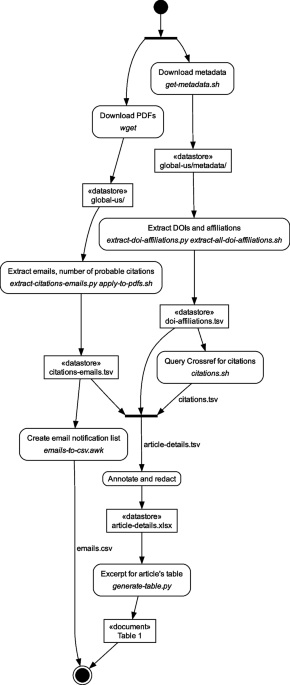
PaperOrchestra: A Multi-Agent Framework for Automated AI Research Paper Writing
Synthesizing unstructured research materials into manuscripts is an essential yet under-explored challenge in AI-driven scientific discovery. Existing autonomous writers are rigidly coupled to specific experimental pipelines, and produce superficial literature reviews. We introduce PaperOrchestra, a multi-agent framework for automated AI research paper writing. It flexibly transforms unconstrained pre-writing materials into submission-ready LaTeX manuscripts, including comprehensive literature synthesis and generated visuals, such as plots and conceptual diagrams. To evaluate performance, we present PaperWritingBench, the first standardized benchmark of reverse-engineered raw materials from 200 top-tier AI conference papers, alongside a comprehensive suite of automated evaluators. In side-by-side human evaluations, PaperOrchestra significantly outperforms autonomous baselines, achieving an absolute win rate margin of 50%-68% in literature review quality, and 14%-38% in overall manuscript quality.

AI-Powered Visual Search for Art Lovers | Artsper Help Center
What is Visual Search on Artsper? ✨Visual search is an innovative feature that allows you to find artworks similar to an image you upload. Powered by advanced artificial intelligence, this tool helps art enthusiasts discover pieces that match their taste effortlessly.
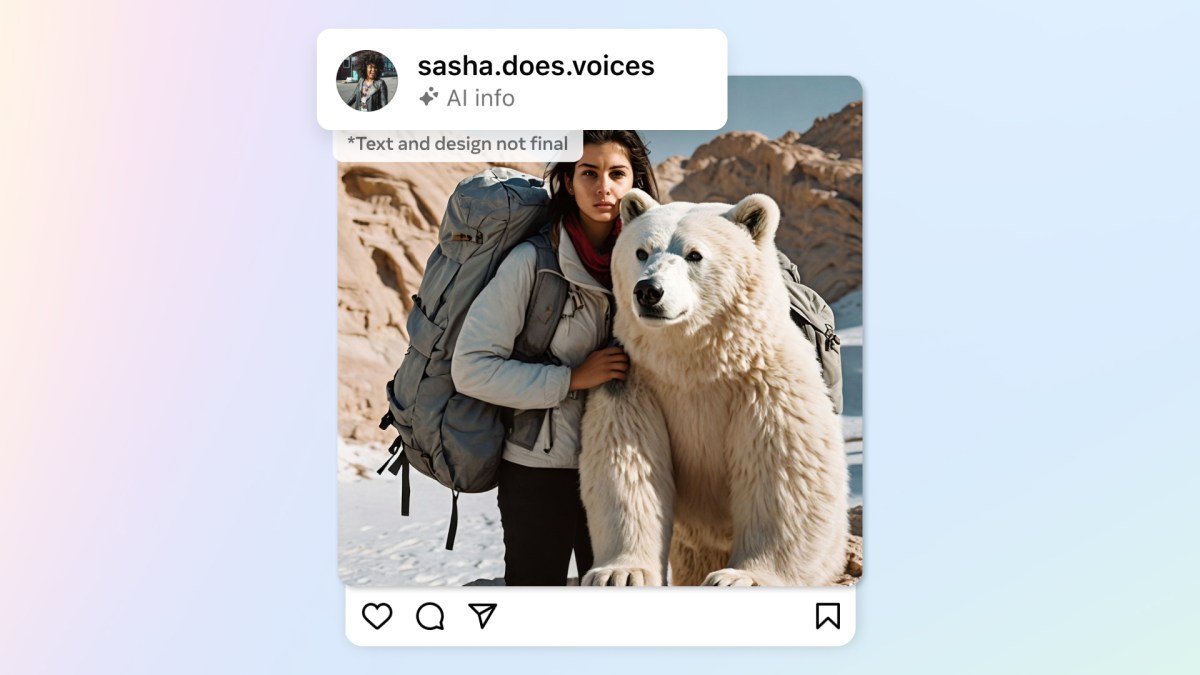
Labeling AI-Generated Images on Facebook, Instagram and Threads
Nick Clegg offers a new approach to identifying and labeling AI-generated content.
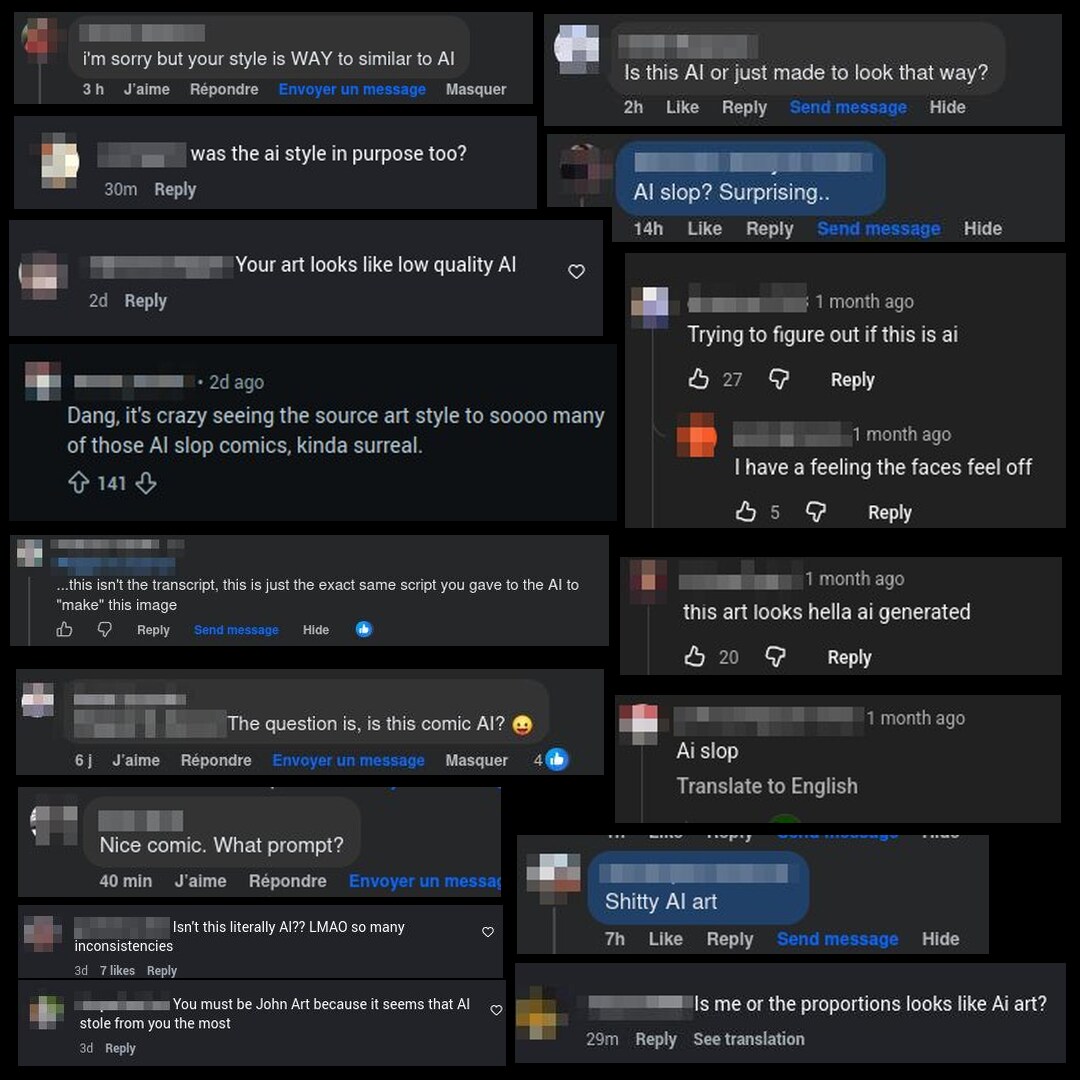
When online commenters 'detect' my art as AI
Here is a collection of screenshots (obfuscated) of dozens and dozens of online comments from many platforms (Reddit, YouTube, Instagram, Facebook) containing accusations or confusion that my artworks and comics are AI-generated. Despite creating every piece by hand, despite sharing timelapses, the comments keep coming, and they're getting stronger.
Machine as Author: Perspectives on AI-Created Works and Copyright
Generative AI's role in creating content challenges traditional copyright frameworks, requiring a redefinition of authorship and protection criteria across different jurisdictions, as seen in the varying approaches of the U.S., EU, and China.
‘AI Generated Work’, ‘Computer Generated’ and ‘Work’ in Copyright: Whether AI Generated Work is a ‘Work’?
Right on the heels of Vedika’s earlier post, we are pleased to bring to you this guest post by Dr. Anson C J taking an in-depth look into the question of whether an AI-generated work is a …
