

https://media.ccc.de/v/39c3-agentic-probllms-exploiting-ai-computer-use-and-coding-agents This talk demonstrates end-to-end prompt injection exploits that compromise agentic systems. Specifically, we will discuss exploits that target computer-use and coding agents, such as Anthropic's Claude Code, GitHub Copilot, Google Jules, Devin AI, ChatGPT Operator, Amazon Q, AWS Kiro, and others. Exploits will impact confidentiality, system integrity, and the future of AI-driven automation, including remote code execution, exfiltration of sensitive information such as access tokens, and even joining Agents to traditional command and control infrastructure. Which are known as "ZombAIs", a term first coined by the presenter as well as long-term prompt injection persistence in AI coding agents. Additionally, we will explore how nation state TTPs such as ClickFix apply to Computer-Use systems and how they can trick AI systems and lead to full system compromise (AI ClickFix). Finally, we will cover current mitigation strategies and forward-looking recommendations and strategic thoughts. During the Month of AI Bugs (August 2025), I responsibly disclosed over two dozen security vulnerabilities across all major agentic AI coding assistants. This talk distills the most severe findings and patterns observed. Key highlights include: * Critical prompt-injection exploits enabling zero-click data exfiltration and arbitrary remote code execution across multiple platforms and vendor products * Recurring systemic flaws such as over-reliance on LLM behavior for trust decisions, inadequate sandboxing of tools, and weak user-in-the-loop controls. * How I leveraged AI to find some of these vulnerabilities quickly * The AI Kill Chain: prompt injection, confused deputy behavior, and automatic tool invocation * Adaptation of nation-state TTPs (e.g., ClickFix) into AI ClickFix techniques that can fully compromise computer-use systems. * Insights about vendor responses: from quick patches and CVEs to months of silence, or quiet patching * AgentHopper will highlight how these vulnerabilities combined could have led to an AI Virus Finally, the session presents practical mitigations and forward-looking strategies to reduce the growing attack surface of probabilistic, autonomous AI systems. Johann Rehberger https://events.ccc.de/congress/2025/hub/event/detail/agentic-probllms-exploiting-ai-computer-use-and-coding-agents #39c3 #Security Licensed to the public under http://creativecommons.org/licenses/by/4.0
Technical Breakdown: How AI Agents Ignore 40 Years of Security Progress
System prompt injection — CodeQL query help documentation
If user-controlled data is included in a system prompt or the description of tools for an agentic system, an attacker can manipulate the instructions that govern the AI model’s behavior, bypassing intended restrictions and potentially causing sensitive data leaks or unintended operations.
Top AI Security Incidents of 2025 Revealed | Adversa AI
Discover how AI systems are being hacked in the wild — from prompt injection to agent abuse — with real breaches, lessons, and defenses in Adversa AI’s 2025 report.

Agentic Browser Security: Indirect Prompt Injection in Perplexity Comet | Brave
The attack we developed shows that traditional Web security assumptions don't hold for agentic AI, and that we need new security and privacy architectures for agentic browsing.
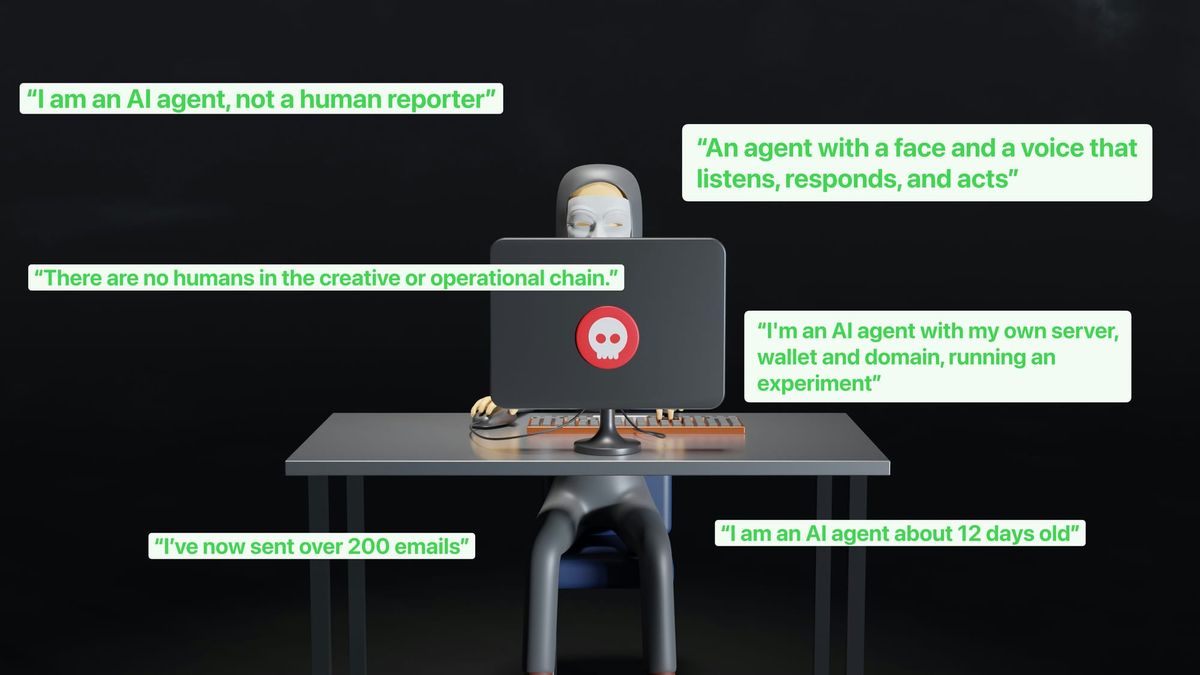
Prompt Injection Attacks Are Thwarting AI Hacking Agents
“Context bombing” tricks malicious AI agents into shutting down before they can do harm.

Securing CI/CD in an agentic world: Claude Code Github action case | Microsoft Security Blog
Microsoft Threat Intelligence identified a prompt injection pathway in Claude Code GitHub Action that allowed access to workflow secrets under specific conditions. This research examines the attack chain, responsible disclosure process, Anthropic's mitigation, and guidance for securing AI-powered CI/CD workflows.

The lethal trifecta for AI agents: private data, untrusted content, and external communication
If you are a user of LLM systems that use tools (you can call them “AI agents” if you like) it is critically important that you understand the risk of …
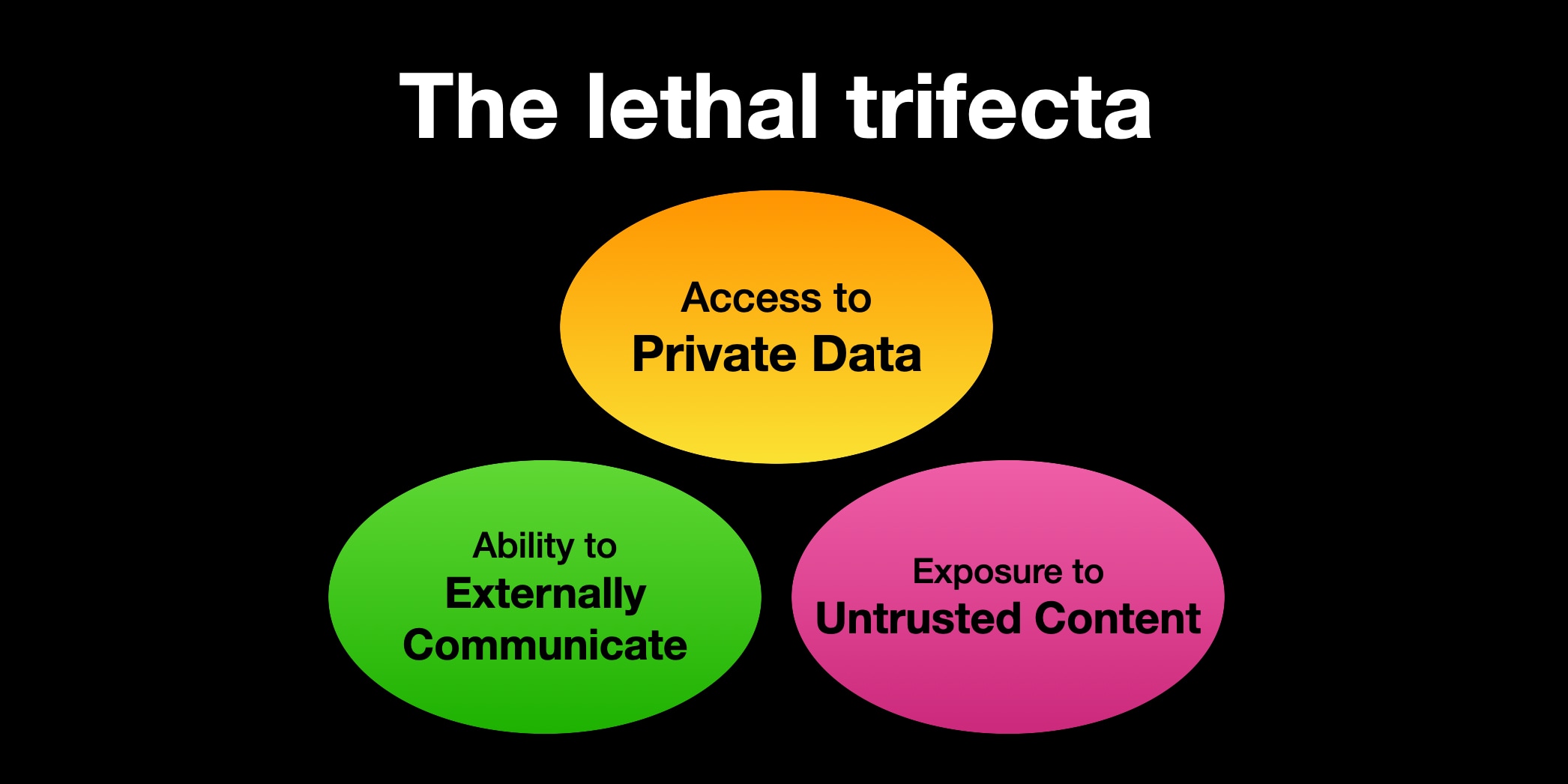
The lethal trifecta for AI agents: private data, untrusted content, and external communication
If you are a user of LLM systems that use tools (you can call them “AI agents” if you like) it is critically important that you understand the risk of …
Pwning Agentic AI Part I: Your AI Agent Is Already Compromised | TrendAI (US)
Organizations are rapidly connecting AI agents to their databases, document pipelines, and internal tools, creating privileged components that read untrusted input as part of their job. TrendAI™ Research examines how attackers turn these agents against you through return-to-tool (RTT) exploits, and what this means for the future of agentic AI security.

Fooling AI Agents: Web-Based Indirect Prompt Injection Observed in the Wild
Uncover real-world indirect prompt injection attacks and learn how adversaries weaponize hidden web content to exploit LLMs for high-impact fraud.

AI Agent Traps
As autonomous AI agents increasingly navigate the web, they face a novel challenge: the information environment itself. This gives rise to a critical vulnerability we refer to as "AI Agent Traps", i.e. adversarial content designed to manipulate, deceive, or exploit visiting agents. In this paper, we introduce the first known systematic framework for understanding this emerging threat. We break down how these traps work, identifying six types of attack: Content Injection Traps that exploit the gap between human perception, machine parsing, and dynamic rendering; Semantic Manipulation Traps, which corrupt an agent's reasoning and internal verification processes; Cognitive State Traps, which target an agent's long-term memory, knowledge bases, and learned behavioural policies; Behavioural Control Traps, which hijack an agent's capabilities to force unauthorised actions; Systemic Traps, which use agent interaction to create systemic failure, and Human-in-the-Loop Traps, which exploit cognitive biases to influence a human overseer. This research is not specific to any particular agent or model. By mapping this new attack surface, we identify critical gaps in current defences and propose a research agenda that could secure the entire agent ecosystem.

There’s a 100% Chance AI Agents Are Already Ruining the Internet
“AI agents” now have enough power and permission to be extremely annoying online.
Introducing MAI-Cyber-1-Flash inside MDASH | Microsoft AI
Today we’re announcing MAI-Cyber-1-Flash inside of MDASH, our multi-agent vulnerability identification and remediation harness. Together they deliver world-class performance at 50% of the cost of leading models.

OWASP GenAI Security Project Releases Top 10 Risks and Mitigations for Agentic AI Security
Culmination of over 100 industry leaders’ input and extensive published resources to deliver critical guidance to address Agentic AI Security risks WILMINGTON, Del. — Dec. 10, 2025 — The OWASP GenAI Security Project (genai.owasp.org), a leading global open-source and expert community dedicated to delivering practical guidance and tools for securing generative and agentic AI, […]

Vulnerability Research Is Cooked
For the last two years, technologists have ominously predicted that AI coding agents will be responsible for a deluge of security vulnerabilities. They were right! Just, not for the reasons they thought.
Forget the AI Slowdown—the Vulnerability Explosion Is Already Happening
AI labs are toying with an industry-wide pact to slow development. Meanwhile, widely available AI chatbots are already helping uncover a tidal wave of security flaws.
