About 6 times as fast.
Fakebook: Using Data Science to Spot Fake News
As fake news permeates throughout social media outlets (like Facebook), it's more important than ever to identify what is fact vs. fiction. This is especially true in the age of COVID where the spread of misinformation can impact the spread of the virus. Data scientists are emerging on the front lines of this fight, using programs to help them identify fake news sources. Led by Dr. Teon Brooks, Josh Modeste, and Steven Azeka from the Gotham Data Clinic (fka CiELabs), this workshop will explore the “life cycle” of scientific research and how scientists come to consensus about how we interpret data. We’ll examine what to look for in credible news sources, and the consequences of leaning on not-so-trusty pseudoscientific sources. Then you’ll put that knowledge to work by developing a rubric for identifying fake news. No experience necessary! https://www.eventbrite.com/e/fakebook-using-data-science-to-spot-fake-news-tickets-137833492687
Fakebook: Using Data Science to Spot Fake News
How Social Media Rewards Misinformation
A majority of false stories are spread by a small number of frequent users, suggests a new study co-authored by Yale SOM’s Gizem Ceylan. But they can be taught to change their ways.

The day that CBS News became literally ‘fake news’ for America | Will Bunch
An unverified, unlikely story about the Minneapolis ICE shooter exposes the new CBS News team as Trump's state media.

Fake news spreads like an epidemic. Here’s how to stop it.
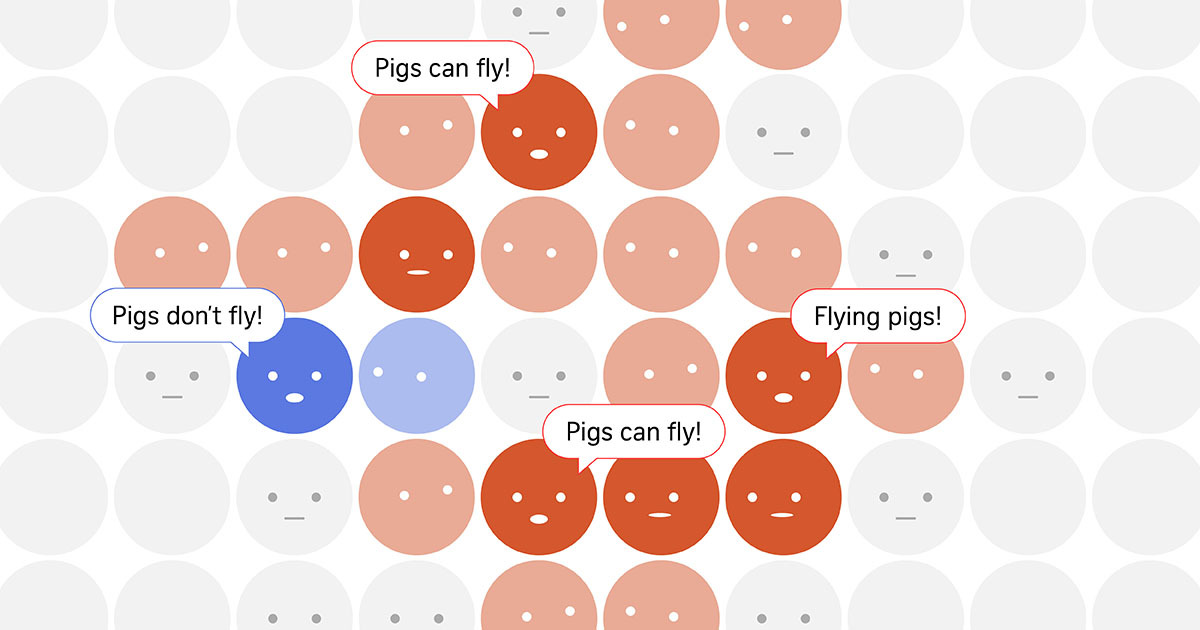
Researchers study fake news the same way they study the spread of disease. When misinformation “goes viral”, it is not just a metaphor. It is what’s actually happening. via @straits_times str.sg/viz-misinformation
AI False Claims Monitor
As the domain experts in data reliability in the topic of news and information, NewsGuard provides the leading red-teaming analysis for information reliability. AI models continue to face significant challenges in ensuring their models provide safe, accurate responses to prompts instead of spreading false claims on the internet or refusing to respond to topics in the news.

Ground News
The biggest source for breaking news around the world. Compare headlines across the political spectrum using media bias ratings driven by data.

The social media context interferes with truth discernment
Simply considering whether to share news on social media reduces the extent to which people discriminate truth from falsehood.

Research, Attention, and Manipulation
Questionable articles can quietly move into Wikipedia and news outlets without notice.
Fact-Checking False Claims about our Gender Identity Coverage | The New York Times Company
A recent post from Trans News Network included numerous falsehoods about New York Times stories on gender identity and maligned some of the journalists involved in the work. Our coverage is guided by…

Google research shows the fast rise of AI-generated misinformation | CBC News
From fake images of war to celebrity hoaxes, AI technology has spawned new forms of reality-warping misinformation online. New analysis co-authored by Google researchers shows just how quickly the problem has grown.

Pink-slime journalism
Pink-slime journalism is a practice in which news outlets, or fake partisan operations masquerading as such, publish (often but not always) lower-quality news reports that appear to be independent local news outlets.[1] The use of these websites to gather user data has also been observed.[2][3][4] The reports are either computer-generated or written by poorly-paid outsourced writers, sometimes using pen names.[3][5][6]
When everything is news, nothing is news
Thoughtlessly repeating PR talking points and sharing guesswork as rumor is creating a trust problem.


Google Researchers Say AI Now Leading Disinformation Vector (and Are Severely Undercounting the Problem)
It’s much easier to produce AI-generated disinformation than it is to fact check it.

Media Bias/Fact Check News
We are the most comprehensive media bias resource on the internet. There are currently 3900+ media sources listed in our database and growing every day.