

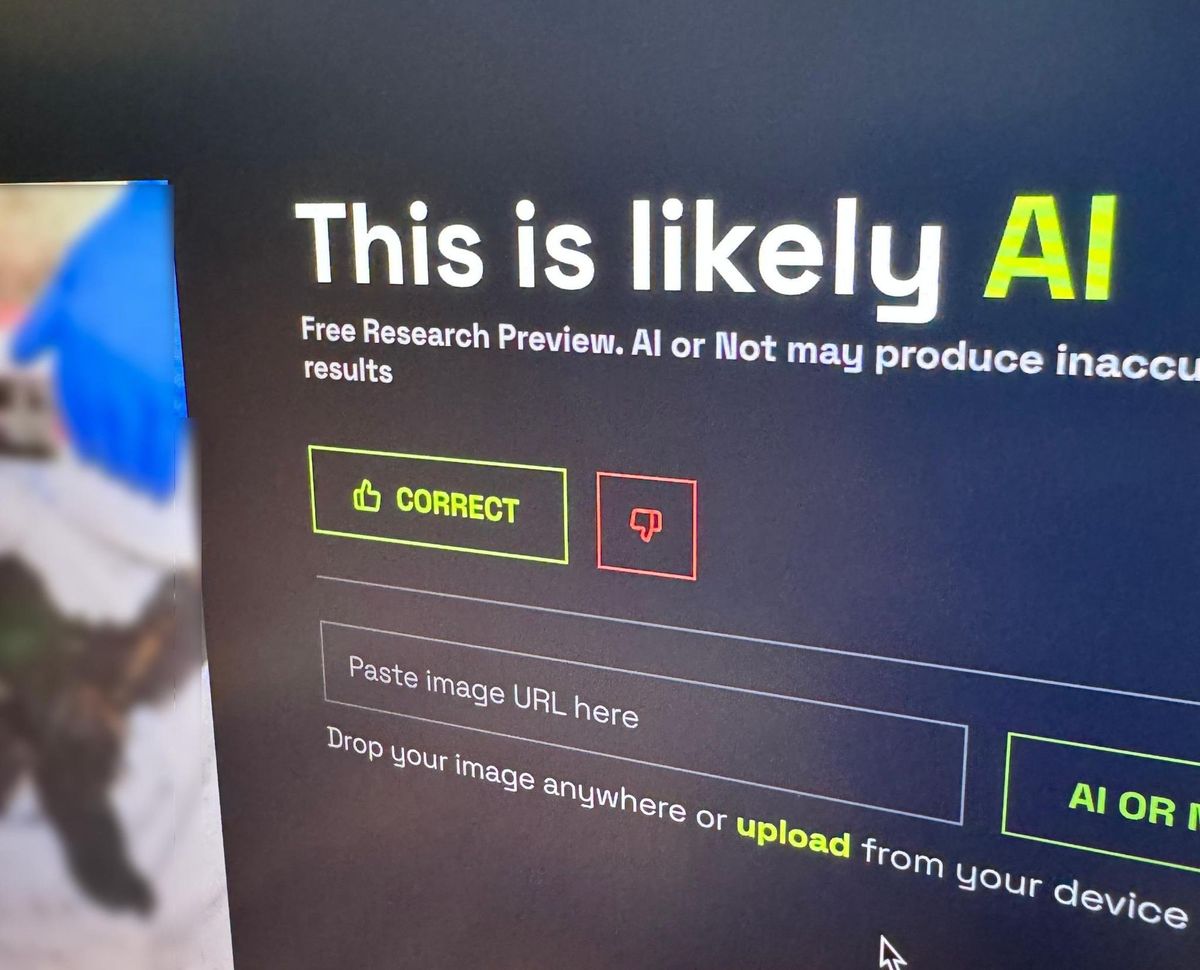
Online AI image detecting tools that may or may not work are labeling real photographs from the war in Israel and Palestine as fake, creating what a world leading expert called a “second level of disinformation.”
AI Fakes Spread Disinformation. Is the Distrust They Create Even Worse?
Manipulated images undermine our shared reality—and the democracy built upon it.

ImageWhisperer — AI Image Detector
Upload an image. Get the investigation. 41 checks, one verdict, plain-language evidence. By Henk van Ess.
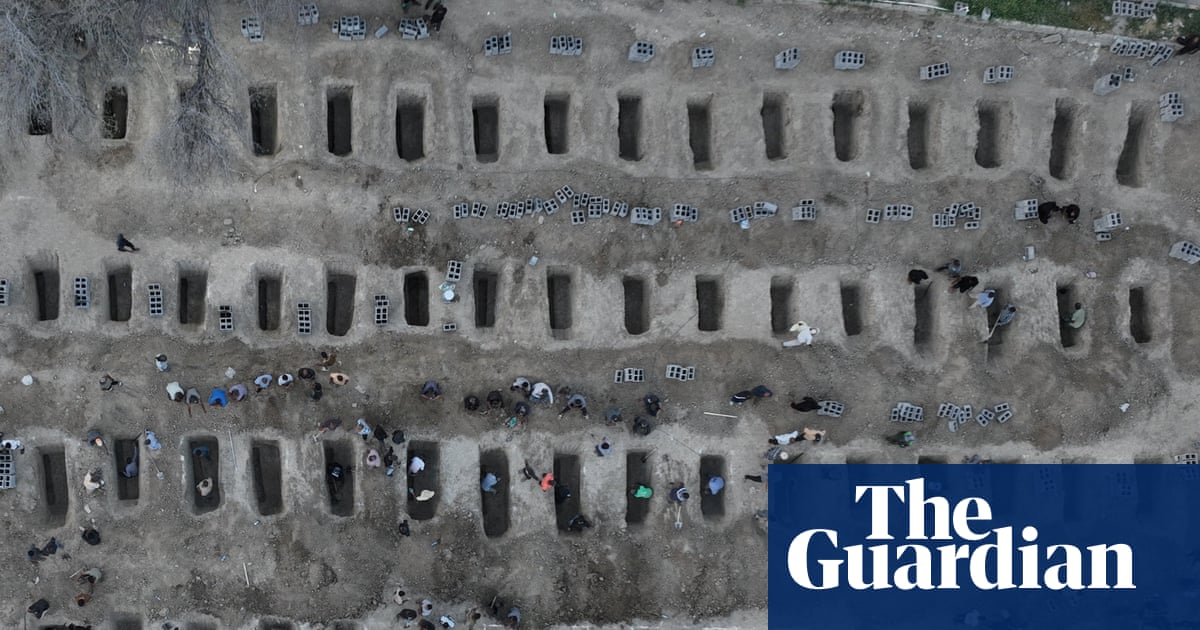
A photo of Iran’s bombed schoolgirl graveyard went viral. Why did AI say it wasn’t real?
Numerous faked images and a string of startlingly inaccurate responses from Gemini and Grok are part of a tidal wave of AI slop engulfing coverage of the Iran war
Google research shows the fast rise of AI-generated misinformation | CBC News
From fake images of war to celebrity hoaxes, AI technology has spawned new forms of reality-warping misinformation online. New analysis co-authored by Google researchers shows just how quickly the problem has grown.

How to tell if an image is AI-generated
Scammers are using AI-generated images to make fake stories more convincing. Here's how to separate real from fake.

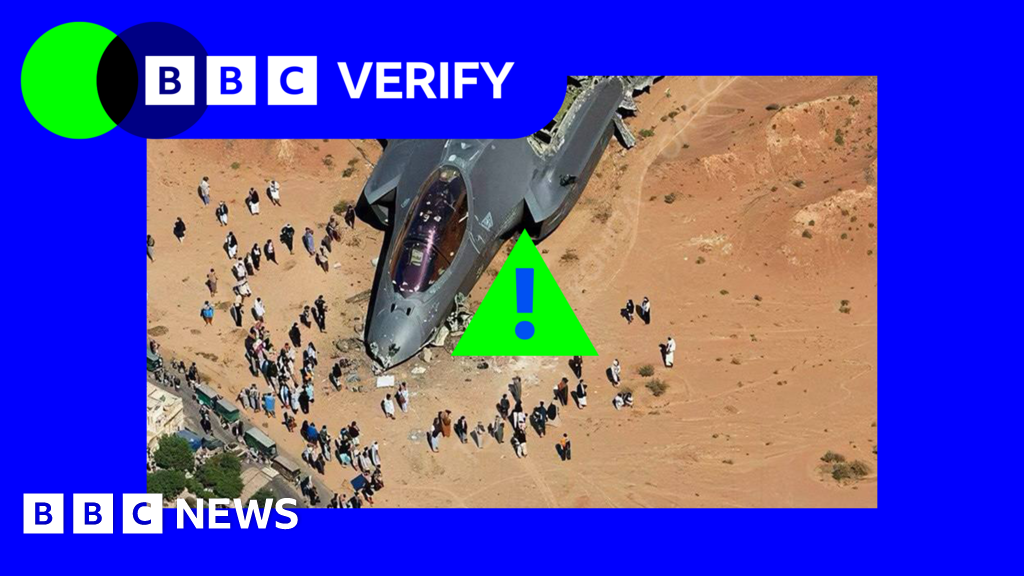
Israel-Iran conflict unleashes wave of AI disinformation
Fake AI videos relating to the conflict have gained over 100 million views online, BBC Verify finds.
What AI can't fake about the real world (yet)
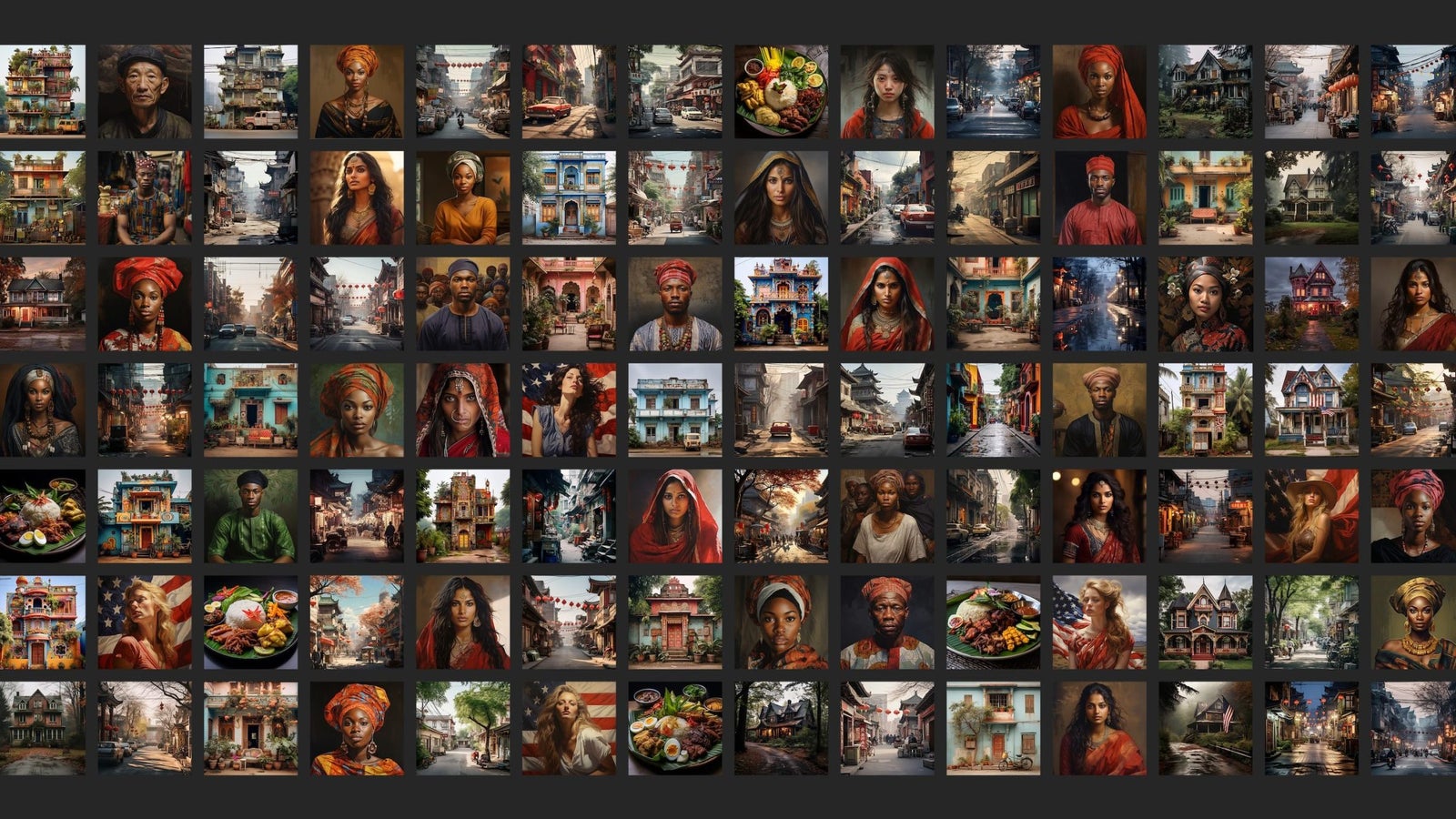
How AI reduces the world to stereotypes
Rest of World analyzed 3,000 AI images to see how image generators visualize different countries and cultures.
AI Tools Like Google Gemini Are Tailor Made for Culture War
Google’s new image generator is yet another half-baked AI tool that is practically designed to provoke controversy.

Identifying AI-generated images with SynthID
Today, in partnership with Google Cloud, we’re beta launching SynthID, a new tool for watermarking and identifying AI-generated images. It’s being released to a limited number of Vertex AI customers using Imagen, one of our latest text-to-image models that uses input text to create photorealistic images. This technology embeds a digital watermark directly into the pixels of an image, making it imperceptible to the human eye, but detectable for identification. While generative AI can unlock huge creative potential, it also presents new risks, like creators spreading false information — both intentionally or unintentionally. Being able to identify AI-generated content is critical to empowering people with knowledge of when they’re interacting with generated media, and for helping prevent the spread of misinformation.

Briefing: X handed fact-checking to the crowd. Then it became the crowd.
Plus: A new image analysis tool and a list of companies selling AI training data.

Child Predators Turn to Open-Source AI to Make Unlimited Illegal Images
Open-source AI tools are fueling a rise in explicit child sexual images, and current laws are ill-equipped to stop it

An AI-Generated Content Empire Is Spreading Fake Celebrity Images on Google
A ring of websites using AI and run by an aspiring movie star are behind fake celebrity images featured in Google results, Motherboard found.

People are trying to claim real videos are deepfakes. The courts are not amused
The unleashing of powerful, generative AI on the public is raising concerns that as the technology becomes more prevalent, it will become easier to claim that anything is fake.
‘Lavender’: The AI machine directing Israel’s bombing spree in Gaza
The Israeli army has marked tens of thousands of Gazans as suspects for assassination, using an AI targeting system with little human oversight and a permissive policy for casualties, +972 and Local Call reveal.

New from 404 Media: Google Earth has introduced an AI feature that lets anyone fabricate completely bullshit satellite images. In our own tests, we added a “bomb blast and crater” to an area of Los Angeles. This is a misinformation time bomb, will 100% be abused 404media.co/google-earths-new-ai-lets-any…
