

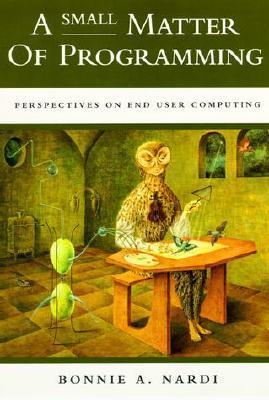
A Small Matter of Programming asks why it has been so d…
End-user Programming
A vision for empowered computing that reaches back forty years. Our research lab examines why it has been so hard to achieve.
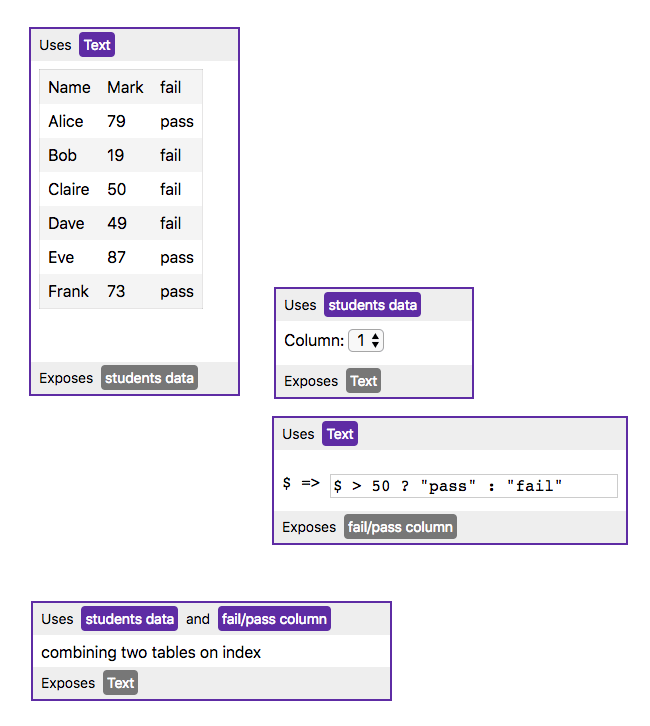
Things end users care about but programmers don't
A list of things I've noticed are important for end users but hard for programmers to understand or implement
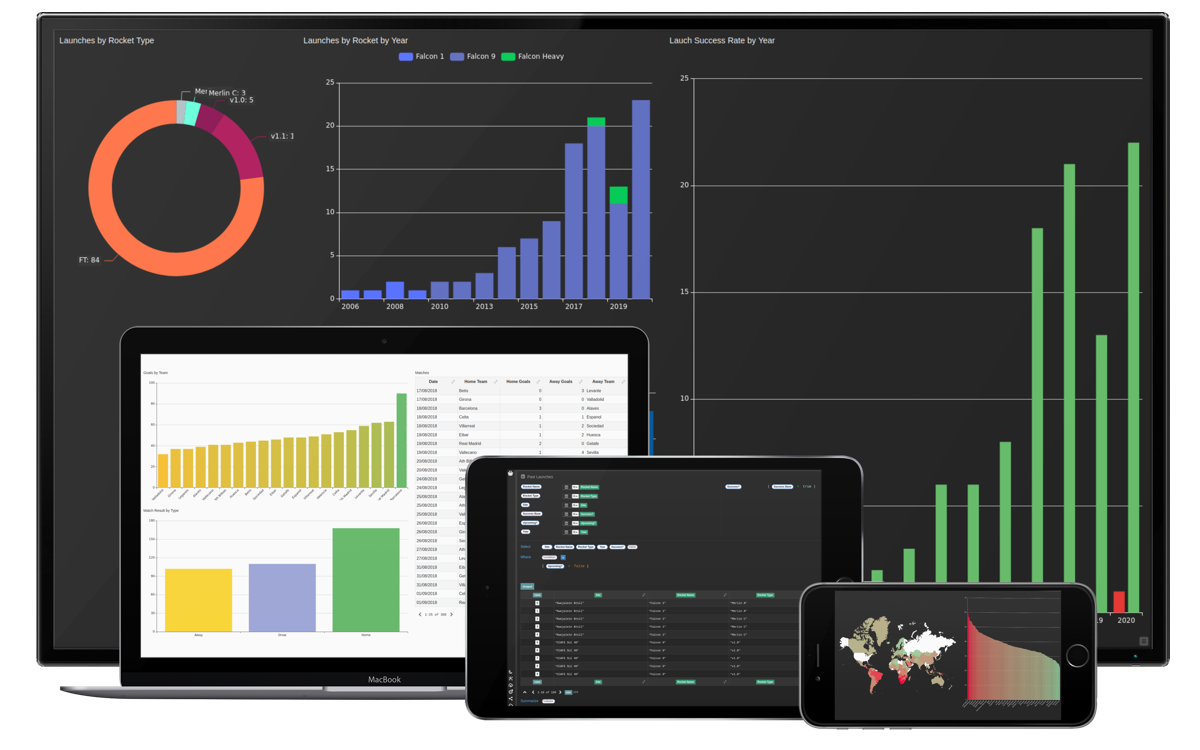
Coding After Coders: The End of Computer Programming as We Know It - …
archived 16 Mar 2026 15:14:04 UTC

The state of the art in end-user software engineering
Most programs today are written not by professional software developers, but by people with expertise in other domains working towards goals for which they need computational support. For example, a teacher might write a grading spreadsheet to save time grading, or an interaction designer might use an interface builder to test some user interface design ideas. Although these end-user programmers may not have the same goals as professional developers, they do face many of the same software engineering challenges, including understanding their requirements, as well as making decisions about design, reuse, integration, testing, and debugging. This article summarizes and classifies research on these activities, defining the area of End-User Software Engineering (EUSE) and related terminology. The article then discusses empirical research about end-user software engineering activities and the technologies designed to support them. The article also addresses several crosscutting issues in the design of EUSE tools, including the roles of risk, reward, and domain complexity, and self-efficacy in the design of EUSE tools and the potential of educating users about software engineering principles.

Coding After Coders: The End of Computer Programming as We Know It
In the era of A.I. agents, many Silicon Valley programmers are now barely programming. Instead, what they’re doing is deeply, deeply weird.

Coding After Coders: The End of Computer Programming as We Know It
In the era of A.I. agents, many Silicon Valley programmers are now barely programming. Instead, what they’re doing is deeply, deeply weird.
Feeling of Computing
Feeling of Computing is an online community with a welcoming, cooperative, and revolutionary spirit. We are unified in the belief that the computer is tragically less humane than it could be. There’s a world of possibilities that get more beautiful the further away from the norm you go. We’re here to explore this world together, to discuss ideas about theory and practice, and to champion and support our members’ research and development efforts to reimagine the computer.
Feeling of Computing — Conversations
Its Time for a New Programming Language
Today, when compared to any other point in programming history, we find ourselves spoiled for choice when it comes to programming…
Alexander Obenauer
Exploring new and renewed ideas for how personal computing and the interfaces we think with can better serve people’s lives – expanding opportunity, agency, curiosity, and creativity.
Denicek: Computational Substrate for Document-Oriented End-User Programming
As part of the Digital Library's transition to Open Access, new features for researchers are available in the Premium Edition. Click here to learn more.

Mark Bernstein: NeoVictorian Computing
This page holds a variety of notes about the craft of software design by Tinderbox designer Mark Bernstein, originally written for a plenary lecture at OOPSLA. We are accustomed to viewing software as a means to an end, a mass-produced industrial tool that ought to be beneath our notice. We are told that software ought to be intuitive, invisible, and free. This is wrong.
Basic | The Personal Computing Platform
We build products, tools, and standards to make computers more personal.

Where Did Software Go Wrong? | Jesse Li
Software is broken, but it's not because of NPM, startups, AI, or venture capitalists. A deep dive into how we think about and produce code, and how our software systems reflect the manic state of the modern world.
Convivial design heuristics for software systems
The theme of this workshop is the proliferation of ideas about calling into question the cultural roots of our current programming languages, and the search for alternative paradigms with other cultural bases.