Understanding the risk from applications of artificial intelligence (AI) is a critical part of creating AI governance strategies. Building on the idea of studying AI using ecological and evolutionary perspectives, we propose a novel approach for assessing risk from AI using indicators derived from theoretical ecology models. We illustrate our methods by deriving 3 indicators from population and ecosystem models originating from theoretical ecology. We conclude with a discussion of limitations of our analysis and considerations for improving AI governance policy.
Ecology is not yet ready for AI—and why that matters
Ecology is not yet ready for AI—and why that matters

On the Extinction Risk from Artificial Intelligence
In this report, RAND researchers examine the threat of human extinction posed by artificial intelligence (AI). Using a scenario-based analysis to evaluate three technologies — nuclear weapons, pathogens, and geoengineering — they found that it would be immensely challenging for AI to create an extinction threat, although they could not rule out the possibility. They identify risk indicators and make recommendations to mitigate future risk.


Environmental Cost of Artificial Intelligence: Carbon, Water, and Land Footprints
AI’s rapid growth drives huge energy, water, and land use, raising environmental and equity challenges across its global infrastructure.
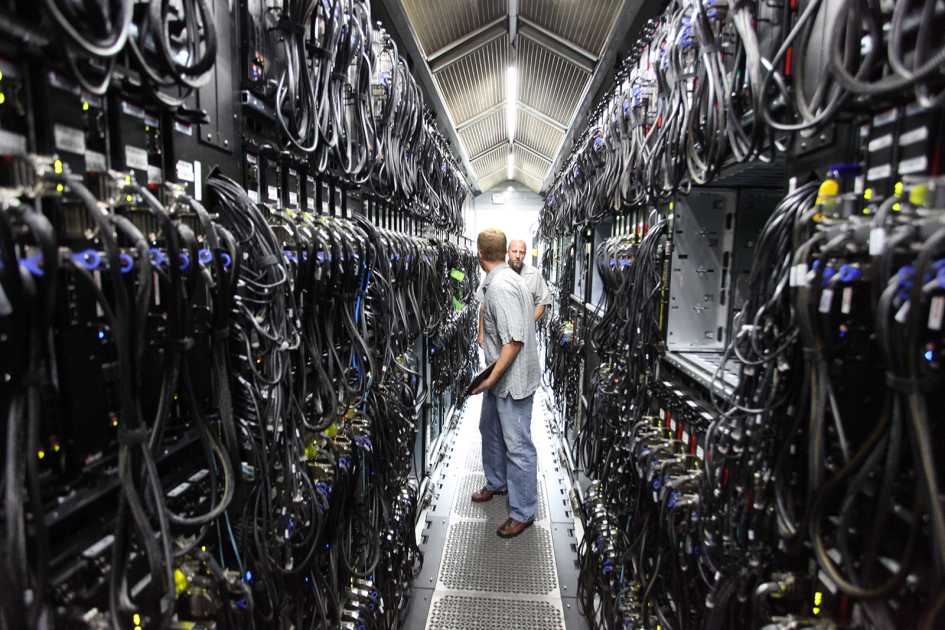
Environmental Cost of Artificial Intelligence: Carbon, Water, and Land Footprints
AI’s rapid growth drives huge energy, water, and land use, raising environmental and equity challenges across its global infrastructure.
Do AI Risks Require Extraordinary Government Intervention?
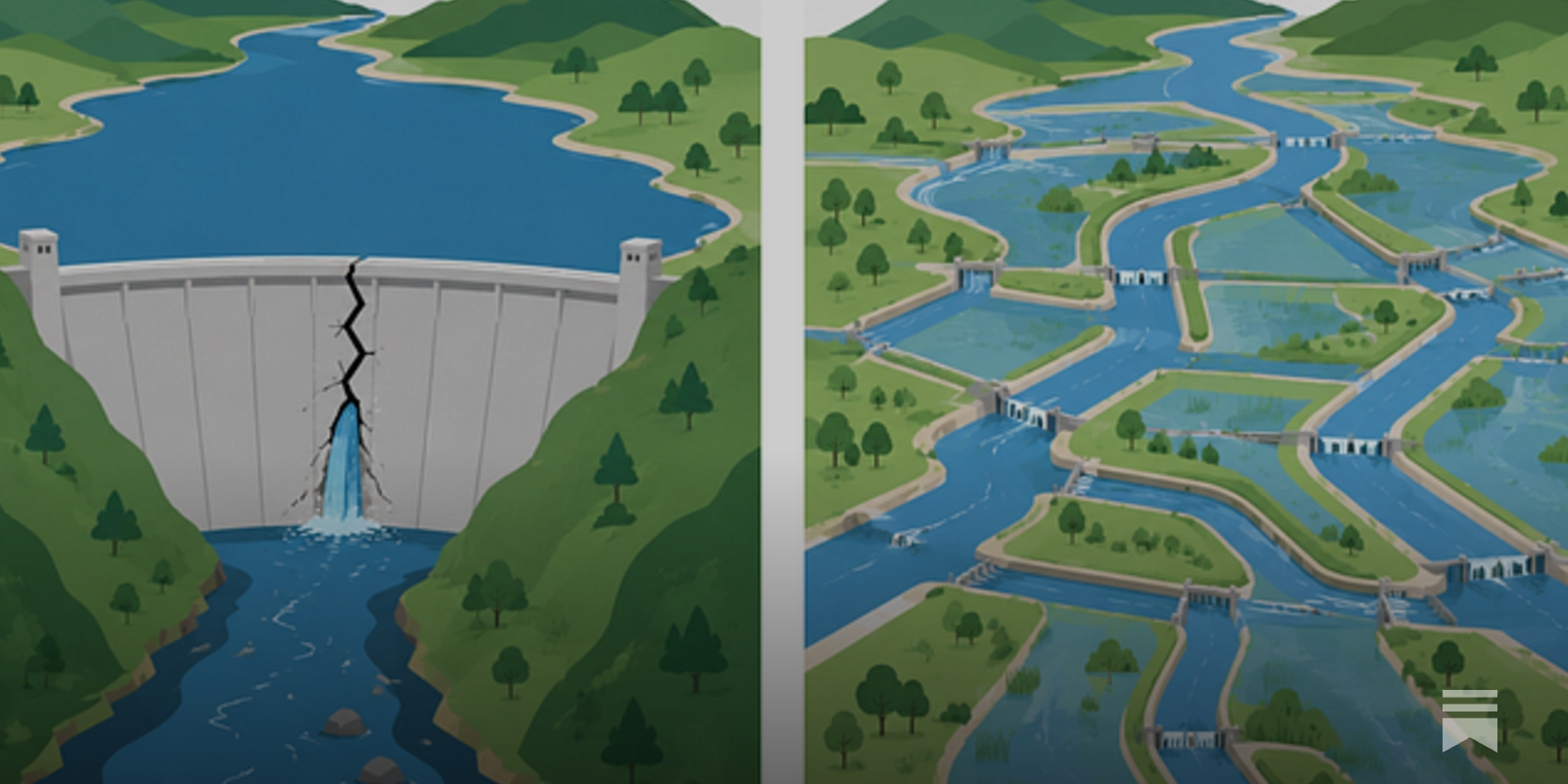
Let’s not skip the hard work of AI governance

AI Researchers On AI Risk
I first became interested in AI risk back around 2007. At the time, most people’s response to the topic was “Haha, come back when anyone believes this besides random Internet crackpots.…

Rescuing Democracy From The Quiet Rule Of AI
Our gravest AI risk isn’t runaway superintelligence but our cultural readiness to surrender collective judgment to algorithmic systems.

Artificial Intelligence Safety and Security License Requirements
Artificial Intelligence Safety and Security License Requirements Artificial Intelligence (AI) is now broadly capable, which can produce both benefits and dangers. AI will hasten the design and proliferation of bioweapons, cyberweapons, nuclear weapons, progressively more general intelligence,...

AI for Science & Safety Nodes - Request for Proposals
Artificial intelligence is accelerating the pace of discovery across science and technology. But today’s AI ecosystem risks centralizing compute, talent, and decision-making power – concentrating capabilities in ways that could undermine both innovation and safety.

AI FOR EPISTEMICS & COORDINATION
Civilization and technology have radically improved the human condition. Nonetheless, the world sometimes goes in directions which essentially nobody would prefer — e.g., nuclear arms races, unexpected financial crashes, predatory marketing, or ubiquitous political misinformation.
People know AI is risky. They just don’t know what to do about it. | TrendLife Blog
New international research from TrendLife reveals a wide gap between AI adoption and awareness of AI-powered threats.
AI’s climate impact is much smaller than many feared
New findings challenge the widespread belief that AI is an environmental villain. By analyzing U.S. economic data and AI usage across industries, researchers discovered that AI’s energy consumption—while significant locally—barely registers at national or global scales. Even more surprising, AI could help accelerate green technologies rather than hinder them.

Who decides when AI is too dangerous?
Anthropic asked for AI regulation, but not like this.

The risks of advanced AI
Could working on AI risks be the highest-impact career choice today? Explore why AI may trigger rapid, dramatic societal change — and what you can do about it.