The hype around a new AI language generator reveals the sterility of mainstream thinking on AI today — and indeed on how we think about thinking itself.
The stupidity of AI
The long read: Artificial intelligence in its current form is based on the wholesale appropriation of existing culture, and the notion that it is actually intelligent could be actively dangerous
Machine god metaphors eat your brain
There are other ways of thinking about AI
The Impact of Artificial Intelligence on Human Thought
This research paper examines, from a multidimensional perspective (cognitive, social, ethical, and philosophical), how AI is transforming human thought. It highlights a cognitive offloading effect: the externalization of mental functions to AI can reduce intellectual engagement and weaken critical thinking. On the social level, algorithmic personalization creates filter bubbles that limit the diversity of opinions and can lead to the homogenization of thought and polarization. This research also describes the mechanisms of algorithmic manipulation (exploitation of cognitive biases, automated disinformation, etc.) that amplify AI's power of influence. Finally, the question of potential artificial consciousness is discussed, along with its ethical implications. The report as a whole underscores the risks that AI poses to human intellectual autonomy and creativity, while proposing avenues (education, transparency, governance) to align AI development with the interests of humanity.

My Thoughts on AI, Part 1: Fears, Opinions, and Mental Journey
My own personal thoughts and opinions on AI effects and usage, and how those have evolved over time

Agentic AI and the next intelligence explosion
For decades, the artificial intelligence (AI) “singularity” has been heralded as a single, titanic mind bootstrapping itself to godlike intelligence, consolidating all cognition into a cold silicon point. But this vision is almost certainly wrong in its most fundamental assumption. If AI development follows the path of previous major evolutionary transitions or “intelligence explosions,” our current step-change in computational intelligence will be plural, social, and deeply entangled with its forebears (us!).

Stuff we figured out about AI in 2023
2023 was the breakthrough year for Large Language Models (LLMs). I think it’s OK to call these AI—they’re the latest and (currently) most interesting development in the academic field of …
How we use AI at Stalwart
It is difficult to have a conversation about software in 2026 without AI showing up in it. Two years ago the interesting question was…
The Age of Wonders and Terrors
Twenty years ago, when the idea of AI taking over the world in our lifetimes still struck most of us as the unconstrained fantasy of those who knew too much science fiction and too little science, …

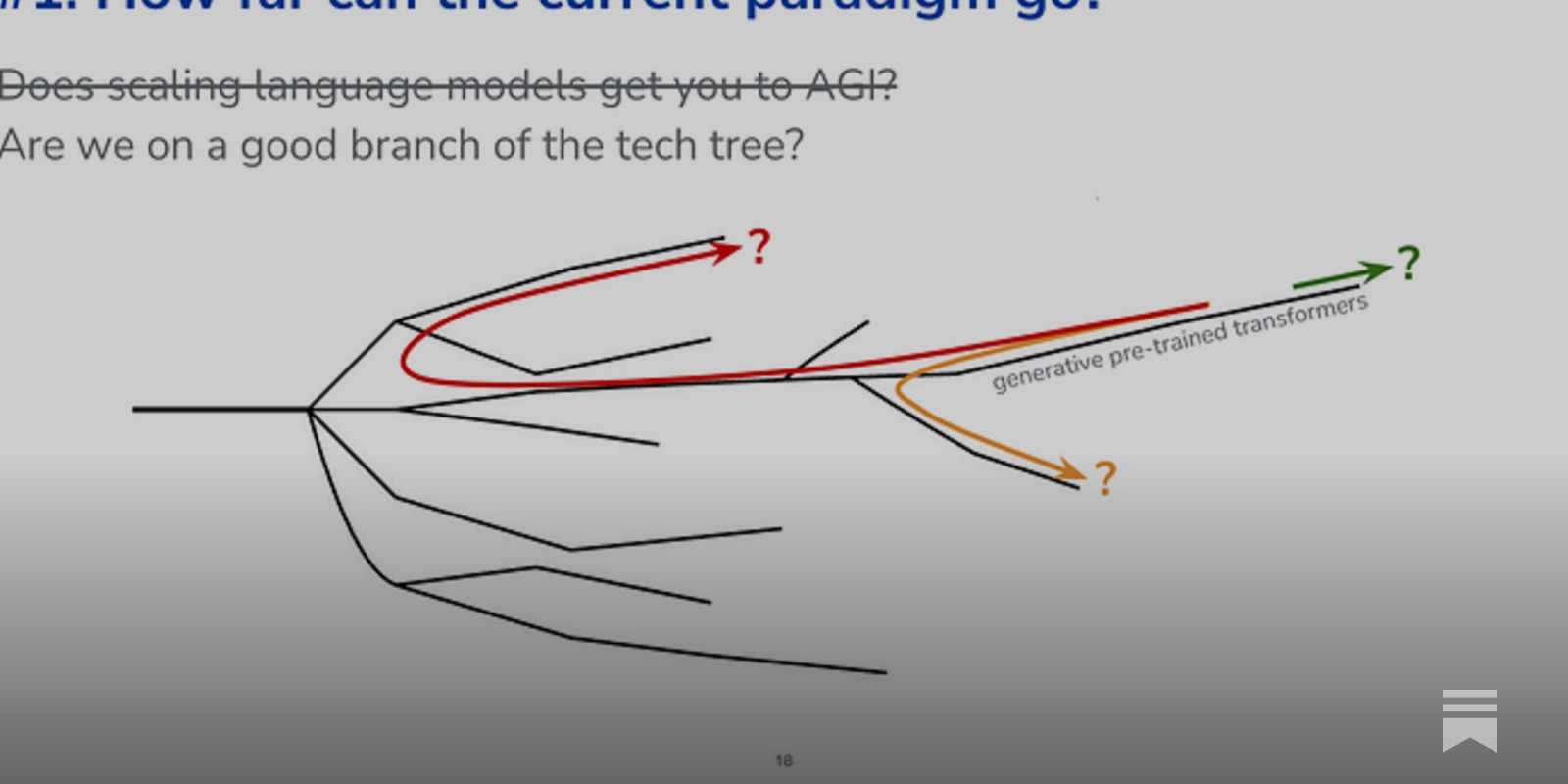
Unresolved debates about the future of AI
How far the current paradigm can go, AI improving AI, and whether thinking of AI as a tool will keep making sense
AI is turning research into a scientific monoculture
Generative AI deserves scientific attention. But the rush to study it is producing a feedback loop of topical and methodological convergence, flattening scientific imagination and crowding out the pluralism needed to keep research adaptive, resilient, and intellectually generative.

More Than a Tool
What We Learned from a Year of Conversations About AI
The Scaling Era: An Oral History of AI, 2019–2025
An inside view of the AI revolution, from the people an…
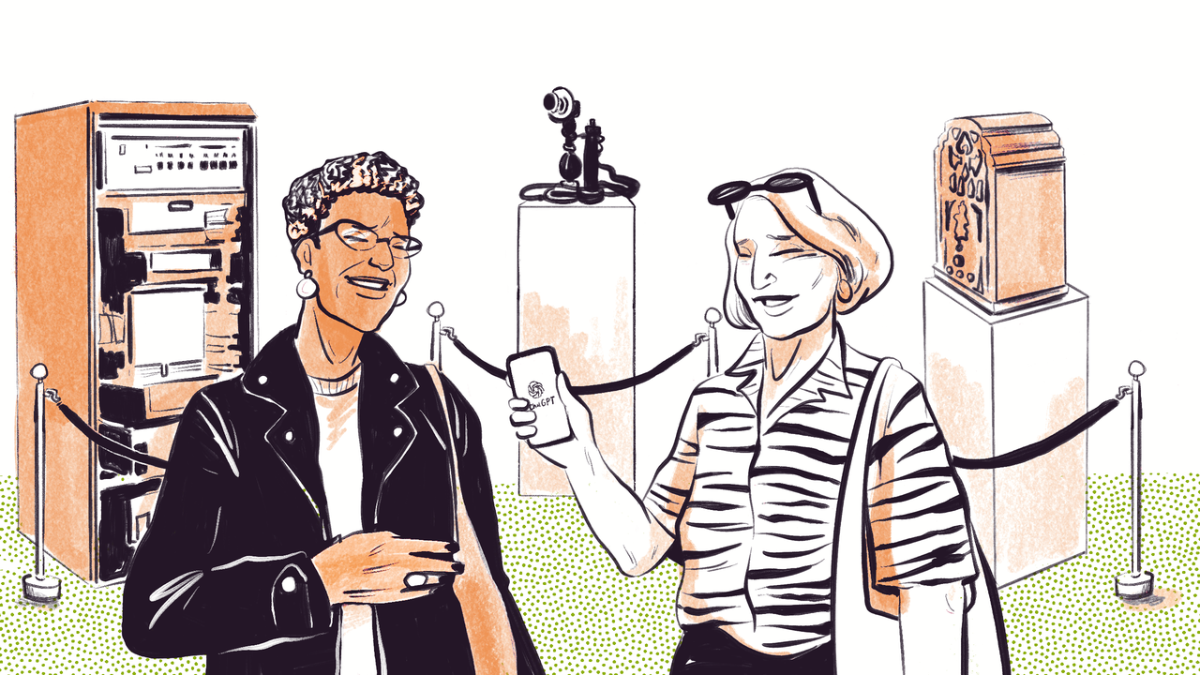
We Need to Talk About How We Talk About 'AI'
We share a responsibility to create and use empowering metaphors rather than misleading language, write Emily M. Bender and Nanna Inie.
The growing backlash against AI
While the crowd at sxsw2024 booing a sizzle reel of people either promising the beauty of the future "AI" will bring or claiming it to be "without alternative" is funny and went viral for all the right reasons, this event speaks to a deeper shift in perception. #ai #genAI #luddism

The AI people have been right a lot
Try to keep an open mind as the world gets increasingly wild.