

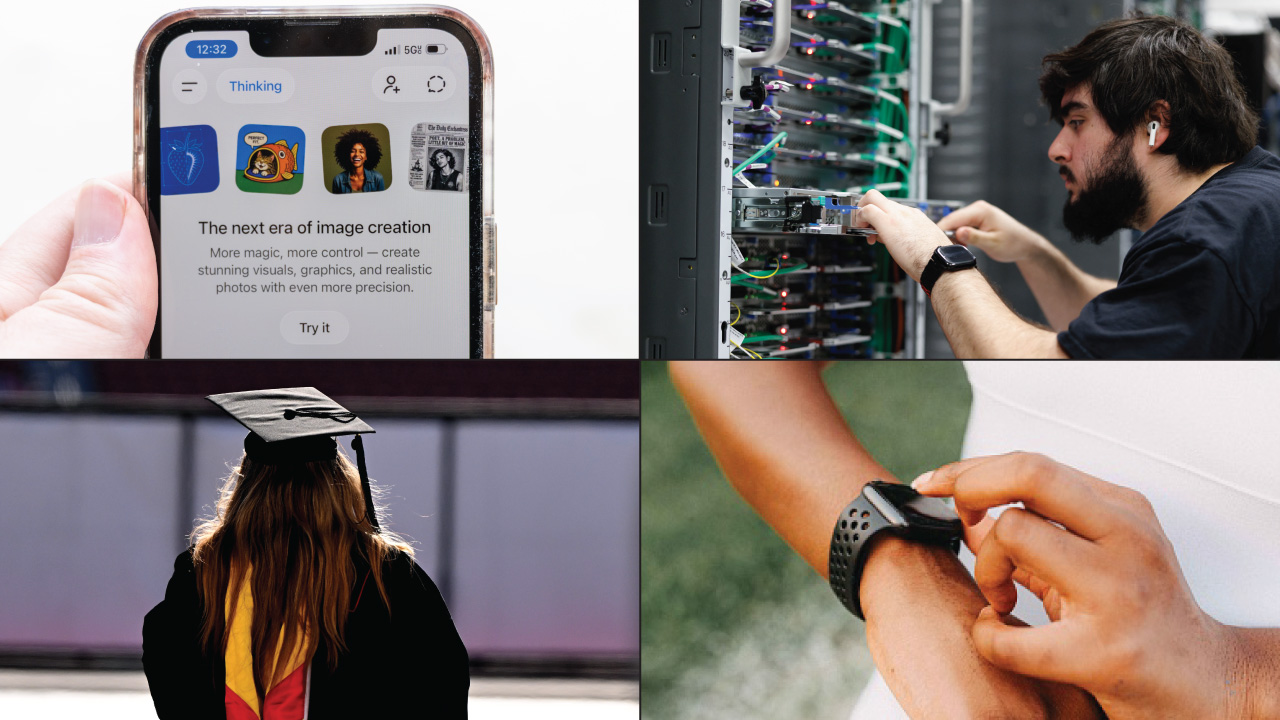
More Americans are using chatbots, and some are adopting AI summaries and smart speakers. But views about AI and how fast it’s advancing tilt negative – even for younger adults.
Just 16% of Americans Believe AI Will Positively Impact Society, Pew Poll Finds
Half of Americans now use AI chatbots, up from 33% in the summer of 2024.

Racial and ethnic differences in how US adults use and view AI
Asian Americans are most likely to say they use chatbots and that they’ve heard a lot about these tools.
The use of AI chatbots for news is on the rise — but not everywhere
Countries where people already rely more heavily on search engines, social and video networks, and aggregators for news also tend to have higher levels of AI chatbot use for news.

AI chatbots are sycophants — researchers say it’s harming science
Nature asked researchers who use artificial intelligence how its propensity for people-pleasing affects their work — and what they are doing to mitigate it.

AI chatbots are sycophants — researchers say it’s harming science
Nature asked researchers who use artificial intelligence how its propensity for people-pleasing affects their work — and what they are doing to mitigate it.
Americans are increasingly concerned about AI exacerbating mental health problems
One in 10 Americans (10%) say they definitely (2%) or probably (8%) could form a deep emotional bond with an AI chatbot companion.
How US adults are using AI, according to AP-NORC polling
A new poll finds most Americans say they've used artificial intelligence to search for information. But it's younger adults who appear to be the generation leaning the most into AI, with many using it for brainstorming and work tasks.
How Americans View AI and Its Impact on Human Abilities, Society
Americans are worried about using AI more in daily life, seeing harm to human creativity and relationships. But they’re open to AI use in weather forecasting, medicine and other data-heavy tasks.

AI is teaching us to speak like bots, and it’s a problem - Fast Company
AI is creeping into our everyday conversations, making us less patient and teaching us to 'prompt' others instead of talking to them.
What do Britons think AI chatbots are good at?
Britons see chatbots like ChatGPT and DeepSeek as good at sums, style and general knowledge, but think they would be bad at tackling emotional issues
An Alarming Number of Gen Z AI Users Think It's Conscious
The majority of young people use AI, and they try to be polite when interacting with chatbots like ChatGPT, but some might have too much of an attachment to it, according to a new study.


Comparing U.S. and global attitudes toward AI
Five charts on how Americans feel about the current and future impact of AI on society, and how Americans’ views on the technology stack up against the rest of the world

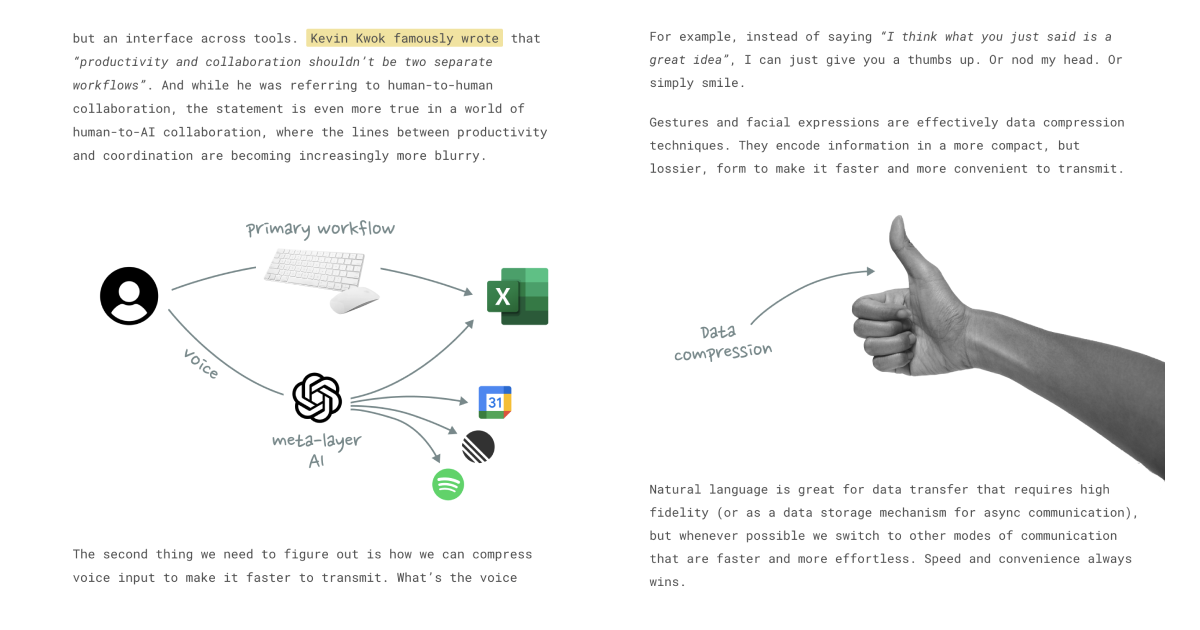
The case against conversational interfaces
Conversational interfaces are a bit of a meme. Every couple of years a shiny new AI development emerges and people in tech go "This is it! The next computing paradigm is here! We'll only use natural language going forward!". But then nothing actually changes and we continue using computers the way w
Do You Speak ChatGPTese? Beyond Writing, AI Is Also Flattening The Way We Talk
A study of hundreds of thousands of YouTube videos and podcasts reveals that AI isn’t just changing how we write, it’s subtly altering our spoken language too, raising new concerns about cultural homogenization and who controls the words we use. A study of hundreds of thousands of lectures and podcasts reveals that AI isn’t just changing how we write, it’s subtly altering our spoken language too, raising new concerns about cultural homogenization and who controls the words we use.
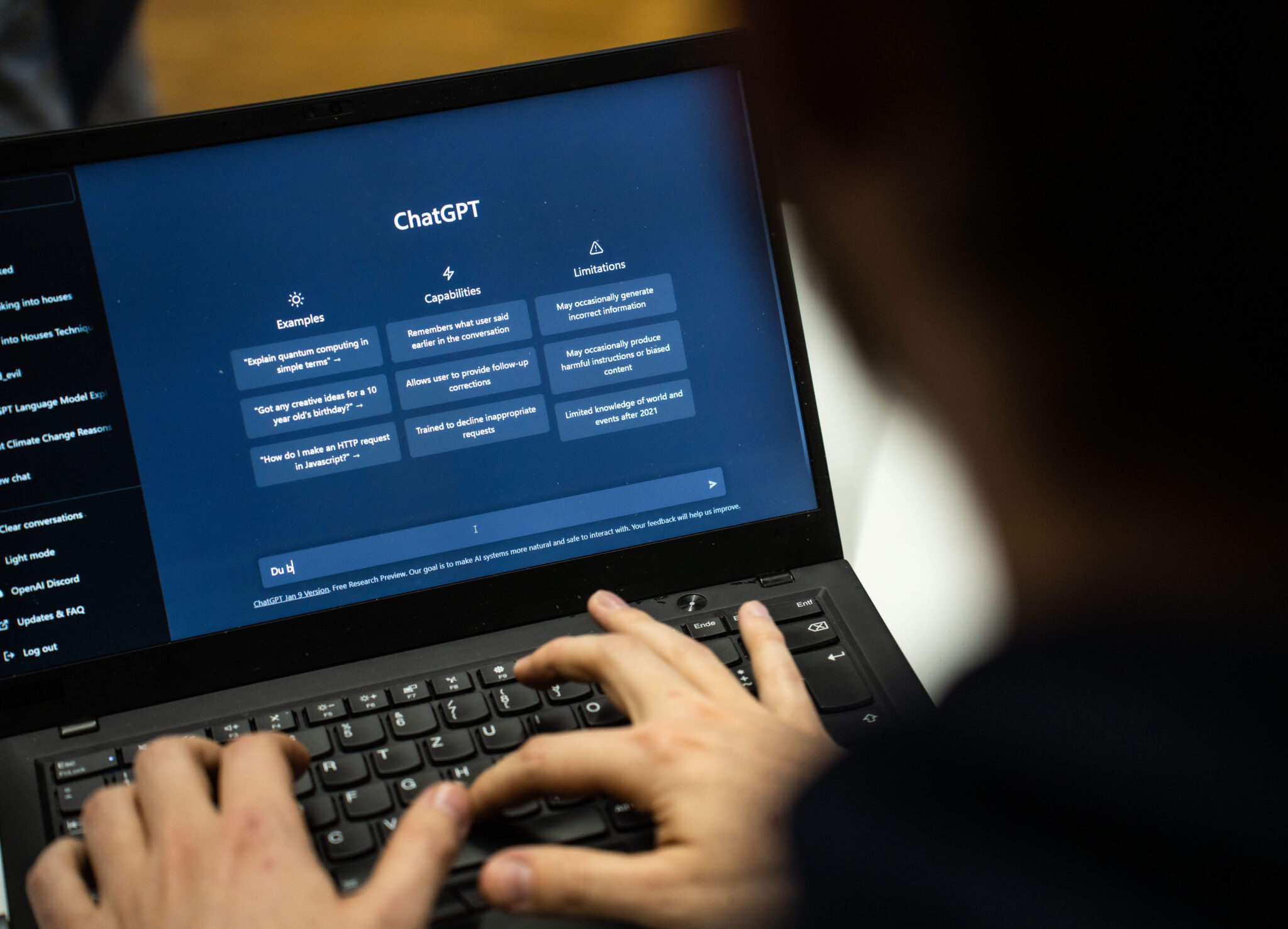
Ryan Singer on Twitter / X
Tools like Cursor hint at where AI-driven user interfaces are going. Chat is only 10%. Most of the output (and UI) is a domain-specific representation of the state of the work.In the case of AI coding, 90% of what you're looking at and thinking about is the IDE, the diffs, the… pic.twitter.com/z0nTUx4WnM— Ryan Singer (@rjs) June 13, 2025
