


Anthropic asked for AI regulation, but not like this.
The Age Of Artificial Intelligence: 73% Concerned About Potential Threat To Human Survival, Quinnipiac University Poll On AI Finds; 86% Support Independent Safety Standards For AI Companies | Quinnipiac University Poll
"The results show a clear theme about the fear of harm coming from AI and its users. More people expect AI to do more harm than good in their day-to-day lives, and while there are significant concerns about future AI threatening humans, Americans are much more worried about AI being used by people to do harm to others," said Brian O'Neill, Ph.D., Associate Professor of Computer Science and Associate Dean, Quinnipiac University School of Computing and Engineering.
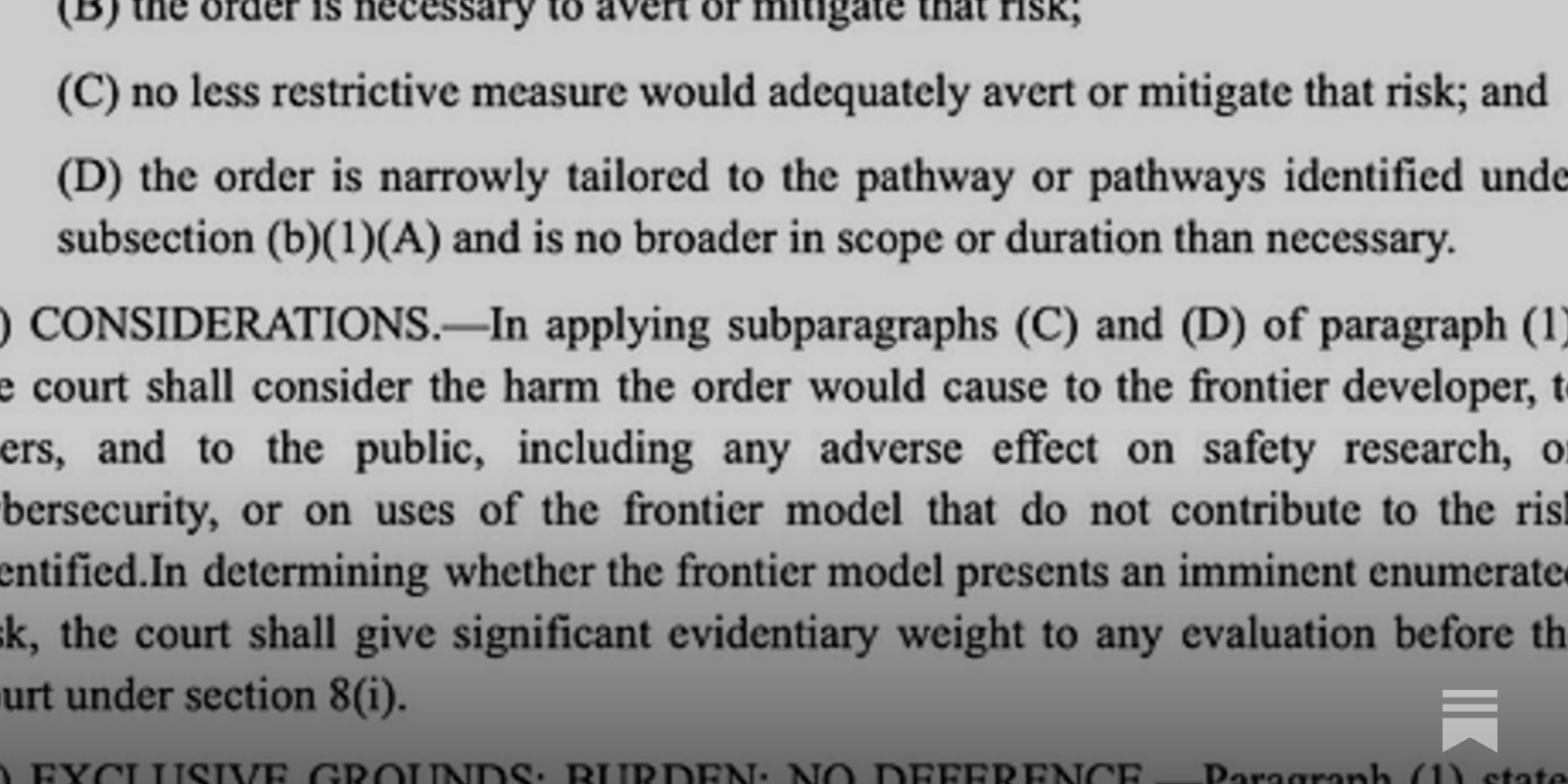
Anthropic quietly pitches its own AI safety bill to lawmakers
The draft proposal would limit the circumstances in which the government could block the release of an advanced model and preempt some state AI safety laws.
Nathan J Robinson on Twitter / X
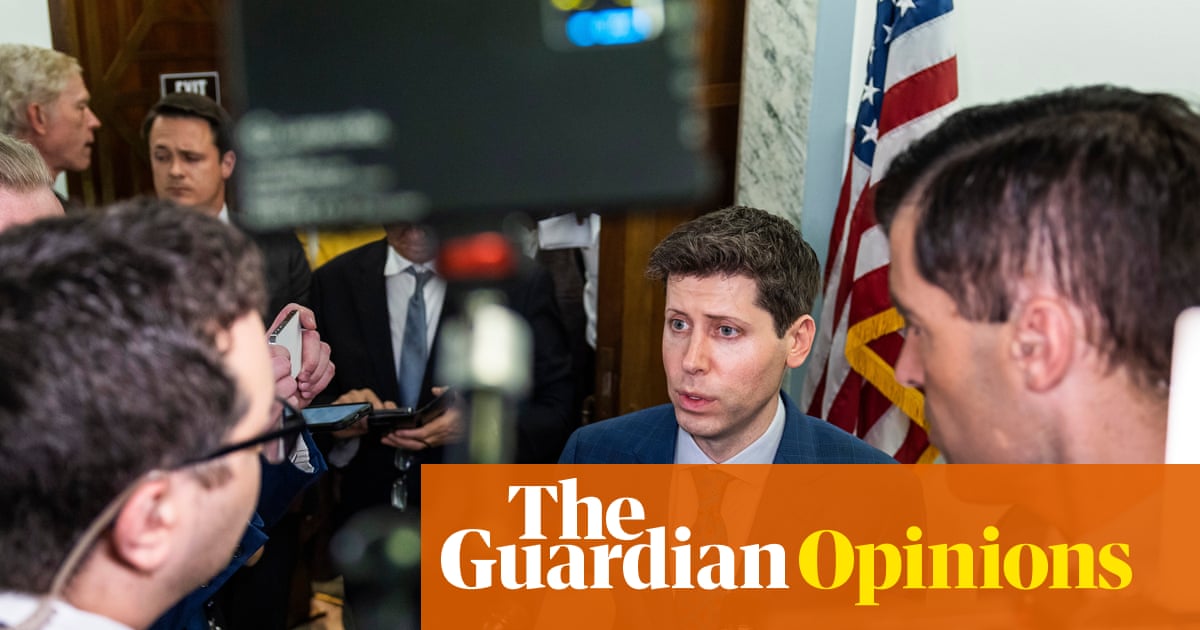
the correct take on the AI risks. not "godlike machine that decides to kill us all" but "machine that makes it much easier for humans to kill one another." from the very sensible @timnitGebru in Wired: https://t.co/wM0ucsN2no pic.twitter.com/vtHQ02my0G— Nathan J Robinson (@NathanJRobinson) September 13, 2026
AI FOR EPISTEMICS & COORDINATION
Civilization and technology have radically improved the human condition. Nonetheless, the world sometimes goes in directions which essentially nobody would prefer — e.g., nuclear arms races, unexpected financial crashes, predatory marketing, or ubiquitous political misinformation.
AI agents pose untold risk to humanity. We must act to prevent that future | David Krueger
The pieces are falling into place for autonomous artificial intelligence. We must stop unregulated development
Humans can coexist with AI. Here’s how.
Some advice for people who are anxious, skeptical — or hoping AI just goes away.

Does the AI Safety Movement Have It All Wrong?
Poll Shows Overwhelming Concern About Risks From AI as New Institute Launches to Understand Public Opinion and Advocate for Responsible AI Policies
Majority of voters don’t trust tech executives to self-regulate their use of AI, 83% of voters believe AI could accidentally cause a catastrophic event, 72% want to slow down AI development and usage, a new survey shows.

Effective Altruism Is Pushing a Dangerous Brand of ‘AI Safety’
This philosophy—supported by tech figures like Sam Bankman-Fried—fuels the AI research agenda, creating a harmful system in the name of saving humanity
Safety Co-Option and Compromised National Security: The Self-Fulfilling Prophecy of Weakened AI Risk Thresholds
Risk thresholds provide a measure of the level of risk exposure that a society or individual is willing to withstand, ultimately shaping how we determine the safety of technological systems. Against the backdrop of the Cold War, the first risk analyses, such as those devised for nuclear systems, cemented societally accepted risk thresholds against which safety-critical and defense systems are now evaluated. But today, the appropriate risk tolerances for AI systems have yet to be agreed on by global governing efforts, despite the need for democratic deliberation regarding the acceptable levels of harm to human life. Absent such AI risk thresholds, AI technologists-primarily industry labs, as well as "AI safety" focused organizations-have instead advocated for risk tolerances skewed by a purported AI arms race and speculative "existential" risks, taking over the arbitration of risk determinations with life-or-death consequences, subverting democratic processes. In this paper, we demonstrate how such approaches have allowed AI technologists to engage in "safety revisionism," substituting traditional safety methods and terminology with ill-defined alternatives that vie for the accelerated adoption of military AI uses at the cost of lowered safety and security thresholds. We explore how the current trajectory for AI risk determination and evaluation for foundation model use within national security is poised for a race to the bottom, to the detriment of the US's national security interests. Safety-critical and defense systems must comply with assurance frameworks that are aligned with established risk thresholds, and foundation models are no exception. As such, development of evaluation frameworks for AI-based military systems must preserve the safety and security of US critical and defense infrastructure, and remain in alignment with international humanitarian law.

Anthropic model takedown fuels warning of ‘ad hoc’ AI regulation
The Trump administration is coming under fire for a directive prompting Anthropic to pull its latest models, and artificial intelligence policy advocates warn the move signals the White House is ta…

Leaked Anthropic Draft AI Regulatory Bill Is Unacceptable and Troubling
There is a newly leaked bill that Anthropic is purportedly shopping around is (if you assume its bugs get fixed).
Most adults think AI is developing too fast - AP-NORC
Eight in 10 think the U.S. government should prioritize protecting U.S. workers and keeping AI under human control.
AI* laws/regulations/safety standards

Specific examples * I’m neither “pro-AI” nor “anti-AI.” I’ve been blocked for being perceived as both. —Actually, I’m honestly more anti-AI than pro-AI thus far, aside from specialized models and specific use cases, but I’m willing to consider information that’s new to me

China has cracked down on AI relationships. Is it ahead of the game?
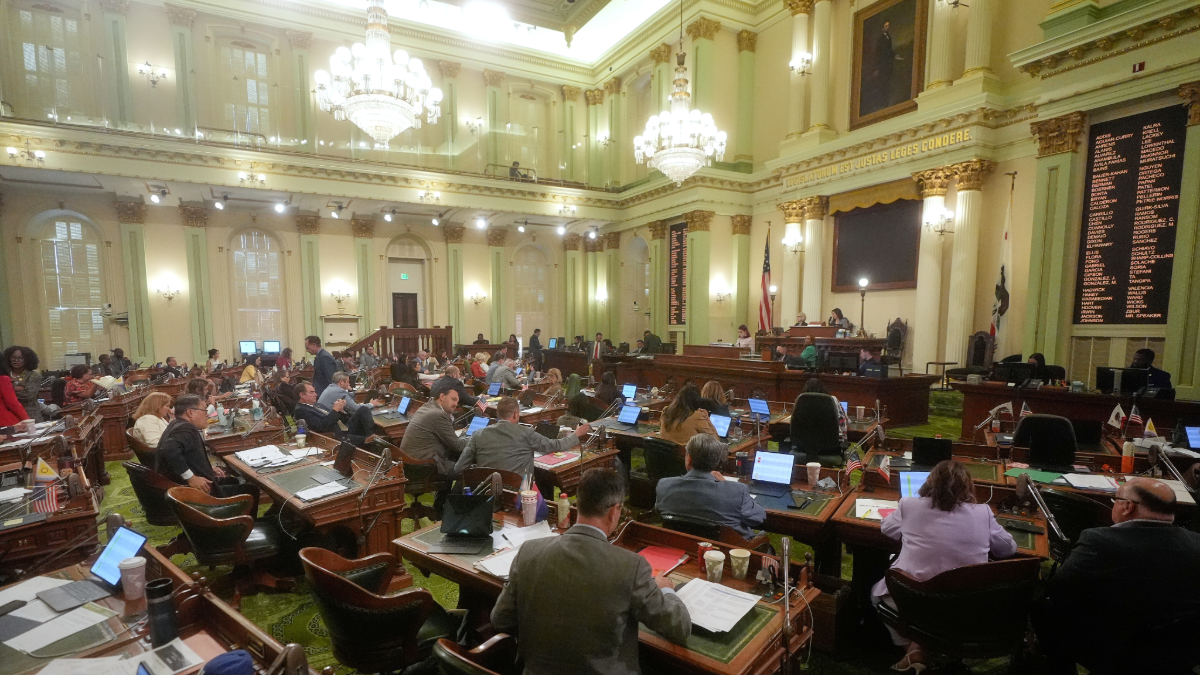
California Leads the Way With New Slate of AI Bills

California enacts laws restricting chatbots and banning teens from ‘addictive’ social media
consultations.tga.gov.au
法務省:肖像、声等の無断利用による民事責任の在り方に関する検討会

声も「人格の象徴」明記、法務省 AI偽動画公開は権利侵害 | NEWSjp
