

January 31, 2025 Haijun Xia, UC San Diego For far too long, we have been stuck with the legacy graphical user interface paradigm: information is treated as static, lifeless data; computation is confined to predefined, rigid commands; and applications are bloated and siloed. Recent AI breakthroughs now enable us to envision entirely new interface paradigms. In my lab, we are exploring the following questions. What is the form of a new interface paradigm? How would our information environment be transformed? What are some of the invariants of interaction that we can grasp to gain clarity of potential effective paradigms? In this talk, I will share a specific paradigm we have been exploring and our approach towards it. About the speaker: Haijun Xia is an Assistant Professor of Cognitive Science and Design at the University of California, San Diego, where he also leads the Foundation Interface Lab. His research focuses on developing dynamic, malleable, and adaptive interfaces that seamlessly blend human cognition with intelligent computation, laying the foundation for future information environments that foster productive and convivial information activities. He holds a bachelor's degree in Computer Science from Tsinghua University, as well as a master and a Ph.D. in Computer Science from the University of Toronto. More about the course can be found here: https://hci.stanford.edu/seminar/ View the entire CS547 Stanford Human-Computer Interaction Seminar playlist: https://www.youtube.com/playlist?list=PLoROMvodv4rMyupDF2O00r19JsmolyXdD ► Check out the entire catalog of courses and programs available through Stanford Online: https://online.stanford.edu/explore
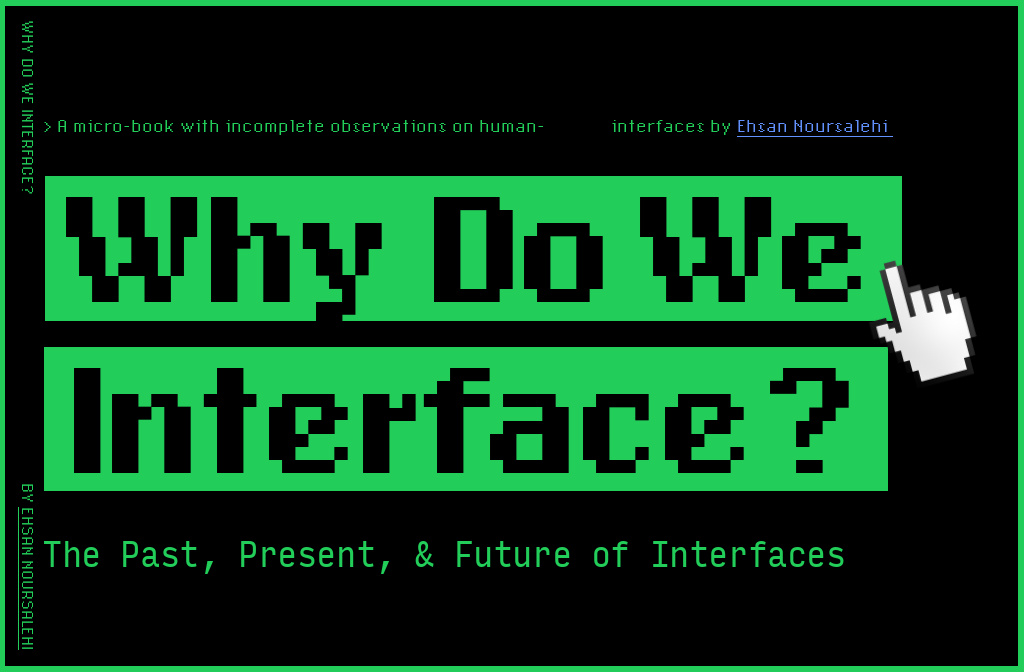
Why Do We Interface?
In this micro book we look at the past, present, and future of interfaces and how they allow us to utilize information in ways that change what it means to be human.
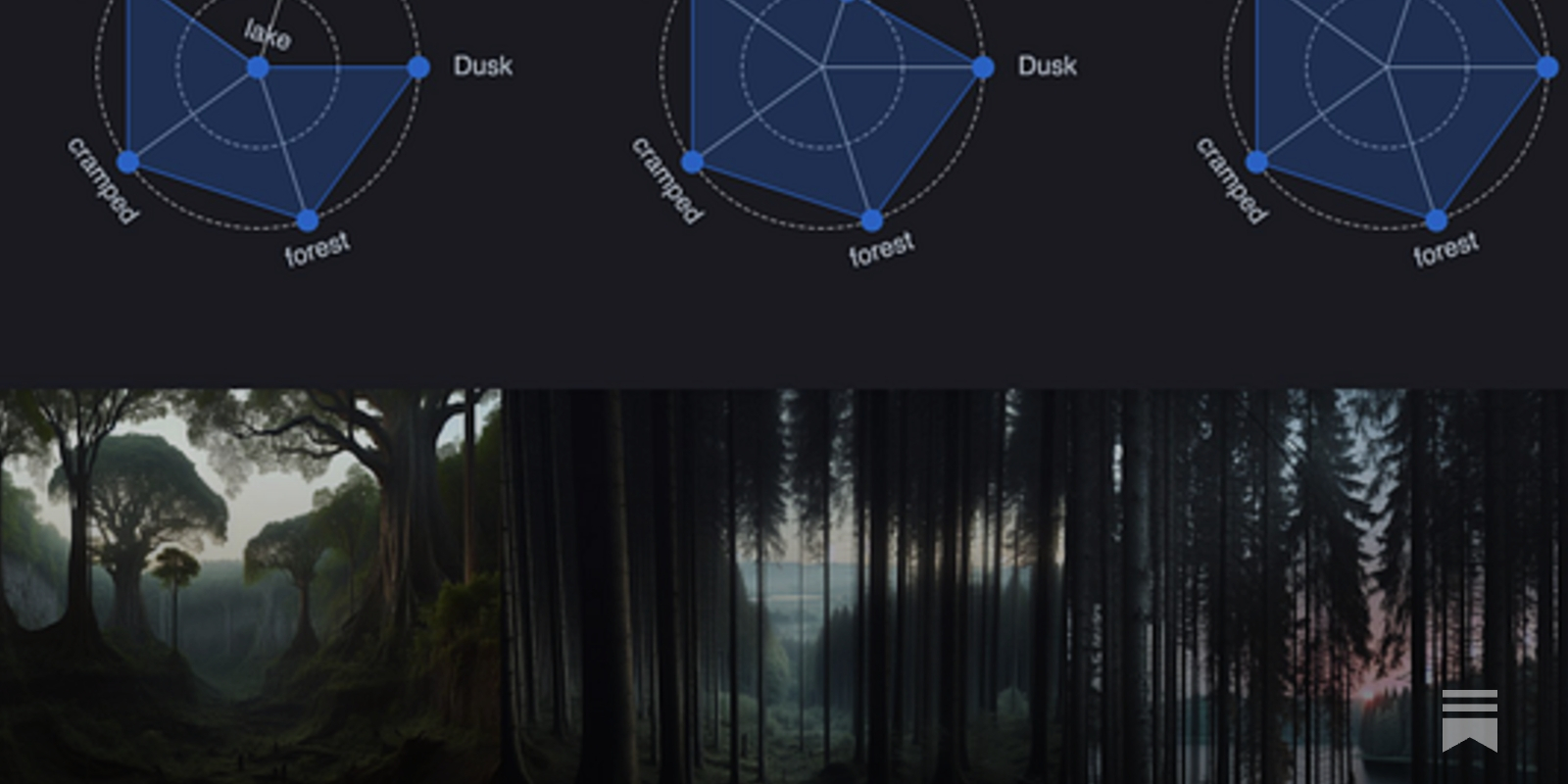
History of The Graphical User Interface (GUI): A Wonderful Curse
Generative and Malleable User Interfaces with Generative and Evolving Task-Driven Data Model
As part of the Digital Library's transition to Open Access, new features for researchers are available in the Premium Edition. Click here to learn more.

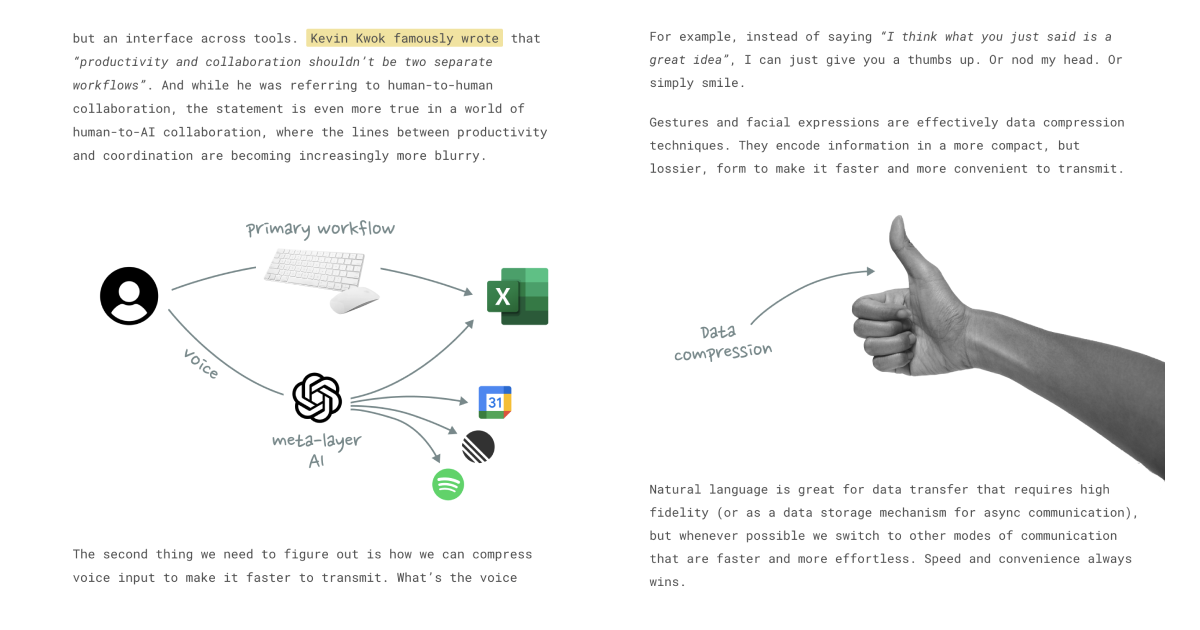
The case against conversational interfaces
Conversational interfaces are a bit of a meme. Every couple of years a shiny new AI development emerges and people in tech go "This is it! The next computing paradigm is here! We'll only use natural language going forward!". But then nothing actually changes and we continue using computers the way w
The Curious Case of Zoomable User Interfaces and AI
Interface Lineage
A free library of interface patterns and principles. Name the mechanism, prompt it to your AI, and invent new interfaces.

Agents vs Operating Systems : The War That Could Kill Apps
Beyond Chat: Bringing Models to the Canvas • Lu Wilson • GOTO 2025
Awesome Generative UI - AI-Powered User Interface Generation Resources
Discover the best Generative UI resources: research papers, real-world cases, video tutorials, and open-source projects about AI-driven dynamic interface generation. Explore how LLMs like Gemini, Claude, and GPT are revolutionizing UI/UX design.
Desktop, Touch, Browser, Now AI? The Next OS in Computing
Explore how AI is reshaping human-computer interaction, from command lines to modern SaaS. Key insights on the next computing paradigm for startups and tech leaders.
What is Malleable Software Now | Bryan Min (02-27-2026)
Alexander Obenauer
Exploring new and renewed ideas for how personal computing and the interfaces we think with can better serve people’s lives – expanding opportunity, agency, curiosity, and creativity.
Malleable Software

Using AI to create your own visualizations, interfaces, and going beyond “apps” bmannconsulting.com/notes/malleable-software/ Other terms: * Regenerative Software semble.so/url?id=https://aicoding.leafl…

Codex OS is now Mutable OS! | Mutable OS

Defining the common primitive — Tonk
A Malleable Diffuse | tokono.ma

OpenUI - The Open Standard for Generative UI
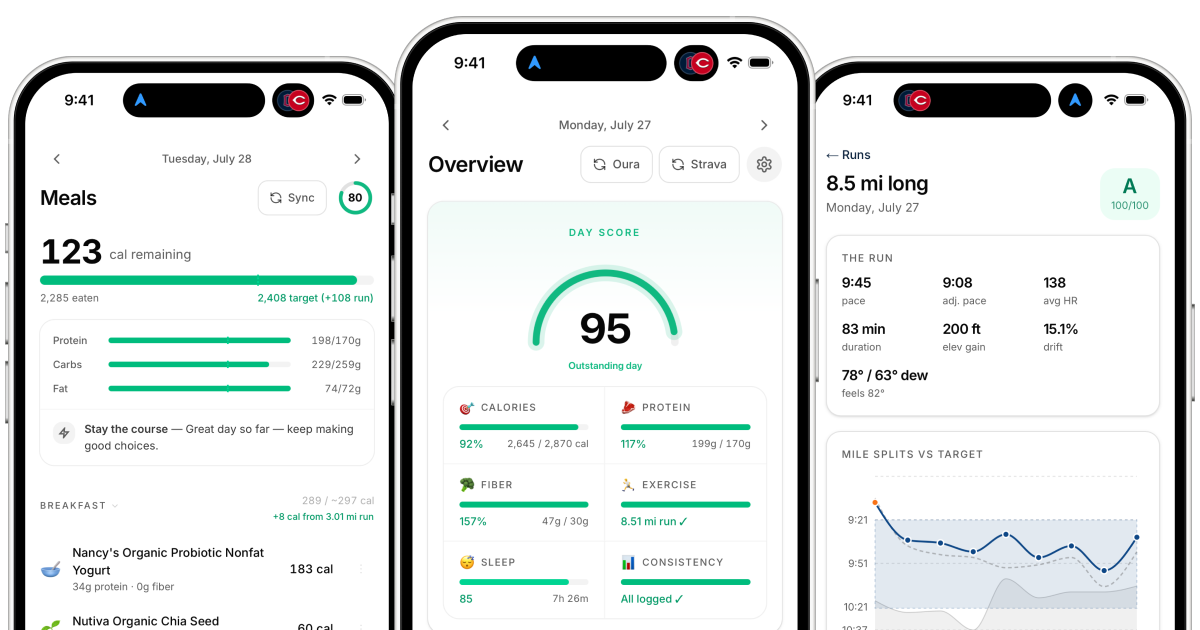
Software for One
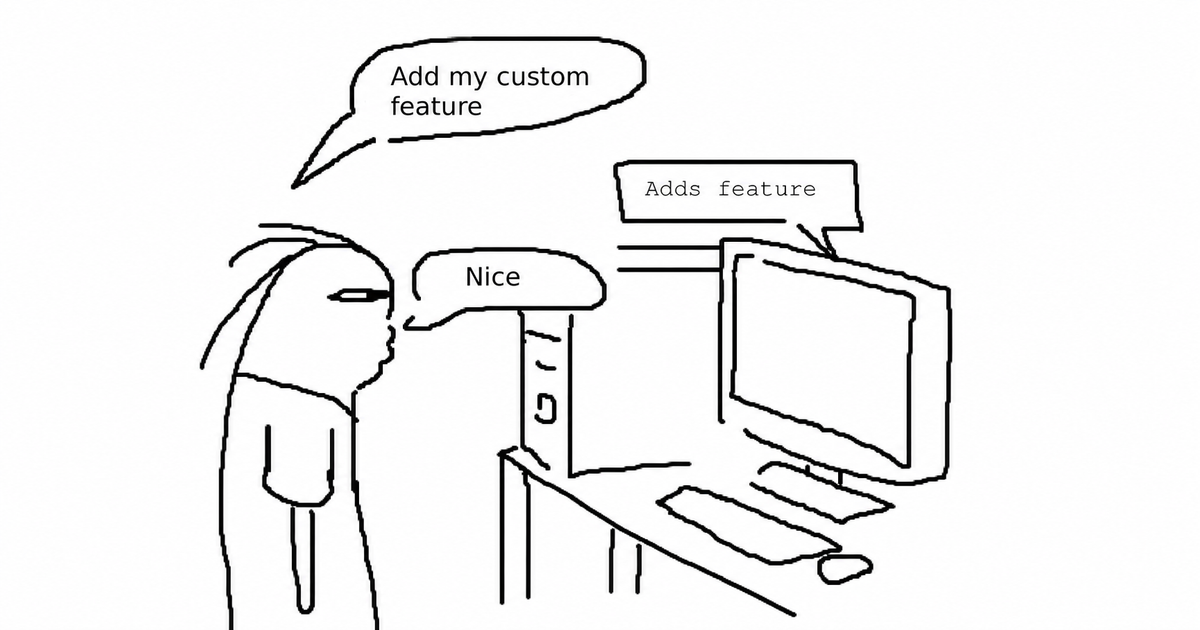
Extensible Software in the age of LLMs | Jeremy Morrell
