

Harvard's Berkman Center, Google, and the Family Online Safety Institute hosted this discussion featuring Professor Jonathan Zittrain previewing his forthcoming book "The Future of the Internet - And How To Stop It" with a response by Professor Larry Lessig and an introduction by Google's own Vint Cerf. This event took place at Google's Washington, D.C. office on March 20, 2008.
The Open Internet is Dead. What Comes Next?
Justin Hendrix spoke to Mallory Knodel and Burcu Kilic about their recent essay, titled "Big Tech Redefined the Open Internet to Serve Its Own Interests."
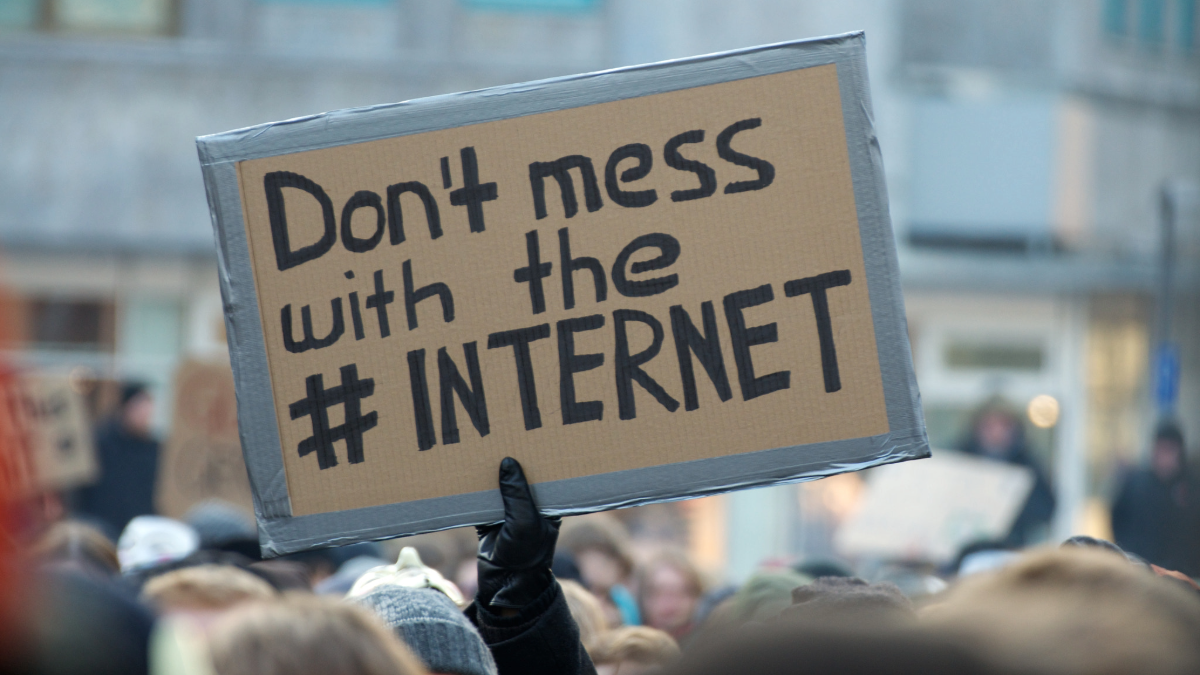
The one and future internet
The internet has become inextricably entangled into our economies, cultural and social lives. We stand on the brink of the next technological revolution, in which the internet of things transforms ...

Internet for the People: The Fight for Our Digital Future
"For all the informational convenience the internet offers, it is deeply flawed. How can it be improved? Writer Ben Tarnoff proposes one possibility in this intriguing book, which urges the development of 'a public lane on the information superhighway.' It's worth checking out for yourself." – Seth MacFarlane Why is the internet so broken, and what could ever possibly fix it? In Internet for the People, leading tech writer Ben Tarnoff offers an answer. The internet is broken, he argues, because it is owned by private firms and run for profit. Google annihilates your privacy and Facebook amplifies right-wing propaganda because it is profitable to do so. But the internet wasn't always like this—it had to be remade for the purposes of profit maximization, through a years-long process of privatization that turned a small research network into a powerhouse of global capitalism. Tarnoff tells the story of the privatization that made the modern internet, and which set in motion the crises that consume it today. The solution to those crises is straightforward: deprivatize the internet. Deprivatization aims at creating an internet where people, and not profit, rule. It calls for shrinking the space of the market and diminishing the power of the profit motive. It calls for abolishing the walled gardens of Google, Facebook, and the other giants that dominate our digital lives and developing publicly and cooperatively owned alternatives that encode real democratic control. To build a better internet, we need to change how it is owned and organized. Not with an eye towards making markets work better, but towards making them less dominant. Not in order to create a more competitive or more rule-bound version of privatization, but to overturn it. Otherwise, a small number of executives and investors will continue to make choices on everyone’s behalf, and these choices will remain tightly bound by the demands of the market. It's time to demand an internet by, and for, the people now.
The New Internet: Tailscale's Vision for the Future of Connectivity
Tailscale's CEO, Avery Pennarun, explores the future of the internet, discussing the evolution of networking, the issues with today's complex systems, and how Tailscale is simplifying connectivity for developers with a new, more efficient approach. Discover the vision for a New Internet.
The inventor of the web Tim Berners-Lee on the future of the internet, 'fake news,' and why net neutrality is so important
Axel Springer CEO Mathias Döpfner sat down with Sir Tim Berners-Lee, the inventor of the World Wide Web, for a far-ranging conversation.
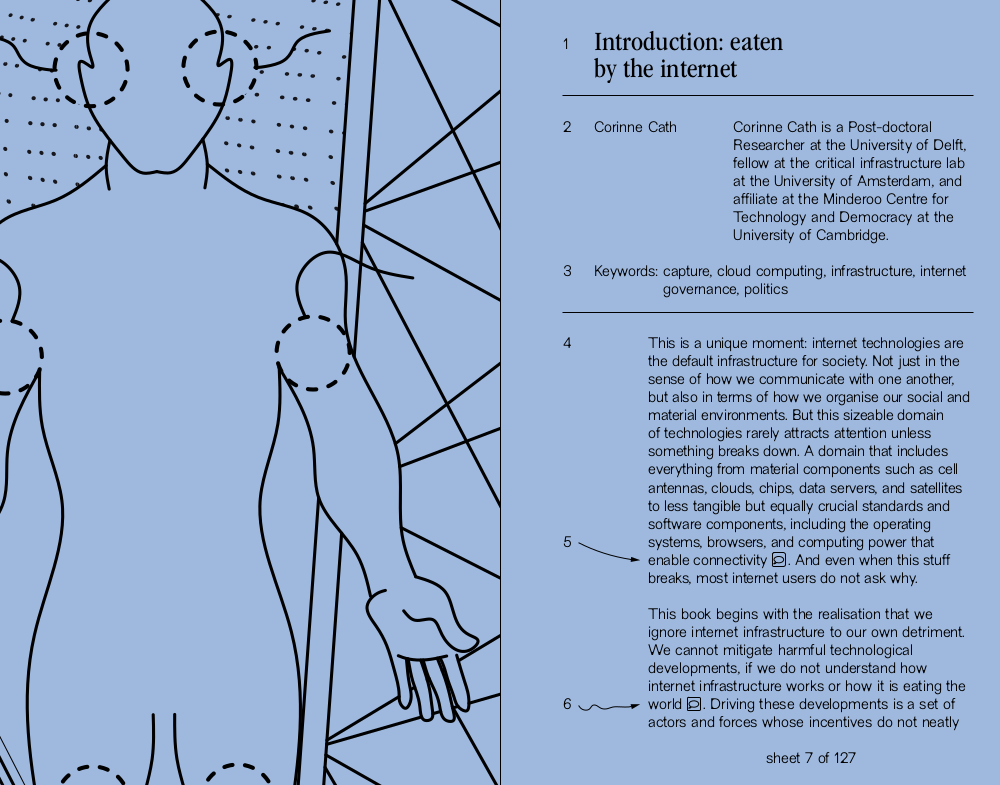
Eaten by the Internet
This book makes internet infrastructure visible as a force of political power, which is transforming the social world, from the bottom up—through fifteen chapters contributed by a global set of researchers, activists, and techies. We are living a unique moment: internet technologies are the default infrastructure for society, not just how we communicate but also how we organise our social life, politics, and economy, all the way down to our material environments, like cities. Our world is eaten by the internet. This means that those who control the internet control the bounds of public speech, economic production, social cohesion, and politics, making its infrastructure a core political terrain in the networked age. The book’s chapters cover a wide set of topics, spanning from the global politics of content moderation by internet infrastructure to the colonialism inherent in the race to plug the moon, from the harms wrought by blockchain companies in rural America to the particularities of online censorship across Asia. The chapters take on thorny topics, discussing power consolidation in the advertisement and cloud industry, the role of internet infrastructure in the war in Ukraine, and tech’s environmental impact—amongst others. In doing so, this book roots contemporary technology debates in the politics of internet infrastructure and urges us to ask how can we ensure our infrastructures sustain us, rather than consume us?
The Internet Transition
The Internet is allowing us to build a richer, more complex society but the way in which we Internet today is failing to support the governance systems that a more complex world requires. I take a look at why these issues are related, try to develop an intuition for a way forward, and point at the emerging field that is coming together to build that future.
The Internet Transition
The Internet is allowing us to build a richer, more complex society but the way in which we Internet today is failing to support the governance systems that a more complex world requires. I take a look at why these issues are related, try to develop an intuition for a way forward, and point at the emerging field that is coming together to build that future.
What Was the Internet?
As AI overtakes the web, five writers reflect on how far it’s fallen and what comes next.

What Was the Internet?
As AI overtakes the web, five writers reflect on how far it’s fallen and what comes next.
Sundar Pichai on AI, the future of search, and what’s happening to the web
How Google’s CEO is reshaping the company — and the internet.

Future Histories of Other Networks – Lori Emerson
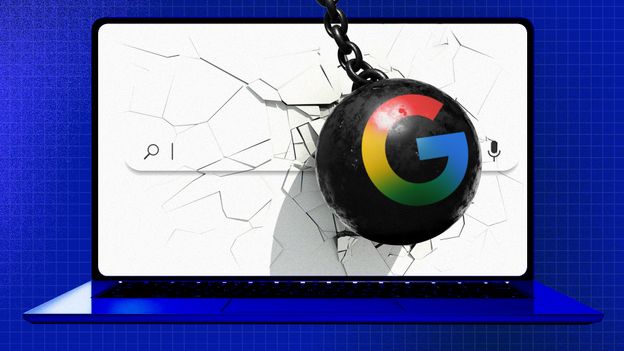
Is Google about to destroy the web?
Google says adding more AI to its search engine will rejuvenate the internet. Others predict an apocalypse for websites. One thing is clear: this era of online history is closing.
Technological

Posts about the future of the internet, AI, and anything technological. Hence the name.

Child Predators Turn to Open-Source AI to Make Unlimited Illegal Images

Mac Users Reclaim 12GB+ of Storage With Apple Intelligence Removal Tool
‘Doom Loop’: OpenAI and Microsoft Admits LLMs Are Destroying the Web and Built on Theft

Cory Doctorow: AI’s big beasts aren’t really scared of their products. They’re scared of their competition
How AI Chatbots Are 'Deskilling' Human Empathy
Pluralistic: The Claude Delusion (21 Sep 2026) – Pluralistic: Daily links from Cory Doctorow