

“Malleable Software in the Age of AI” Today we have thousands of apps to choose from, but it's difficult to craft our own custom tools that do exactly what we need. Geoffrey Litt's research explores malleable software: approaching software that feels more like a Lego set that anyone can combine to create their own tools, without programming. This talk will feature demonstrations of malleable software tools developed in contexts from travel planning to collaborative writing. It will also discuss how AI might enable a Cambrian explosion of custom tools created by non-programmers, and what kinds of new software environments will be needed to take advantage of that new power. About Geoffrey Litt, Senior Researcher | Ink & Switch: Geoffrey Litt is a Senior Researcher at the independent research lab Ink & Switch, where he leads the Malleable Software track. His research focuses on developing new tools and media that help people customize software without doing traditional programming. He received a PhD in Computer Science from MIT, working with Daniel Jackson on malleable software. Presentation Date: September 25, 2024 ___ The Nemertes [Next] Conference Series: https://nemertes.com/nemertes-next-conference/
What is Malleable Software Now | Bryan Min (02-27-2026)
Malleable software
computing environments where anyone can mold their tools to their own unique needs.That definition is by [[Geoffrey Litt]], who wrote [[Malleable software ...
Geoffrey Litt
Welcome! I work on malleable software: computing environments where anyone can adapt their software to meet their needs with minimal friction. To see what that means to me, read this essay or listen to this interview.
psf (@psf@oldbytes.space)
In their article ["Malleable Software"](https://www.inkandswitch.com/essay/malleable-software), Ink & Switch list various ways that modern software applications fail to serve the user: - Software is too rigid: users can’t tailor it to suit their workflow, except by entering the role of programmers. - Software applications are overspecialized "avocado slicers", not general tools like "knives", so their lack of tailorability is keenly felt. - Software doesn’t provide a reasonable learning curve from beginner to expert; in other words, time spent learning an application doesn’t unlock tailorability, instead the end user must learn an unrelated skill like a markup/scripting language or even the tool’s implementation language. - Software applications are increasingly siloed, so sharing data between apps, let alone orchestrating cross-app workflows, is overly difficult. These are real problems. From what I can tell, Ink & Switch are software researchers, and view the problems from a highly technical perspective, focusing on novel infrastructure that enables end-user programmability. They pose questions such as "how do we ease users into programming?" and "instead of shipping a dead, static binary, can we ship a living image containing programming tools allowing it to be modified in arbitrary ways while still running?" These ideas are technologically exquisite, but they fail to provide a gentle learning curve. (cont'd) 🧵
Perfect Software - Software for an Audience of One
We have many names to describe personal tools. Malleable software speaks to how it behaves. Home-cooked software speaks to who makes it.
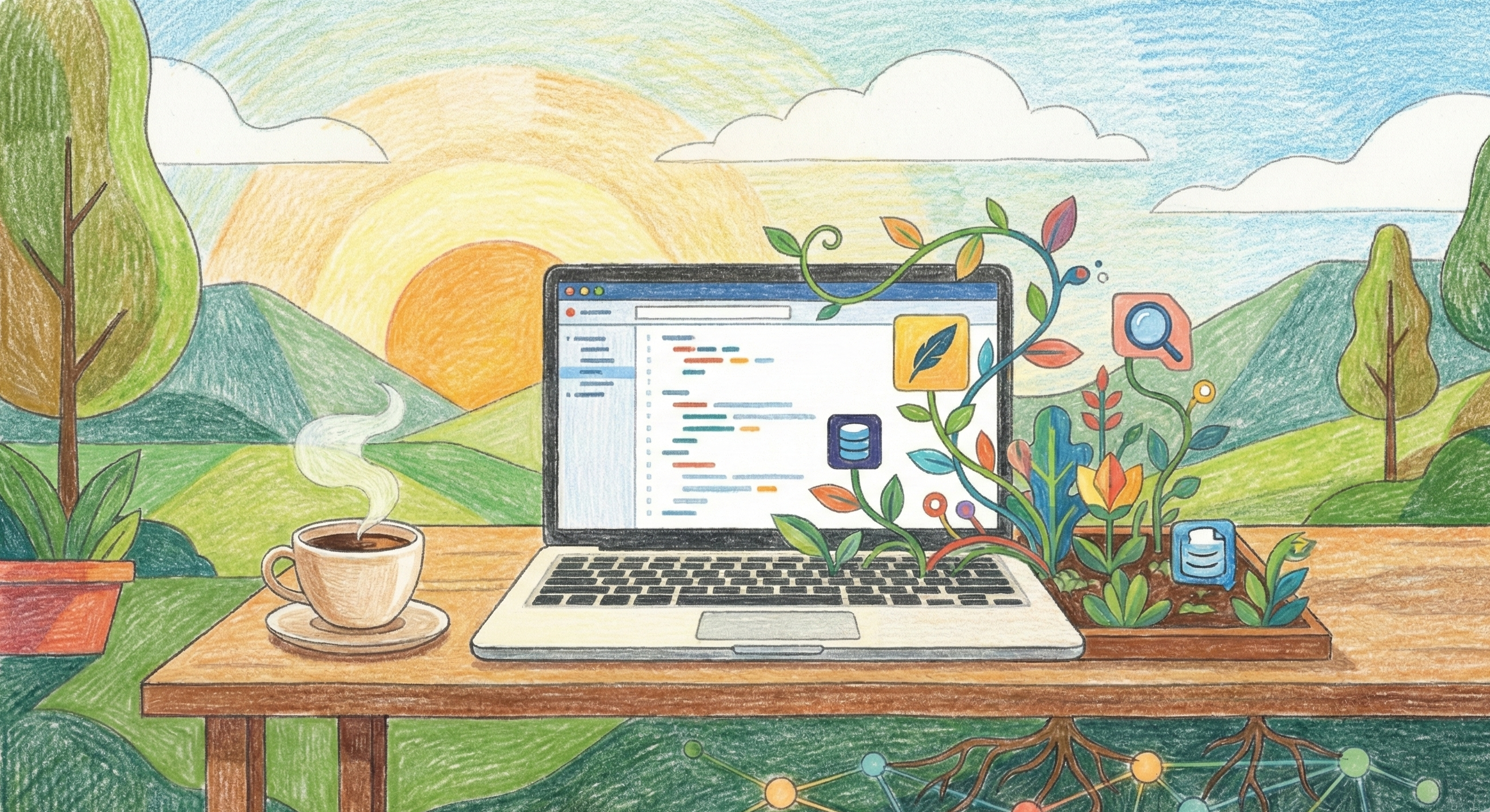
Malleable software: Restoring user agency in a world of locked-down apps
The original promise of personal computing was a new kind of clay. Instead, we got appliances: built far away, sealed, unchangeable. In this essay, we envision malleable software: tools that users can reshape with minimal friction to suit their unique needs.
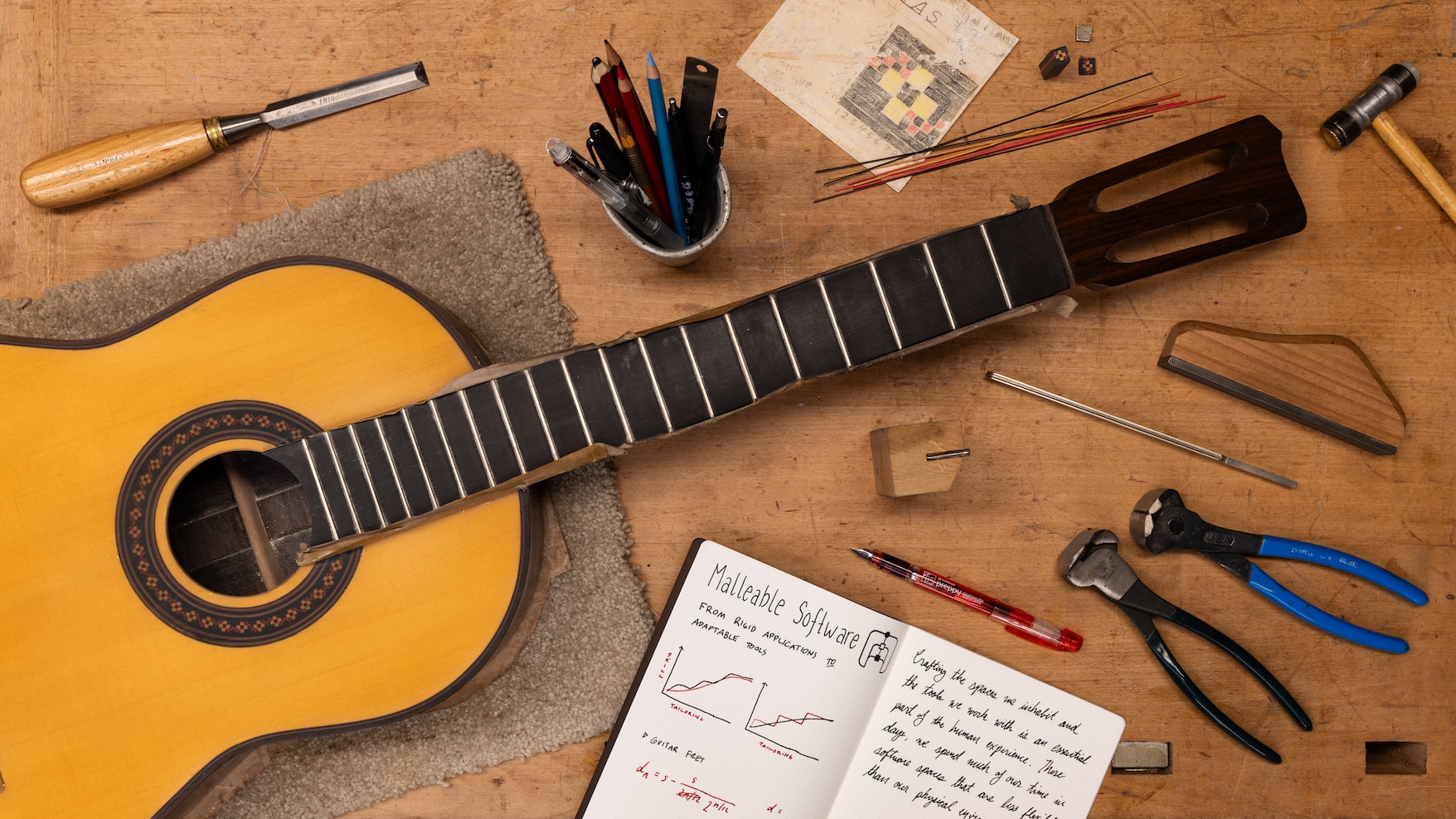
Malleable software: Restoring user agency in a world of locked-down apps
The original promise of personal computing was a new kind of clay. Instead, we got appliances: built far away, sealed, unchangeable. In this essay, we envision malleable software: tools that users can reshape with minimal friction to suit their unique needs.
Designing and Programming Malleable Software
User needs for software features and interfaces are diverse and changing, motivating the goal of making it as easy as possible for users themselves to change software, or to have it changed on their behalf in response to their developing needs. However, in my opinion, current approaches do not address this issue adequately: software engineering promotes flexible code, but in practice this does not help end-users effect change in their software. End-user and live programming systems help users customize their interfaces by accessing and modifying the underlying source code. I take a different approach, seeking to maximize the kinds of modifications that can take place through regular interactions, e.g. direct manipulation of interface elements. I call this approach malleable software. To understand contemporary needs for and barriers to modifying software, I study how it is produced, maintained, adopted, and appropriated in a network of communities working with biodiversity data. I find that the mode of software production, i.e. the technologies and economic relations that produce software, is biased towards centralized, one-size-fits-all systems. This leads me to propose a long-term, interdisciplinary research program in reforming the tools of software development to create infrastructures for plurality. These tools should help multiple communities collaborate without forcing them to consolidate around identical interfaces or data representations. Malleable software is one such infrastructure, in which interactive systems are dynamic constellations of interfaces, devices, and programs assembled at the site of use. My technological contribution is a reconstruction of the programming mechanisms used to create interactive behavior. I generalize existing control structures for interaction as entanglements, and develop a higher-order control structure, entanglers, which produces entanglements when particular pre-conditions, called co-occurrences, are met. Entanglers cause interactions to be assembled dynamically as system components come and go. I develop these mechanisms in Tangler, a prototype environment for building malleable interactive software. I demonstrate how Tangler supports malleability through a set of benchmark cases illustrating how users can modify systems by themselves or with programmer assistance. This thesis is an early step towards a paradigm for programming and designing malleable software that can keep up with human diversity.
Apps and programming: two accidental tyrannies
On coding agents, malleable software, and the future of interface invention
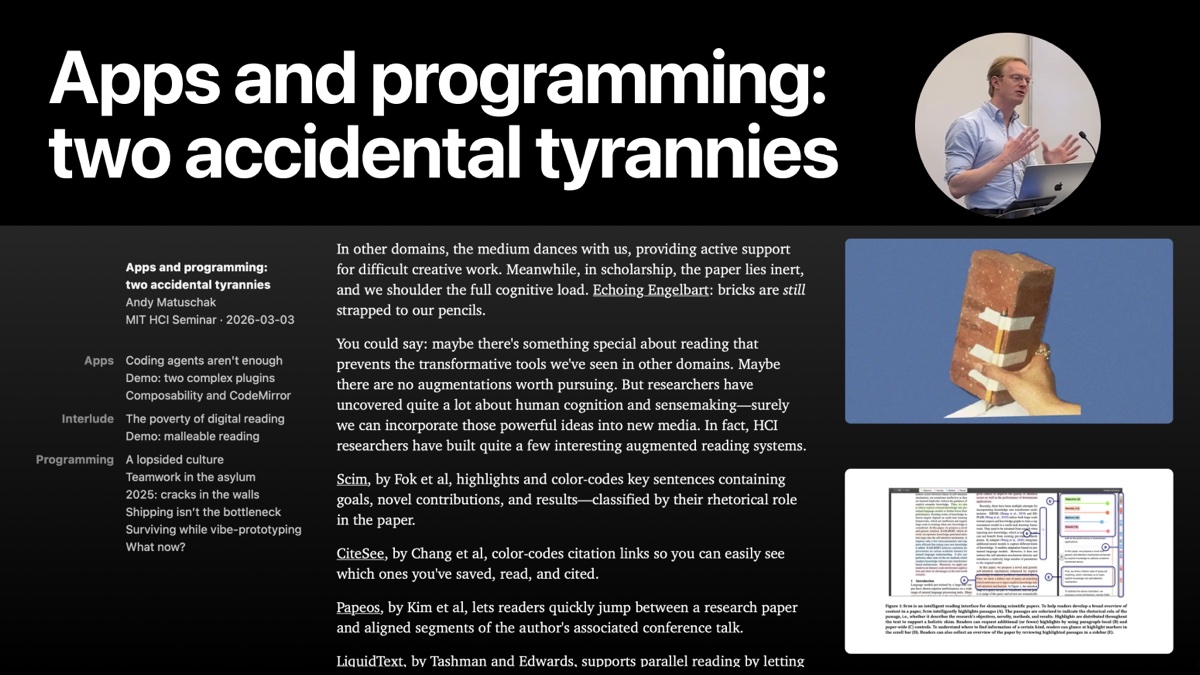
Apps and programming: two accidental tyrannies
On coding agents, malleable software, and the future of interface invention
Building personal tools by programming

Andrej Karpathy: Software Is Changing (Again)
Andrej Karpathy: Software Is Changing (Again)
Malleable Software

Using AI to create your own visualizations, interfaces, and going beyond “apps” bmannconsulting.com/notes/malleable-software/ Other terms: * Regenerative Software semble.so/url?id=https://aicoding.leafl…
Malleable Software

Software that gives users extreme agency over the interface, such as JIT interfaces.

Codex OS is now Mutable OS! | Mutable OS
Defining the common primitive — Tonk
A Malleable Diffuse | tokono.ma
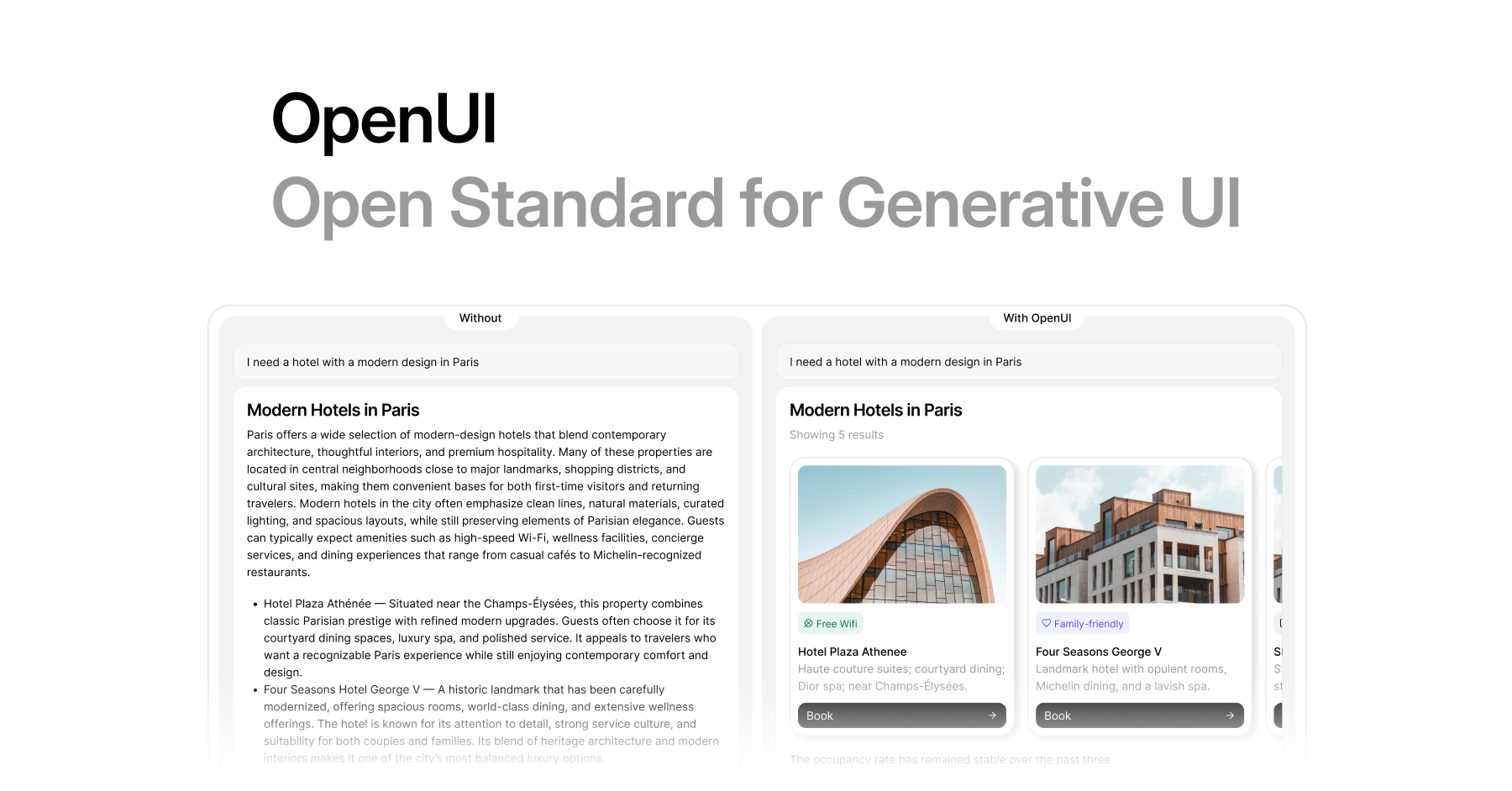
OpenUI - The Open Standard for Generative UI
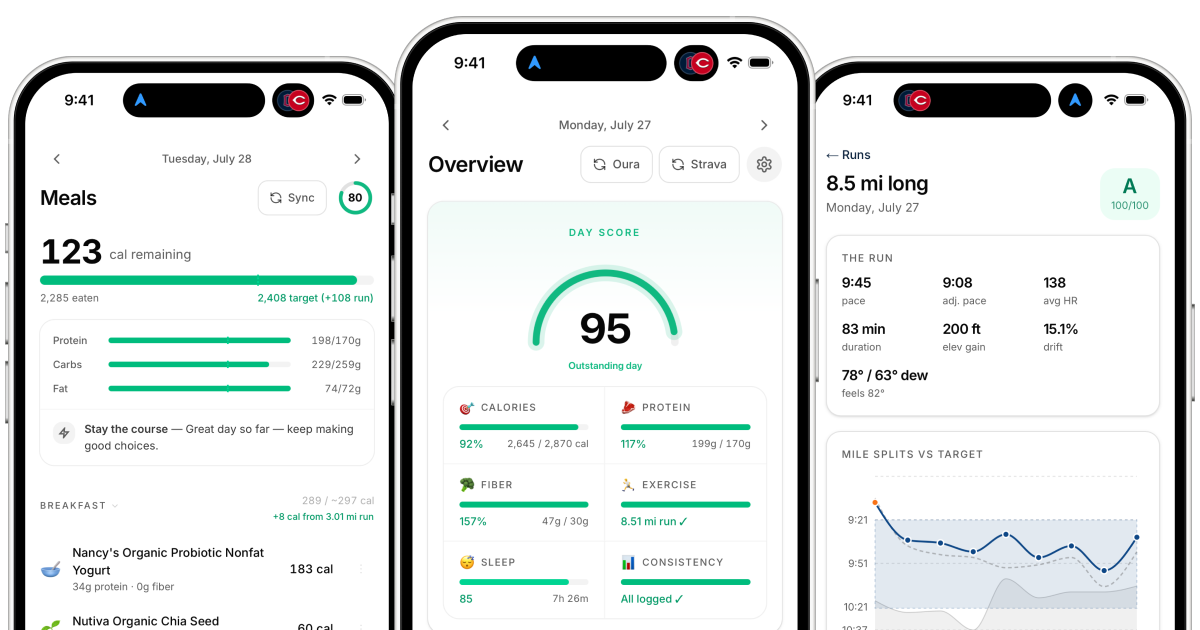
Software for One
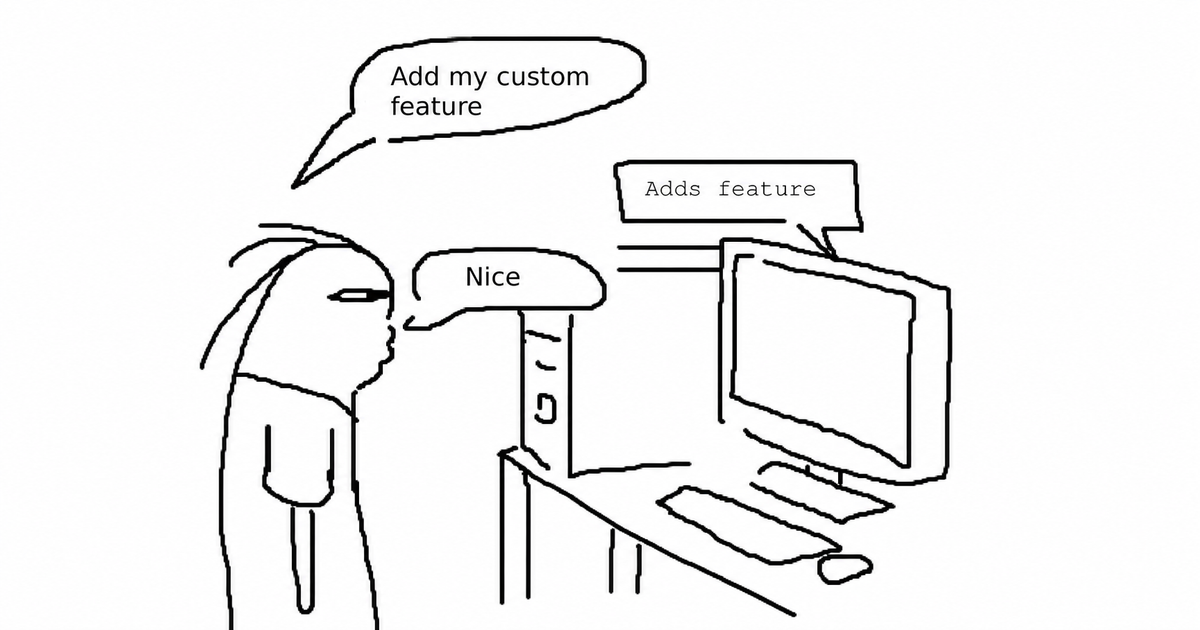
Extensible Software in the age of LLMs | Jeremy Morrell
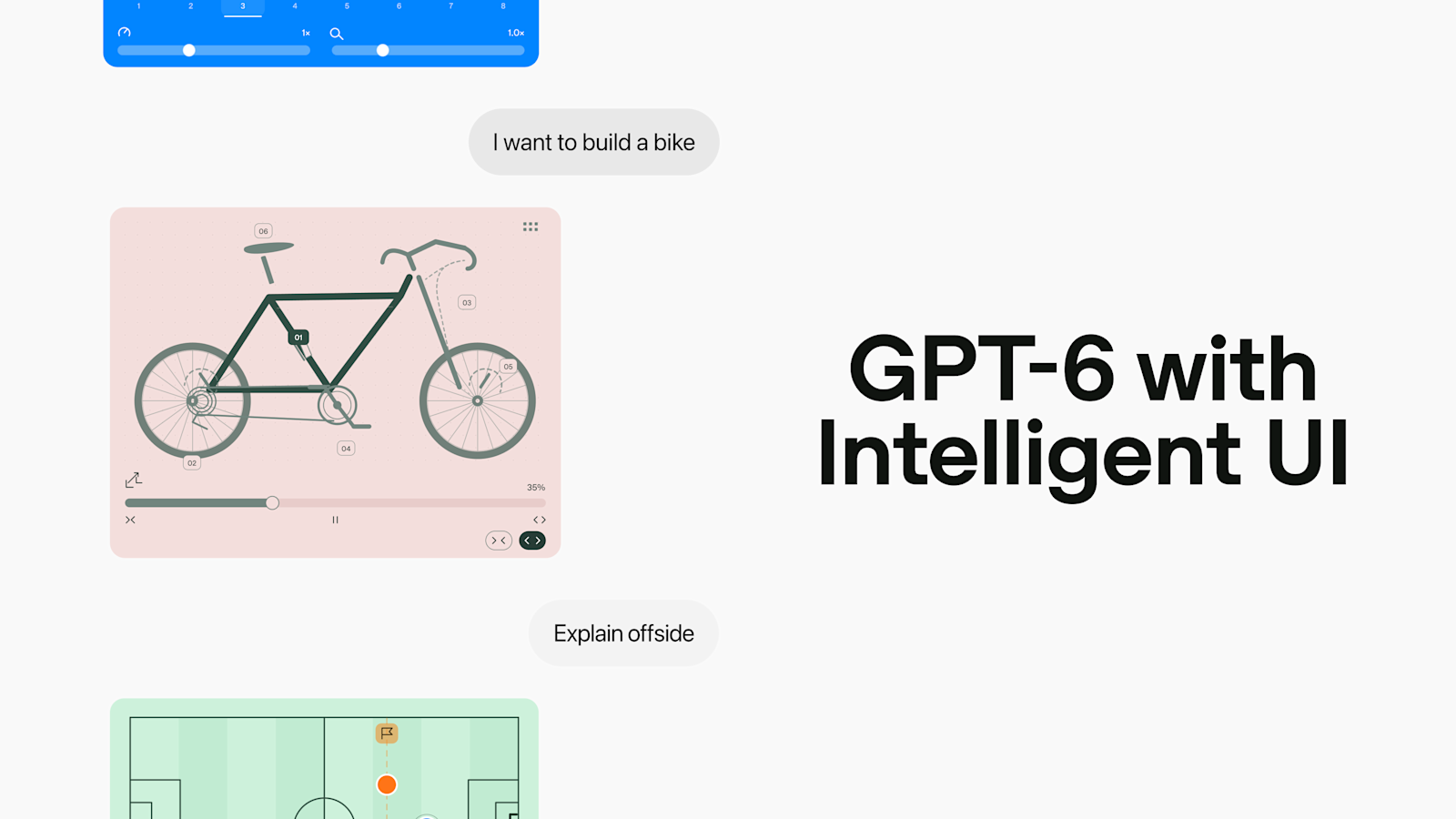
GPT-6 and Intelligent UI for everyone
Web Tiles (by paperpilot.dev) — Semble

Introducing Patchwork-26