

Inclusive Design for a Digital World
In this book, readers will learn the Web Content Accessibility Guidelines (WCAG) 2.1 requirements, emerging technologies such as VR and AR, best practices for web development, and implementation of inclusive design. Begin understanding the immense opportunities in designing for accessibility.
lukeslp/awesome-accessibility
Curated list of accessibility resources, tools, and best practices for creating inclusive digital experiences
Inclusive Design Communities
A practical guide on making design and tech more inclusive in all the spaces design and tech exists.

UI/UX Guidelines - User Experience Design & Technology
The Web Content Accessibility Guidelines (WCAG) are a set of internationally recognized standards for making web content accessible to people with disabilities. Created by the Web Accessibility Initiative (WAI) of the World Wide Web Consortium (W3C), WCAG provides a framework for designing inclusive digital platforms that cater to diverse user needs, including those with visual, auditory, cognitive, and physical impairments.
Inclusive Design 24 #id24
Accessibility Beyond Accommodations: A Systematic Redesign of Introduction to Computer Science for Students with Visual Impairments
Computer science education has evolved extensively; however, systemic barriers still prevent students with visual impairments from fully participating. While existing research has developed specialized programming tools and assistive technologies, these solutions remain fragmented and often require complex technical infrastructure, which limits their classroom implementation. Current approaches treat accessibility as individual accommodations rather than integral curriculum design, creating gaps in holistic educational support. This paper presents a comprehensive framework for redesigning introductory computer science curricula to provide equitable learning experiences for students with visual impairments without requiring specialized technical infrastructure. The framework outlines five key components that together contribute a systematic approach to curriculum accessibility: accessible learning resources with pre-distributed materials and tactile diagrams, in-class learning kits with hands-on demonstrations, structured support systems with dedicated teaching assistance, an online tool repository, and psychosocial support for classroom participation. Unlike existing tool-focused solutions, this framework addresses both technical and pedagogical dimensions of inclusive education while emphasizing practical implementation in standard university settings. The design is grounded in universal design principles and validated through expert consultation with accessibility specialists and disability services professionals, establishing foundations for future empirical evaluation of learning outcomes and student engagement while serving as a template for broader institutional adoption.


User-tailorable systems: pressing the issues with buttons
As part of the Digital Library's transition to Open Access, new features for researchers are available in the Premium Edition. Click here to learn more.
Reflective design
As part of the Digital Library's transition to Open Access, new features for researchers are available in the Premium Edition. Click here to learn more.
recommended techniques for accessibility champions - A11y Toolkit
An open-source library of techniques to avoid the most common accessibility failures.
Show me the data - Design Notes
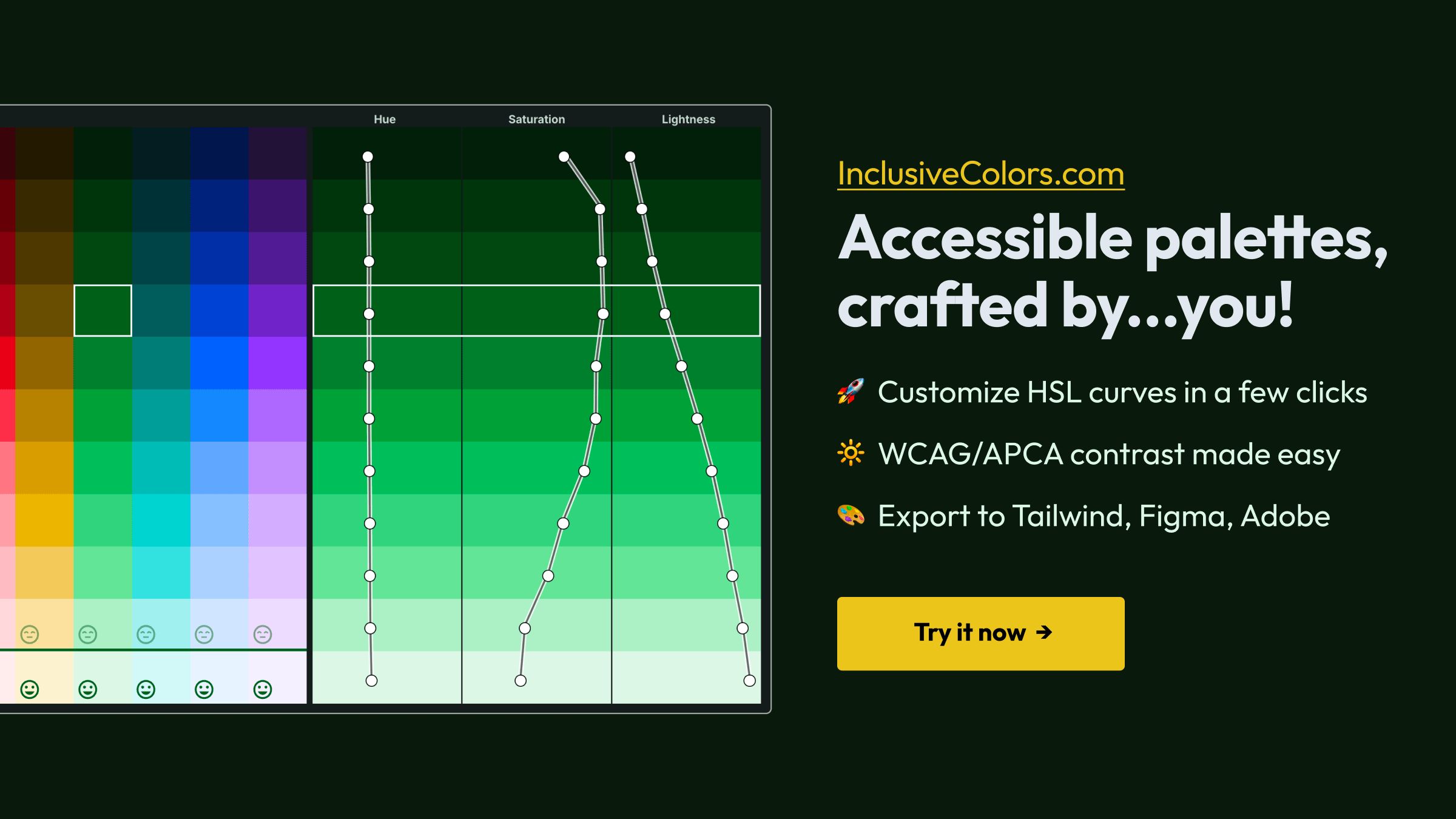
InclusiveColors - Accessible color palette creator
Try it now to create your own color palettes!
Home - The A11Y Project
The A11Y Project is a community-driven effort to make digital accessibility easier.

Anna E. Cook
Award-winning Product Designer, International Keynote Speaker, and Accessibility + Inclusive Design Specialist