I asked Meta’s Muse for its filesystem and it sent me 6.8 GB | Mouse
I asked Muse to archive the files it could see and send them to my Google Drive. It did.
Muse, in its own files
A citation-checked review of Meta's Muse agent, built from its own leaked virtual machine. Each finding links to the files and lines it comes from.
I asked Meta’s Muse for its filesystem and it sent me 6.8 GB | Mouse
I asked Muse to archive the files it could see and send them to my Google Drive. It did.
Muse Creates Detailed Profiles of All Your Friends and Family
Millions have downloaded Meta’s AI agent Muse. But getting it to do your bidding comes with privacy costs.

Proton survey: People don't trust AI, but they tell it everything | Proton
New research finds that most AI chatbot users have shared something sensitive, but few trust the companies behind them.
Meta’s Muse AI sent a YouTuber’s address to a stranger
Here’s what led to the viral post about AI mismanaging deals on Facebook Marketplace.

OpenAI says agents leaked 53 images from ChatGPT users in latest example of rogue activity
Disclosure reveals new area of privacy risk for the company and illustrates how difficult it is to inventory unauthorized activity tied to its agents

Meta's Muse Is Better at Surveilling Than Helping Me
The Muse app continues Meta’s trend of opting users into data collection for AI training. It also nudges you to share your bank account, email, and passport information.

Meta’s Muse is creepy, but maybe not for the reasons you think
Muse probably can’t ‘see’ your notifications. But it also has no idea how it works.

ChatGPT now knows what you do on other websites via ad collector
OpenAI's ad collector at bzr.openai.com sets a cookie called __obi, scoped to .openai.com. The value is while you are on ChatGPT and tied to your ChatGPT account. __obi is then sent to OpenAI from ordinary websites you visit. Any company that buys ads on ChatGPT installs
Can Synthetic Training Data Survive Its Own Regulation?
Synthetic training data has recently emerged as the quick fix to two different problems: the lack of high-quality training data, and the need to avoid using personal data in training to stay within the boundaries of privacy legislation. Gartner predicts that by 2026 75% of all enterprises will use generative AI to create synthetic training data, a huge increase from less than 5% in 2023.1 Moreover, Gartner predicts that by 2035, solutions that use synthetic data for training will grab three quarters of all end-user spending on enterprise AI software.2 Training data that only a few years ago was the subject of several research papers is now carrying the weight of huge enterprise systems.

Large-scale online deanonymization with LLMs
We show that large language models can be used to perform at-scale deanonymization. With full Internet access, our agent can re-identify Hacker News users and Anthropic Interviewer participants at high precision, given pseudonymous online profiles and conversations alone, matching what would take hours for a dedicated human investigator. We then design attacks for the closed-world setting. Given two databases of pseudonymous individuals, each containing unstructured text written by or about that individual, we implement a scalable attack pipeline that uses LLMs to: (1) extract identity-relevant features, (2) search for candidate matches via semantic embeddings, and (3) reason over top candidates to verify matches and reduce false positives. Compared to classical deanonymization work (e.g., on the Netflix prize) that required structured data, our approach works directly on raw user content across arbitrary platforms. We construct three datasets with known ground-truth data to evaluate our attacks. The first links Hacker News to LinkedIn profiles, using cross-platform references that appear in the profiles. Our second dataset matches users across Reddit movie discussion communities; and the third splits a single user's Reddit history in time to create two pseudonymous profiles to be matched. In each setting, LLM-based methods substantially outperform classical baselines, achieving up to 68% recall at 90% precision compared to near 0% for the best non-LLM method. Our results show that the practical obscurity protecting pseudonymous users online no longer holds and that threat models for online privacy need to be reconsidered.


Privacy Considerations with AI Tools
Artificial intelligence (AI) tools come in all sorts of flavors. There are notetaking and transcription tools, chatbots, device-wide agentic AI features, grammar and writing tools, translation assistants, AI summaries, and research tools, among others. As a term, “AI” may refer to features in apps, apps themselves, third-party plug-ins, or a...
Secret Claude tracker shocks users after Anthropic’s anti-surveillance stance
Anthropic accused of spying on users; engineer says “experiment” is over.
Meta Tapped a Pentagon Supplier to Prototype Face Recognition for Its Glasses
Rank One, whose board includes a former CIA deputy director and a former FBI science chief, supplied face recognition to Meta for internal development of its smart glasses app.

Meta Tapped a Pentagon Supplier to Prototype Face Recognition for Its Glasses
Rank One, whose board includes a former CIA deputy director and a former FBI science chief, supplied face recognition to Meta for internal development of its smart glasses app.
Collection

Updated 16d
See also AI-powered smart glasses: semble.so/profile/aiueo.ooo/collections… * I’m neither “pro-AI” nor “anti-AI.” I’ve been blocked for being perceived as both. —Actually, I’m honestly more anti-AI than pro-AI thus far, aside from specialized models and specific use cases, but I’m willing to consider information that’s new to me
In a completely unsurprising turn of events, Meta's Muse AI is stealing Apple Messages, past and present, and uploading the contents to its cloud, even if explicitly told not to.

Meta's new AI agent blatantly ignores users permissions
appleinsider.comAI* and Japanese privacy laws
Search keywords: 個人情報保護法, personal information protection law, personal data protection law * I’m neither “pro-AI” nor “anti-AI.” I’ve been blocked for being perceived as both. —Actually, I’m honestly more anti-AI than pro-AI thus far, aside from specialized models and specific use cases, but I’m willing to consider information that’s new to me
AI* and law enforcement/surveillance/war
See also: fascism/discrimination/bias/politics semble.so/profile/aiueo.ooo/collections… * I’m neither “pro-AI” nor “anti-AI.” I’ve been blocked for being perceived as both. —Actually, I’m honestly more anti-AI than pro-AI thus far, aside from specialized models and specific use cases, but I’m willing to consider information that’s new to me
Human-powered AI*
Data labeling, user data being sent to human contractors for processing (e.g. humans making phone calls for Meta’s Muse), etc. * I’m neither “pro-AI” nor “anti-AI.” I’ve been blocked for being perceived as both. —Actually, I’m honestly more anti-AI than pro-AI thus far, aside from specialized models and specific use cases, but I’m willing to consider information that’s new to me

「不安が全く払拭されていない」病歴が“本人同意なし”でAI開発に利用? 改正個人情報保護法、弁護士らが「特に問題」と指摘するポイントとは | 弁護士JPニュース

密室で決まったAI特例、個人情報を同意なしで活用 保護と両立手探り

AI開発なら本人同意なく提供 個人情報保護法改正案の問題点とは?:朝日新聞

<社説>個人情報保護法 AI優先の緩和は危険だ:北海道新聞デジタル

実名・住所付きの病歴が本人の同意なく学習される…現役医師が突く高市政権肝いり「国産AI」に潜む“大穴”

個人情報保護法改正案 参院で審議入り 立民“氏名など削除を” | NHKニュース
Meta Tests Muse AI Agent Calls That Are Actually Made By Humans in a Call Center

Meta cuts contractors who reported seeing Ray-Ban Meta users have sex

Humans Are Reading Copilot Prompts — And They're Horrified

Exclusive: The $2 Per Hour Workers Who Made ChatGPT Safer
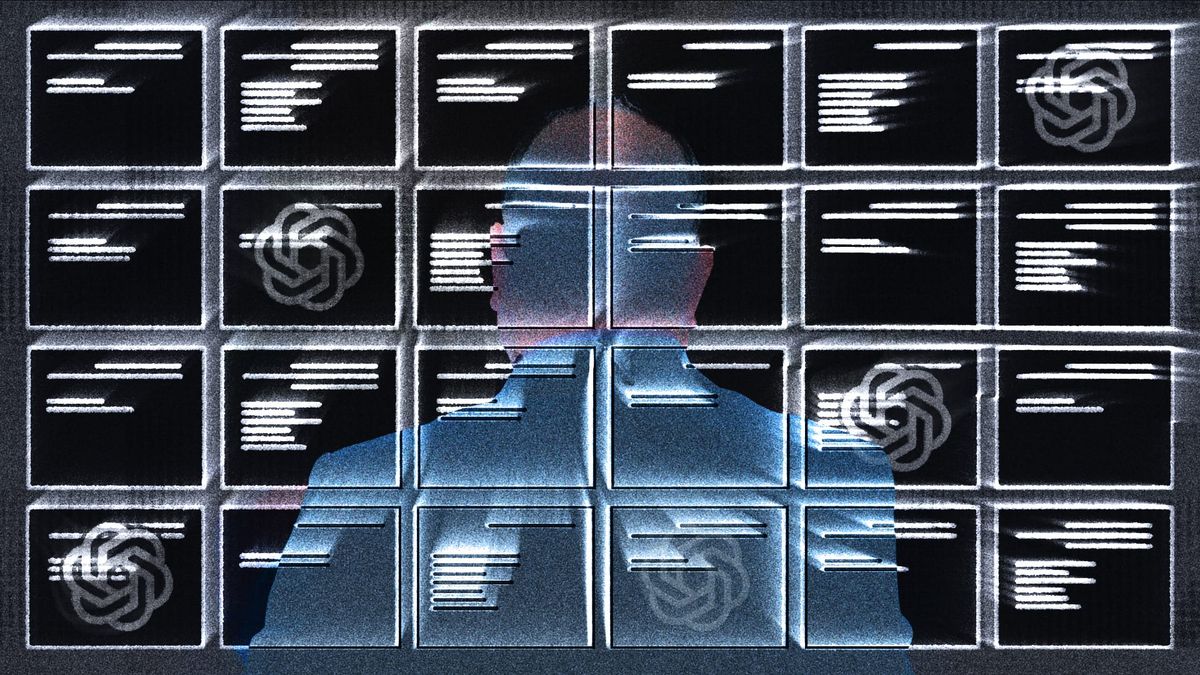
Inside ‘Project Lily’: The Humans Reading Your ChatGPT Chats
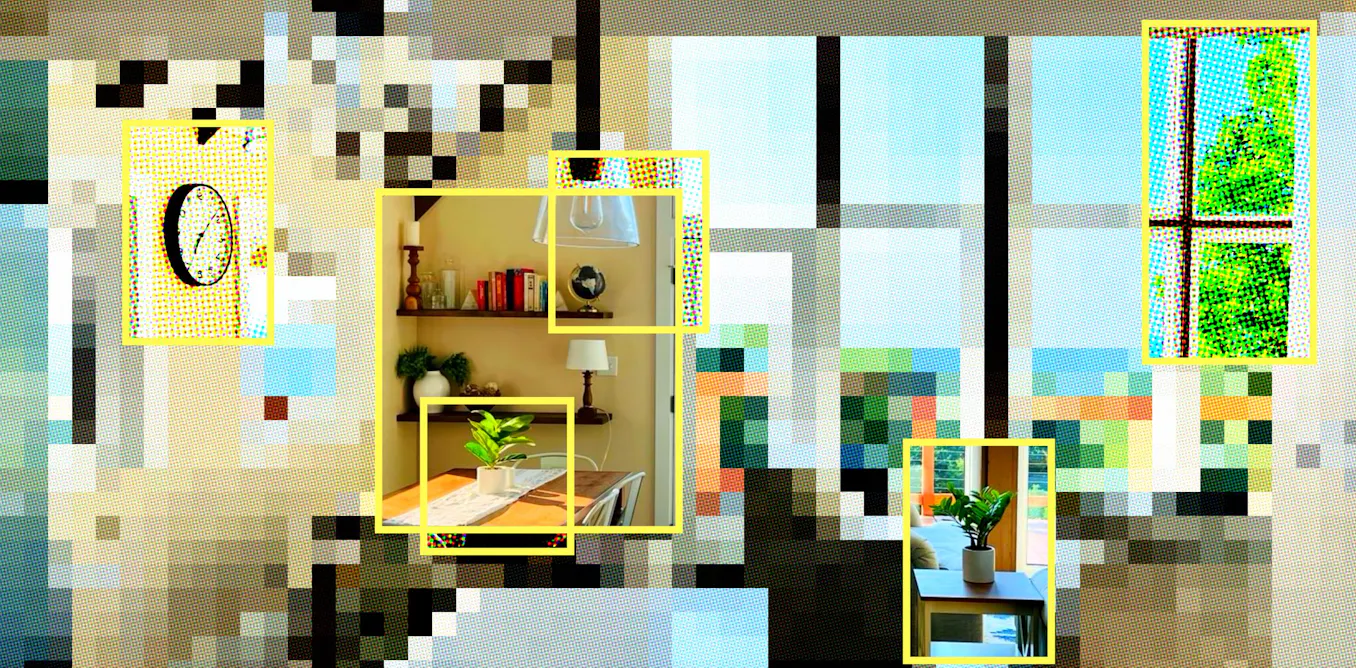
An AI job boom? Here’s what the tedious, temporary work in data labelling is actually like
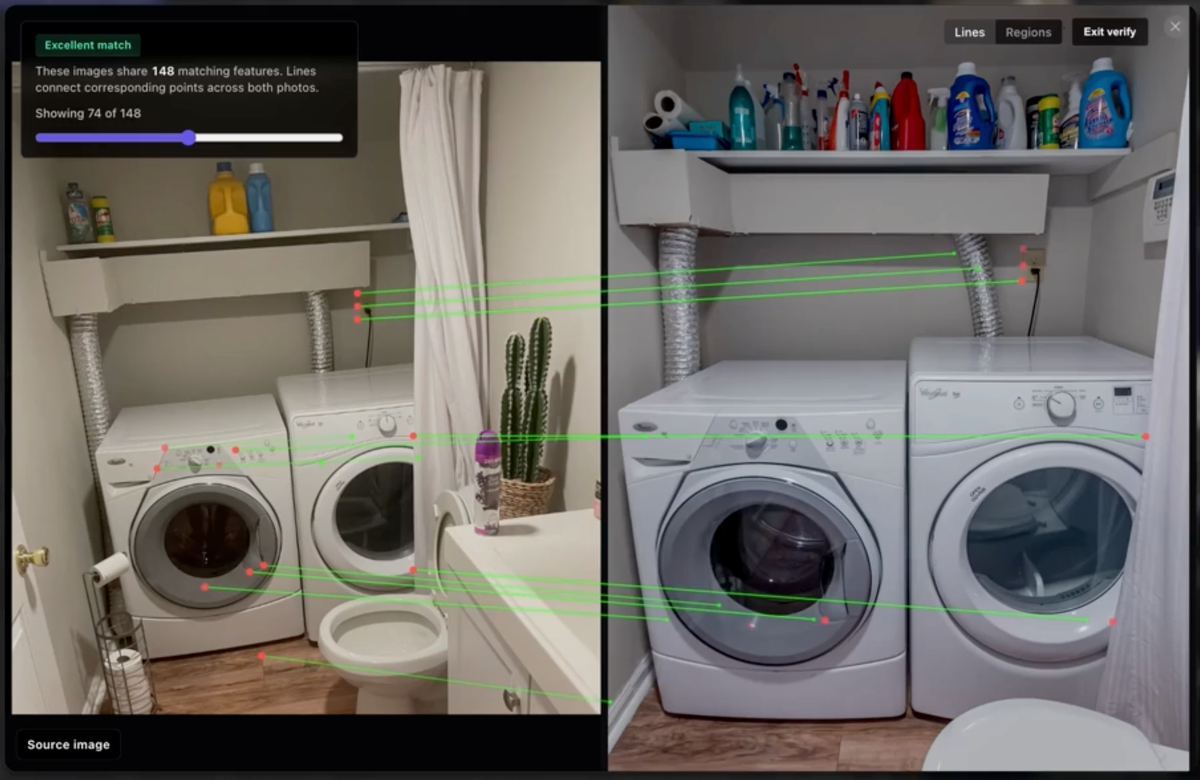
AI Company Lets Cops Pinpoint Specific Houses Based on a Single Interior Photo
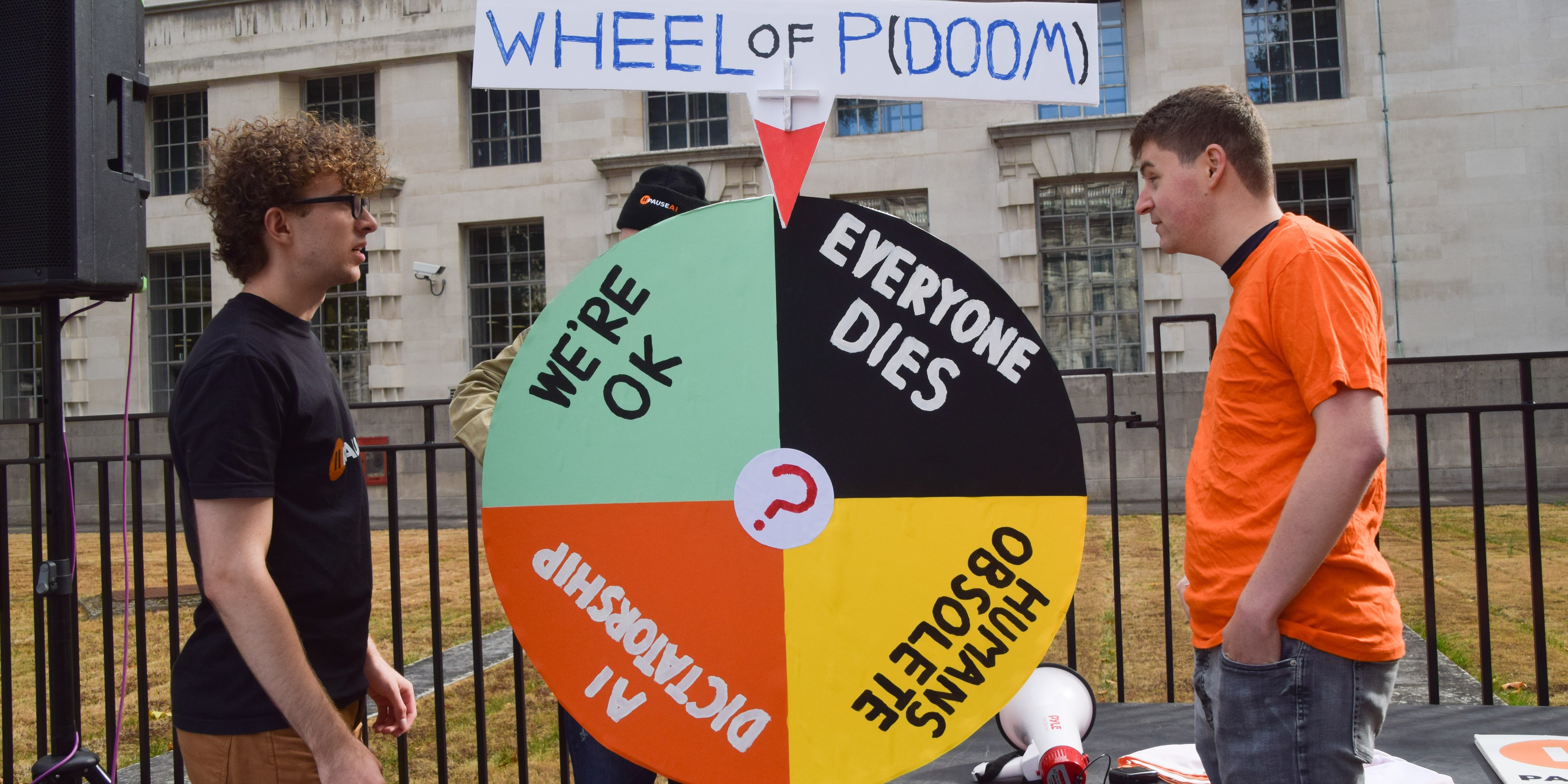
AI Almost Started a U.S.–China War — and No One Seems to Care

アメリカ軍によるイランの小学校へのミサイル攻撃はデータベースの情報更新を怠りAIを過信したことが一因だったとの報道

AI got the blame for the Iran school bombing. The truth is far more worrying

Meet the Gods of AI Warfare
AI Warfare Is Already Here
