How Text-to-Image AI Works, What AI Image Generators Can Create
Overview Text prompts can be transformed into photographs, artwork, concepts, characters and creative visuals.Many modern generators progressively remove noise

How Text-to-Image AI Works, What AI Image Generators Can Create
Overview Text prompts can be transformed into photographs, artwork, concepts, characters and creative visuals.Many modern generators progressively remove noise
Machine Learning Algorithms, Applications: Key Methods, Real-World Uses
Key Takeaways Traditional algorithms such as regression, decision trees, boosting, clustering, and PCA remain highly useful for practical ML problems.Neural net

ハルシネーション排除、最大200倍高速――元OpenAI研究者の新AI「Jev」は何が違うのか
TypeSafe AIは、自動化に特化した新AIモデル「Jev」の早期アクセス提供を開始した。文字列生成を廃止し、従来のLLM比で最大200倍の高速化とハルシネーション排除を実現したという。
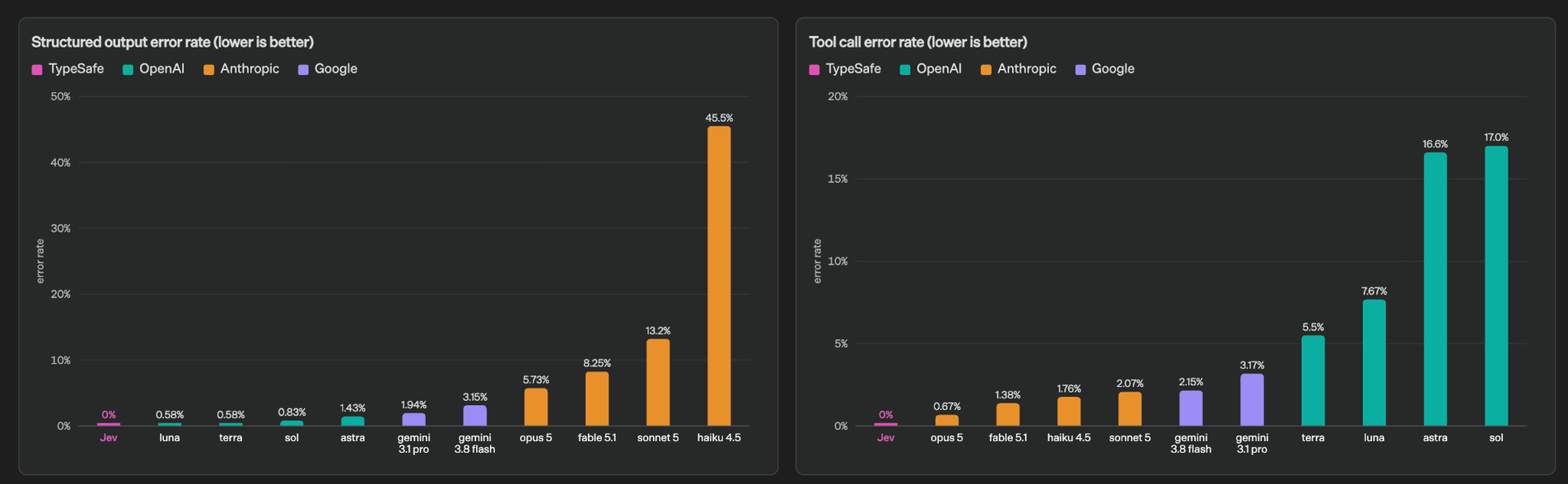
Jev introduces a new shape of LLM—System One, aka Decision Models
Last week TypeSafe AI unveiled Jev, their first example of a new category of model that they are calling “System One models” (I’m with Maggie Appleton, I think “decision models” …
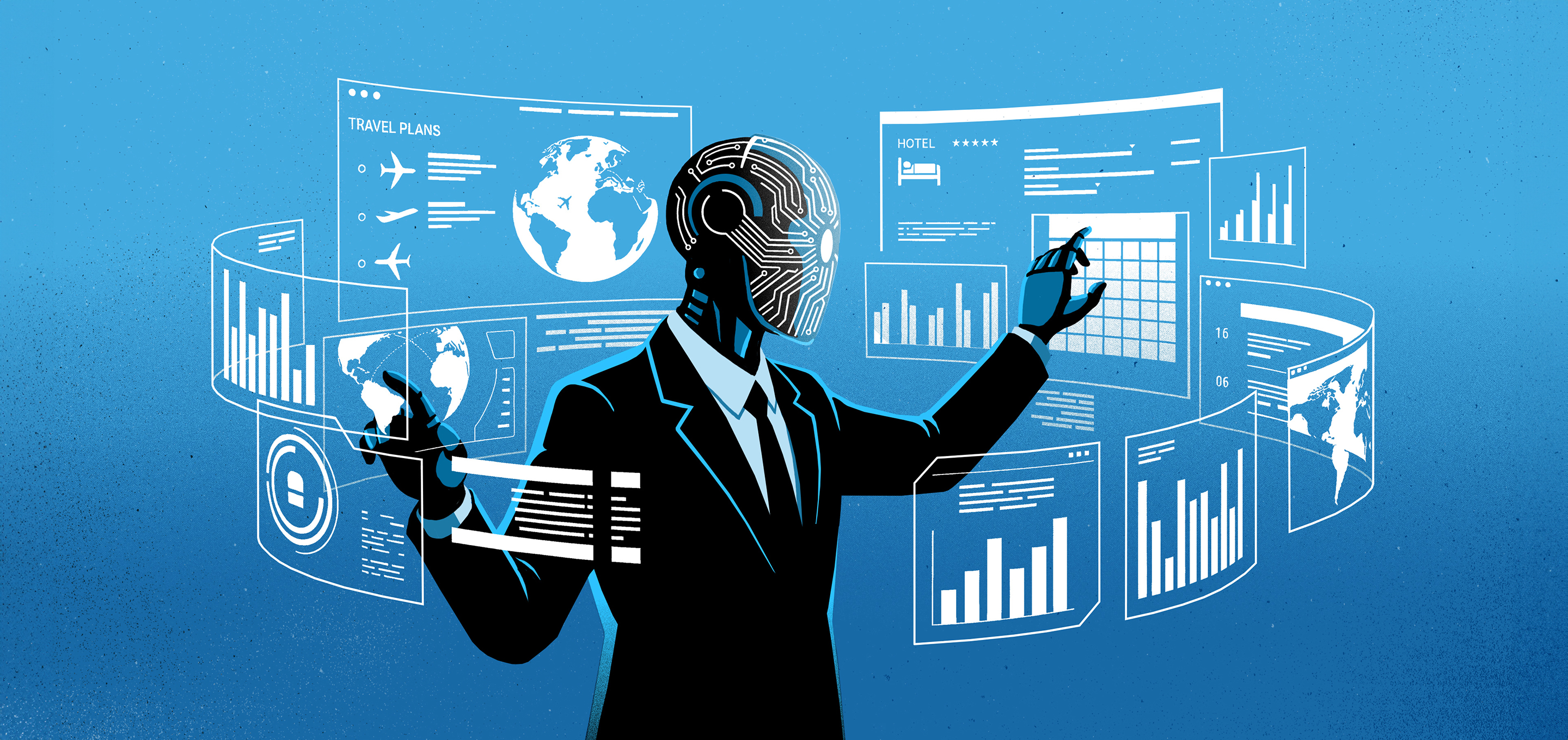
Agentic AI, explained | MIT Sloan
The age of agentic AI — systems that are semi- or fully autonomous and can act on their own — has arrived. Here’s what you need to know, according to MIT experts.
LTT Labs
Welcome to LTT Labs - your go-to destination for all things tech. Explore comprehensive test results, insightful commentary, and the latest analysis in hardware.
LTT Labs
Welcome to LTT Labs - your go-to destination for all things tech. Explore comprehensive test results, insightful commentary, and the latest analysis in hardware.

LTT Labs
Welcome to LTT Labs - your go-to destination for all things tech. Explore comprehensive test results, insightful commentary, and the latest analysis in hardware.

LTT Labs
Welcome to LTT Labs - your go-to destination for all things tech. Explore comprehensive test results, insightful commentary, and the latest analysis in hardware.
Why AI food looks like that
Worms, holes, and cracks reveal the technical weaknesses of image generators.

Technical Report: Playing Pretend: Expert Personas Don't Improve Factual Accuracy
[vc_row martech_row_background_position=”None” css=”.vc_custom_1742942106856{margin-bottom: 24px !important;}”][vc_column][/vc_column][/vc_row][vc_row martech_row_background_position=”None” css=”.vc_custom_1750970721780{margin-bottom: 40px !important;}”][vc_column width=”5/6″ css=”.vc_custom_1750970738029{margin-bottom: 40px !important;}”][vc_column_text css=”.vc_custom_1764963741477{margin-bottom: 1em !important;}”]This study investigates whether persona prompting improves AI performance on challenging academic benchmarks. We find that despite widespread adoption, assigning expert personas (e.g., “You are a world-class physics expert”) does not reliably improve accuracy. Domain-mismatched…Read More

政府AI「源内」とは? その“中身”から仕組み、用途まで徹底解説
日本政府の職員向け生成AI利用環境「源内」が、全府省庁18万人を対象に大規模実証の段階に入った。近年よく話題に上るガバメントAIについて、その中身から仕組み、用途まで解説する。

Model system cards
Anthropic is an AI safety and research company that's working to build reliable, interpretable, and steerable AI systems.

Collection

Updated 17d
* I’m neither “pro-AI” nor “anti-AI.” I’ve been blocked for being perceived as both. —Actually, I’m honestly more anti-AI than pro-AI thus far, aside from specialized models and specific use cases, but I’m willing to consider information that’s new to me
Claude Opus 5.5 anthropic.com/claude-opus-5-5
genuinely, if you're not re-evaluating your position on AI at least once every 1-2 months and re-evaluating how it performs for the types of tasks important to you, then you are not actually challenging your priors. i know this is crazy! but thats how fast things are moving right now.

hailey
one thing i will say is that things are changing fast enough that if your priors are more than a month old, you need to challenge them again! astra for example is a very significant step forward for a lot of people's tasks.
My impression is that AI coding is on a "pick two of three" triangle: scope, ship speed, and correctness. Small tools are (speed + correctness) fast prototypes are (speed + scope) and big projects are (scope + correctness). Every project that tries to be all three degrades to "fast prototype."
Human-powered AI*
Data labeling, user data being sent to human contractors for processing (e.g. humans making phone calls for Meta’s Muse), etc. * I’m neither “pro-AI” nor “anti-AI.” I’ve been blocked for being perceived as both. —Actually, I’m honestly more anti-AI than pro-AI thus far, aside from specialized models and specific use cases, but I’m willing to consider information that’s new to me

Meta Tests Muse AI Agent Calls That Are Actually Made By Humans in a Call Center

Meta cuts contractors who reported seeing Ray-Ban Meta users have sex

Humans Are Reading Copilot Prompts — And They're Horrified
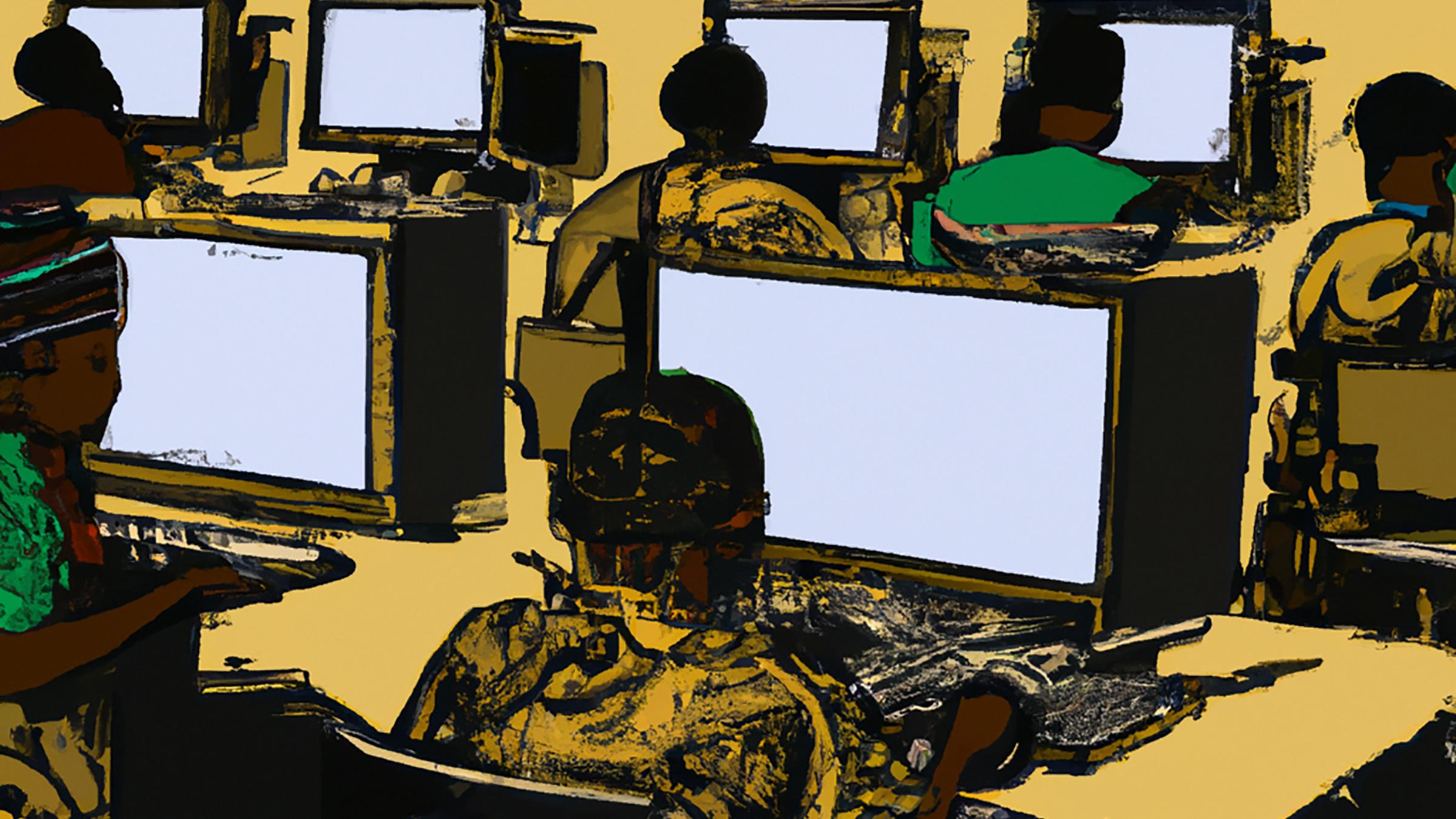
Exclusive: The $2 Per Hour Workers Who Made ChatGPT Safer

Inside ‘Project Lily’: The Humans Reading Your ChatGPT Chats
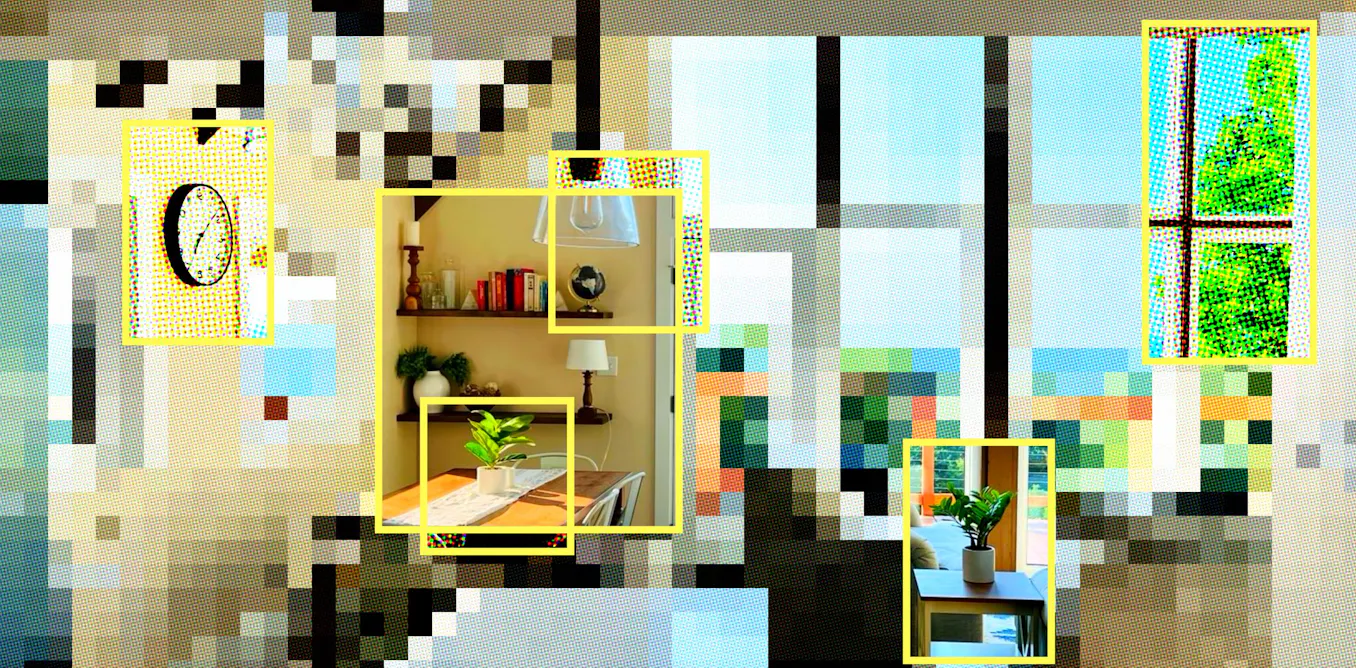
An AI job boom? Here’s what the tedious, temporary work in data labelling is actually like


