Accenture Tells Employees They Can Now Spend Only $29 on Claude Per Month
Some employees who spend as much as $1,000 on Claude usage each month are scrambling to find ways to maintain access to the tool.

Book Publishers Are Quietly Using More AI. Staff Are Revolting
Workers at three major publishing houses tell WIRED that LLMs are being used for publicity, cover art, back cover copy, and emails, as some execs push junior staff to champion the tech.

Misuse of AI is brands’ top reputational threat, new survey says
The findings come after warnings from tech leaders that AI placed in the wrong hands could trigger larger threats such as nuclear war or bioweaponry destruction

Proton survey: People don't trust AI, but they tell it everything | Proton
New research finds that most AI chatbot users have shared something sensitive, but few trust the companies behind them.

Do Americans trust AI news summaries? [Reality checks ft. Vince Nero]
Reality checks with Brian Reitz features BuzzStream's Vince Nero, covering U.S. AI news summary consumption habits, delving into trust, adoption, and behaviors.

People know AI is risky. They just don’t know what to do about it. | TrendLife Blog
New international research from TrendLife reveals a wide gap between AI adoption and awareness of AI-powered threats.
TrendLife Study Shows AI Is Moving Fast, but Consumers and Families are Being Left Behind
New study of over 10,000 consumers across 9 countries reveals worry exceeds excitement about generative AI as most lack the tools and confidence to use it safely TOKYO, May 6, 2026 /PRNewswire/ --...

TrendLife “AI時代のデジタルライフ”に関する調査結果を発表 | トレンドマイクロ
「TrendLife “AI時代のデジタルライフ”に関する調査結果を発表」を本日公開したことをお知らせします。

"Okay, I've Actually Softened My Take on This": How People in Decentralized Social Media Reason about the Appropriateness of Generative AI
Generative AI (GenAI) is increasingly integrated into social media, raising questions about whether, where, and how it belongs. In decentralized social media (DSM), these decisions are distributed across users, developers, moderators, and administrators, making GenAI a collective governance challenge. At the same time, public discourse often flattens arguments to broad pro- or anti-AI positions that offer little insight into what people actually find (in)appropriate and why. Through 20 semi-structured interviews with people from Mastodon and Bluesky, structured around seven GenAI scenarios, we examine how people reason about GenAI's appropriateness in DSM. We find that participants drew conditional boundaries around particular GenAI configurations through distinct, salient, and weighted considerations spanning technology, integration, and use. We conceptualize this as boundary drawing and show how making such boundaries visible can support more grounded design, policy, and collective deliberation around GenAI in DSM.

Pentagon boasts of using AI to write reports mandated by Congress
Pentagon also claims 1.5 million personnel are using generative AI tools.

AI is becoming a shopping channel: report
And 34% of shoppers now use the tech

3D Model Market Trends 2026: Growth Raised the Bar | Blog
Our new market report is out, and it tells a story we are proud to publish.
The Economy Has Spoken: Stuff That’s AI-Generated Has Almost Zero Value
3D assets marketplace CGTrader is being flooded by AI slop, but nobody is buying it, suggesting AI isn't "repricing the market."

生成AIを「別画面」で使い続けて本当によいのか? 300人調査で見えた活用定着の“壁”
生成AIの活用が広がる一方、最も定着している業務でも、7割は業務システムとは別の画面で生成AIを利用していた。こうした状況は、生成AI活用にどのような影響を及ぼしているのか。調査結果から実態を探る。

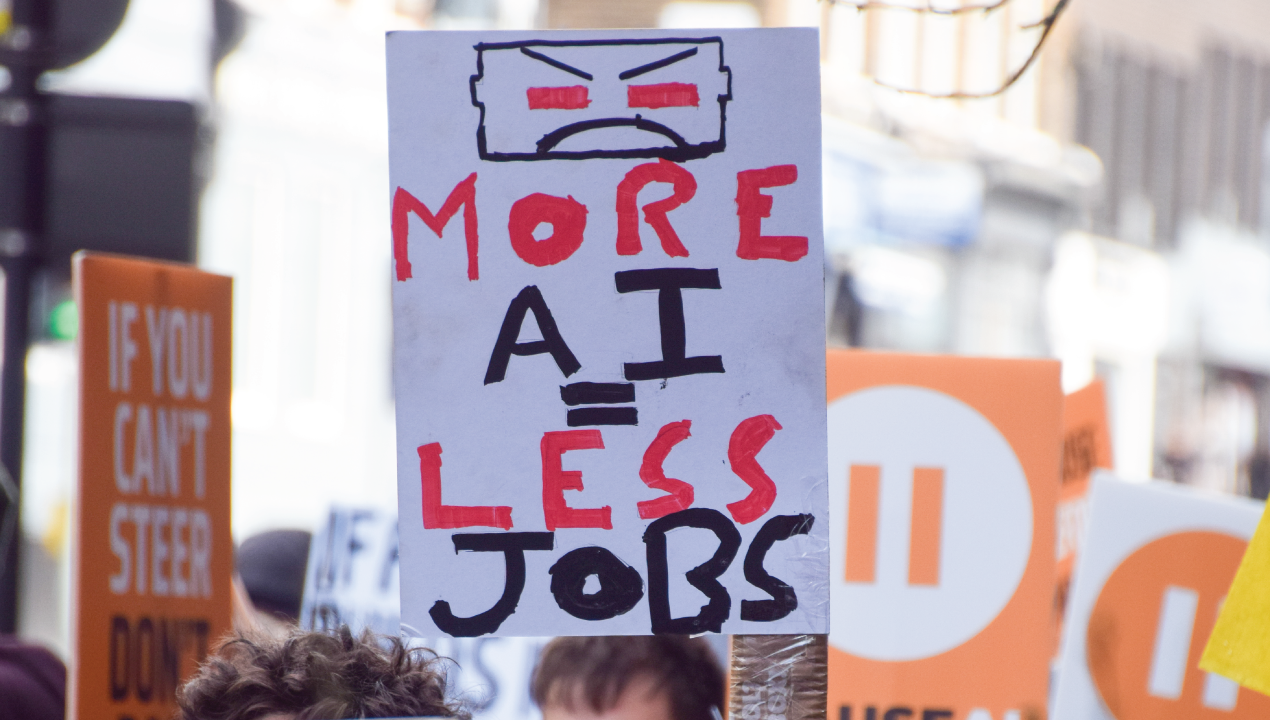
Globally, More People Expect AI to Cause Job Loss Than Growth
Amid a mix of concern and excitement about AI, a 37-country survey finds pessimism about its potential impact on jobs and economic inequality.

What the data says about Americans’ views of artificial intelligence
Drawing on five years of Pew Research Center surveys, here are 13 findings about how Americans use and view AI, and where they see promise and risk.

AI for Law Firms: What the 8am Legal Industry Report Tells Us About AI Use
New data from 1,300+ legal professionals shows generative AI use has more than doubled year over year. The real question now: How should law firms structure governance and integration?

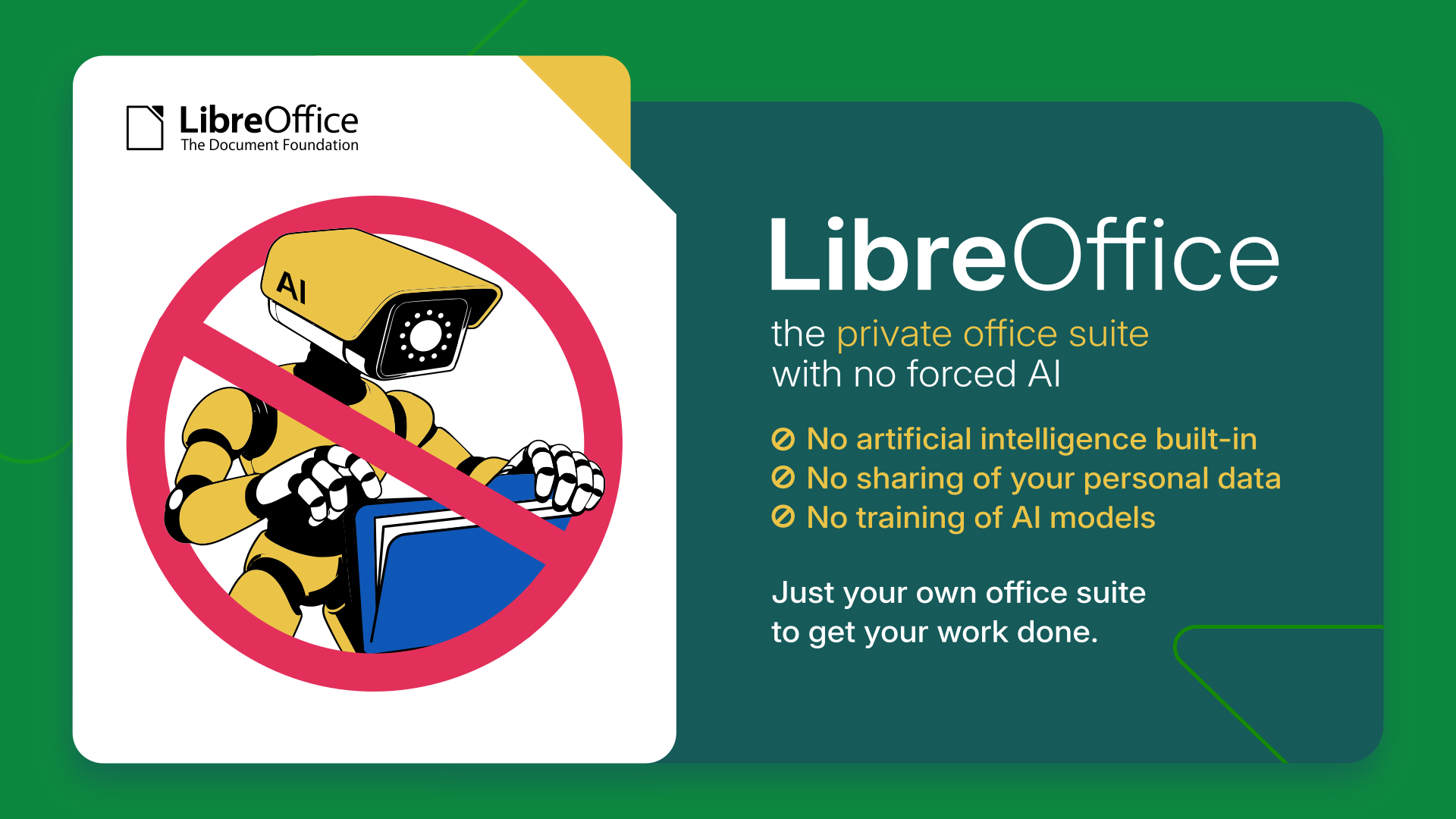
Yes, no AI is now a feature - TDF Community Blog
One of the comments on the announcement of LibreOffice 26.8 was a simple question: “So, no AI is now a feature?” LibreOffice does not reject artificial intelligence out of hand, but an office suite used by tens of millions of people – in schools, hospitals, public bodies, law firms and thousands of other organisations – will not add a feature to its default configuration until that feature can be delivered under the conditions defined by the project in accordance with its principles. User-controlled execution. The user must be able to choose where inference takes place: on the local computer, on an infrastructure directly controlled by the user, or on a service chosen independently by the user. A default setting that silently redirects to a single provider is not a choice. No content may leave the computer without authorisation. The content of documents is a user’s asset and, in many implementations, is also legally protected material: medical records, case files, tender documents and student data. Transmission must be the result of a user’s decision and not behaviour carried out in the background by the application. No telemetry of any kind. LibreOffice does not collect usage data, and this must also apply