* I’m neither “pro-AI” nor “anti-AI.” I’ve been blocked for being perceived as both. —Actually, I’m honestly more anti-AI than pro-AI thus far, aside from specialized models and specific use cases, but I’m willing to consider information that’s new to me
Library: Faculty Guide to Generative AI: Welcome

Topics, Authors, and Institutions in Large Language Model...
Large language models (LLMs) are dramatically influencing AI research, spurring discussions on what has changed so far and how to shape the field's future. To clarify such questions, we analyze a...

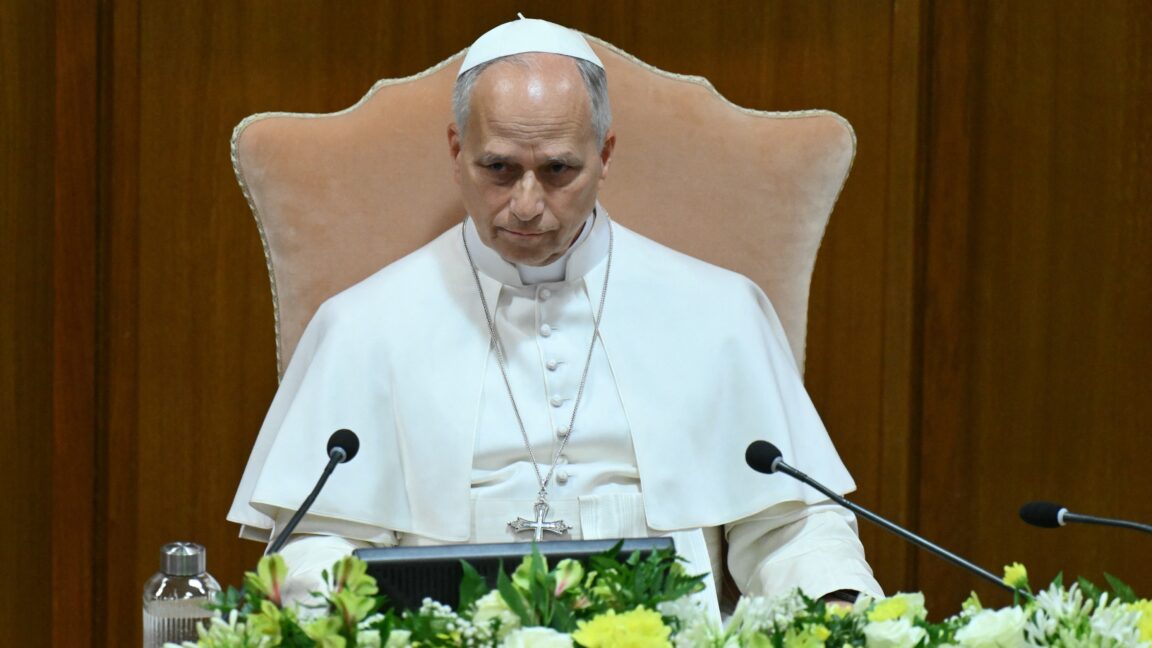
Citing Gandalf, Pope Leo says we must "disarm" AI
In an age of AI, Pope looks for "artisans of hope."

Encyclical Letter of His Holiness Leo XIV Magnifica Humanitas (15 May 2026)
ENCYCLICAL LETTER MAGNIFICA HUMANITAS OF HIS HOLINESS POPE LEO XIV ON SAFEGUARDING THE HUMAN PERSON IN THE TIME OF ARTIFICIAL INTELLIGENCE [ Multimedia ] ___________________________
Pope Leo calls for being ‘profoundly human’ in the age of AI
AI has been a core part of Pope Leo’s papacy

Stuck in the middle: Being an engineer & artist in the AI era | Annie Sexton | Offprint
I'm an AI skeptic, through and through. But I also voluntarily use AI nearly every day. So naturally, you might be asking: what the heck?

Human perspectives on AI · Global Voices
This GV Spotlight edition will explore how the use of, promotion of, and resistance to artificial intelligence is playing out for the Global Majority.

Gradual Disempowerment: Systemic Existential Risks from Incremental AI Development
This paper examines the systemic risks posed by incremental advancements in artificial intelligence, developing the concept of `gradual disempowerment', in contrast to the abrupt takeover scenarios commonly discussed in AI safety. We analyze how even incremental improvements in AI capabilities can undermine human influence over large-scale systems that society depends on, including the economy, culture, and nation-states. As AI increasingly replaces human labor and cognition in these domains, it can weaken both explicit human control mechanisms (like voting and consumer choice) and the implicit alignments with human interests that often arise from societal systems' reliance on human participation to function. Furthermore, to the extent that these systems incentivise outcomes that do not line up with human preferences, AIs may optimize for those outcomes more aggressively. These effects may be mutually reinforcing across different domains: economic power shapes cultural narratives and political decisions, while cultural shifts alter economic and political behavior. We argue that this dynamic could lead to an effectively irreversible loss of human influence over crucial societal systems, precipitating an existential catastrophe through the permanent disempowerment of humanity. This suggests the need for both technical research and governance approaches that specifically address the risk of incremental erosion of human influence across interconnected societal systems.

Taking AI Doom Seriously For 62 Minutes
AI slop has hit the science creators
This is Going to be Very Messy
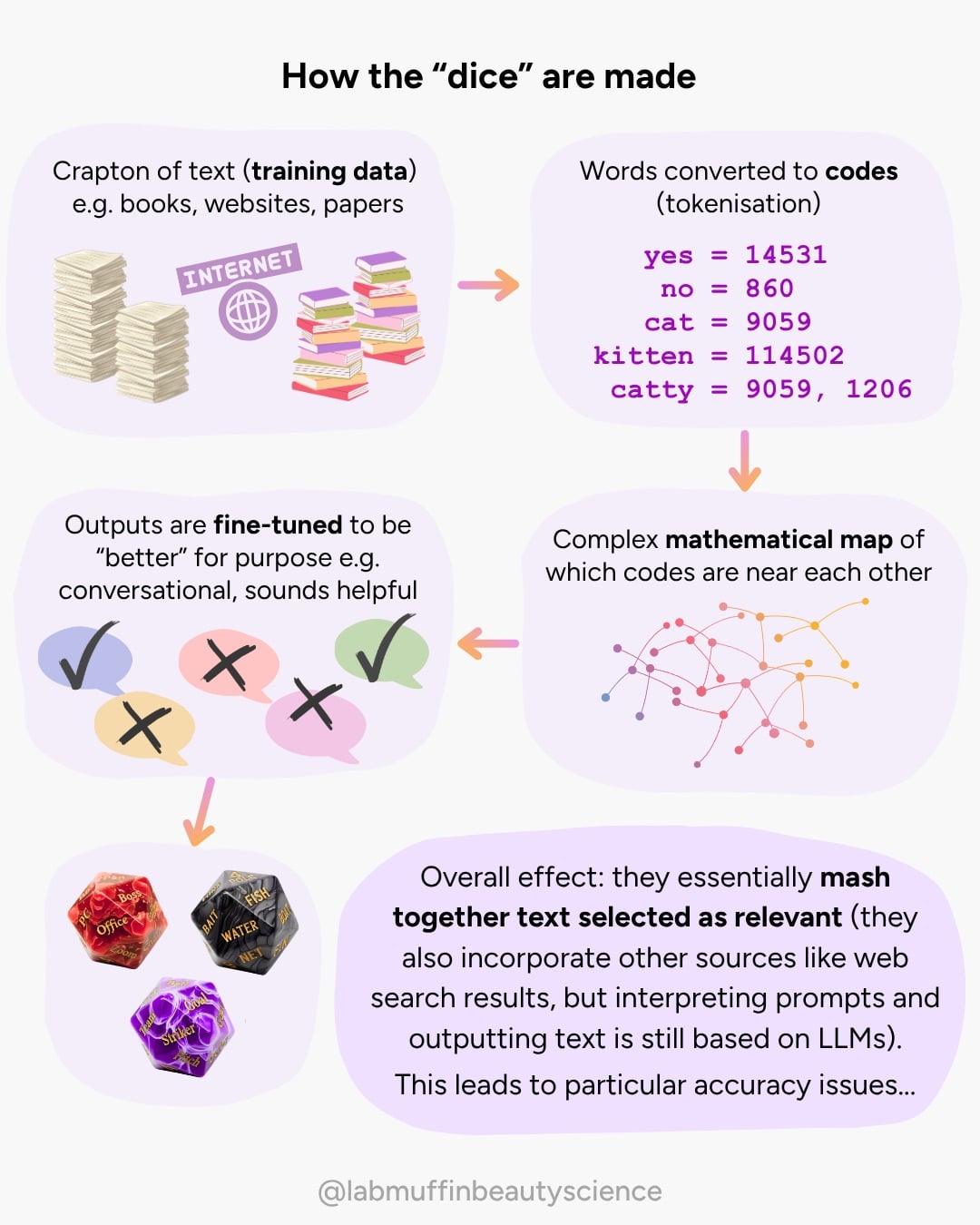
Here’s why AI chatbots (Claude, ChatGPT, Gemini etc) are unreliable for science content, and terrible as “just a starting point” for science communicators. Unfortunately, this probably isn’t something AI chatbots get much better at… although sloppers will get better at hiding it!
i hope people keep saying pro-cancer, anti-ai things in prestige publications. i know they think it and i want as many receipts as i can get
The Atlantic
Emma Pierson could directly benefit if AI cured cancer. Yet, she writes, as a professor of AI who was once mentored by Anthropic’s co-founder, she’s rooting for AI progress to slow down.