AI Company Lets Cops Pinpoint Specific Houses Based on a Single Interior Photo
Raven, previously called GeoSpy, lets cops figure out what specific Airbnb or Zillow property a photo was taken in.
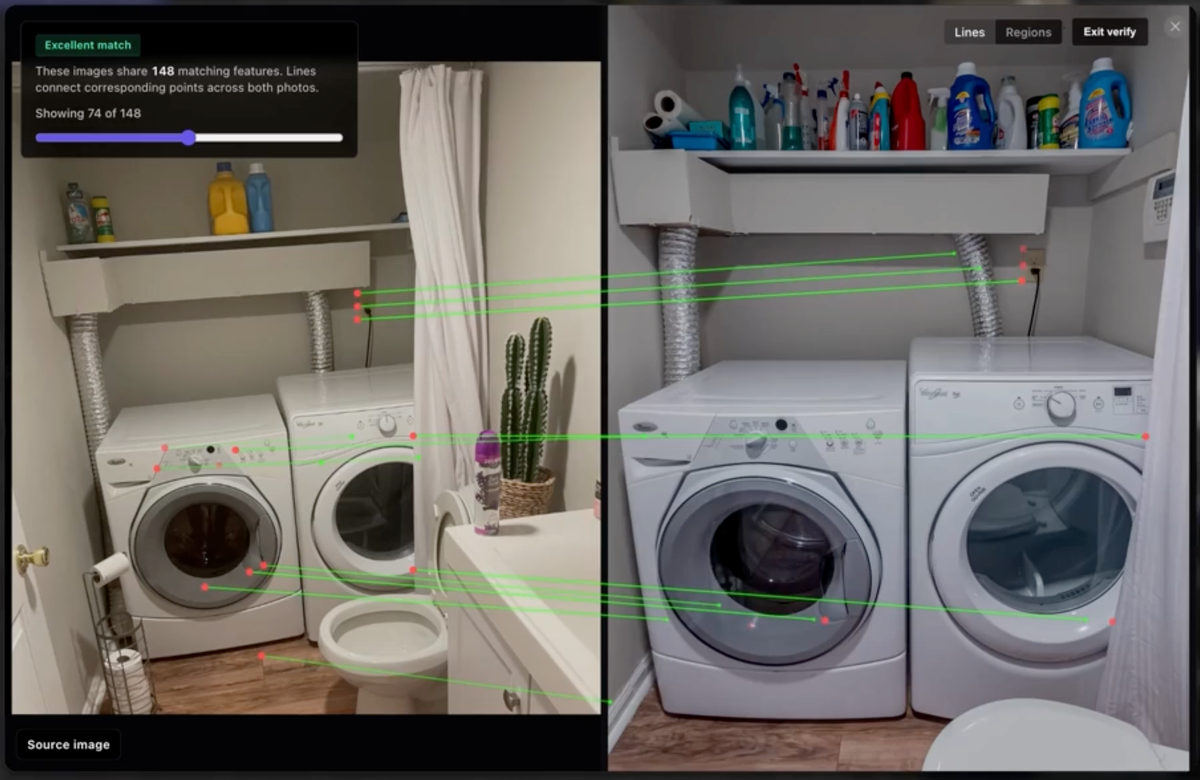
AI Company Lets Cops Pinpoint Specific Houses Based on a Single Interior Photo
Raven, previously called GeoSpy, lets cops figure out what specific Airbnb or Zillow property a photo was taken in.
AI Almost Started a U.S.–China War — and No One Seems to Care
The tech world is too busy dreaming up imaginary doomsday scenarios to focus on a very real one that flared up between nuclear powers.
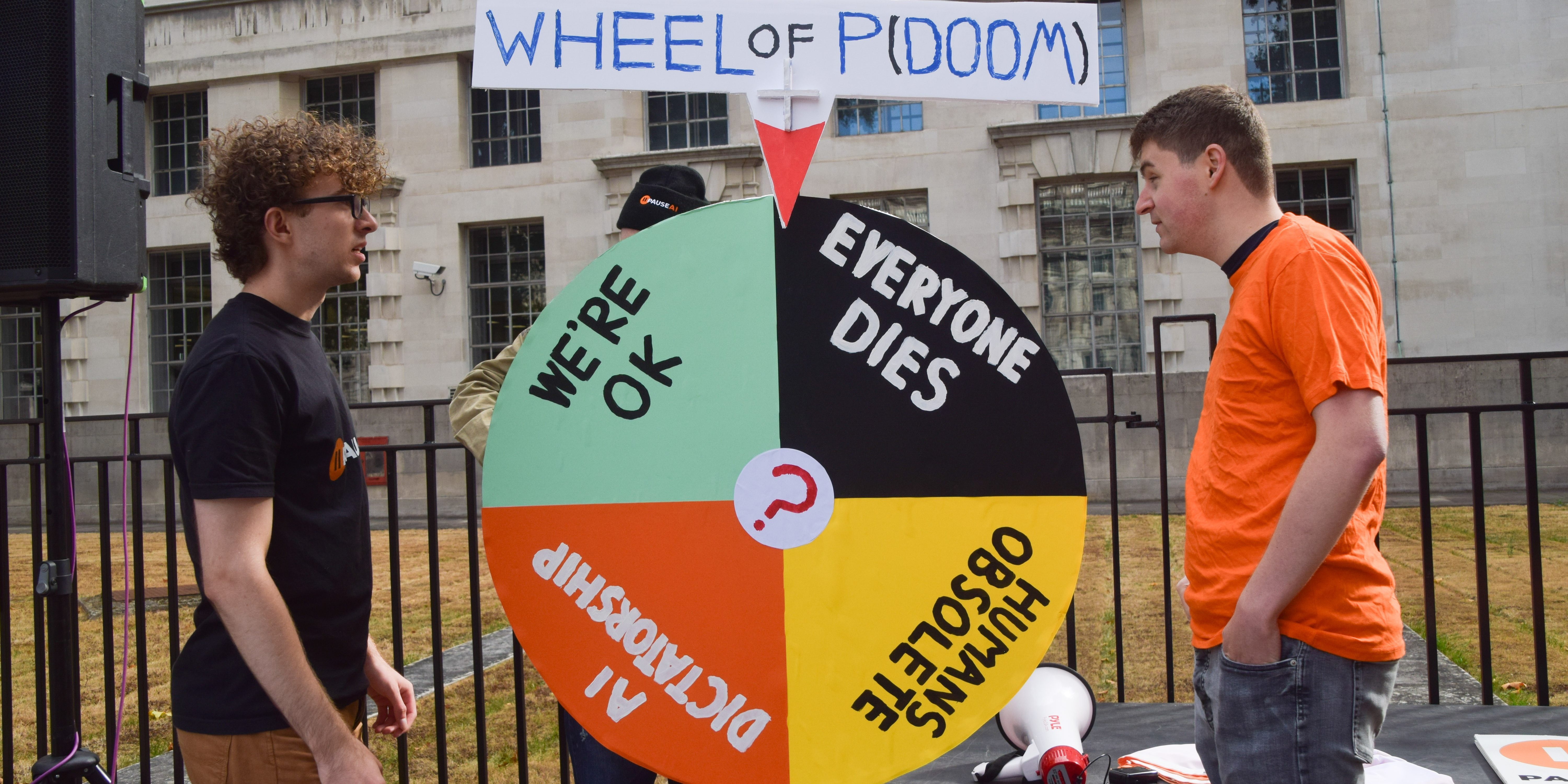
アメリカ軍によるイランの小学校へのミサイル攻撃はデータベースの情報更新を怠りAIを過信したことが一因だったとの報道
2026年2月にイラン南部の小学校へアメリカ軍のミサイルが着弾し、少なくとも123人の子どもを含む150人以上が死亡しました。経済紙・Bloombergの取材に応じた匿名の当局関係者によると、学校の敷地がイラン革命防衛隊の施設としてデータベースに登録されたままであったことが、小学校にミサイル攻撃が行われた一因だそうです。
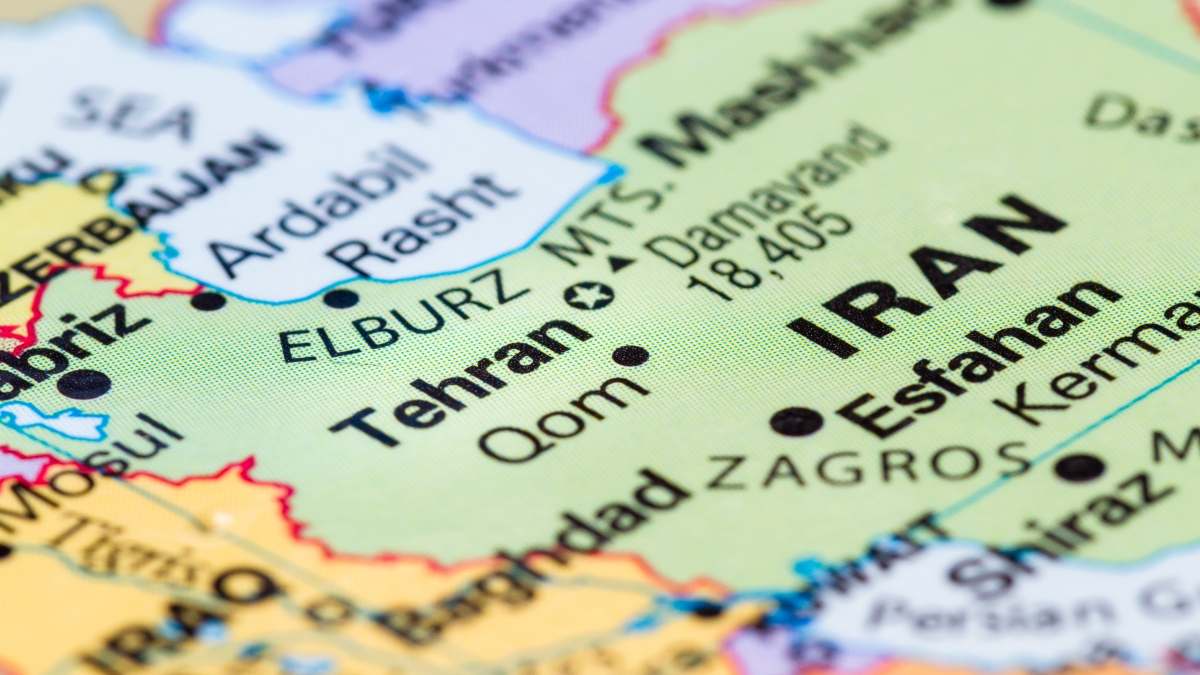
AI got the blame for the Iran school bombing. The truth is far more worrying
LLMs-gone-rogue dominated coverage, but had nothing to do with the targeting. Instead, it was choices made by human beings, over many years, that gave us this atrocity

Meet the Gods of AI Warfare
In its early days, the AI initiative known as Project Maven had its fair share of skeptics at the Pentagon. Today, many of them are true believers.

AI Warfare Is Already Here
US military operators started out skeptical about AI, but now they are the ones developing and using Project Maven to identify targets on the battlefield.
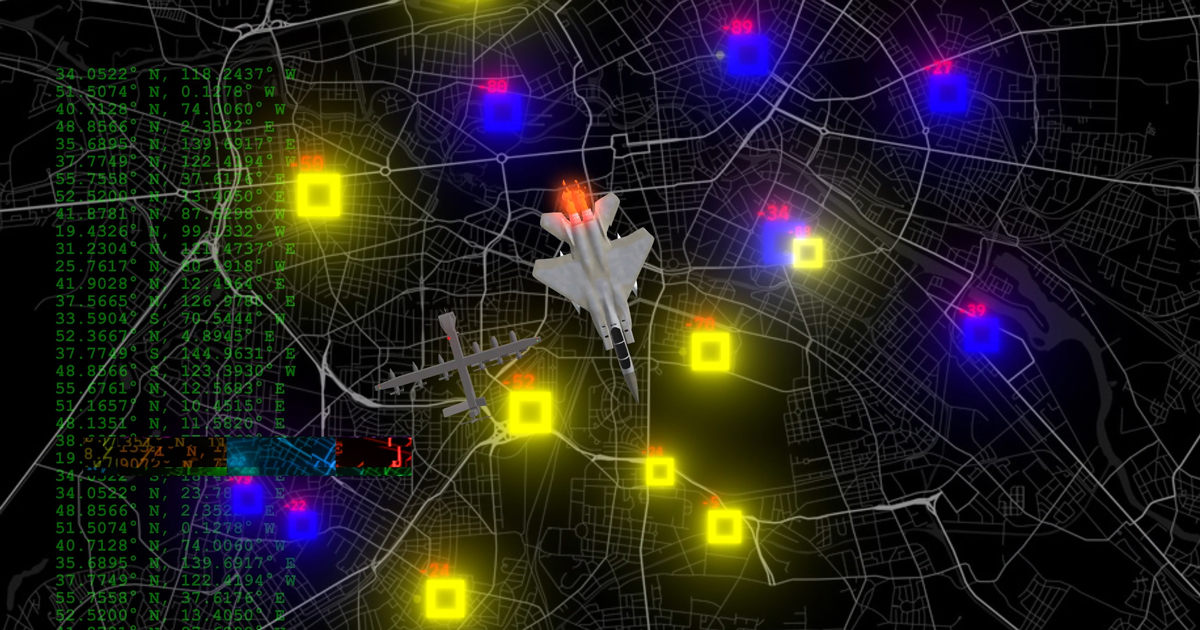
Palantir grabbed Project Maven defense contract after Google left the program: sources
Palantir is working with the US Department of Defense to build artificial intelligence that can analyze drone footage.
Inside the US ‘Kill Chain’ That Destroyed an Iranian School
Pentagon investigators have discovered that flawed intelligence, outdated imagery and an overreliance on AI contributed to a missile strike that killed 123 children in Minab.
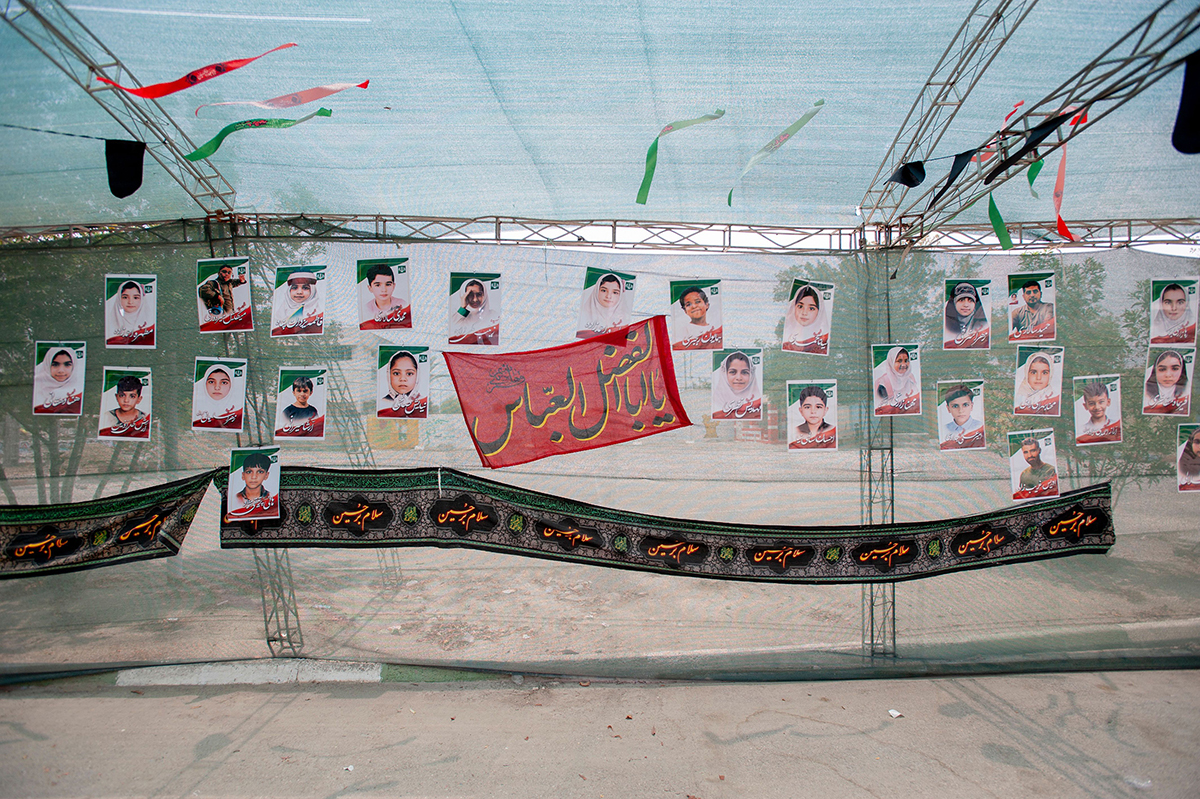
Reporting Confirms: Stupid Over-Reliance On Palantir AI Helped Lead To US Bombing Of Iranian Schoolgirls
In the piece Dave Willner and I published last week about why “the apocalypse won’t be sexy,” we discussed how the real threat wasn’t “rogue” out of control AI t…

The Powerful AI Tool That Cops (or Stalkers) Can Use to Geolocate Photos in Seconds
For months members of the public have been using GeoSpy, a tool trained on millions of images that can find the location a photo was taken based on soil, architecture, and more. It's GeoGuesser at scale.
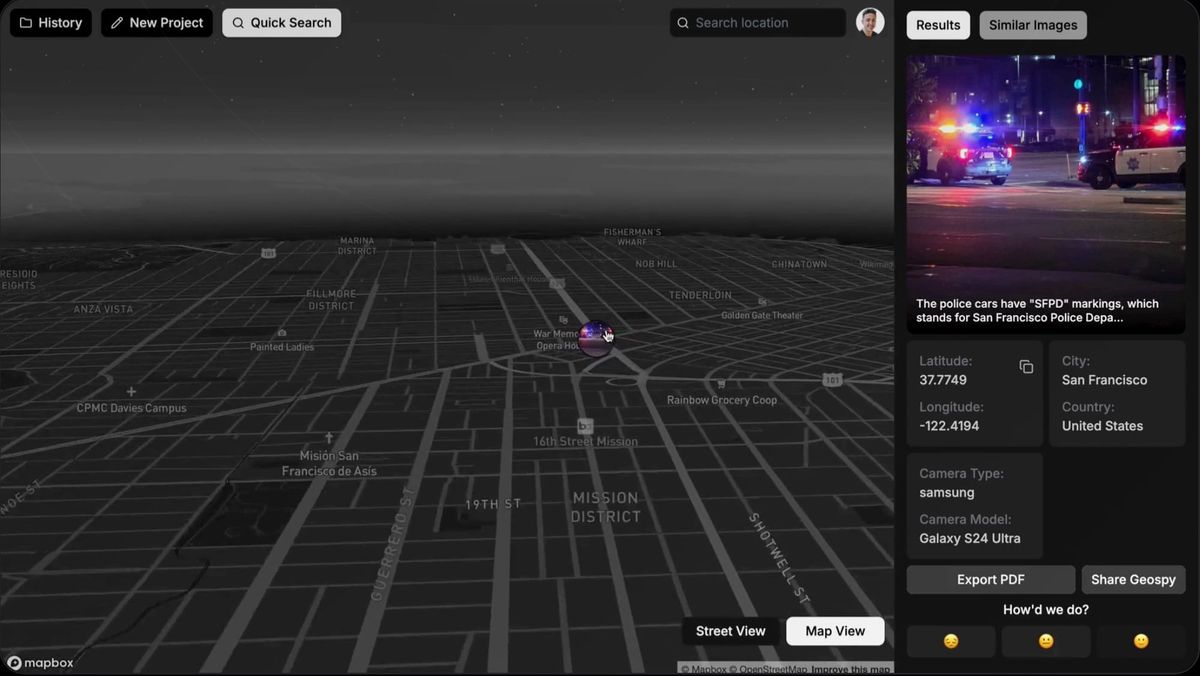
Cops Are Buying ‘GeoSpy’, an AI That Geolocates Photos in Seconds
404 Media has obtained a cache of internal police emails showing at least two agencies have bought access to GeoSpy, an AI tool that analyzes architecture, soil, and other features to near instantly geolocate photos.
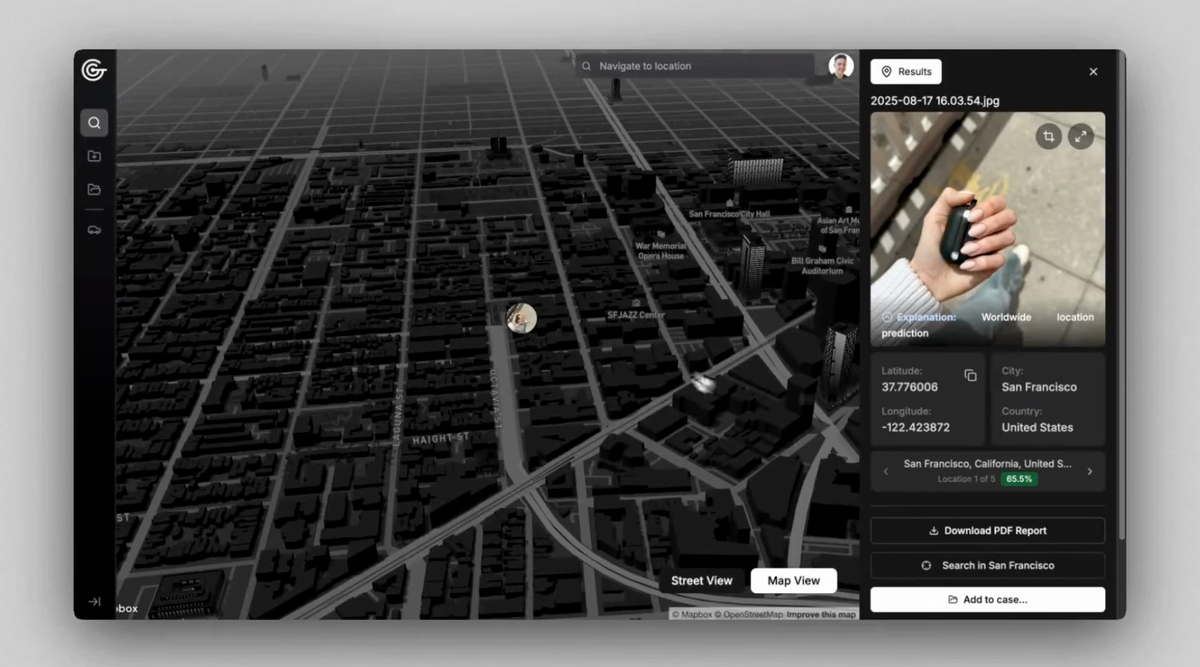
Black Migrants Bear Brunt of ICE's Facial Recognition Push
The racialized, uneven consequences of these technologies often go unscrutinized, write Tsion Gurmu, Nekessa Opoti and Fatima Mohamed.

The Influence of AI on Human Decisions in DHS Surveillance
DHS avoids classifying AI tools as high-risk by arguing a human reviews the AI’s output. But this defense rests on a fallacy, writes Emily Froude.
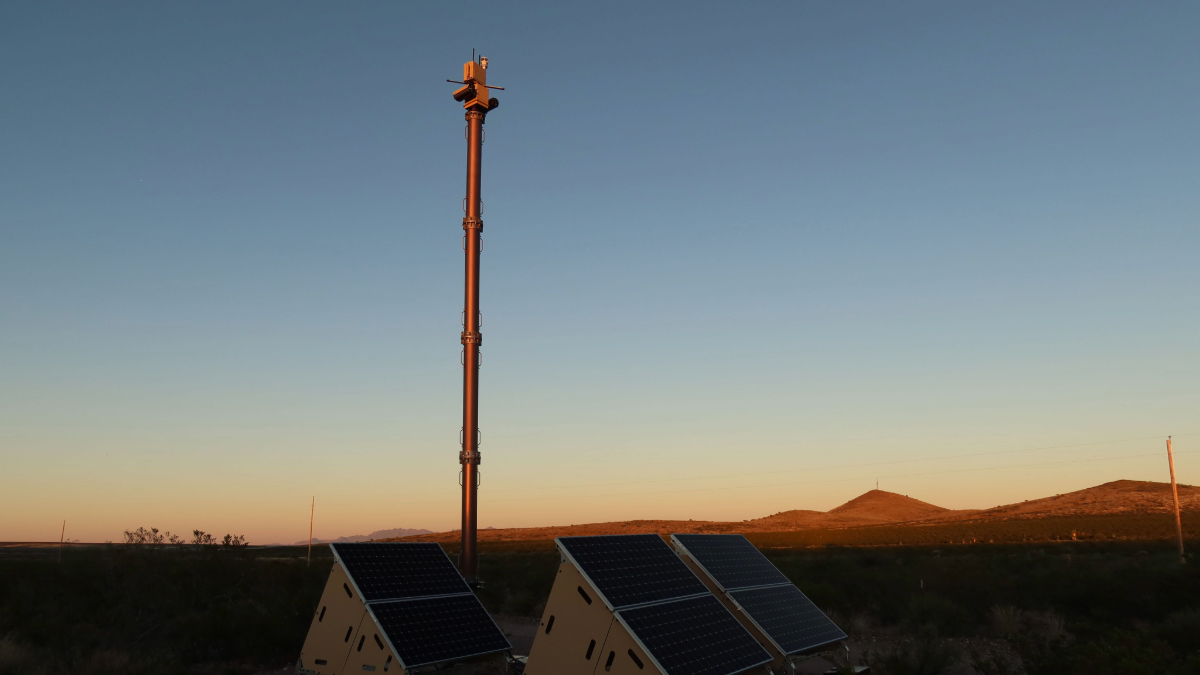
「中国船が核兵器部品を輸送」 米軍、AI使用の誤った情報報告書で一触即発の状況に
イランとの戦争のさなかにあった今春、米軍内で回覧されたある情報報告書に、即座に緊張が走った。中東を航行する中国の船舶が、核兵器計画の部品を輸送しているという内容だった。 - (1/2)


Inside the US ‘Kill Chain’ That Destroyed an Iranian School
Pentagon investigators have discovered that flawed intelligence, outdated imagery and an overreliance on AI contributed to a missile strike that killed 123 children in Minab.
Responsible use of AI in the military? US publishes declaration outlining principles
12 "best practices" for using AI and autonomous systems emphasize human accountability.
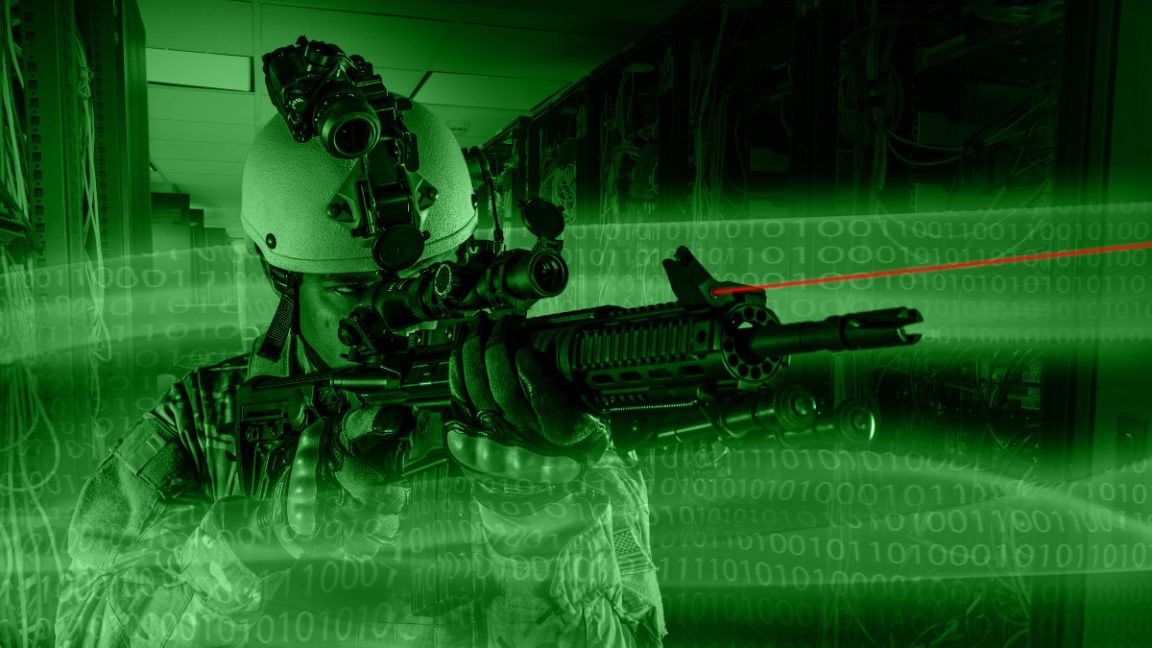
Pentagon boasts of using AI to write reports mandated by Congress
Pentagon also claims 1.5 million personnel are using generative AI tools.

Anthropic releases custom AI chatbot for classified spy work
Claude Gov" is already handling classified information for the US government.

Hegseth wants to integrate Musk’s Grok AI into military networks this month
US defense secretary announces plans for integration despite recent controversies.

Collection

Updated 8d
See also: fascism/discrimination/bias/politics semble.so/profile/aiueo.ooo/collections… * I’m neither “pro-AI” nor “anti-AI.” I’ve been blocked for being perceived as both. —Actually, I’m honestly more anti-AI than pro-AI thus far, aside from specialized models and specific use cases, but I’m willing to consider information that’s new to me