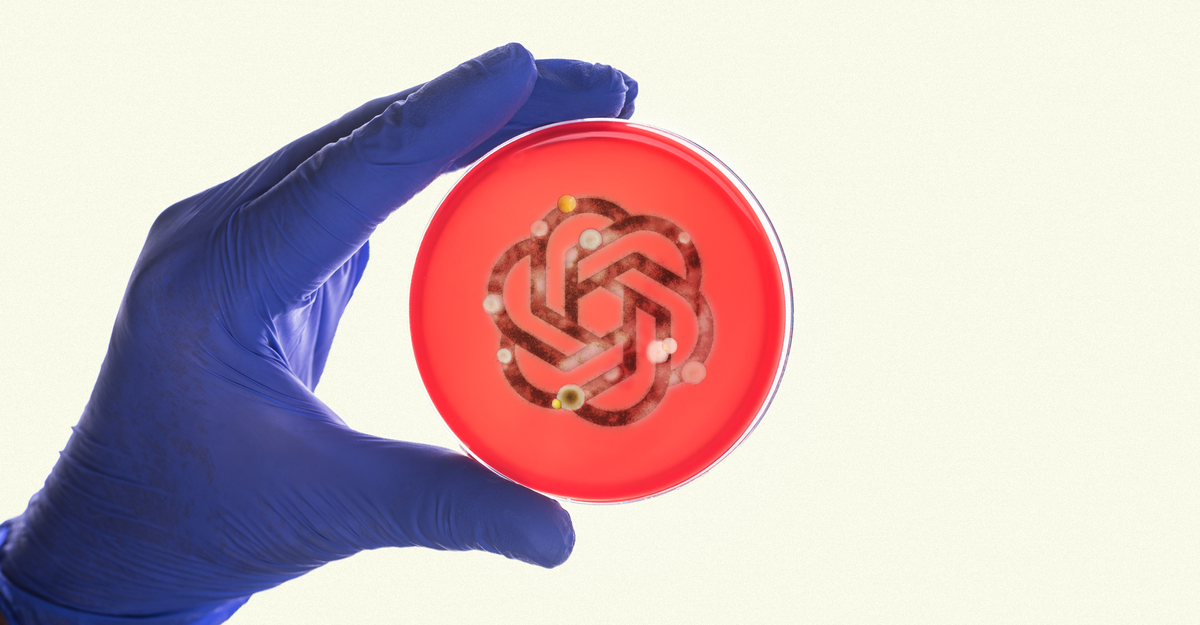
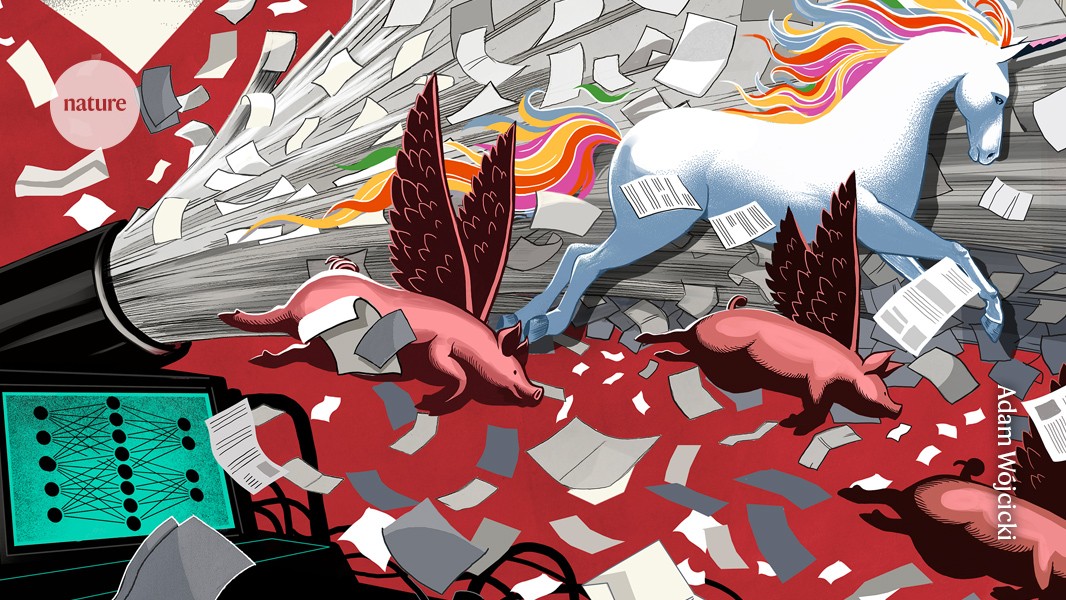
Company Offering ‘100% Human-Written, Never AI’ Medical Research Is Entirely AI
Research Gold's team of human methodologists are either AI generated or using the identity of real people without their permission
未査読論文リポジトリのarXivが「論文にLLMによる間違いや架空の引用が含まれていたら1年間投稿禁止」の方針を示す
オレゴン州立大学の名誉教授で未査読論文リポジトリ「arXiv」のコンピュータサイエンス部門責任者であるトーマス・G・ディータリッヒ氏が、「生成AIツールによる間違いは著者の責任とする」という新方針をX(旧Twitter)で打ち出しました。

Fraudulent citations, blamed on AI hallucinations, are becoming more common in research papers
“Fabricated” citations that do not reference real academic papers are spreading in the literature, polluting the public record of science, a new study found

Fabricated Citations — CITADEL
4,046 fabricated citations in the biomedical literature. A more than 12× rise in three years. Verified across PubMed, Crossref, OpenAlex, Google Scholar.
Fabricated citations: an audit across 2·5 million biomedical papers
Scientific literature depends on the integrity of its references. Each reference implicitly asserts that a verifiable source exists and supports the claims being made. When references point to non-existent studies, readers, reviewers, and policy makers are unable to evaluate the evidence.

Hallucinated citations are polluting the scientific literature. What can be done?
Tens of thousands of publications from 2025 might include invalid references generated by AI, a Nature analysis suggests.

Quotation errors in general science journals
Abstract. Due to the incremental nature of scientific discovery, scientific writing requires extensive referencing to the writings of others. The accuracy

Reapplying knowledge on sunscreen and photoprotection
This review aims to provide clinicians with a practical framework to educate patients on effective sun protection, including sunscreen use, and to address common barriers to adherence.
NeurIPS Poster Stop DDoS Attacking the Research Community with AI-Generated Survey Papers
Slides and Video for Stop DDoS Attacking the Research Community with AI-Generated Survey Papers

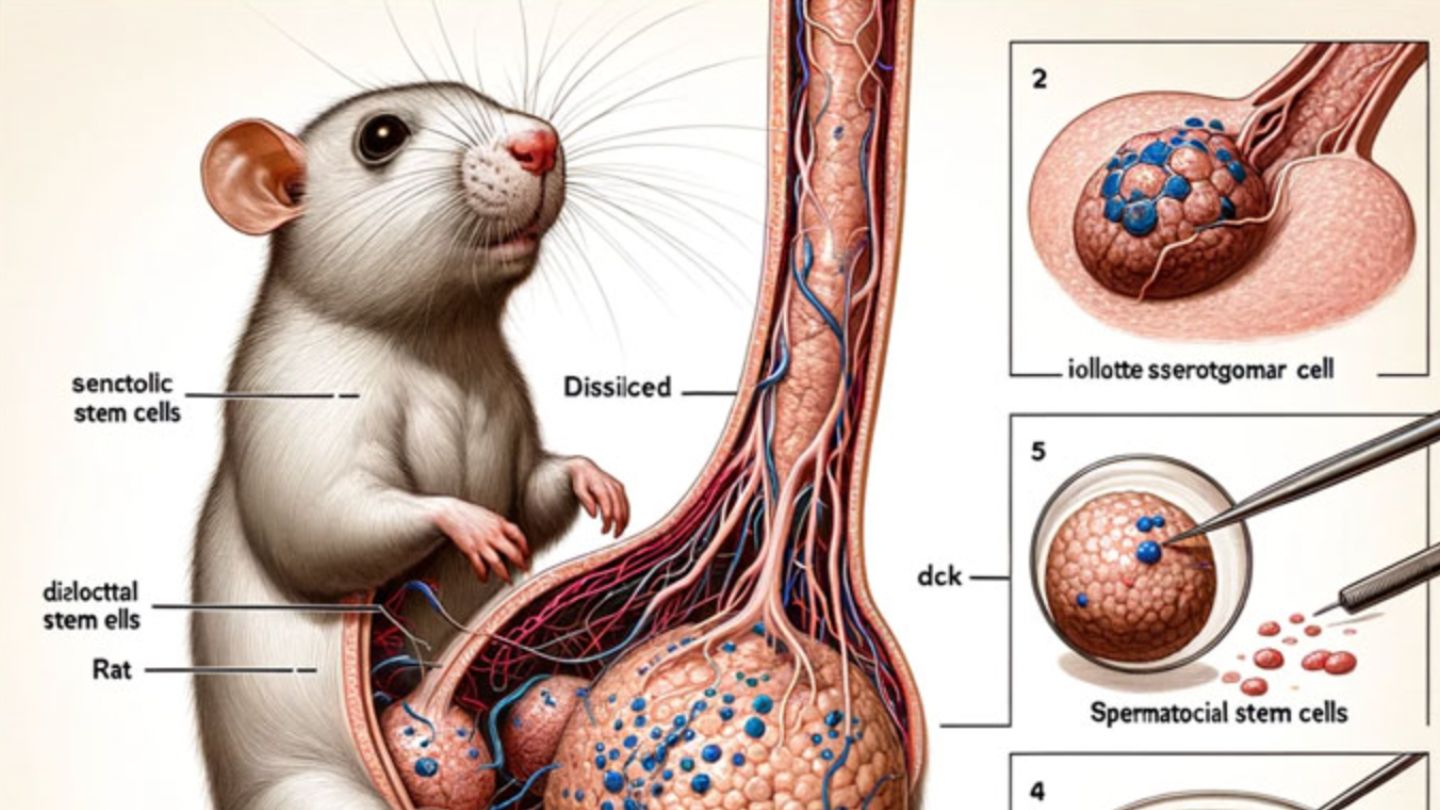
Study Featuring AI-Generated Giant Rat Penis Retracted, Journal Apologizes
A peer-reviewed study featured nonsensical AI images including a giant rat penis in the latest example of how generative AI has seeped into academia.

More than 10,000 research papers were retracted in 2023 — a new record
The number of articles being retracted rose sharply this year. Integrity experts say that this is only the tip of the iceberg.

Scientific Journals Are Publishing Papers With AI-Generated Text
The ChatGPT phrase “As of my last knowledge update” appears in several papers published by academic journals.
Papers and peer reviews with evidence of ChatGPT writing
Retraction Watch readers have likely heard about papers showing evidence that they were written by ChatGPT, including one that went viral. We and others have reported on the phenomenon. Here’…

Okay so, we just found that over 50 papers published at @Neurips 2025 have AI hallucinations by @alexcdot(Alex Cui) | Twitter Thread Reader
Okay so, we just found that over 50 papers published at @Neurips 2025 have AI hallucinations I don't think people realize how bad the slop is right now It's not just that researchers from @GoogleDeepMind, @Meta, @MIT, @Cambridge_Uni are using AI - they allowed LLMs to generate hallucinations in their papers and didn't notice at all. It's insane that these made it through peer review👇

AI linked to explosion of low-quality biomedical research papers
Analysis flags hundreds of studies that seem to follow a template, reporting correlations between complex health conditions and single variables based on publicly available data sets.

AFIM Documentation
1. Recently I’ve received lots of emails from people I don’t know personally, asking for my feedback on their books or papers. They explain the connection between my work and theirs and ask me to take a look. The catch, of course, is that the emails are transparently, obviously, written by AI.
I should’ve made this its own collection sooner * I’m neither “pro-AI” nor “anti-AI.” I’ve been blocked for being perceived as both. —Actually, I’m honestly more anti-AI than pro-AI thus far, aside from specialized models and specific use cases, but I’m willing to consider information that’s new to me
Absolutely incredible figure from this journal article arguing that AI should be accepted into the publication and peer review process. #MedSky doi.org/10.1515/cclm-2025-1180
wow — the preprint host, arxiv, is banning authors for a year if they submit papers with hallucinated citations 🤖
Helen Branswell 🇨🇦
I find this unsettling: A new study in #Lancet shows that the number of faux citations in scientific articles is on the rise, and #AI is likely to blame. @aniloza.bsky.social reports. statnews.com/2026/05/07/lancet-study-finds…