Collection
Depression

Updated 1mo
Collection
Updated 1mo
Dysregulated adult hippocampal neurogenesis in major depressive disorder
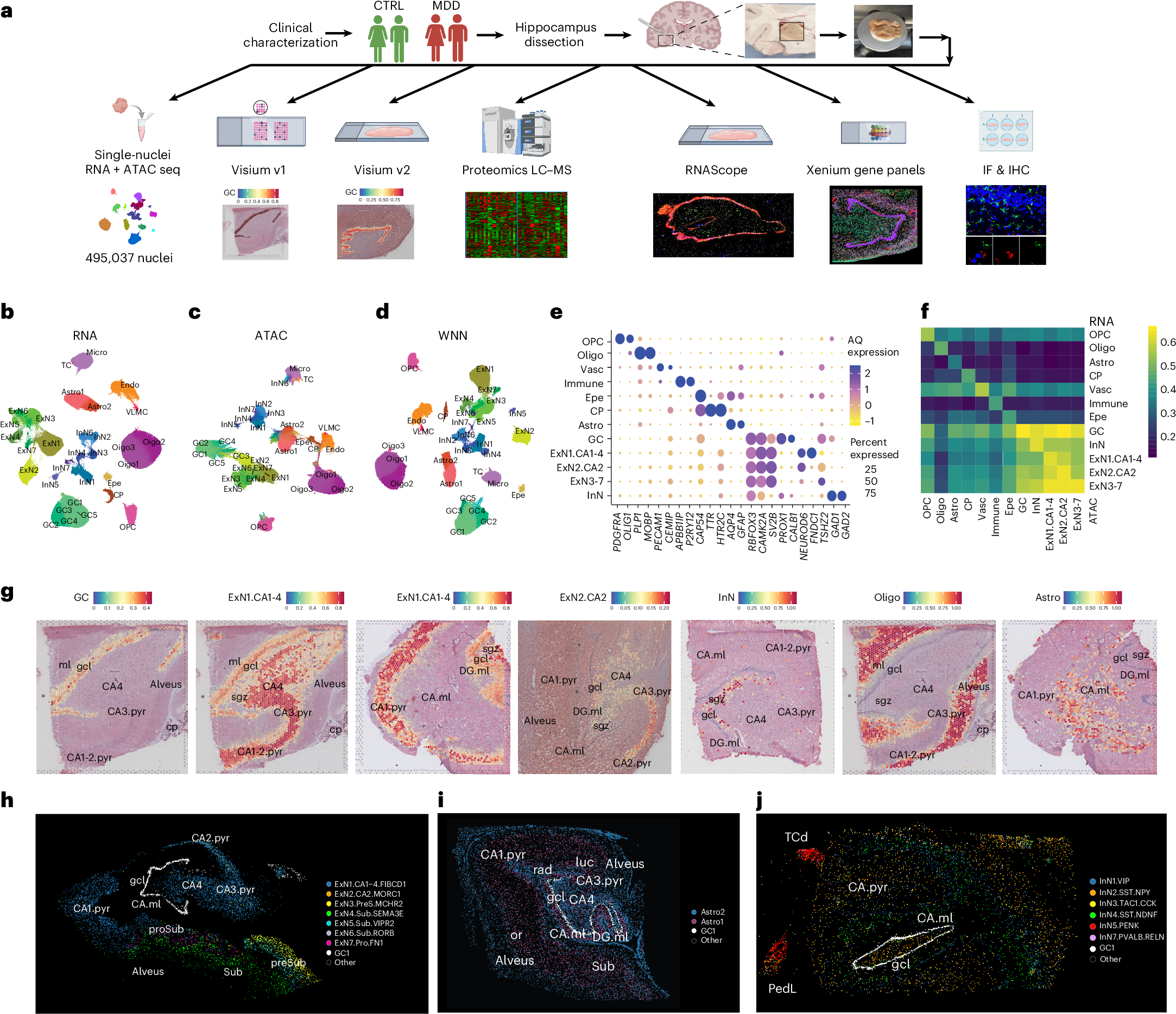
Major depressive disorder (MDD) is associated with reduced hippocampal volume, altered connectivity and negative memory bias, suggesting disrupted hippocampal plasticity. Dysregulated adult hippocampal neurogenesis is a potential contributor, but its relevance in humans and role in MDD remain unclear. Here we investigated the molecular basis of hippocampal dysfunction in nonmedicated individuals with MDD by integrating analyses of neurogenic trajectories, cell-type- and subfield-specific gene expression, chromatin accessibility and protein expression. We identify a neurogenic lineage in the adult human hippocampal subgranular zone and provide evidence for a stalled neurogenic process in MDD, associated with transcriptional regulation, stress-related reprogramming and interferon signaling across developmental stages. Excitatory and inhibitory neurons show dysregulation of transcription factor networks affecting cell states. Cellular stress, excitatory–inhibitory imbalance, impaired synaptic plasticity, reduced metabolic capacity and immune activation, underlie impaired neurogenesis and reduced hippocampus circuit plasticity. Findings indicate genetic and epigenetic regulation of gene expression in MDD, and overlapping pathogenetic mechanisms with autoimmune, neurodevelopmental and neurodegenerative diseases. This work provides a new understanding of the pathogenesis of hippocampus-dependent cognitive symptoms in MDD and suggests potential therapeutic targets.
うつ病患者の脳では、新しい神経細胞の生成が“停滞”していた:研究結果
成人の脳でも海馬では新しい神経細胞が生まれ続けているが、うつ病患者ではこのプロセスが途中で止まっていることが、最新の研究で明らかになった。うつ病を分子レベルで定義し直す手がかりになるかもしれない。

The neuroimaging correlates of depression established across six large-scale population datasets
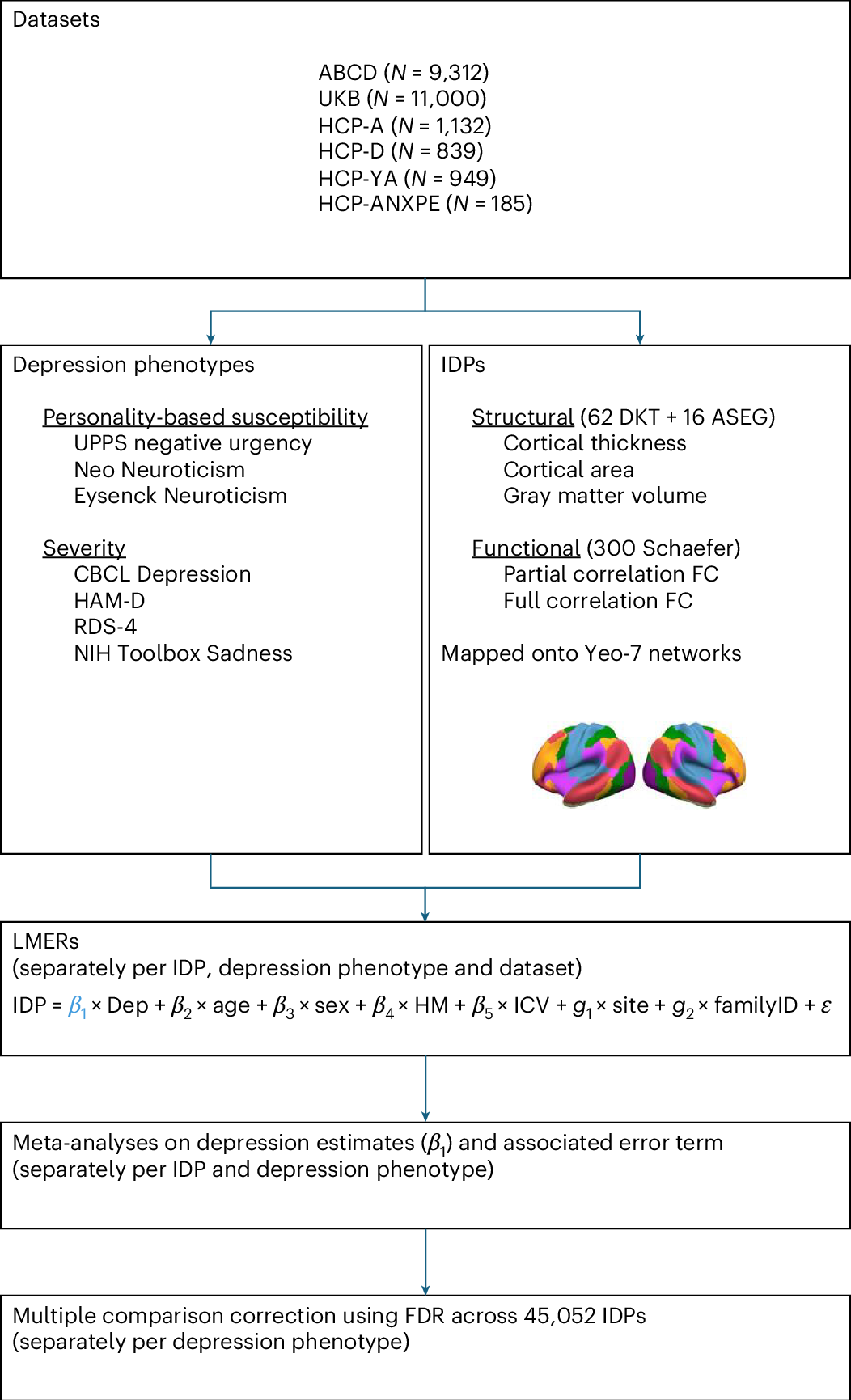
Depression has been linked to reduced size of subcortical regions and abnormal functional connectivity in frontal and default mode networks. However, recent meta-analyses have failed to identify significant converging correlates of depression across the literature such that a conclusive mapping of the neuroimaging correlates of depression remains elusive. We leveraged 23,417 participants across 6 population datasets to comprehensively establish the neuroimaging correlates of depression. We found reductions in gray matter volume/cortical surface area associated with depression in the frontal cortex, anterior cingulate and insula, confirming previous studies showing the importance of prefrontal and default mode regions in depression. Our findings demonstrate multiple surprising results, including a lack of depression correlates in subcortical brain regions and significant depression correlates in somatomotor and visual regions. Overall, these results shed new light on key brain regions involved in the pathophysiology of depression, updating our understanding of the neuroimaging correlates of depression symptoms.
Depression doesn't shrink the brain like we thought it did | New Scientist
For the past decade, depression has been linked to a shrunken hippocampus, which has a vital role in memory. But a large study using up-to-date scanning techniques suggests this may not be the case
