Opposition in Japan to the Olympics during the COVID-19 pandemic
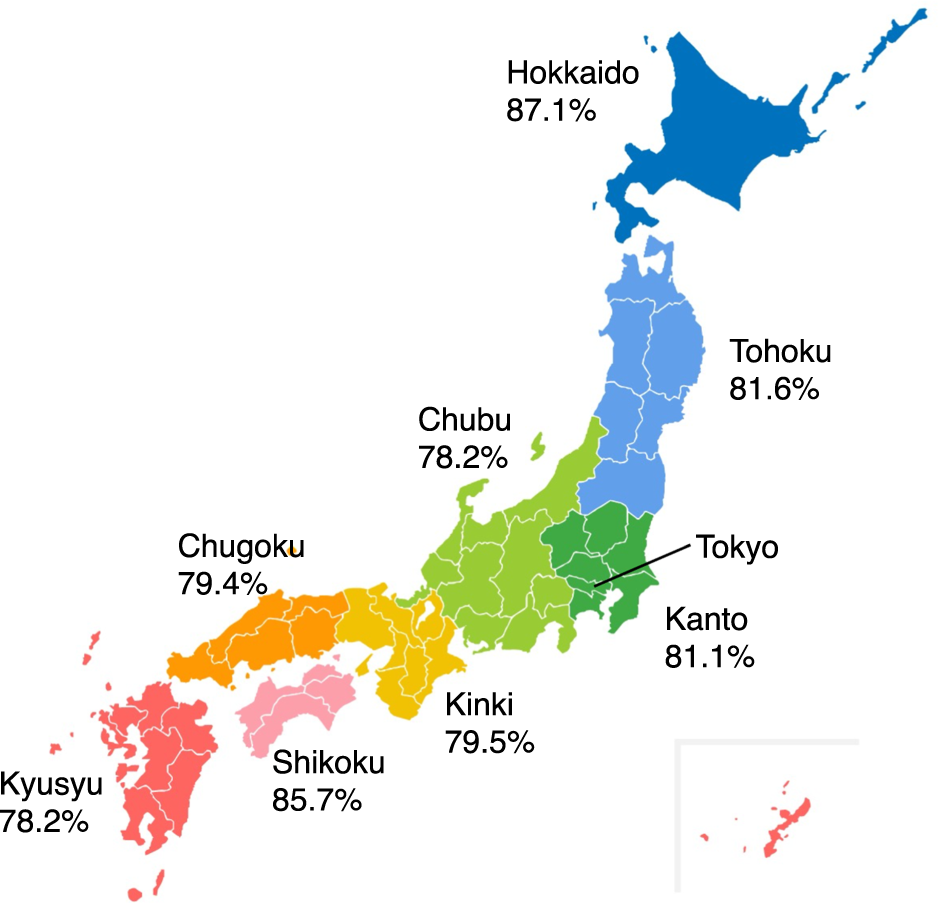
Little is known about the responses of citizens toward sporting mega-events held during a period of extended disasters, such as the 2020 Olympics held during the COVID-19 pandemic. This study aims to clarify the factors affecting citizens’ attitudes by testing the following hypotheses: the perception of high cost, the burden on medical institutions, and high risk of infectious disease spread negatively affect attitudes, while the perception of pandemic countermeasures, economic benefits, and athletes positively affect attitudes. Based on an online survey of 800 citizens before the 2020 Olympics, the hypotheses were tested using logistic regression models with the extracted factors as the explanatory variables and the attitude toward the Olympics as the objective variable. The test results confirm the factors lineated by the hypotheses, except for the perception of high cost. The fear of a healthcare system collapse from the medical burden of dealing with an outbreak has an especially strong negative effect on the attitude toward the Olympics. These results have important implications for city governments and municipalities and suggest that they should not underestimate citizens’ perceptions and attitudes when organizing mega-events and formulating proper communication. Further, the results may offer insights for the smooth strategic planning of large-scale events during unprecedented disasters.
Effect of the Tokyo 2020 Summer Olympic Games on COVID-19 incidence in Japan: a synthetic control approach
Background The Tokyo 2020 Summer Olympic Games (23 July–8 August 2021) were held in the middle of Japan’s fifth wave of COVID-19, when the number of cases was on the rise, and coincided with the fourth state of emergency implemented by the host city, Tokyo. Aim This study aimed to assess whether the hosting of the Games was associated with a change in the number of COVID-19 cases in Japan using a synthetic control method. Methods A weighted average of control countries with a variety of predictors was used to estimate the counterfactual trajectory of daily COVID-19 cases per 1 000 000 population in the absence of the Games in Japan. Outcome and predictor data were extracted using official and open sources spanning several countries. The predictors comprise the most recent country-level annual or daily data accessible during the Games, including the stringency of the government’s COVID-19 response, testing capacity and vaccination capacity; human mobility index; electoral democracy index and demographic, socioeconomic, health and weather information. After excluding countries with missing data, 42 countries were ultimately used as control countries. Results The number of observed cases per 1 000 000 population on the last day of the Games was 109.2 (7-day average), which was 115.7% higher than the counterfactual trajectory comprising 51.0 confirmed cases per 1 000 000 population. During the Olympic period (since 23 July), the observed cumulative number of cases was 61.0% higher than the counterfactual trajectory, comprising 143 072 and 89 210 confirmed cases (p=0.023), respectively. The counterfactual trajectory lagged 10 days behind the observed trends. Conclusions Given the increasing likelihood that new emerging infectious diseases will be reported in the future, we believe that the results of this study should serve as a sentinel warning for upcoming mega-events during COVID-19 and future pandemics.
Ex-event firm chief guilty over Tokyo Games bid-rigging
All six companies charged over Tokyo Games bid-rigging were found guilty at the Tokyo District Court.

French Olympic probe eyes Japanese firm Dentsu
An investigation by French prosecutors into alleged vote-buying connected with Tokyo's winning the 2020 Olympics has raised questions about one of Japan's most powerful companies, the giant advertising and marketing agency Dentsu Inc.

Tokyo Olympics sullied by bid-rigging, bribery trials more than 2 years after the Games closed
TOKYO (AP) — The bid-rigging trial around the Tokyo Olympics played out Tuesday in a Japanese courtroom — more than two years after the Games closed — with advertising giant Dentsu and five other c…

Takeda corruption probe sullies 2020 Tokyo Olympics and IOC
Tsunekazu Takeda, the president of the Japanese Olympic Committee and a powerful IOC member, again denied corruption allegations against him, suggesting on Tuesday that any guilt was with others at the Japanese body.

Official Costs of Tokyo Olympics Up by 22% to $15.4 billion
The Olympics are to open on July 23, 2021.

Japan ad giant and other firms indicted over alleged Olympic contract bid-rigging
The complaints allege that Japan advertising giant Dentsu, its main rival Hakuhodo and four other firms and seven individuals rigged bids for Olympic test events.

French Olympic probe raises questions about Japanese firm
TOKYO (AP) -- An investigation by French prosecutors into alleged vote-buying connected with Tokyo winning the 2020 Olympics has raised questions abou

Tokyo's Diversity Olympics Dogged by Controversy
Since Tokyo 2020 can't really brag about tackling environmental issues, sustainability, cost cutting, or transparency, by default diversity and inclusiveness have become the branding agenda. This could be a positive legacy, but can the Olympics serve as a catalyst for Japan to reinvent itself? Probably not, due to the patriarchal elite's ethnonationalism and aversion to diversity and inclusion.

Tokyo Olympics say costs $12.6B; Audit report says much more
TOKYO (AP) — Tokyo Olympic organizers said Friday they are spending 1.35 trillion Japanese yen — about $12.6 billion — to stage next year’s games. Organizers said the expenditure is unchanged…

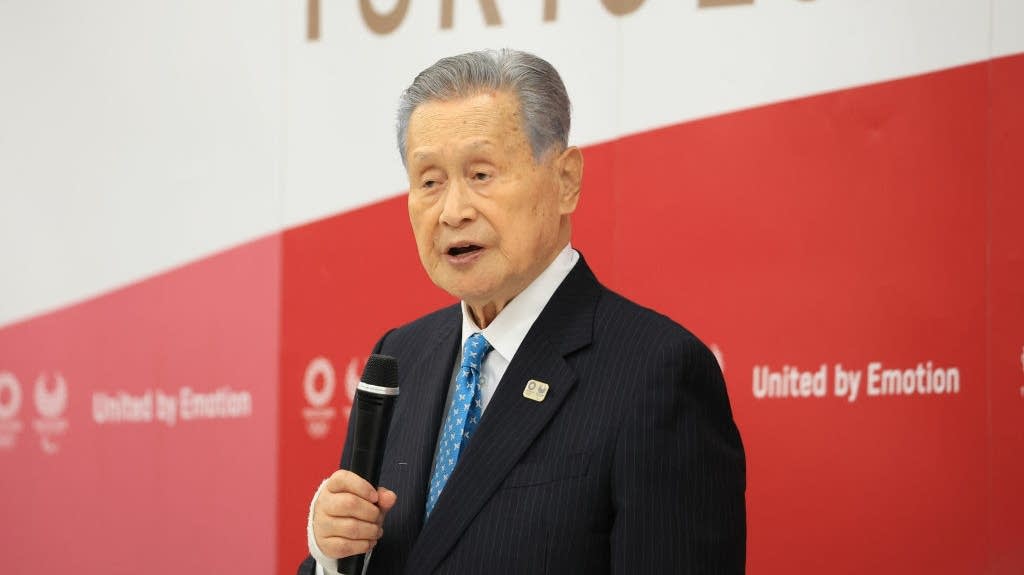
Mori is gone but gender issues remain for Tokyo Olympics
Yoshiro Mori resigned as the president of the Tokyo Olympic organizing committee on Friday after sexist comments made last week in which he said women "talk too much."

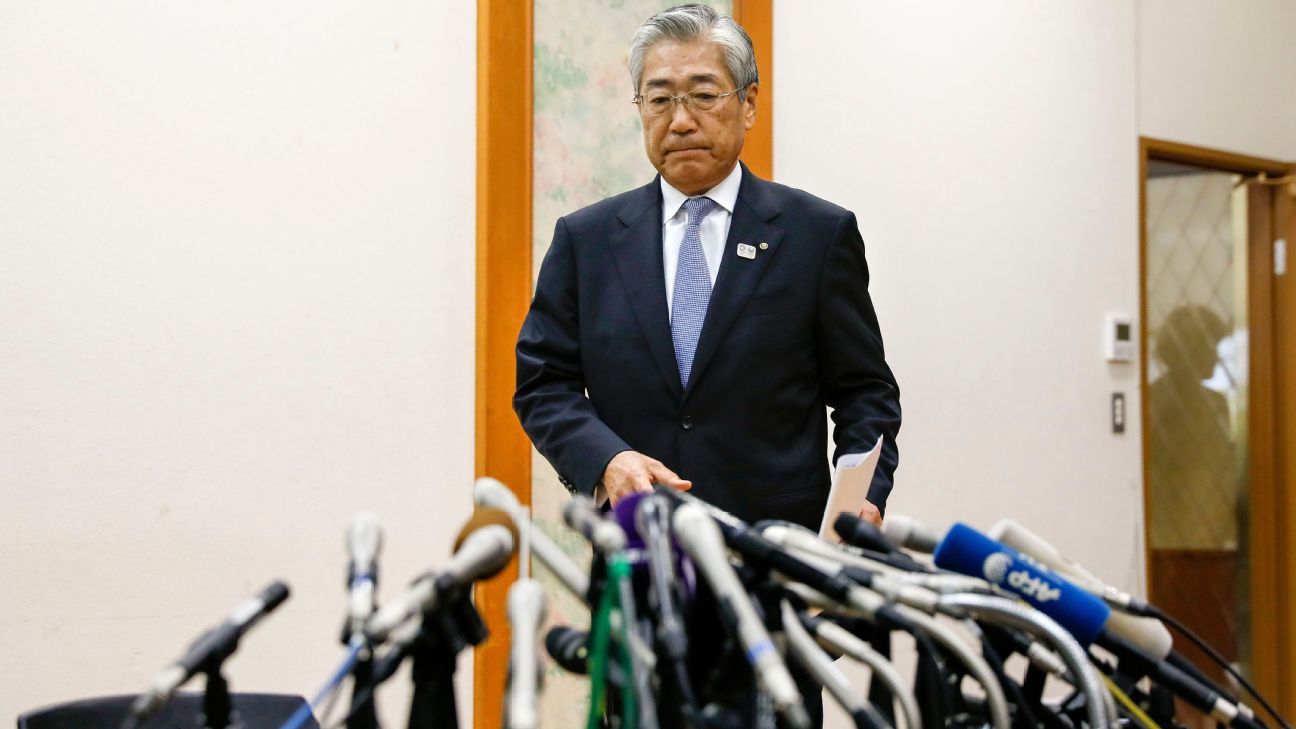
Japanese Olympic Committee head resigns amid bribery scandal
TOKYO (AP) — Tsunekazu Takeda is stepping down as the president of the Japanese Olympic Committee amid a vote-buying scandal that French investigators suspect helped Tokyo land next year's Olympics. Takeda announced Tuesday at the committee's executive board meeting that...
The causes of Olympic stadium cost overruns from 2000 to 2020
The Olympic Games have frequently witnessed cost overruns. Olympic stadiums have drawn significant media attention due to their escalating costs, but lack of systematic documentation. This study ai...

Cost and Revenue Overruns of the Olympic Games 2000–2018
In this open access book the cost and revenue overruns of Olympic Games from Sydney 2000 to PyeongChang 2018 from eight years before the Games to Games‐time are investigated to provide a base for future host cities. The study is based on data collected worldwide.

Regression to the Tail: Why the Olympics Blow Up
The Olympic Games are the largest, highest-profile, and most expensive megaevent hosted by cities and nations. Average sports-related costs of hosting are $12.0
Tokyo closes books on costly, pandemic-delayed Olympics
TOKYO (AP) -- Organizers of last year's COVID-delayed Tokyo Olympics were expected to place the final cost of the Games at 1.42 trillion yen, about tw

東京五輪巡る汚職・談合 関連ニュース:時事ドットコム
東京五輪・パラリンピックを巡る談合事件で、独禁法違反(不当な取引制限)罪に問われたイベント制作会社「フジクリエイティブコーポレーション(FCC)」元専務の藤野昌彦被告(66)と、法人としての同社の判決が15日、東京地裁であった。宮田祥次裁判長は、藤野被告に懲役1年8月、執行猶予3年(求刑懲役1年8月)、同社に求刑通り罰金2億5000万円を言い渡した。弁護側は無罪を主張しており、いずれも即日控訴した。

五輪汚職・談合の最新ニュース
東京五輪・パラリンピックの汚職事件やテスト大会関連事業の入札で受注調整をしていた疑いについての最新ニュースをまとめました。組織委員会の元理事・高橋治之容疑者らが起訴されたほか、電通やADKホールディングスといった広告代理店が談合疑惑で取り沙汰されるなど、事態が広がっています。


I was never a big sports person to start with, but this really ruined major international sporting events for me. Search terms: 東京2020オリンピック競技大会, 2020年東京オリンピック, 東京五輪, 東京オリンピック, 東京2020オリンピック, 第三十二回オリンピック競技大会, Tokyo 2020, 2020 Summer Olympics, Games of the XXXII Olympiad, Tokyo Olympic and Paralympic Games, Olympics, Paralympics, Covidlympics, COVID-19