Collection
Peptides

Updated 11h
Unapproved peptide drugs in the US, 2026
Collection
Updated 11h
Unapproved peptide drugs in the US, 2026
PTAB Reverses § 101 Rejection of Receptor-Derived Peptide Claims
The Patent Trial and Appeal Board (PTAB) Reverses 35 U.S.C. § 101 Subject Matter Eligibility Rejection of Receptor-Derived Peptide Claims

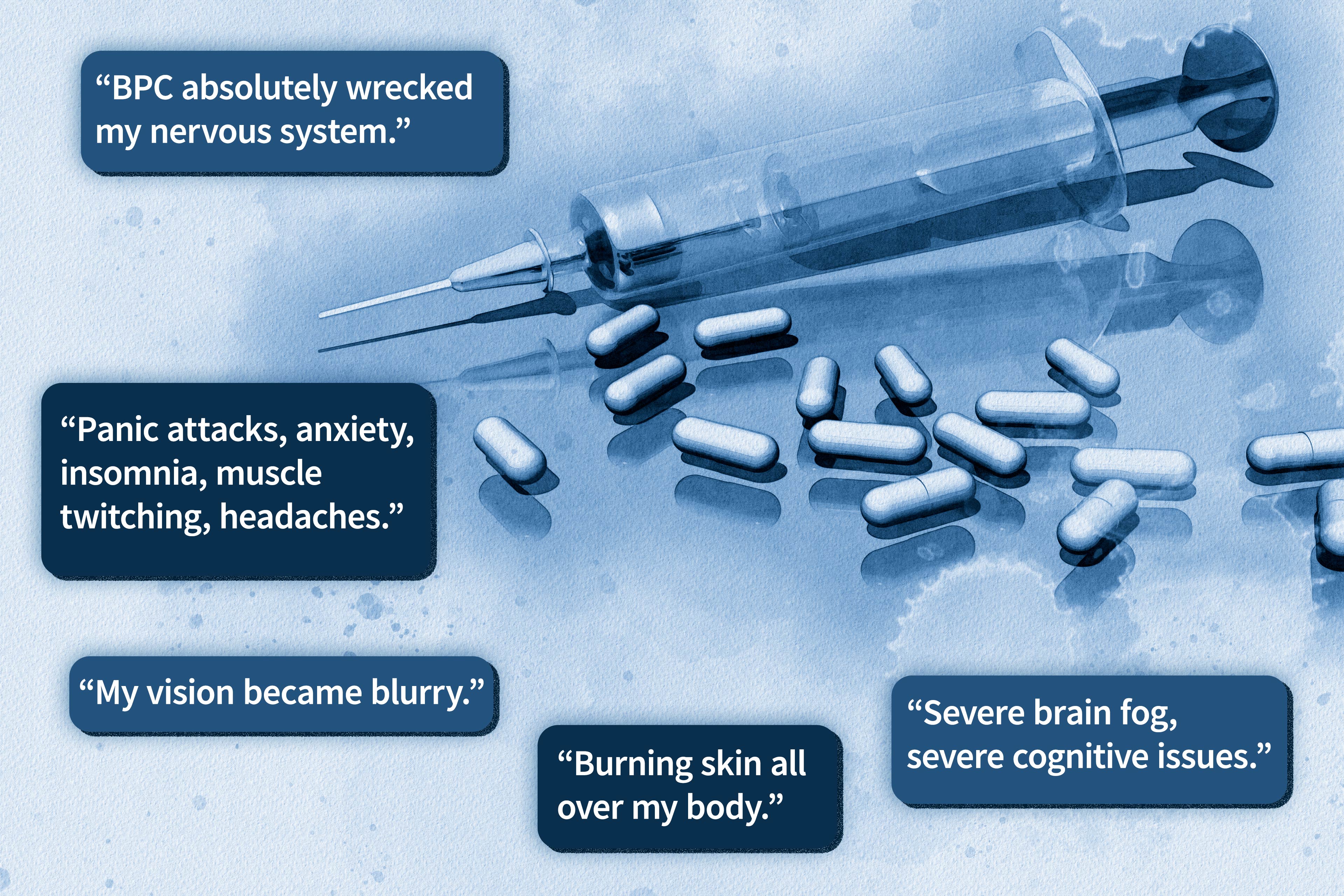
People Say These Peptides Hurt Them. Their Stories Are Muffled in MAHA’s Push for Medical Freedom. - KFF Health News
People who have taken experimental peptides, such as BPC-157, complain of migraines, eye pain, fatigue, and more. Learning whether these popular but unproven drugs are to blame may become harder if Robert F. Kennedy Jr. fulfills a promise to make them more accessible.
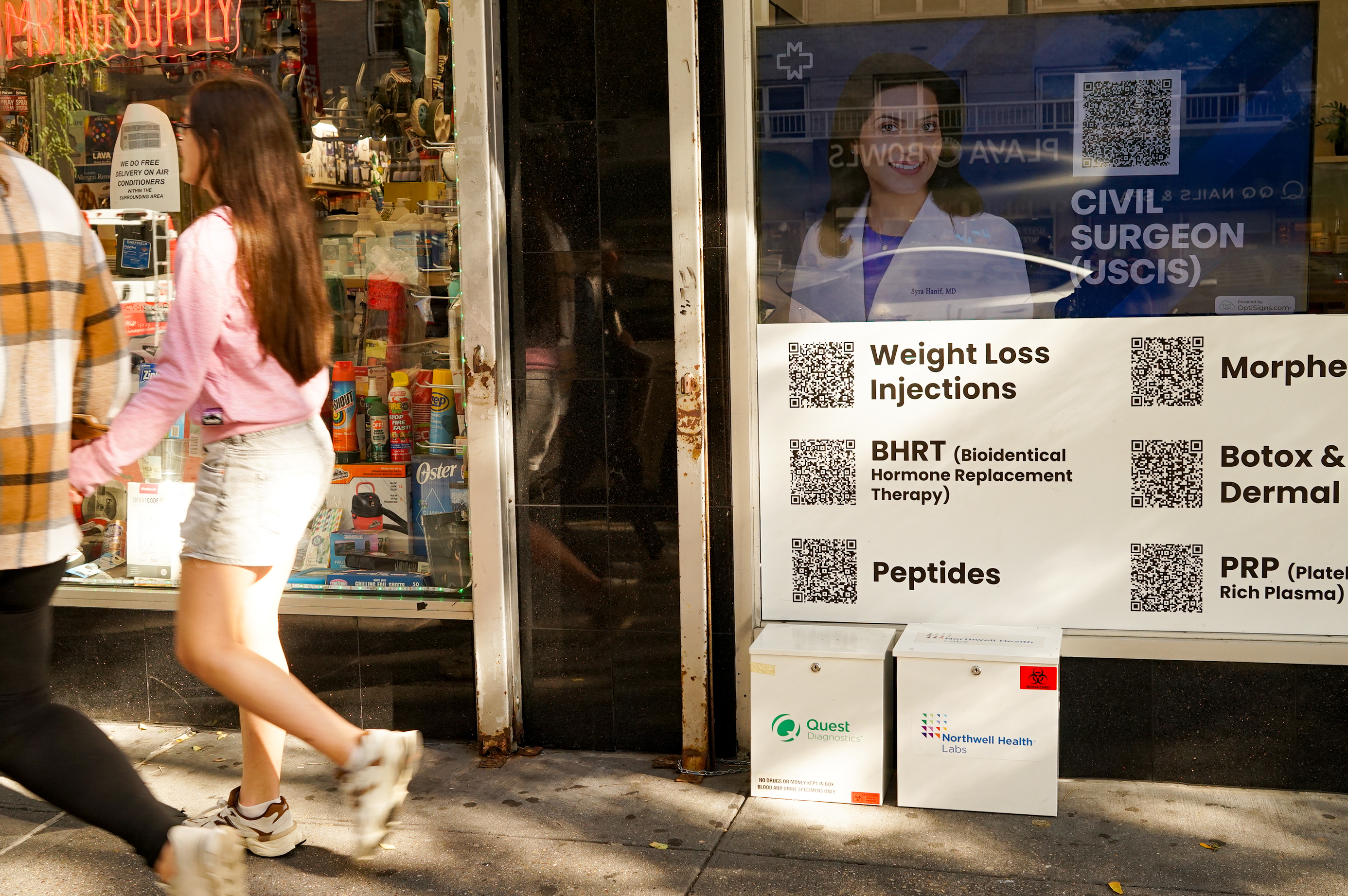
Four Red Flags and One Truth Amid the Peptide Hype - KFF Health News
Experimental peptides are all the rage on longevity and “optimization” podcasts, but a lot of the chatter is misleading.
RFK Jr. to Allow Broad Use of Unapproved Peptide Injections
In a unilateral declaration by the health secretary, several injections promoted by online influencers will become widely available. The F.D.A. had advised against the move.

PTAB Affirms §101 Rejection of Psilocybin Composition, Post-Appeal Prosecution Results in Granted Patent
PTAB Finds that Psilocybin Formulation Is Not a Product of Nature, Further Prosecution Leads to Issued Patent
OTC MONOGRAPHS @ FDA | FDA
PTAB Affirms § 101 Rejection of Synthetic Milk Sugar Mixture
The Patent Trial and Appeal Board recently affirmed the 35 U.S.C. § 101 rejection of patent claims for a mixture of three human milk oligosaccharides (HMOs), finding the mixture to be ineligible for patenting


Opinion | Treat Medicines Like Netflix Treats Shows (Published 2019)
Australia seems to have found a way to entice Big Pharma into making essential new medicines affordable. Why can’t the United States?

Companies Are Using Reddit to Manipulate ChatGPT and Google AI Search
Peptide companies have been doing AI-engine optimization by spamming the biohackers subreddit to manipulate ChatGPT and Google.

T-Cell Dependent Immunogenicity of Protein Therapeutics Pre-clinical Assessment and Mitigation–Updated Consensus and Review 2020
Immune responses to protein and peptide drugs can alter or reduce their efficacy and may be associated with adverse effects. While anti-drug antibodies (ADA) are a standard clinical measure of protein therapeutic immunogenicity, T cell epitopes in the primary sequences of these drugs are the key drivers or modulators of ADA response, depending on the type of T cell response that is stimulated (e.g. T helper or Regulatory T cells, respectively). In a previous publication on T cell-dependent immunogenicity of biotherapeutics, we addressed mitigation efforts such as identifying and reducing the presence of T cell epitopes or T cell response to protein therapeutics prior to further development of the protein therapeutic for clinical use. Over the past five years, greater insight into the role of regulatory T cell epitopes and the conservation of T cell epitopes with self (beyond germline) has improved the preclinical assessment of immunogenic potential. In addition, impurities contained in therapeutic drug formulations such as host cell proteins have also attracted attention and become the focus of novel risk assessment methods. Target effects have come into focus, given the emergence of protein and peptide drugs that target immune receptors in immuno-oncology applications. Lastly, new modalities are entering the clinic, leading to the need to revise certain aspects of the preclinical immunogenicity assessment pathway. In addition to drugs that have multiple antibody-derived domains or non-antibody scaffolds, therapeutic drugs may now be introduced via viral vectors, cell-based constructs, or nucleic acid based therapeutics that may, in addition to delivering drug, also prime the immune system, driving immune response to the delivery vehicle as well as the encoded therapeutic, adding to the complexity of assessing immunogenicity risk. While it is challenging to keep pace with emerging methods for the preclinical assessment of protein therapeutics and new biologic therapeutic modalities, this collective compendium provides a guide to current best practices and new concepts in the field.
Precision Medicine in Neuroscience: Tools, Translation, and Implementation: A Workshop
Precision medicine approaches are rapidly transforming neuroscience, driven by advances in genetics, neuroimaging, biomarkers, and data science. These tools enable more refined disease classification, improved diagnosis, and treatments tailored to individual patients across neurological and psychiatric disorders. However, challenges remain in translating these advances into routine research and clinical practice. On March 4–5, the National Academies’ Forum on Neuroscience and Nervous System Disorders, in collaboration with the Forum on Drug Discovery, Development, and Translation and the Roundtable on Genomics and Precision Health, will host a workshop exploring opportunities, challenges, and strategies for integrating precision medicine into neuroscience research and care.

UCLA discovers first stroke rehabilitation drug to repair brain damage
A new study by UCLA Health has discovered what researchers say is the first drug to fully reproduce the effects of physical stroke rehabilitation in model mice.
autistici.org - Press Release – August 28, 2026 (last update Septembre 10, 2026)
Autistici/Inventati provides internet support to activists and collectives coming from the world of grassroot and social movements
there are many reasons administering unapproved peptides is a bad idea one of the main ones that isn't getting a lot of attention is peptides have a tendency to elicit an immune response if they aren't carefully designed and highly highly pure— RFK Jr. may be inviting a wave of autoimmune diseases

Frontiers | T-Cell Dependent Immunogenicity of Protein Therapeutics Pre-clinical Assessment and Mitigation–Updated Consensus and Review 2020
www.frontiersin.org
Christina Jewett
NEW: Sec. Kennedy is allowing broad access to unapproved peptide injections in what appears to be a unilateral action. FDA scientists had advised against these, inc. one peptide used in greyhound racing. nytimes.com/2026/10/28/health/peptides-ke…
