


Fostering an ecosystem for science on the Atmosphere 🌐 atproto.science
Fostering an ecosystem for science on the Atmosphere 🌐 atproto.science
Underlay
Publish structured data as versioned, permanent collections with schemas, provenance, and content addressing built in. Whether you're a research lab, a newsroom, a community archive, or a single developer, Underlay makes the knowledge you hold discoverable, verifiable, and easy to build on.


Meitheal · SensorThings on ATProto
Meitheal: live environmental sensor data published to the AT Protocol.
Podium — open data search
Podium: a search engine for open data published on the AT Protocol — Matadisco datasets, Astrosky transient events, and more.
Hypercerts — Collective Intelligence for Funding Impact
Hypercerts create shared context—evidence, expert input, and community trust—for better resource allocation.
GainForest — Biodiversity Observations & Nature Projects
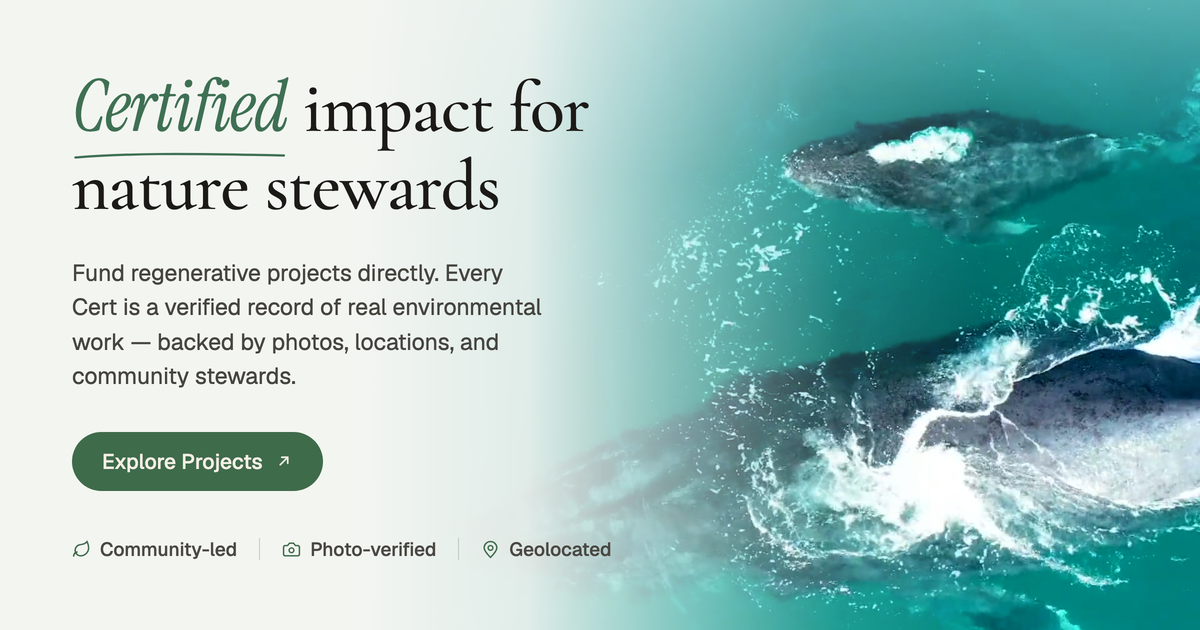
Explore field observations, biodiversity records, and nature projects from communities and organizations using GainForest.
Lea: research-oriented social media
Introducing a beta-version of our new research-focused social media platform
Gradients of intimacy and creating shelter: An interview with Erin Kissane
How might we use nature as an inspiration for creating online communities?

Shareouts from ATScience 2026 in Vancouver - ATScience Notes
Since when do science conferences have such wild energy?
I think there needs to be a UK academic publishing server that provides permanent email addresses for researchers to use as corresponding authors. That way, people don't lose access when they move or leave an institution, and reviewer invitations can continue to be sent to a stable address #MicroSky
Many osf.io features could be built on #atproto: your project repos would be hosted on your PDS (eg your bluesky acct). Institutions could host PDSs, distributing costs. Every record would have a unique id (analogous to a doi). Multiple apps could access the records in multiple ways @atproto.science

Brian Nosek
Over the next several months, we will phase out some popular OSF features. These changes do not affect current public content, which remains safe and accessible. We have prepared support material to help users adapt. I am very sorry for the disruption to your work. Please read this post for details.
IOSP is a wonderful event by @scios.tech focused on building the open science stack of the future: modular research, community owned infra, novel funding. And we’re putting on an #ATScience workshop at the upcoming meeting - join us Leiden, Oct 12-15! Details in thread 👇 iosp.science#iosp2026
After reading about ATProto stuff this morning I realised that one possible future for science publishing, within something like @atproto.science, is that every scientist becomes their own journal. The key realisation is that a paper published to my own PDS can be published in many journals.


