


hey 💖 I’m Bee Whole person. At the intersection of Tech, Art, Philanthropy, Science, & Sex. Creator by trade, community builder by passion, #atproto fan by chance. Bsky's first OF girl 🙈🫠 yesihave.one Building @babesky.com 🔞 💙🦋 sweetbee.blue
hey 💖 I’m Bee Whole person. At the intersection of Tech, Art, Philanthropy, Science, & Sex. Creator by trade, community builder by passion, #atproto fan by chance. Bsky's first OF girl 🙈🫠 yesihave.one Building @babesky.com 🔞 💙🦋 sweetbee.blue
Age & ID Verification
Infrastructure, legislation, commentary, implementations, development, perceptions and insights, social effects, safety of, and other resources about age and ID verification online.
127 cards
4d
ATdev Resources/References
85 cards
22d
Smart Glasses as Disability Assistive Tech
25 cards
28d
Artificial intelligence-powered glasses could be a gamechanger for those with hearing loss | About | University of Stirling
A project building on a 2015 University of Stirling study could harness AI to support those with hearing loss
/filters:format(webp)/filters:no_upscale()/prod01/cdn/media/stirling/news/news-centre/2025/aug-25/1200X630Hearingaid.jpg)
Too risky for the road but safe for schools? Rethinking smart glasses in the science classroom
This paper critically examines the governance of smart glasses in K-12 science education, using science classrooms as a case through which policy design challenges become visible. We position these wearable technologies not only as tools of pedagogical innovation but as governance challenges requiring regulatory attention. The vendors of smart glasses claim that their devices enhance real-time visualisation, support hands-free inquiry, and personalise activity. Yet, despite increased consumer availability and promotion by vendors, smart glasses are inconsistently specified in Australian school policy, unlike other high-stakes sectors such as transportation where wearable device categories are explicitly regulated. Drawing on a comparative analysis of policy associated with Australia’s K-12 mobile phones and the 2023 Victorian Road Rule Amendments “New Driver Distraction Road Rules”, this study proposes that science education requires similar anticipatory governance. Whereas the road safety framework classifies wearable technologies as potential sources of cognitive distraction and provides a stratified risk profile, device-specific restrictions, and enforcement mechanisms, we illustrate a stark contrast to the comparable provisions analysed in educational policy. This analysis identifies governance-relevant risk categories for staff, students, and schools that are not consistently addressed in the education policy texts examined, and that are difficult to standardise through discretionary, school-level interpretation alone. As such, this paper contributes to global conversations on educational justice, digital governance, and the ethical integration of emerging technologies in education.
SpecAssist: Smart Glasses with Real-time speech recognition and transcription for the hearing impaired
Download Reference Data on IJERT | On 01-07-2023 by Noel Jacob, Rajat Mathew, Sathwik P Nair, Prof. Divya Sunny published SpecAssist: Smart Glasses with Real-time speech recognition and transcription for the hearing impaired
The use of wearable technology to measure and support abilities, disabilities and functional skills in autistic youth: a scoping review
Background: Wearable technology (WT) to measure and support social and non-social functioning in Autism Spectrum Disorder (ASD) has been a growing interest of researchers over the past decade. There is however limited understanding of the WTs currently available for autistic individuals, and how they measure functioning in this population. Objective: This scoping review explored the use of WTs for measuring and supporting abilities, disabilities and functional skills in autistic youth. Method: Four electronic databases were searched to identify literature investigating the use of WT in autistic youth, resulting in a total of 33 studies being reviewed. Descriptive and content analysis was conducted, with studies subsequently mapped to the ASD International Classification of Functioning, Disability and Health Core-sets and the ICF Child and Youth Version (ICF-CY). Results: Studies were predominately pilot studies for novel devices. WTs measured a range of physiological and behavioural functions to objectively measure stereotypical motor movements, social function, communication, and emotion regulation in autistic youth in the context of a range of environments and activities. Conclusions: While this review raises promising prospects for the use of WTs for autistic youth, the current evidence is limited and requires further investigation.

standard.mode.place
standard.mode.place
semble.so
General Coding References (by Bee 🐝) — Semble

bsky.app
Bailey Townsend 🦀 (@pds.dad)
semble.so
atproto standards (by Ronen Tamari) — Semble
atprotocol.dev
ATProtocol Dev

discourse.atprotocol.community
ATProtocol Community
ec.europa.eu
What do Europeans want out of their EUDI Wallets New study sheds light - EU Digital Identity Wallet -
digital-strategy.ec.europa.eu
Commission publishes guidelines on the protection of minors

informationlabs.org
Social Media Ban Repository – information labs
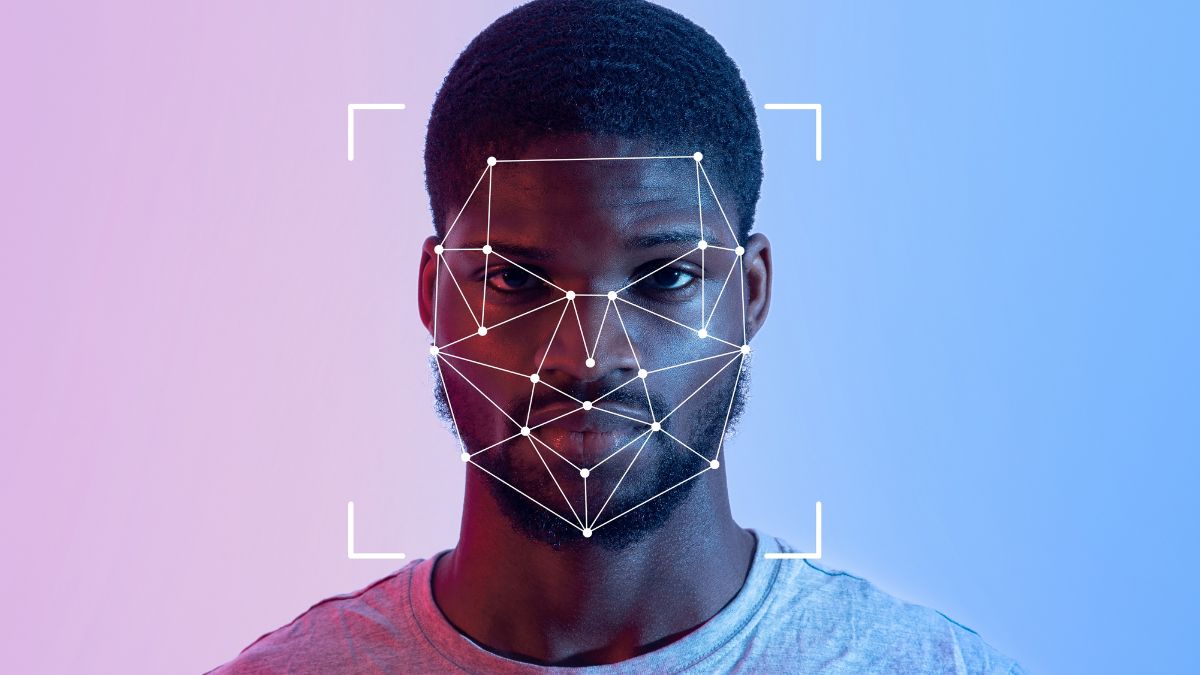
www.malwarebytes.com
[updated] Age verification vendor Persona left frontend exposed, researchers say
pearce.prof
www.theguardian.com
Upload government papers to go online? That’s our terrifying future | Aliya Bhatia
www.stir.ac.uk
Artificial intelligence-powered glasses could be a gamechanger for those with hearing loss | About | University of Stirling
www.nature.com
Too risky for the road but safe for schools? Rethinking smart glasses in the science classroom
www.ijert.org
SpecAssist: Smart Glasses with Real-time speech recognition and transcription for the hearing impaired
pmc.ncbi.nlm.nih.gov
The use of wearable technology to measure and support abilities, disabilities and functional skills in autistic youth: a scoping review

dl.acm.org
ADAMAAS: Towards Smart Glasses for Mobile and Personalized Action Assistance

www.researchgate.net
(PDF) Smart glasses for remote assistance: analysing usability and optimal user characteristics among young adults with and without autism