Collection
to-read

Updated 1mo
leaflets and blogs to read; topics vary, likely mostly atmosphere (at protocol) or social related but not always.
Collection
Updated 1mo
leaflets and blogs to read; topics vary, likely mostly atmosphere (at protocol) or social related but not always.
Rethinking how technology uses our personal data
This essay explores visually how keeping data and AI on‑device could empower not only users, but also companies.
The Bone Folder | ❧ Intention Will Save the Internet, Not Software
Drafted between April 24 and July 28, 2024. Published July 28th, 2024.
AI Coding will Prevent Expertise | Lars Faye
The need for ongoing friction in long-term skill formation.

We Needn't Have a One True Platform - Aaron Ross Powell
On Bluesky, user numbers, and the silliness of endless growth.
Keeping your analysis correct: mycelium and scilintr
Coding agents have made data analysis far easier to produce. The hard part now is verifying what comes out. Here’s the scaffolding I built to help.

The $300 Million Button - UX Articles by Center Centre
How changing a button increased a site's annual revenues by $300 million.

I Don't Make Content - Fernando Gros
I’ve been putting stuff online since way before anyone was called a content creator. So, if we aren’t just making content, what are we doing?

ATProto Standards Bodies | Sam Clemente | Offprint
How do we go about maintaining lexicons across apps?

Project vs. Product, Startup vs. Business
A couple of weeks ago I dropped into a thread by Mosh Lee, about how ATproto has too many projects and too few businesses. Yes! A few months ago I volunteered to help teams with ops or strategy, and k
Compression is prediction | ngrok blog
Compression and LLMs are trying to solve the exact same problem: predicting what comes next. Learn the fundamentals of compression and how better prediction leads to better shrinkage.
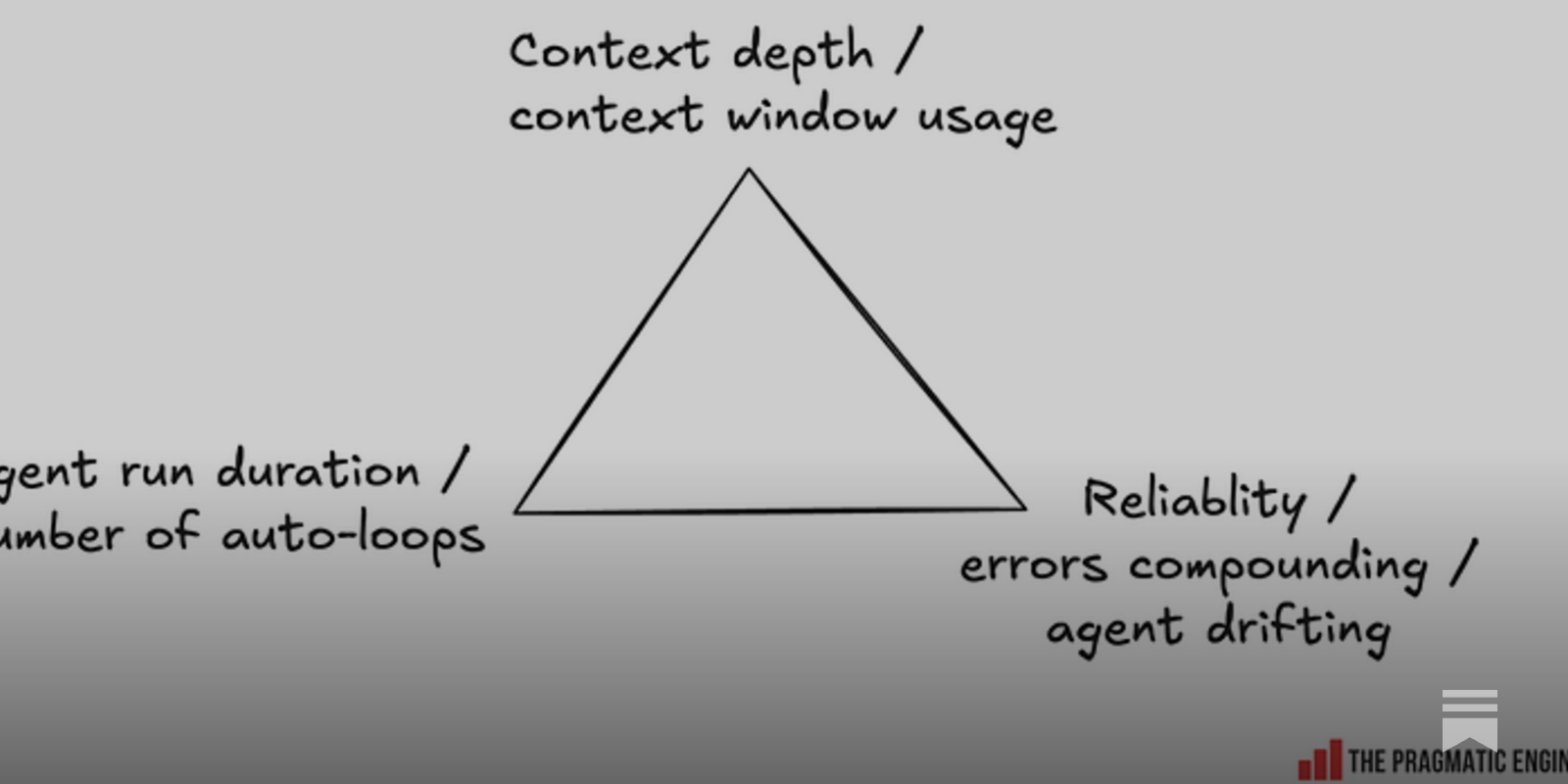
What is “loop engineering?”
There’s talk about loop engineering, but what is it exactly? I looked into it, and found triggers, cron jobs, AI slop & more. Is it a “here today, gone tomorrow” trend?
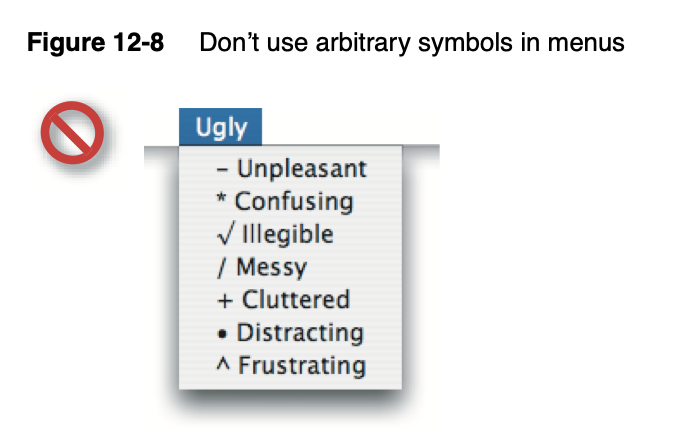
Icons in Menus Everywhere — Send Help
Writing about the big beautiful mess that is making things for the world wide web.
Choosing a Discovery Mechanism Is the Hard Part - Spherical Cow Consulting
Choosing a discovery mechanism means choosing assumptions about authority, delegation, privacy, and control. The answer is rarely simple.

People, Not Posts - Real Housewives of San Francisco
Why do we still call it "social media"?
Sharing Knowledge Openly: Author Gender, Race/Ethnicity, and Feminist Science
Open science is an increasingly important movement in contemporary social science. Many funders have begun to mandate open practices, newer journals like Socius are open access, and preprint servers have increased readership of paywalled articles. Feminist scholars have written about the values and pitfalls of open research. In this paper, we put those ideas in conversation with each other and empirical data on open-access publishing to develop a feminist framework for thinking about feminist knowledge, data, publishing, and audience. Using a survey of 19,462 social scientists, linked with their entire Web of Science publication history from 2000 to 2023 and all papers posted to SocArXiv, we replicate past work showing that articles by women are less likely to be some types of open access. We extend these findings to scholars of color and feminist scholarship, while also demonstrating a few surprising null results for all three groups.

The Atmosphere, Explained - Erlend’s notes
people in the centre, platforms at the margins