Agentic test processes, LLM benchmarks, and other notes on agentic coding from Galapagos Island
I've been using AI fairly heavily since last November and the whole thing is a funny experience. An agent will do something that, if a human did it, you'd immediately fire them. My reaction, of course, is to act as if this is great and spin up a thousand agents so they can do even more of that.
The Atmosphere needs a front door - We Can Just Do Things
The Atmosphere needs a distinct brand identify, better tools for builders, a new UX for users, and a small empowered group willing to build it all.
How I Bypassed Claude Opus’s CBRN-E Safeguards
A black-box jailbreak using model-authored state steering, plus an outside-in reconstruction of the safeguards it bypasses.
Reintroducing Spaces - Daniel's Leaflets
Zooming out and re-motivating the design of spaces, the new primitive for non-public data on atproto.
The Atproto Spaces Alpha is Live - AT Protocol
Atproto Spaces, formerly known as “the permissioned data protocol,” is a new extension to atproto that enables non-public data. The alpha is now officially open. Here’s how to develop with it and what to expect as we work towards the full release.
Why AI Coding Agents Forget — And How ArcticMem Fixes It
Explore ArcticMem, Snowflake’s persistent semantic memory system for AI coding agents. See how dual-tier memory improves benchmark pass rates to 73%.

Amazon kept shutting down my tablet, so I spent $266 on four AI models to own it
Owning a tablet Amazon kept shutting down: CVE-2022-38181, four AI models, five months
Miles v0.1: Production-level Post-training
We present Miles v0.1, a full-stack production-ready system for frontier post-training, the successor to our first Miles release [1]. Building upon slime's [16] clean design, Miles optimizes every sta...
Git at any scale · Cursor
Hosting Git repositories at scale is a nightmare. When Linus Torvalds designed the first version of the information manager from hell (that's actually the tagline for Git, look it up), he had a very specific use case in mind: his own. He wanted to replace BitKeeper, the distributed version control system that was being used to develop the Linux Kernel. Of course, the replacement had to be distributed too. The Kernel is an unusual software project; it is extremely decentralized, with many different maintainers for its many different subsystems. A distributed version control system is a natural fit for this workflow.

Doom, compiled into a transformer — Out of Distribution
No training anywhere: a compiler sets the weights of a stock Phi-3-architecture checkpoint so autoregressive generation executes Doom's classic renderer.
The Clanker Constitution – Wes McKinney
Getting coding agents (we say “clankers”: “agents” gives them too much credit) to behave in a reasonable manner is a full time job even with the latest frontier models. At Kenn, we spend so much time tuning their behavior across different repositories and projects that we started developing a “constitution” of sorts based on how we like to build software. We hope you find it useful: you can include it in your repositories or put it in your global system prompts. We will version it and keep it up to date at https://github.com/kenn-io/constitution.
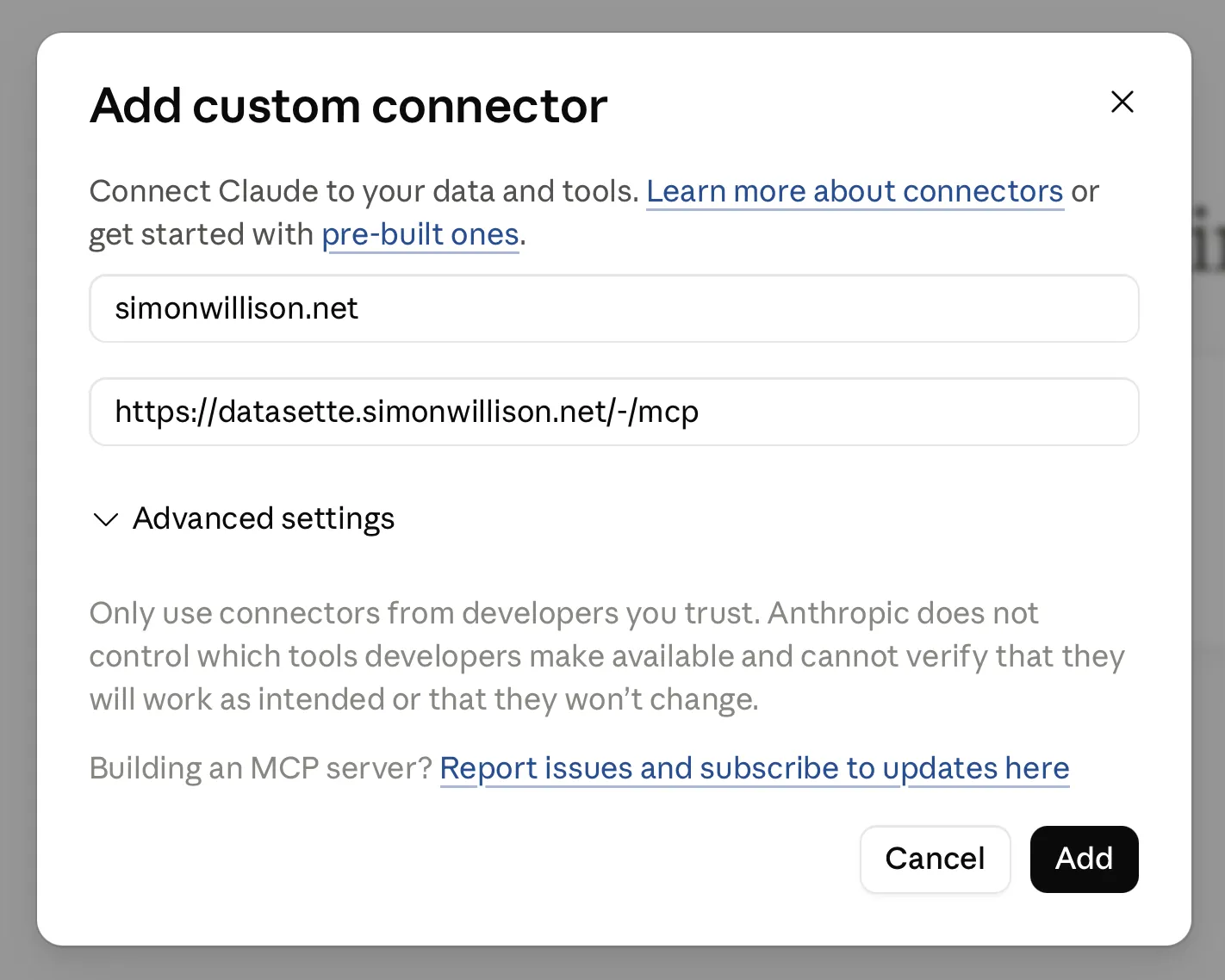
Stateless MCP has recaptured my interest (and inspired mcp-explorer and datasette-mcp)
Tuesday was Stateless MCP day—the rollout of MCP 2.0, or the 2026-07-28 Model Context Protocol specification to use the more formal but less memorable name. This is the most significant …
How we do trunk-based development (and why you should too) - PostHog
What do trees, elephants, and successful software all have in common? They rely on their trunks to help them grow big and strong. In the case of…
Zhuokai Zhao on Twitter / X
Tons of interesting things in the Kimi K3 tech report — here are five algorithm-side techniques that I think either I've never seen before or simply deserve more attention than they're getting.1/ They open-sourced the model but kept the speculative decoding draft model, which…— Zhuokai Zhao (@zhuokaiz) July 30, 2026
A Safe Path to Open Weights
Strategic openness can strengthen AI safety and support broader access as defenses and safety science mature.