Collection
HCI/User Interfaces

Updated 23d
Collection
Updated 23d
What does "Intuitive" actually mean?
Why Do We Interface?
In this micro book we look at the past, present, and future of interfaces and how they allow us to utilize information in ways that change what it means to be human.
HCI | Are.na

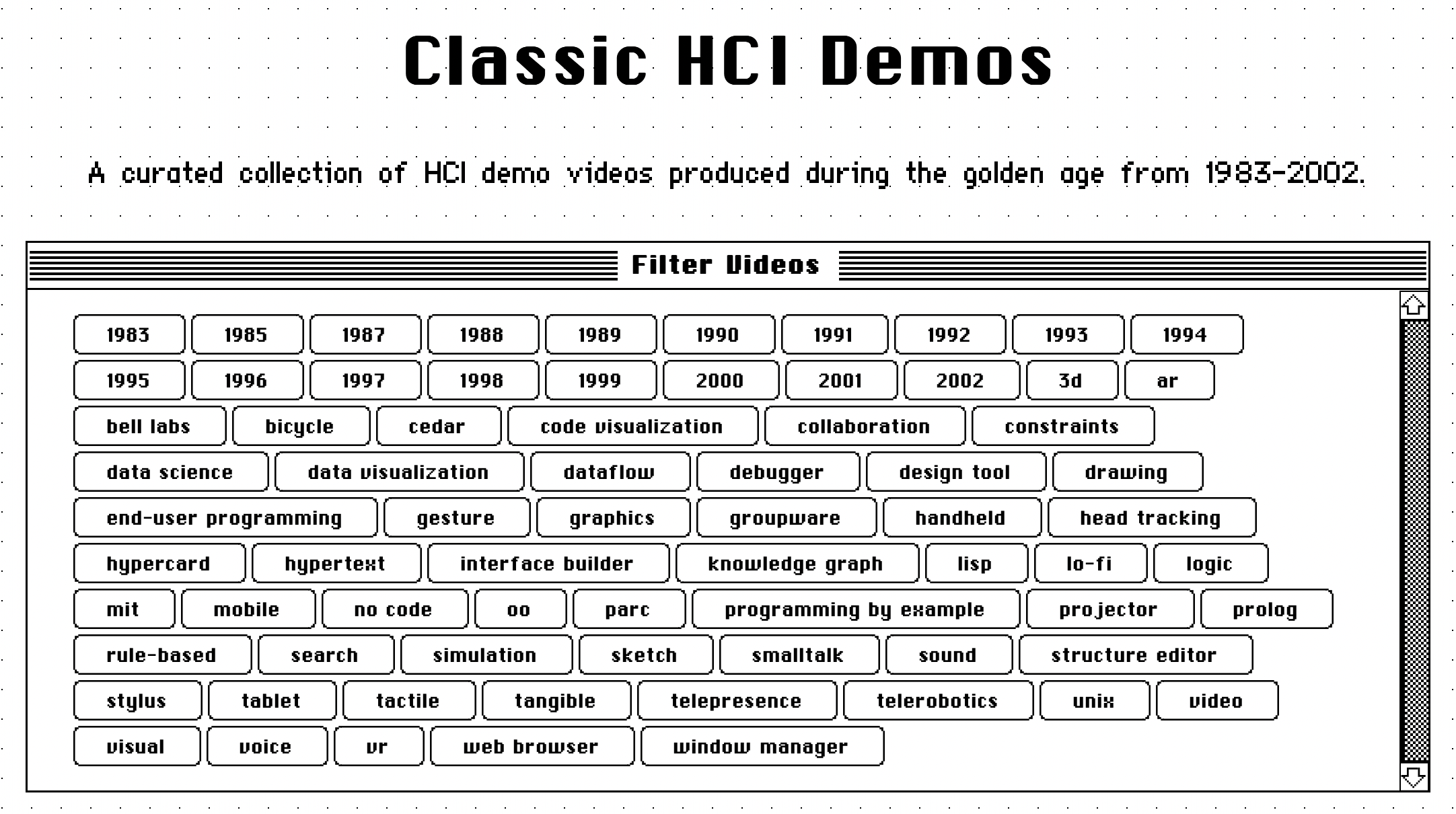
Classic HCI demos
A curated collection of HCI demo videos produced during the golden age from 1983-2002.
Hazel constellation canvas demo
userinterface.wiki
A living manual for better interfaces. Learn design principles, motion, typography, and more.
Does human-computer interaction research enable anti-social practices? Does AI make this worse?
Thanks to AI’s role in work, I’ve been stewing yet again on what it means to do human studies and accessibility research and why society seems to value this kind of specialization.

Creative Reading: Scaffolding Reading for Transformation
Reading augmentation systems increasingly help readers process text at scale. While these tools address real constraints of time and cognitive load, they often implicitly frame reading as information transmission, or "reading to discard," delegating interpretation and effort to the machine. Yet this delegation changes the outcome of reading. For example, in scholarly reading, deciding what a research text implies and why it matters is central to the work of scholarly production. We propose creative reading as an alternative goal: reading augmentation that supports readers in creating both readings and themselves as readers. By putting literary and narrative theories into conversation with scholarly sensemaking and creativity support, we present a provocation-oriented design space for valuing the process of reading as a way of preserving a plurality of readings and transforming readers over time.

NOVA Talking Turtle 1983
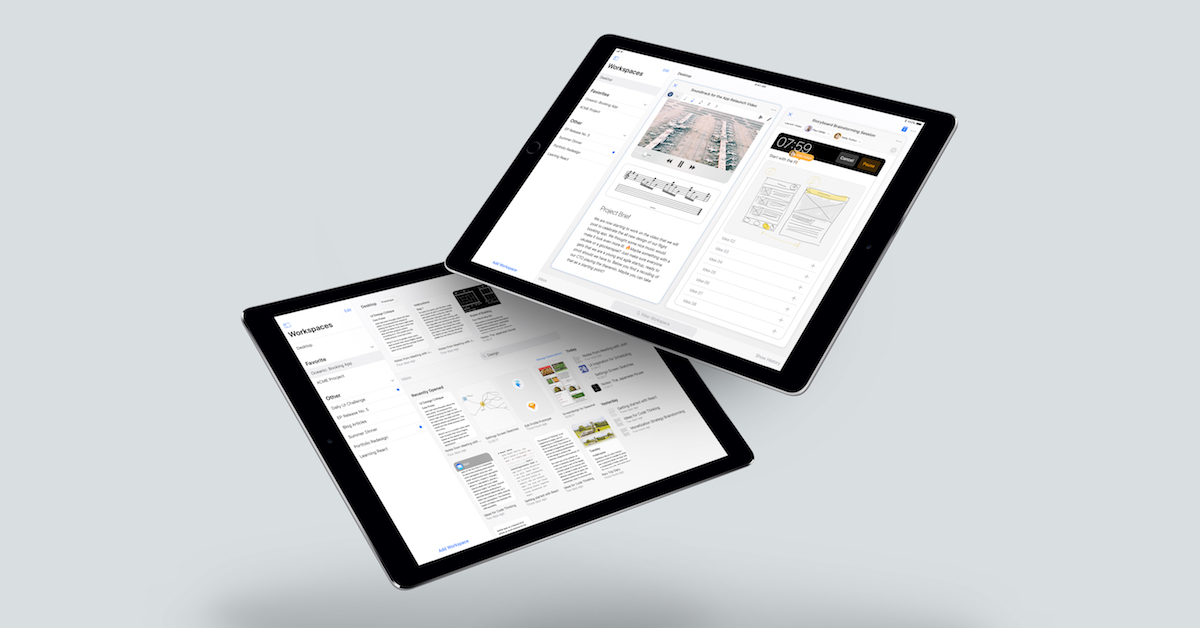
Desktop Neo – rethinking the desktop interface for productivity.
The desktop computer hasn’t changed much in the last 30 years. It’s still built on windows, folders and mouse input. But we have changed. We now use smartphones and tablets most of the time, since they are much easier to use.The traditional desktop computer is struggling to adapt the simple interfaces of mobile devices while also keeping its focus on productivity. With people switching to mobile devices for mundane tasks, we have the opportunity to rethink the desktop computer with a focus on getting professional work done.
MercuryOS
Mercury is a reimaging of the operating system as a fluid modeless experience drive by human intent.
10/GUI
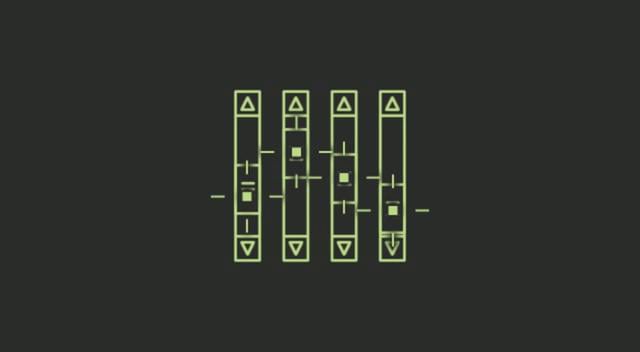
Here it is: my crazy summer project to reinvent desktop human-computer interaction. This video examines the benefits and limitations inherent in current mouse-based and window-oriented interfaces, the problems facing other potential solutions, and visualizes my proposal for a completely new way of interacting with desktop computers. There's more information at http://10gui.com .

Fundamentals of Interactivity | Interactive Storytelling Tools for Writers | Chris Crawford
Magic Ink: Information Software and the Graphical Interface
This draft was released March 15, 2006. Please email comments to bretworrydream.com. You can also download the PDF.
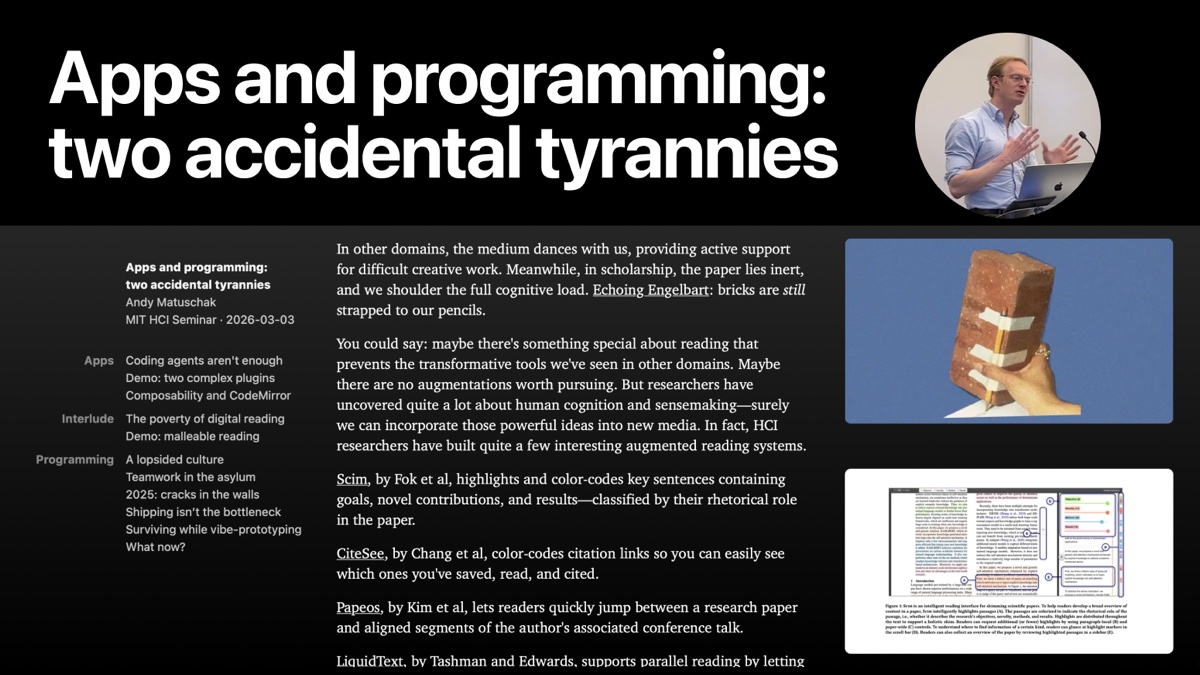
Apps and programming: two accidental tyrannies
On coding agents, malleable software, and the future of interface invention
As someone interested in providing more agency in our computing environment I am on the lookout for pieces of our current computing environments that can be enriched to provide a more malleable experience. Window management is an area that I keep coming back to given how prevalent the domain is. I will provide a recap of what window management is, how it’s used today, and how modern applications have evolved to deal with current deficiencies. Then I’ll provide a compositional approach for window management to move towards and discuss how I think this could make applications more malleable.
Douglas Adams Hyperland