Collection
The web we lost

Updated 2d
A melancholy reflection about what happened to the web mixed with some positive imagination about to do about it.
Collection
Updated 2d
A melancholy reflection about what happened to the web mixed with some positive imagination about to do about it.
Witchsky
The Boring Internet
The internet you grew up on isn't dying. A commercial veneer glued on top of it is.
We can have a different web
Many yearn for the “good old days” of the web. We could have those good old days back — or something even better — and if anything, it would be easier now than it ever was.
"A Web of Our Own Making" with Antón Barba-Kay
Patrick - I'm worried about the web
I'm worried about the web. I don't want to live in a world where most users of internet-connected devices consume their information and accomplish their tasks via a chat bot interface.

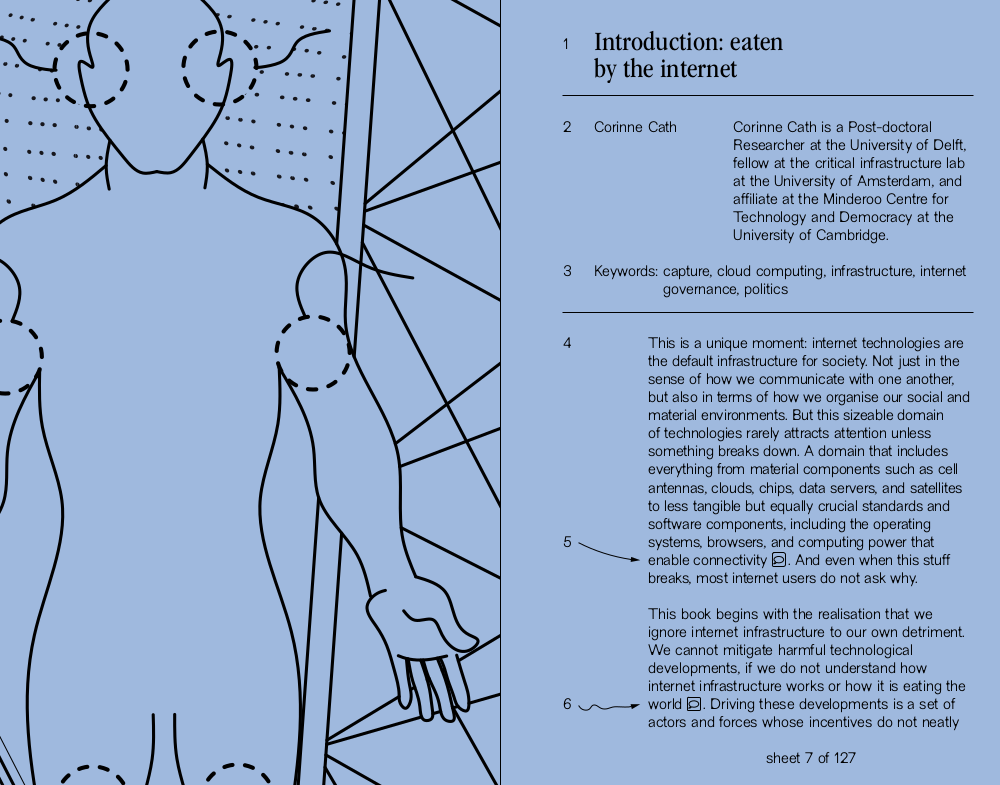
Eaten by the Internet
This book makes internet infrastructure visible as a force of political power, which is transforming the social world, from the bottom up—through fifteen chapters contributed by a global set of researchers, activists, and techies. We are living a unique moment: internet technologies are the default infrastructure for society, not just how we communicate but also how we organise our social life, politics, and economy, all the way down to our material environments, like cities. Our world is eaten by the internet. This means that those who control the internet control the bounds of public speech, economic production, social cohesion, and politics, making its infrastructure a core political terrain in the networked age. The book’s chapters cover a wide set of topics, spanning from the global politics of content moderation by internet infrastructure to the colonialism inherent in the race to plug the moon, from the harms wrought by blockchain companies in rural America to the particularities of online censorship across Asia. The chapters take on thorny topics, discussing power consolidation in the advertisement and cloud industry, the role of internet infrastructure in the war in Ukraine, and tech’s environmental impact—amongst others. In doing so, this book roots contemporary technology debates in the politics of internet infrastructure and urges us to ask how can we ensure our infrastructures sustain us, rather than consume us?
Historical pragmatism and the internet
This article argues that the literature describing the internet revolution in the 1990s was characterized by the rhetoric of the technological sublime. This rhetoric suffered from three fatal flaws: (1) it was not sufficiently grounded in the historical development of technology; (2) it viewed the internet in isolation, failing to consider the wider technological context; and (3) it failed to examine the internet in view of the social, economic, religious and political circumstances of its users. Several examples from history are cited, demonstrating that changes in various systems for the production, dissemination and preservation of cultural information both border and deborder the world. The article suggests that if internet researchers take a pragmatic, historically grounded approach, they will discover that the introduction of internet technology can be seen to have similar consequences. While the technology overcomes many boundaries (of space and time, politics and economics), other social borders may be created at the same time. It is easier to see old boundaries coming down than to see new ones being erected. Rather than being swept by utopian or dystopian enthusiasms, the article insists that the really interesting discoveries are to be made in locating the subtle social shifts taking place, relatively unnoticed, as a consequence of technological change.


What Was the Internet?
As AI overtakes the web, five writers reflect on how far it’s fallen and what comes next.

Google Reader was building the wrong future
The app that taught us to directly follow our favorite creators.
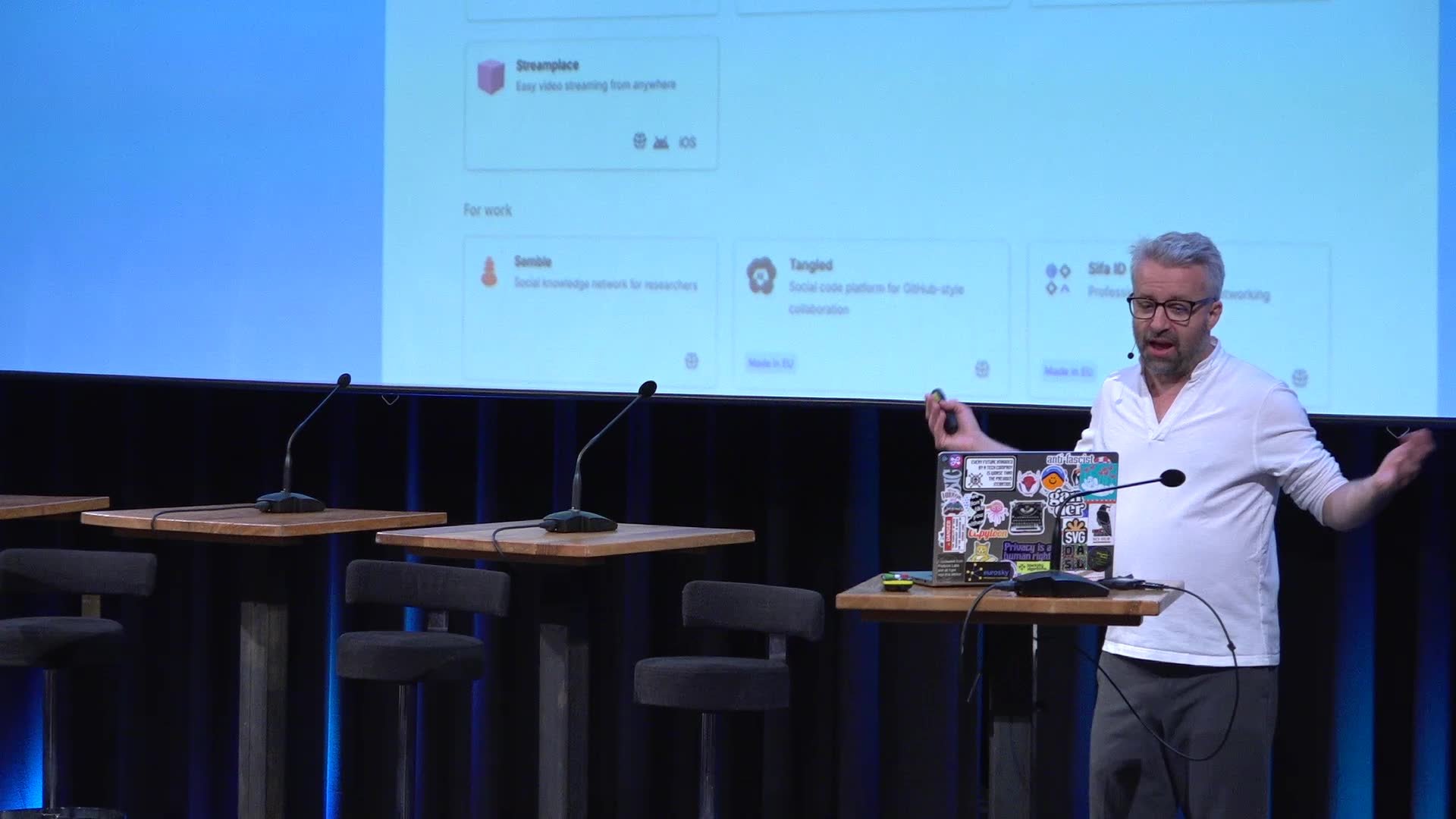
We Build On Hope @ PublicSpaces Conference 2026
Keynote by Robin Berjon The current state of tech can feel disheartening. Years of critical analysis and reform efforts have left us with a digital sphere that seems worse than ever. In Europe, our...
Against the dark forest
The complex of ideas I’m going to call the Dark Internet Forest emerges from mostly insidery tech thinking, but from multiple directions.

J. R. Carpenter || A Handmade Web
J. R. Carpenter is an award winning poet, fiction writer and web artist based in South Devon, England.
The web was always about redistribution of power. Let's bring that back.
It's time to rekindle the movement.

Todepond dot com

We Need To Rewild The Internet
The internet has become an extractive and fragile monoculture. But we can revitalize it using lessons learned by ecologists.

A Website To End All Websites | Henry From Online
How to win the war for the soul of the internet, and build the Web We Want.

The Internet Is a Net Negative
I'm usually an optimist about things. That outlook has served me well in life. It's helped me build open source projects that millions of people use. It's...

Internet for the People: The Fight for Our Digital Future
"For all the informational convenience the internet offers, it is deeply flawed. How can it be improved? Writer Ben Tarnoff proposes one possibility in this intriguing book, which urges the development of 'a public lane on the information superhighway.' It's worth checking out for yourself." – Seth MacFarlane Why is the internet so broken, and what could ever possibly fix it? In Internet for the People, leading tech writer Ben Tarnoff offers an answer. The internet is broken, he argues, because it is owned by private firms and run for profit. Google annihilates your privacy and Facebook amplifies right-wing propaganda because it is profitable to do so. But the internet wasn't always like this—it had to be remade for the purposes of profit maximization, through a years-long process of privatization that turned a small research network into a powerhouse of global capitalism. Tarnoff tells the story of the privatization that made the modern internet, and which set in motion the crises that consume it today. The solution to those crises is straightforward: deprivatize the internet. Deprivatization aims at creating an internet where people, and not profit, rule. It calls for shrinking the space of the market and diminishing the power of the profit motive. It calls for abolishing the walled gardens of Google, Facebook, and the other giants that dominate our digital lives and developing publicly and cooperatively owned alternatives that encode real democratic control. To build a better internet, we need to change how it is owned and organized. Not with an eye towards making markets work better, but towards making them less dominant. Not in order to create a more competitive or more rule-bound version of privatization, but to overturn it. Otherwise, a small number of executives and investors will continue to make choices on everyone’s behalf, and these choices will remain tightly bound by the demands of the market. It's time to demand an internet by, and for, the people now.