Bringing Sexy Back
Internet surveillance has killed eroticism. We need privacy to reclaim it.

Bringing Sexy Back
Internet surveillance has killed eroticism. We need privacy to reclaim it.
A Queer and Feminist Defense of Being Anonymous Online
From the earliest days of digital communities, online abuse has been connected to anonymity. While concerns around the impact of anonymity, particularly for women, people of color and LGBTQ folks, is legitimate, this paper argues that a flat rejection of digital anonymity is problematic, foreclosing certain forms of queer and feminist praxis. To make this case, I turn to the platform politics of Craigslist. Using Craigslist as a case study, I discuss the persistent stigma attached to online anonymity, before addressing specific tactics of online anonymity associated with queer and feminist values of privacy and mutual aid. Drawing on accounts of Craigslist users who saw anonymity as a protective form of control over their personal information, I outline ways in which anonymity is not solely an enabler for misogyny and homophobia, and can instead (or rather, also) be a subversive tool for self-expression and intimacy.
Feminist Principles of the Internet - Version 2.0
A feminist internet works towards empowering more women and queer persons – in all our diversities – to fully enjoy our rights, engage in pleasure and play, and dismantle patriarchy. The following key principles are critical towards realising a feminist internet.


The Cybernetic Sex Worker
Gabriella Garcia on the perennial love affair between sex work and telecommunications.

Sex Workers Built the Internet
An internet history that centers sex workers’ voices and experiences
Sex Workers Built the Internet
An internet history that centers sex workers’ voices and experiences
From Non-consensual Pornography to Image-based Sexual Abuse: Charting the Course of a Problem with Many Names
Every day, people’s most intimate moments are recorded, uploaded and circulated online without their consent. This gross invasion of privacy – commonly known as ‘revenge pornography’ – has become p...
Wired women : gender and new realities in cyberspace
Come in, CQ: the body on the wire / Ellen Ullman -- The memoirs of a token: an aging Berkeley feminist examines Wired / Paulina Borsook -- How hard can it be? / Karen Coyle -- Closure was never a goal in this piece / Judy Malloy and Cathy Marshall -- Estrogen brigades and "big tits" threads: media fandom online and off / Susan Clerc -- Elites, lamers, narcs and whores: exploring the computer underground / Netta "grayarea" Gilboa -- We are geeks, and we are not guys: the systers mailing list / L. Jean Camp -- Not for the faint of heart: contemplations on Usenet / Judy Anderson "yduJ" -- The price of admission: harassment and free speech in the wild, wild West / Stephanie Brail -- Sex, fear and condescension on campus: cybercensorship at Carnegie Mellon / Donna M. Riley -- Cocktails and thumbtacks in the old West: what would Emily Post say? / Laurel A. Sutton -- "So please stop, thank you": girls online / Michele Evard -- MUDder? I hardly know 'er: adventures of a feminist MUDder / Lori Kendall -- Like magic, only real / Tari Lin Fanderclai -- Coming apart at the seams: sex, text and the virtual body / Shannon McRae; Includes bibliographical references; Ellen Ullman shares an email courtship - Paulina Borsook exposes gender attitudes at the digerati's magazine of record - Karen Coyle on overcoming macho stereotypes - Judy Malloy and Cathy Marshall reflect on their art/research collaboration - Susan Clerc and the zeal of media fandom - Netta Gilboa explores hackers' attitudes toward women - Jean Camp on the Internet's safe havens - Judy Anderson's advice on dodging Usenet flames - Stephanie Brail seeks the line between free speech and harassment - Donna Riley reveals the story of the Clitoral Hoods - Laurel Sutton and the nuances of netiquette - Michele Evard takes news-groups to the fifth grade - Lori Kendall wonders if gender is meaningless online - Tari Lin Fanderclai on MUDs as a powerful teaching tool - Shannon McRae takes a look at "virtual sex"

What Andrea Dworkin missed about pornography | Aeon Essays
Often vilified as a weapon of male supremacy, pornography in fact has much to tell us about ourselves and our culture
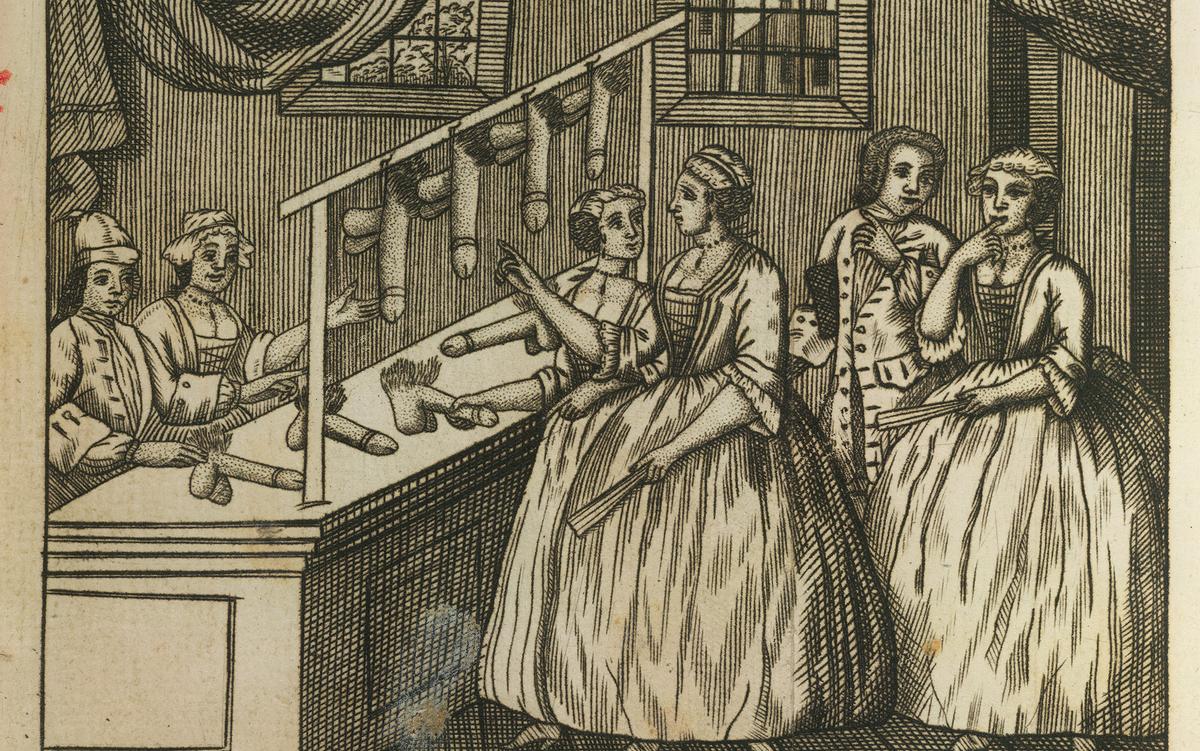
The Goon Squad, by Daniel Kolitz
Loneliness, porn’s next frontier, and the dream of endless masturbation

The Goon Squad, by Daniel Kolitz
Loneliness, porn’s next frontier, and the dream of endless masturbation
Home | Unplatform
The definitive guide for escaping social media (and joining the indie web.)
Collection

Updated 7mo
The internet, privacy, and eroticism.