Collection
Faine’s Errata

Updated 2mo
Collection
Updated 2mo
Extreme Heat is Rapidly Decaying Teeth in Pakistan
A dentist documents how extreme heat is turning Pakistani farmworkers’ mouths into hostile environments for their own teeth.

The political economy of billionaire derangement
The passions are devouring the interests

A Better World Is Not Possible | Los Angeles Review of Books
Did the Weather Underground have a point?
:quality(75)/https%3A%2F%2Fassets.lareviewofbooks.org%2Fuploads%2FKathy_Boudin_FBI_wanted_poster_issued_1_May_1970.jpg)
Remotely Coerced Violence: 764, The Com Network, and the Hybridization of Threats - Combating Terrorism Center at West Point
Abstract: This article examines 764 and the wider Com Network as a case study in remotely coerced violence and the hybridization of contemporary terrorist and violent extremist threats. It argues that nihilistic violent extremism is best understood as a victim-driven, youth-centered online ecosystem in which status, belonging, and identity are earned through the production, circulation, … Continued

The Corals That Shouldn’t Exist - bioGraphic
Beneath Miami’s skyscrapers, a colony of corals defies expectations—and offers insight into other undersea urban ecosystems.

Elon Musk’s Race War Just Took Darker Turn—Time for a Global Response
The violent fascist riots in Belfast reveal the future that the trillionaire really wants. We need an international movement to constrain him.

My Dad’s Annoying. I’m Annoying. What About My Daughter?
I’ve inherited my dad’s habit of saying and doing inappropriate things. Now I’m making sure my kid won’t follow suit.

Diverse Locations and a Long History: Historical Context for Urban Leopards (Panthera pardus) in the Early Anthropocene From Seoul, Korea
While the urban landscapes of the early Anthropocene may appear hostile to large carnivores, humans and leopards (Panthera pardus) are known to co-inhabit major urban centres like Mumbai (India), Nairobi (Kenya) and Johannesburg (South Africa). We provide evidence that the presence of leopards in urban landscapes is not, however, a new phenomenon and has occurred repeatedly over the early history of the Anthropocene. Using records of Amur leopards (P. p. orientalis) in Seoul, Korea, at the end of the 19th century, a capital city and major urban centre with a high human population density, we explore socio-cultural, political and ecological factors that may have facilitated human-leopard co-occurrence in an urban landscape and the factors that eventually led to the leopards' extirpation. We suggest that, in the absence of unsustainable levels of persecution by humans, leopards are able to persist in urban landscapes which contain small patches of dense vegetation and have sufficient alternative food supplies. In light of the continued expansion of urban landscapes in the 21st century and increasing conservation focus on the presence of large carnivore populations there, this paper provides historical context to human co-existence with leopards in urban landscapes during the Anthropocene – and what we can learn from it for the future.

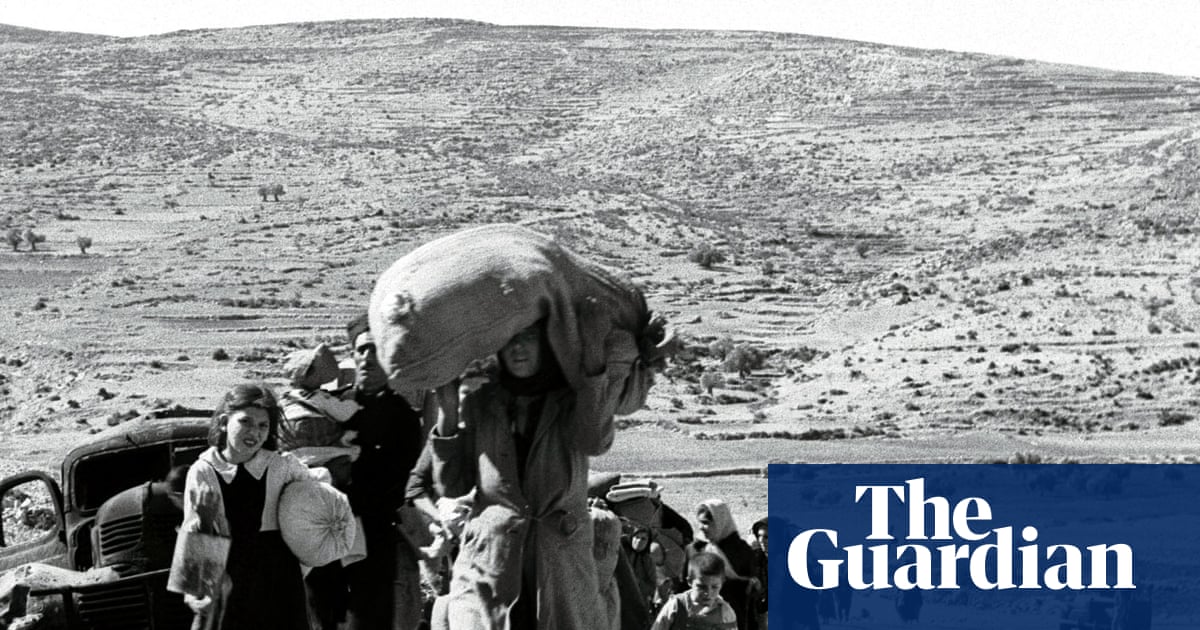
The secret mission to rescue the UN’s vital Palestinian refugee archive
Millions of documents chronicling generations of trauma saved from Gaza and East Jerusalem in 10-month Unrwa operation
Stefan Collini · Squadrons of Pigs: Bonfire of the Universities
The problems with Britain’s universities are systemic and deep-rooted, not just local or contingent. Yet political and...

Of mice and men, cats and grains
When hunter-gatherers started to settle, they created new ecological niches for rodents, which could become a problem as soon as the residents started to grow cereals and wanted to store grains. Cats took over the pest control job to the extent that humans began to appreciate their presence and spread them around the world, along with their cereals and mice. Bioarchaeology and genetic studies are now beginning to reveal the origins of this curious and now ubiquitous ecological constellation. Michael Gross reports.
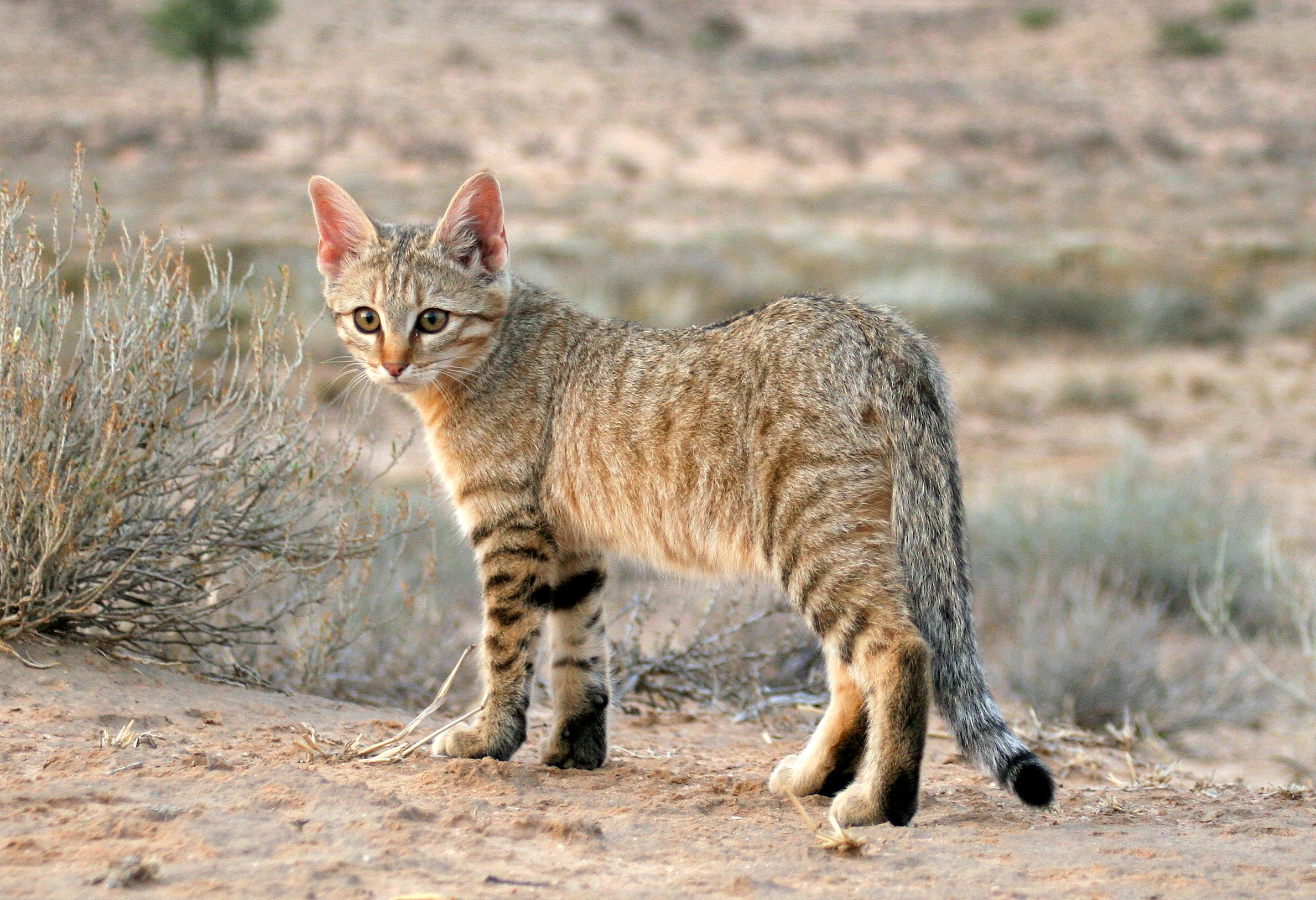
Tabby’s likely ancestor & Earth’s most widespread wildcat is an enigma
The Afro-Asiatic wildcat (Felis lybica) is the world’s most widely distributed wildcat, but experts and information on the species are scarce. The species’ range is immense, stretching across most of Africa, Southwest and Central Asia, India, China and Mongolia. But Arash Ghoddousi, lead author for F. lybica’s 2022 IUCN species conservation assessment, says the study […]
Christmas at Moose Factory
Released in 1971, this lyrical short documentary marked the directorial debut of legendary Abenaki director Alanis …

Packing The World For Longest Lines Of Sight
I have a side project to find the longest line of sight on the planet1 using a novel Total Viewshed algorithm. At a resolution of 3 arc-seconds (~92m x 92m), the planet contains around 4.5 billion elevation samples2. Now obviously we don’t need to calculate the visibility between literally every single one of those, so how do we begin to cut it up? That’s what I’ll explore in this post.
Deontological Ethics
The word deontology derives from the Greek words for duty(deon) and science (or study) of (logos). Incontemporary moral philosophy, deontology is one of those kinds ofnormative theories regarding which choices are morally required,forbidden, or permitted. In other words, deontology falls within thedomain of moral theories that guide and assess our choices of what weought to do (deontic theories), in contrast to those that guide andassess what kind of person we are and should be (aretaic [virtue]theories). And within the domain of moral theories that assess ourchoices, deontologists—those who subscribe to deontologicaltheories of morality—stand in opposition toconsequentialists.
On Virtuality: Deleuze, Bergson, Simondon | Epoché Magazine
A free online philosophy magazine, delivered monthly
Founder Frights | Mercury
A haunted office production from Mercury, where your funds (and your ghosts) are safe.

Rotten Dot Com by Dena Yago
May 6, 2026 – “Rotten.com was a haunted arcade, dispensing trauma in gumball-machine doses straight to kids with dial-up, who chewed on images never meant for their half-formed stomachs.”

Chuchee Mythology - Index
Sacred religious text from the Internet Sacred Text Archive
Independent journalists are mission-driven, but financially strained, a new report says
"Journalism isn't immune to the larger trend of the gig-ification of labor."
