Collection
Aid/Humanitarian

Updated 18d
Collection
Updated 18d
‘We feel that we were used’: Nonprofits after Chan Zuckerberg dropped social advocacy
A year after CZI ended social advocacy grants, nonprofits share lessons on funding loss, budget gaps, and surviving donor shifts.

Solutions Privilege: How privilege shapes the expectations of solutions, and why it’s bad for our work addressing systemic injustice
Hi everyone, quick disclaimers. Game of Thrones is back, and it runs on Sunday nights, when I’m usually doing my writing, so the next several blog posts will likely decrease in quality and coherence. The last few days also found my kids with food poisoning. I will spare you
WFP cyber-attack: Is nearly all of Gaza’s population exposed?
Notes on how aid works: What WFP leaves out of data breach reports, the humanitarian reset’s neglected crises, and Palantir.

The dark side of the hut, 50 years later
Grace and wonder amid famine, pestilence, and drought
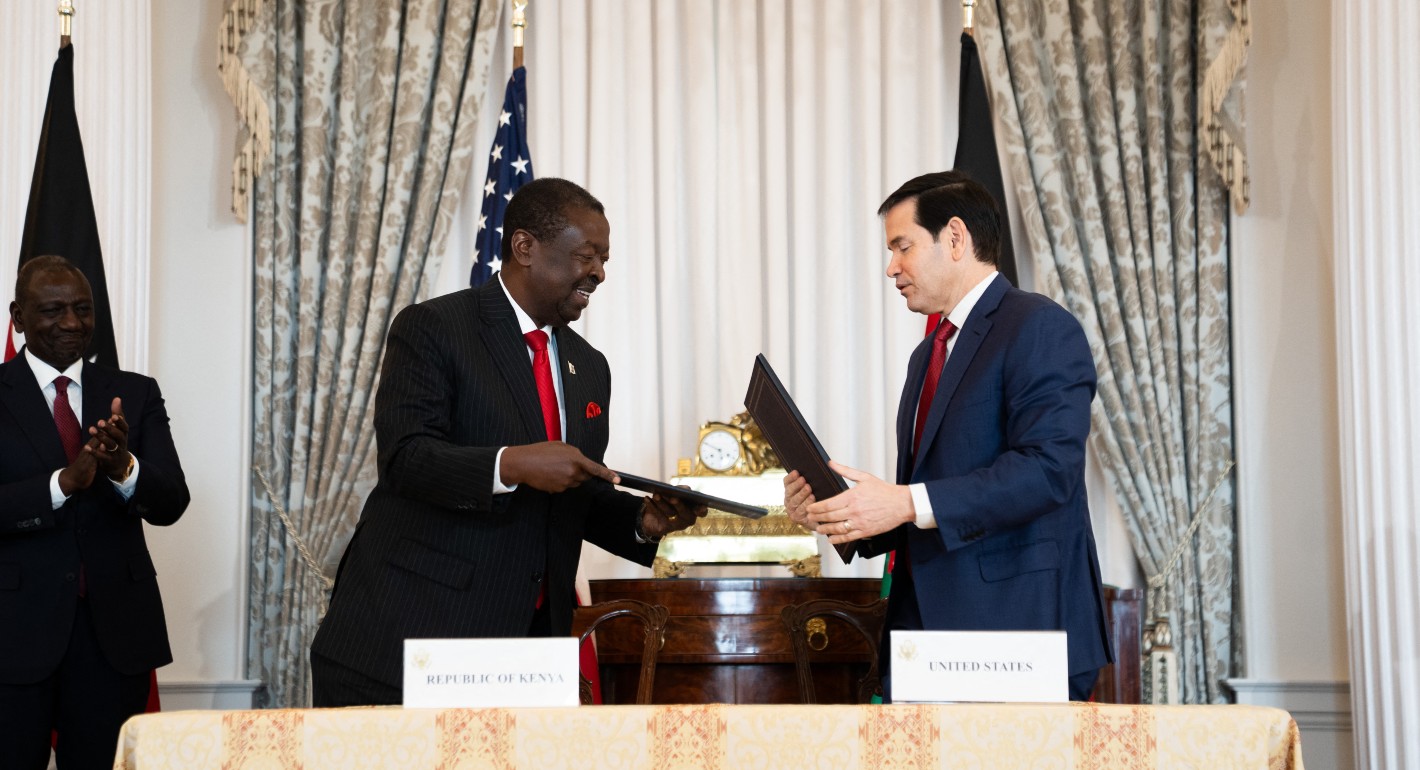
Kenya’s Health Deal Is a Stress Test for the America First Global Health Strategy
U.S. agreements must contend with national data protection laws to make durable foreign policy instruments.
Time to end parachute science
Citation: Odeny B, Bosurgi R (2022) Time to end parachute science. PLoS Med 19(9): e1004099. https://doi.org/10.1371/journal.pmed.1004099
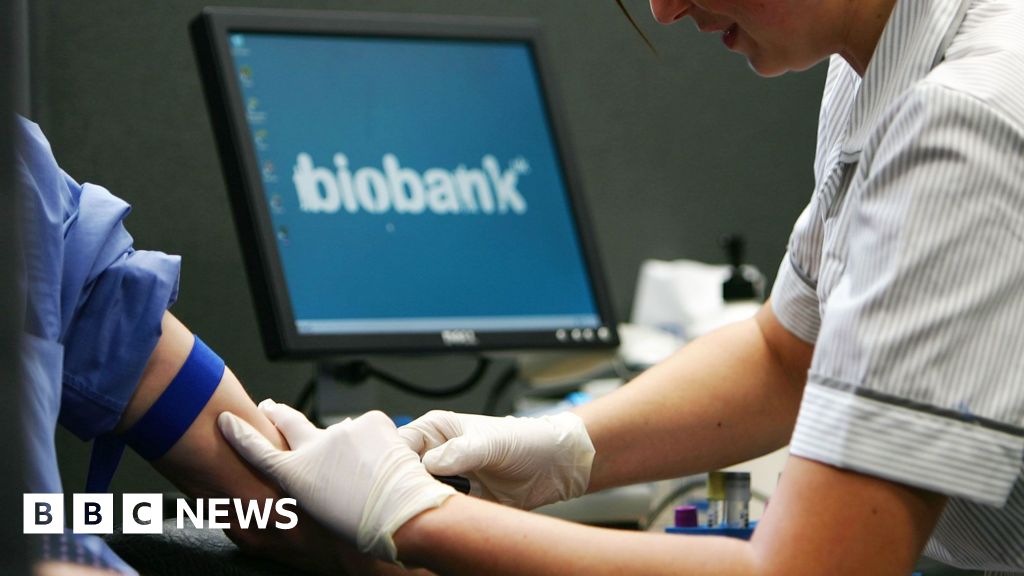
UK Biobank health data listed for sale in China, government confirms
The government said medical data of 500,000 people was affected but no personally identifiable information had been made available.
U.S. Demands to Access Africans’ Data Raise Privacy, Sovereignty Concerns — ProPublica
The United States is requiring access to health data as part of lifesaving aid deals with African countries. The U.S. says the data will be aggregated and anonymized, but privacy experts fear the information could be misused or exploited.

Trump Is Defying Congress on Foreign Aid — ProPublica
Lawmakers gave specific orders to Trump officials on foreign aid spending, but officials have refused to follow many of them — likely in violation of the law, experts say. In doing so, they’re escalating a constitutional crisis.

Bay Area companies skewered over false tsunami information
Amid active tsunami warnings, Grok said they'd been cancelled.

The shifting battlefield: technology, tactics, and the risk of blurring lines in warfare - Humanitarian Law & Policy Blog
The accelerating integration of emerging technologies into armed conflict is transforming not only the tools of war, but its tactics, geography, participants and impact. Technological developments – from commercial drones to artificial intelligence, electronic warfare to the military use of civilian infrastructure – risk undermining boundaries between military and civilian domains. These changes challenge long-held...
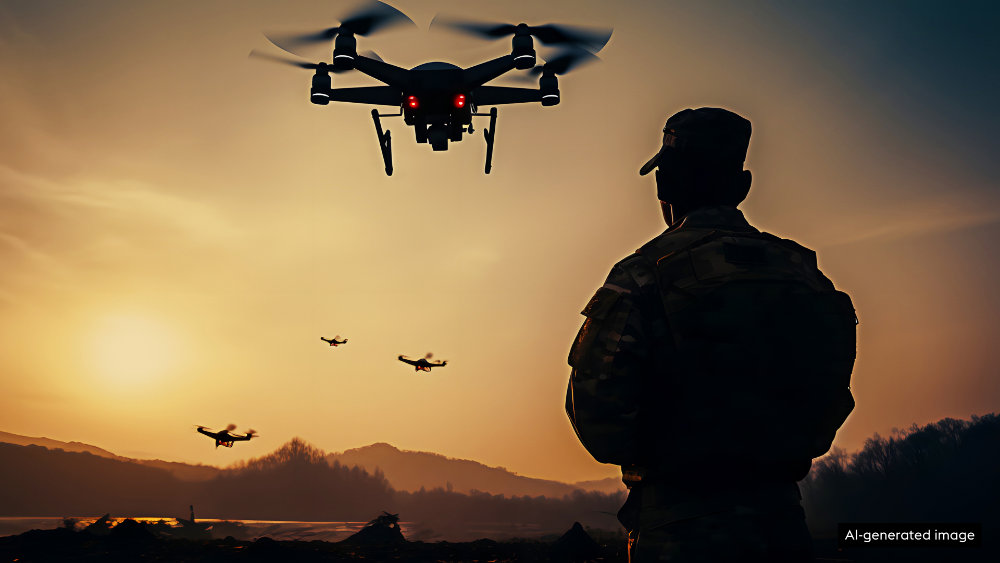
Above the law: Drones, aerial vision and the law of armed conflict – a socio-technical approach
Shiri Krebs is Professor of Law and ARC DECRA Fellow, Deakin University, Geel
Frequently Asked Questions: International humanitarian law and the use of drones in armed conflict
The use of uncrewed vehicles in armed conflicts has grown significantly in recent years, raising humanitarian, legal, operational and security concerns. Armed remotely piloted aircraft – commonly known as “drones” – are now central to many military operations. While most drones are unarmed and used for surveillance or civilian purposes (such as disaster response, mapping or aid delivery), public debate has largely focused on armed drones and their impact on civilians.
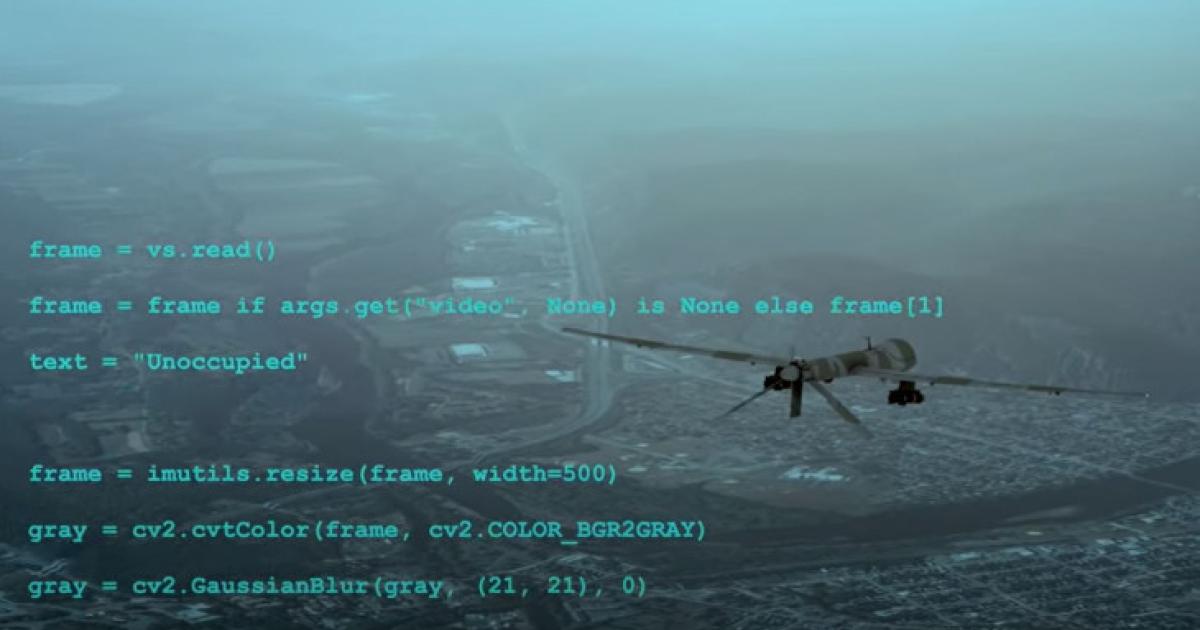
The Civilian Impact of Drones: Unexamined Costs, Unanswered Questions | Center for Civilians in Conflict
This joint report from the Center for Civilians in Conflict and Columbia Law School’s Human Rights Clinic is an in-depth look at the US government’s covert drone program and its impact on civilian populations. Our objective is to critically assess US government procedures and standards for ensuring civilian protection and responding to civilian harm from…

Opportunities to Improve Military Policies and Practices to Reduce Civilian Harm From Explosive Weapons in Urban Conflict
This research paper seeks to contribute to further thinking and dialogue among States and their militaries that conduct operations in urbanized environments on what more can be done to reduce civilian harm by proposing practical measures in the form of options for consideration. UNIDIR seeks to enhance knowledge on ways to reduce risks and mitigate harm to civilians from the effects of explosive weapons in urbanized environments. This research frames the issue of explosive weapons in the broader context of protection of civilians in urban conflict and focuses on multilateral operations. The research takes a comprehensive approach to civilian protection from a ‘risk reduction’ perspective—that is, seeking to understand where the risks and uncertainties lie in the entire ‘civilian protection life cycle’, recognizing that civilian harm is the cumulative effect of numerous risks and decisions made from formulating mandates, planning, execution, assessment and response to lessons learned and institutional learning. Particular focus is placed on the targeting and weaponeering processes. Citation: Roger Lane, Larry Lewis and Himayu Shiotani (2019) "Opportunities to Improve Military Policies and Practices to Reduce Civilian Harm From Explosive Weapons in Urban Conflict", UNIDIR, Geneva, Switzerland. https://doi.org/10.37559/CAAP/19/PACAV/11 TRANSLATIONS To read the report in French, click here.
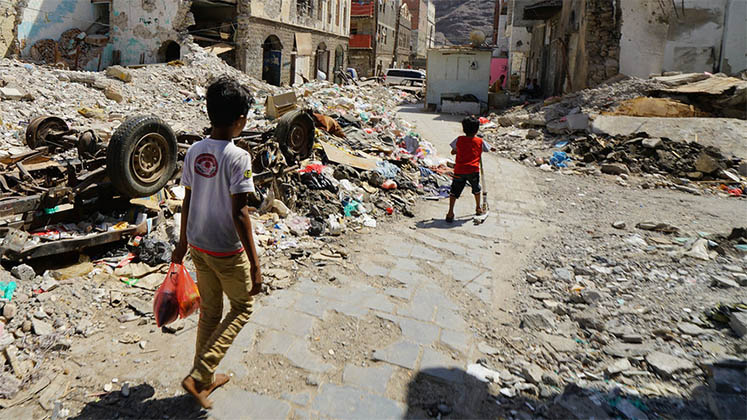
The Political Declaration — UNODA
Political Declaration on Strengthening the Protection of Civilians from the Humanitarian Consequences Arising from the Use of Explosive Weapons in Populated Areas
Revisiting Customary IHL Series – Getting it right? Challenges and Shortcomings in the Identification of Customary IHL - Lieber Institute West Point
CIL can only be robust enough to adapt to the challenges of modern conflicts if its identification is rebalanced to account for them.

Protecting civilians in a data-driven and digitalized battlespace: toward a baseline humanitarian technology infrastructure
This article examines the realities of modern day warfare, including a rising trend in hybrid threats and irregular warfare which employ emerging technologies supported by digital and data-driven processes. The way in which these technologies become applied generates a widened battlefield and leads to a greater number of civilians being caught up in conflict. Humanitarian groups mandated to protect civilians have adapted their approaches to the use of new emerging technologies. However, the lack of international consensus on the use of data, the public and private nature of the actors involved in conflict, the transnational aspects of the widened battlefield, and the heightened security risks in the conflict space pose enormous challenges for the protection of civilians agenda. Based on the dual-usage aspect of emerging technologies, the challenges associated with regulation and the need for those affected by conflict to demonstrate resilience toward, and knowledge of, digital media literacy, this paper proposes the development of guidance for a "minimum basic technology infrastructure" which is supported by technology, regulation, and public awareness and education

Cheap drones, costly consequences: the legal and humanitarian risks and outcomes of low-tech drone warfare
The article examines the recent and rapid proliferation of cheap, unsophisticated “kamikaze” drones, as well as the legal and moral challenges they present in modern warfare. As countries increasin...
