Creative Reading: Scaffolding Reading for Transformation
Reading augmentation systems increasingly help readers process text at scale. While these tools address real constraints of time and cognitive load, they often implicitly frame reading as information transmission, or "reading to discard," delegating interpretation and effort to the machine. Yet this delegation changes the outcome of reading. For example, in scholarly reading, deciding what a research text implies and why it matters is central to the work of scholarly production. We propose creative reading as an alternative goal: reading augmentation that supports readers in creating both readings and themselves as readers. By putting literary and narrative theories into conversation with scholarly sensemaking and creativity support, we present a provocation-oriented design space for valuing the process of reading as a way of preserving a plurality of readings and transforming readers over time.


Creative Reading: Scaffolding Reading for Transformation
Reading augmentation systems increasingly help readers process text at scale. While these tools address real constraints of time and cognitive load, they often implicitly frame reading as information transmission, or "reading to discard," delegating interpretation and effort to the machine. Yet this delegation changes the outcome of reading. For example, in scholarly reading, deciding what a research text implies and why it matters is central to the work of scholarly production. We propose creative reading as an alternative goal: reading augmentation that supports readers in creating both readings and themselves as readers. By putting literary and narrative theories into conversation with scholarly sensemaking and creativity support, we present a provocation-oriented design space for valuing the process of reading as a way of preserving a plurality of readings and transforming readers over time.

The revolt of the reader | The Observation Deck
Reading is important to me. While I’m not a quick reader nor an especially voracious one, I have found that long-form reading has had a profound influence on me over my life. And because reading is important to me, writing is too: writing not only allows us to convey our ideas, but the very act forces us to test and distill them — at once making our ideas more robust while providing the vehicle by which to share them.
Creative Reading: Scaffolding Reading for Transformation
However, recent work on augmenting reading largely focuses on making reading more efficient, especially in knowledge-intensive contexts where people must rapidly make sense of research papers and other complex documents (Lo et al., 2024). These systems often aim to help readers skim, summarize, and synthesize large volumes of information in order to reduce cognitive effort and accelerate document- and corpus-level sensemaking at scale (Gu et al., 2025; Lo et al., 2024; Fok et al., 2023). At one extreme, the form of reading implicitly envisioned by these systems may resemble what we call “reading to discard”: extracting the essential, actionable informational core of a document as quickly and efficiently as possible, so that the rest can be swiftly tossed aside—much like we often process inbound mail. This motivates us to ask what scaffolding approaches might resist “reading to discard,” what alternative forms of reading we might scaffold, and what alternative views and values of reading might guide the conversation.
Connecting with your readers on Semble [Patterns of Sensemaking #2] - Cosmik Labs
On how the references you make help your writing find its natural audience
The "End of Reading" Panic Is Missing the Real Problem
How books can sap the soul and poison readers with ideas | Aeon Essays
What’s more wholesome than reading? Yet books wield a dangerous power: the best erode self, infecting readers with ideas

Readeck: Home
Save interesting articles, long read, pictures, videos. Read or revisit them later.

Creative Reading: Scaffolding Reading for Transformation
Reading augmentation systems increasingly help readers process text at scale. While these tools address real constraints of time and cognitive load, they often implicitly frame reading as...

How to gain more from reading by taking it all in more slowly | Psyche Guides
There’s more to words than meets the eye. Deepen your appreciation of literature through the art of slow, attentive reading

How to create reading experiences that "go beyond information transmission and toward reader transformation.” Great paper by @blue-phia.bsky.social @lepidopterane.bsky.social @yijunliu.bsky.social Sarah Sterman @sh1m.bsky.social @maxkreminski.bsky.social arxiv.org/abs/2606.04308 >
mira.science community reading recommendations

Dem operatives quietly back network of local-sounding news sites in swing states

Newsroom or PAC? Liberal group muddies online information wars

Updates about Journatic - This American Life

Forgive us our Press Passes - This American Life

Right-wing 'zombie' papers attack Illinois Democrats ahead of elections

“Pink slime” local news outlets erupt all over US as election nears
The End of Reading Is Here

“The End of Reading Is Here” - The Ringer
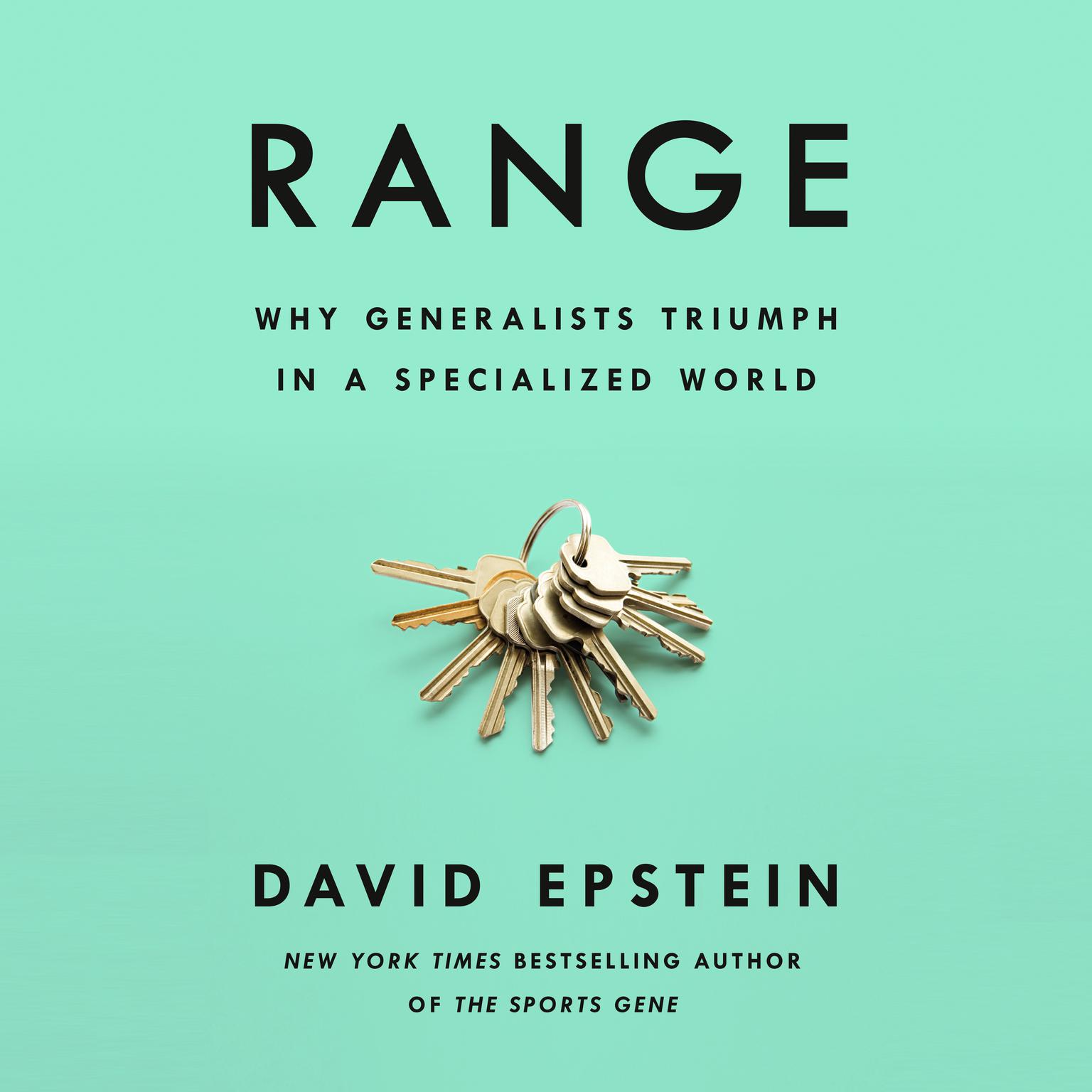
Range: Why Generalists Triumph in a Specialized World by David Epstein
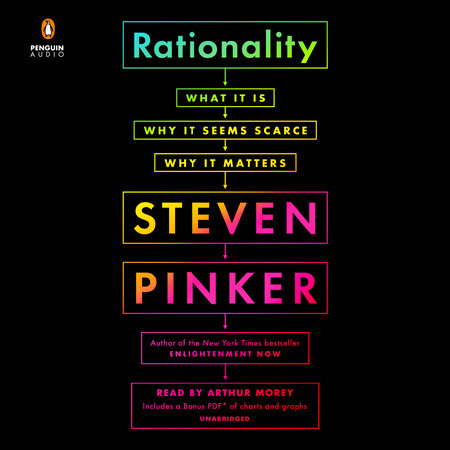
Rationality: What It Is, Why It Seems Scarce, Why It Matters by Steven Pinker
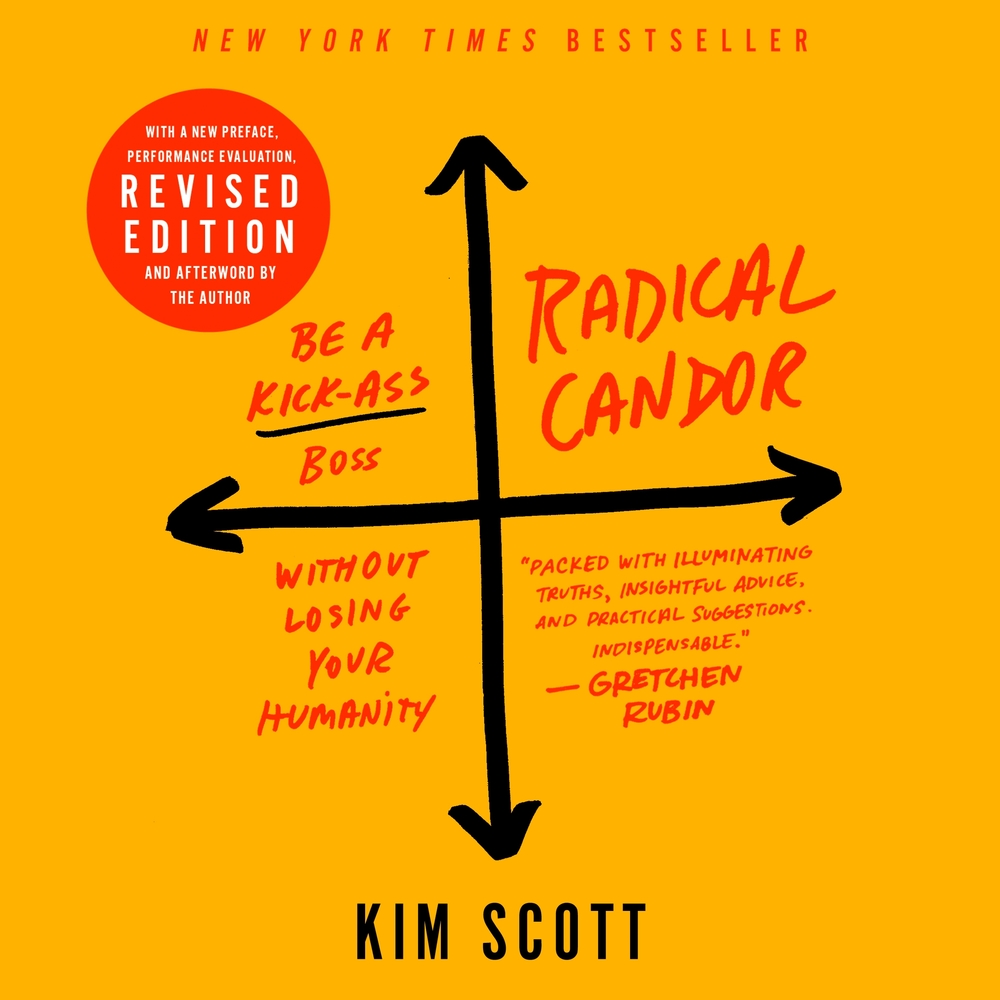
Radical Candor: Be a Kickass Boss Without Losing Your Humanity by Kim Malone Scott
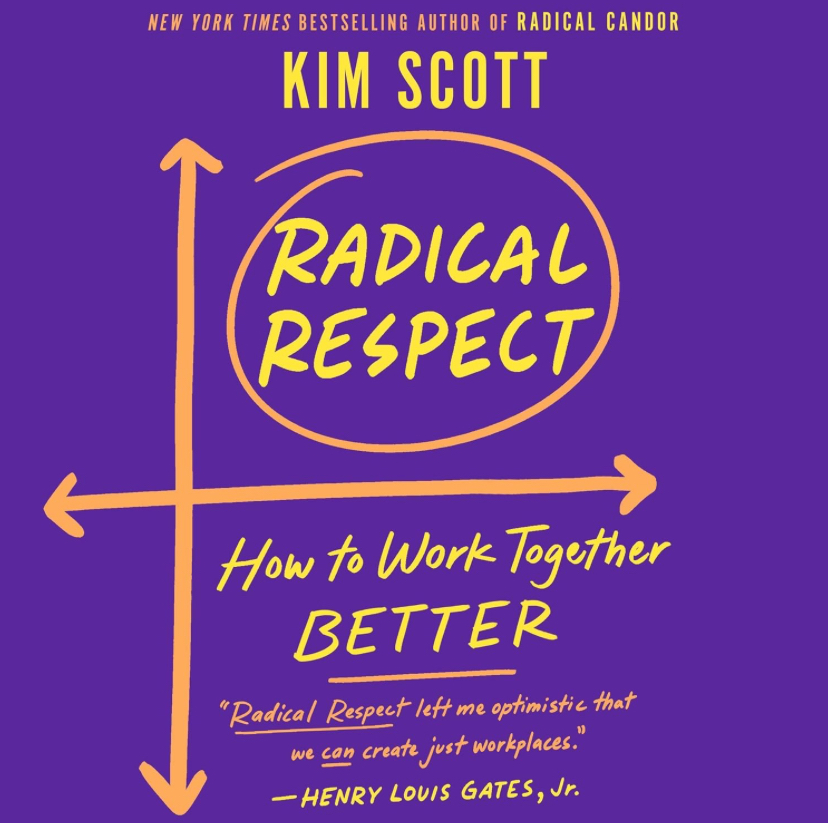
Radical Respect: How to Work Together Better by Kim Scott
A Court of Thorns and Roses by Sarah J. Maas
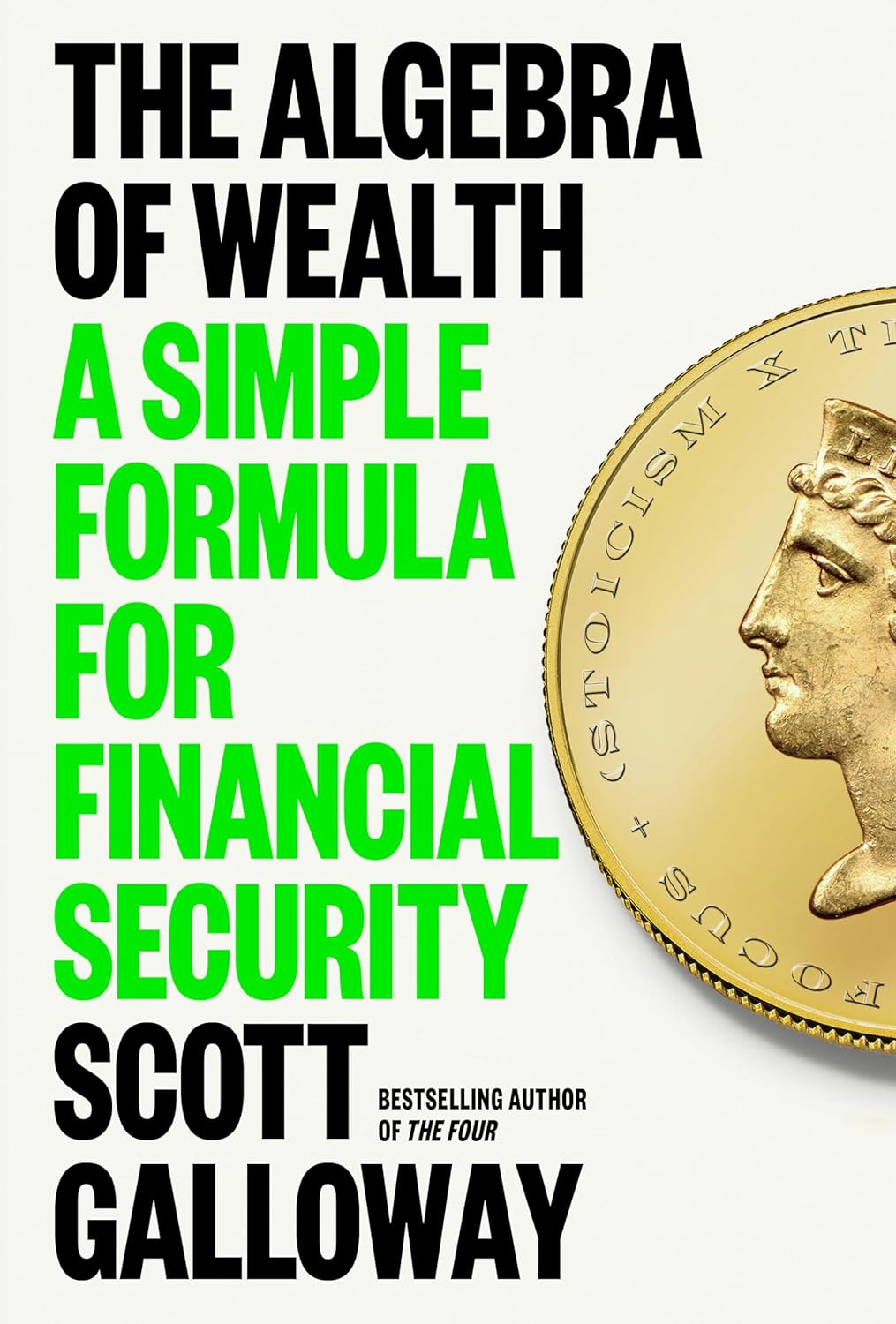
The Algebra of Wealth: A Simple Formula for Financial Security by Scott Galloway
The Ground Truth Institute
How Infrastructure Works: Transforming our shared systems for a changing world

Why “Go Nuts, Show Nuts” Doesn’t Work in 2022 – @photomatt on Tumblr