

A weekly roundup on how AI is changing the practice of science. Subscribe at hallway.aris.pub
A weekly roundup on how AI is changing the practice of science. Subscribe at hallway.aris.pub
Google Deep Review, AI research taste, AI in dissertations
AI capability in research tasks is advancing faster than institutional frameworks for governing it. Google released Deep Review, a public tool that checks manuscripts for mathematical errors, logical gaps and unsupported claims, built on a system already piloted on more than 15,000 conference submissions. TasteVal, a new benchmark for experimental research design, finds frontier models now exceed the human expert baseline, with scores tripling in. Full edition: hallway.aris.pub/no/030/
4 cards · 7d
OpenAI math manuscripts, inquiry narrowing, virtual biology initiative
OpenAI picked 719 mathematics problems, generated manuscripts for them, and released the set on its own terms. The Association for Human Mathematics called it a demonstration of power rather than scholarship, and three were withdrawn for a sign error the next day. A DeepMind survey finds researchers moving the same direction on their own, toward safer and more incremental questions once AI is in the workflow. The week's open data commitments go the. Full edition: hallway.aris.pub/no/029/
10 cards · 7d
arXiv rate limit, AI paper mills, Google FluSight
arXiv's new submission cap and a post warning that the next generation of mathematics paper mills will produce correct proofs rather than fraudulent ones are responses to the same underlying change: AI makes it cheap to produce scientific outputs that are technically sound and voluminous at the same time. AI-Newton, a system that independently recovers Newton's second law and conservation of energy from raw experimental data with no physical. Full edition: hallway.aris.pub/no/028/
8 cards · 7d
AGMAI advisory group, Millennium Problems for biology, autonomous research pipelines
When an AI system produces a scientific result, someone still has to decide whether it holds up, and three of this week's items answer that in different ways. In mathematics, nine researchers including Timothy Gowers and Edward Witten have formed an advisory group at the Institute for Advanced Study to help OpenAI decide how to release a batch of machine-produced results it has not yet published, which comes down to setting the terms on which those. Full edition: hallway.aris.pub/no/027/
7 cards · 7d
AI use in science study, astronomy disclosure gap, Paper2Agent, SAIR initiative
A study built on 15 million AI interactions finds scientists saving an average of 7 hours a week, with 74 percent reporting net time gains. A separate study of 207,000 astronomy papers finds 54 percent of 2025 papers carry detectable language-model traces while 0.81 percent disclose it. Together they describe a practice that is already common and a published record that does not document it, which means the literature alone does not tell you how a. Full edition: hallway.aris.pub/no/026/
10 cards · 7d
Navier-Stokes provenance dispute, Fields Medalists declaration, AI peer review
Two things arrived simultaneously this week: Tristan Buckmaster's documented account of what OpenAI proposed to him in the days before the Navier-Stokes announcement, and a declaration signed by 25 Fields Medalists arguing that AI companies' benchmark-driven approach is "severely misaligned" with the goals of mathematics. They are the same argument at different levels of abstraction. Buckmaster's statement is specific about a call on September 6, a. Full edition: hallway.aris.pub/no/025/
10 cards · 7d
Rosalind Workbench, Claude for scientists, LLM edits alter meaning
Google released Co-Scientist last month. Since then, Anthropic opened 10,000 subsidized seats for researchers and OpenAI launched a life-sciences workbench with its own domain model. All three frontier labs now sell a scientist-branded product line, making this a product category rather than a series of one-offs. What none of the product pages address is that grammar-only LLM edits shift content and meaning. A team from Princeton and UCSD reported. Full edition: hallway.aris.pub/no/024/
6 cards · 7d
Co-Scientist, Terminal-Bench Science, AI in peer review
Google claims its Co-Scientist ran full closed-loop autonomous research across three scientific domains. Terminal-Bench Science, released the same week, puts the best agent at a 30 percent pass rate on tasks drawn from real research workflows. Both can be true: narrow, well-defined problems are yielding to autonomous methods, while general scientific competence remains far off. Full edition: hallway.aris.pub/no/023/
5 cards · 7d
Palomar proof registry, autonomous protein design, synthetic consensus
Edition 021 flagged the verification gap: AI is producing results faster than anyone can check them. This week, three responses showed up. Tao's Palomar registry gives Lean proofs a submission and review infrastructure. BioNexus grades whether an agent's biology analysis is scientifically valid. Lea keeps the mathematician in the loop during formalization. On the production side, Anthropic's protein-design agent and Inherent's Faraday keep pushing. Full edition: hallway.aris.pub/no/022/
8 cards · 7d
AI peer review ensembles, Riemann zeta bound, VibeMathed registry
The verification thread keeps tightening. Anthropic's Claude improved a Riemann zeta bound and formalized the proof in Lean. VibeMathed now catalogs 565 AI-solved math problems, 134 of them Lean-verified. And Litvak's planted-error experiment shows that AI peer reviewers are surprisingly uncorrelated. Pool five systems and you catch 93 of 100 errors, but every one of them misses omissions. The pattern across all three: individual AI outputs are. Full edition: hallway.aris.pub/no/021/
8 cards · 7d
Astra solves ten open math problems, AI agents fail at open-ended research, peer review under strain
Three editions running, AI-in-math results keep landing. This week: OpenAI claims ten open problems solved for under $2,000 of compute each, two independent teams used GPT-5.6 Sol Ultra to crack the same quantum cryptography problem hours apart, and a Fields medalist left his university post for OpenAI's safety team. Meanwhile, a Princeton-led study gave frontier agents $3,000 and six days to answer open research questions; the agents completed all. Full edition: hallway.aris.pub/no/020/
7 cards · 7d
AlphaFold team disbanded, verification as the bottleneck, Tao's ICM caution
This week, verification crystallized as the central constraint for AI in science. Google Research shipped a prototype chaining every AI-generated claim to its evidence. A NeurIPS workshop adopted "the bottleneck is verification" as its thesis. A benchmark for comparing human and AI manuscript reviews landed on bioRxiv. And at the International Congress of Mathematicians, Terence Tao framed AI as a foundational crisis for the discipline, comparable. Full edition: hallway.aris.pub/no/019/
10 cards · 7d
Genesis Mission $5B, Challengescape problem directory, team science vs. solo AI agents
The same month that Science's Editor-in-Chief called AI in publishing "slower, worse, and more expensive", the White House committed $5B+ to a national AI-for-science mission and ARIA backed a directory of 123 problems for AI researchers to solve. Meanwhile, a PNNL team argues the entire "AI scientist" wave has been scaling individual reasoners when the actual bottleneck is team coordination. Institutions are not arguing about whether AI belongs in. Full edition: hallway.aris.pub/no/018/
6 cards · 7d
Science EIC contra AI hype, data poisoning of research agents, Vancouver Standard for AI disclosure
Science publishes Biomni and its Editor-in-Chief publishes an editorial calling AI in publishing "slower, worse, and more expensive" in the same window. Nature publishes Robin and a news story about data poisoning of the autonomous agents it just endorsed. The infrastructure layers keep shipping (Elicit's MCP, the Vancouver Standard consultation) but the institutional voices are now openly contradicting each other about whether any of this is. Full edition: hallway.aris.pub/no/017/
8 cards · 7d
Biomni in Science, Co-Scientist in Nature, open-vs-closed AI workbenches
Two weeks ago the story was product launches: Claude Science, Google's Paper Assistant Tool, a DIY Claude skill. This week it is peer-reviewed publications and editorial recognition. Science published Biomni. Nature published Co-Scientist. Nature News published a survey treating the whole cluster as a settled category. The gap between "vendor demo" and "institutional endorsement" closed fast. Meanwhile the open-source alternative shipped and the. Full edition: hallway.aris.pub/no/016/
9 cards · 7d

Fair Moderation, Equitable Access, and AI: arXiv’s Updated Rate Limit Policy

Introducing Routines: Research that keeps working - Elicit

Google's AI ranks #1 for predicting flu hospitalizations.

AI-Newton: A Concept-Driven Physical Law Discovery System without Prior Physical Knowledge

Claude for Science. Thursday, November 12, at the Niels Bohr Institute, University of Copenhagen. In September, Anthropic reported that Claude agents found a CRISPR-like enzyme system in… | Jacob Langvad Nilsson | 17 comments

5 days left to apply! 4 new sponsors, $100k + in cash & credits. 4 tracks: → Computer-use - originator.inc → Autoresearch - cthree.cloud x AIDDA Institute → Drug & protein design - Serova… | Jonty Corrin

The AI Discourse in Academia is Toxic. It Doesn’t have to be.
ScientistTwo: Pioneering the Human Knowledge Frontier with Autonomous AI
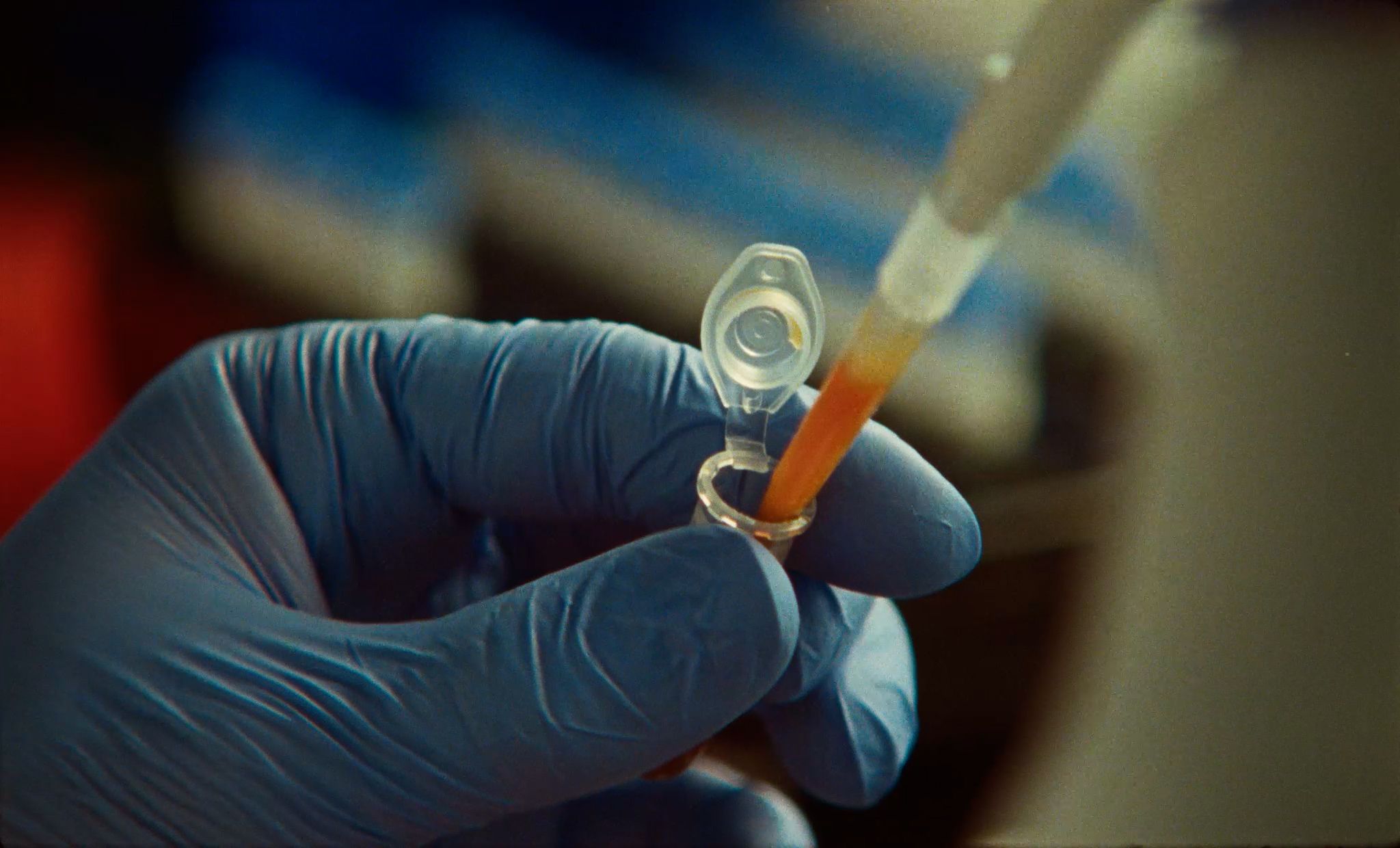
Claude discovers a novel enzyme system
AgenticLS @ NeurIPS 2026 — Agentic AI for Biological Discovery

Edison Scientific Assembles Millennium Problems for Biology | Samuel G. Rodriques posted on the topic | LinkedIn
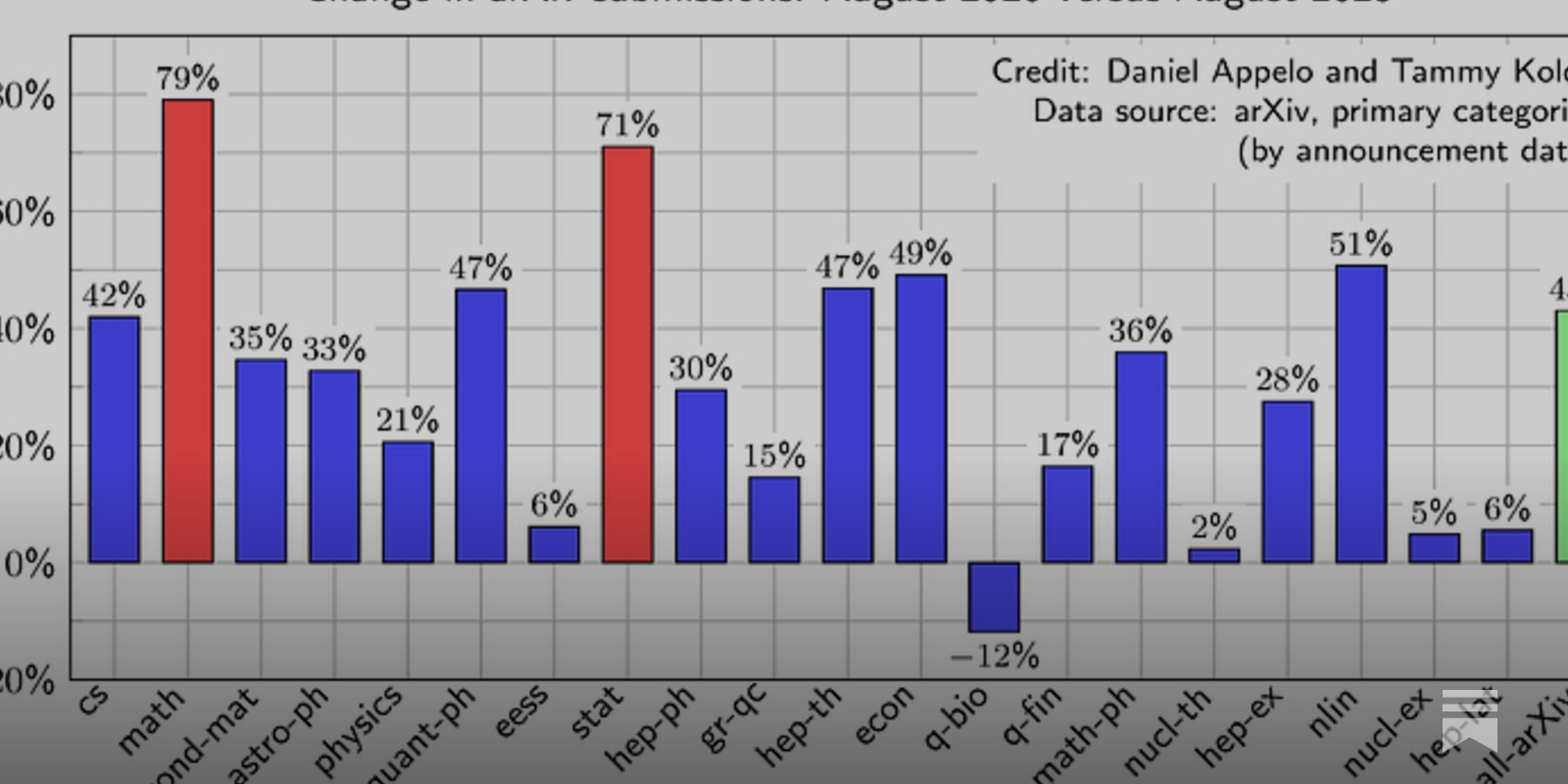
A Breakdown of arXiv Submissions in Mathematics
International, cross-sector collaboration commits nearly $2 billion to build foundational data for AI models to predict and treat disease

Carbon-A: Finding genes in known and unknown genomes
Denario Project: Deep Knowledge Artificial Intelligence Agents for Scientific Discovery
Scientific Agents: Evaluating Profession-Specific System Prompts on Scientific Tasks
Paperclip
Claude Frontier Academy: $100M to train 10,000 engineers

PhD students who write dissertation with AI less likely to stay in academia

Supporting Researchers in a Time of Change - Ithaka S+R
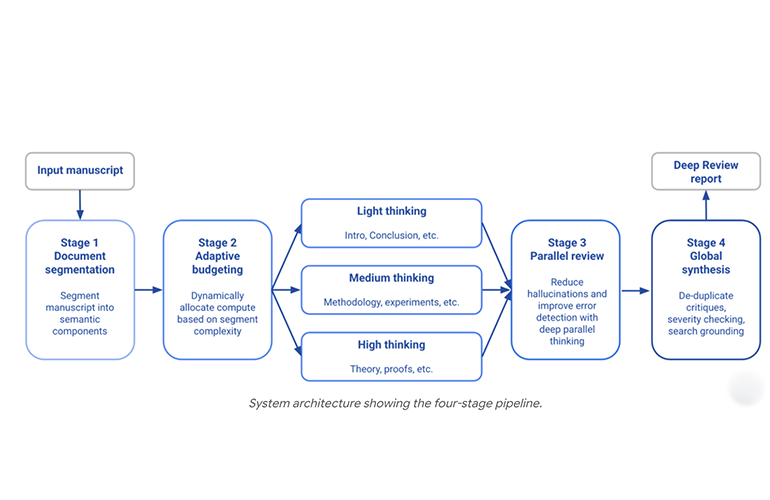
Google opens Deep Review AI tool to help researchers catch manuscript errors
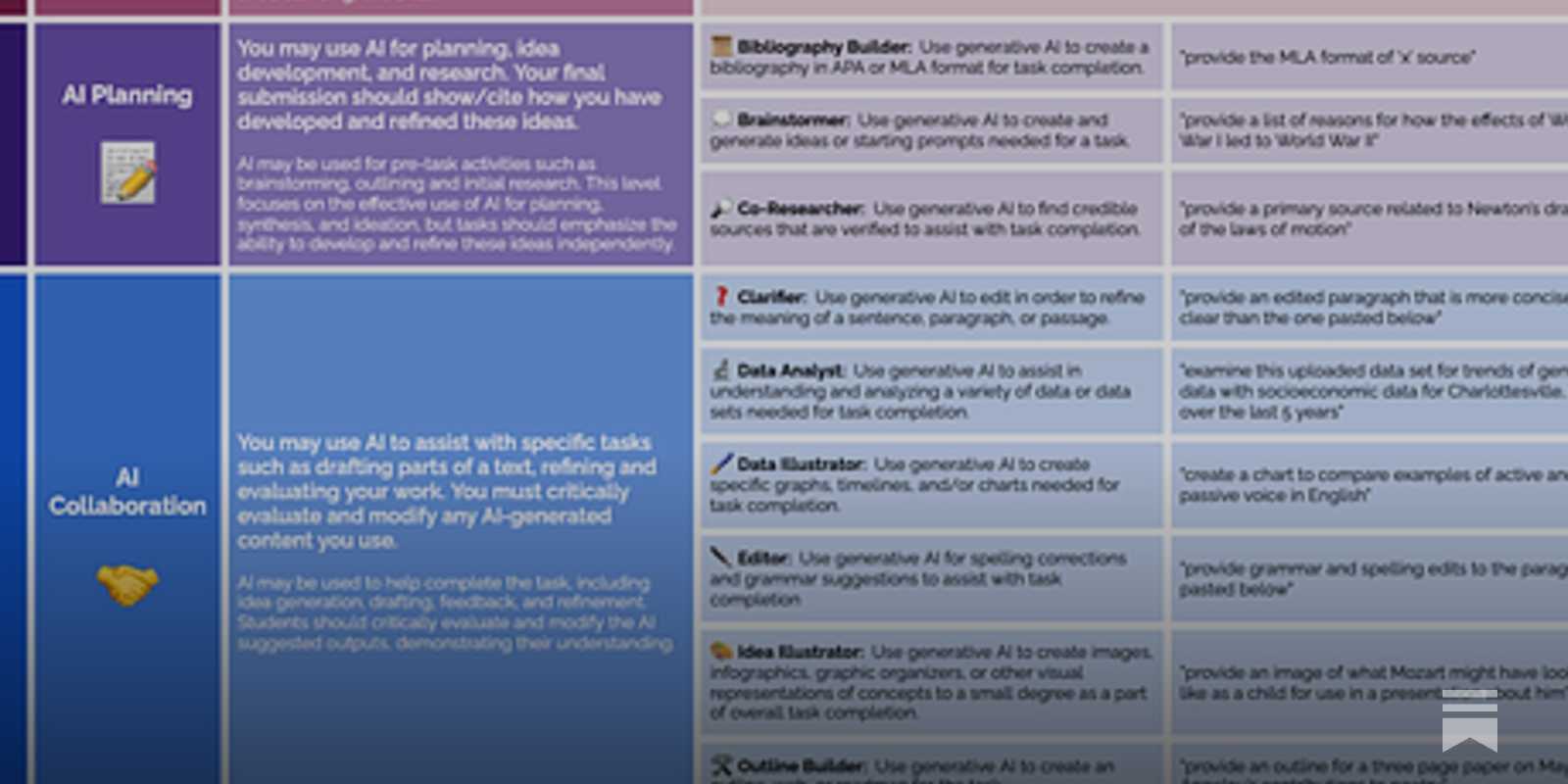
AI in the workplace vs. AI in education

AI in Science: Boosting Productivity and Innovation | Arthur Turrell posted on the topic | LinkedIn
More than half of recent astronomy papers are written with language-model assistance
Editors of higher education journal coauthor editorial with fake references
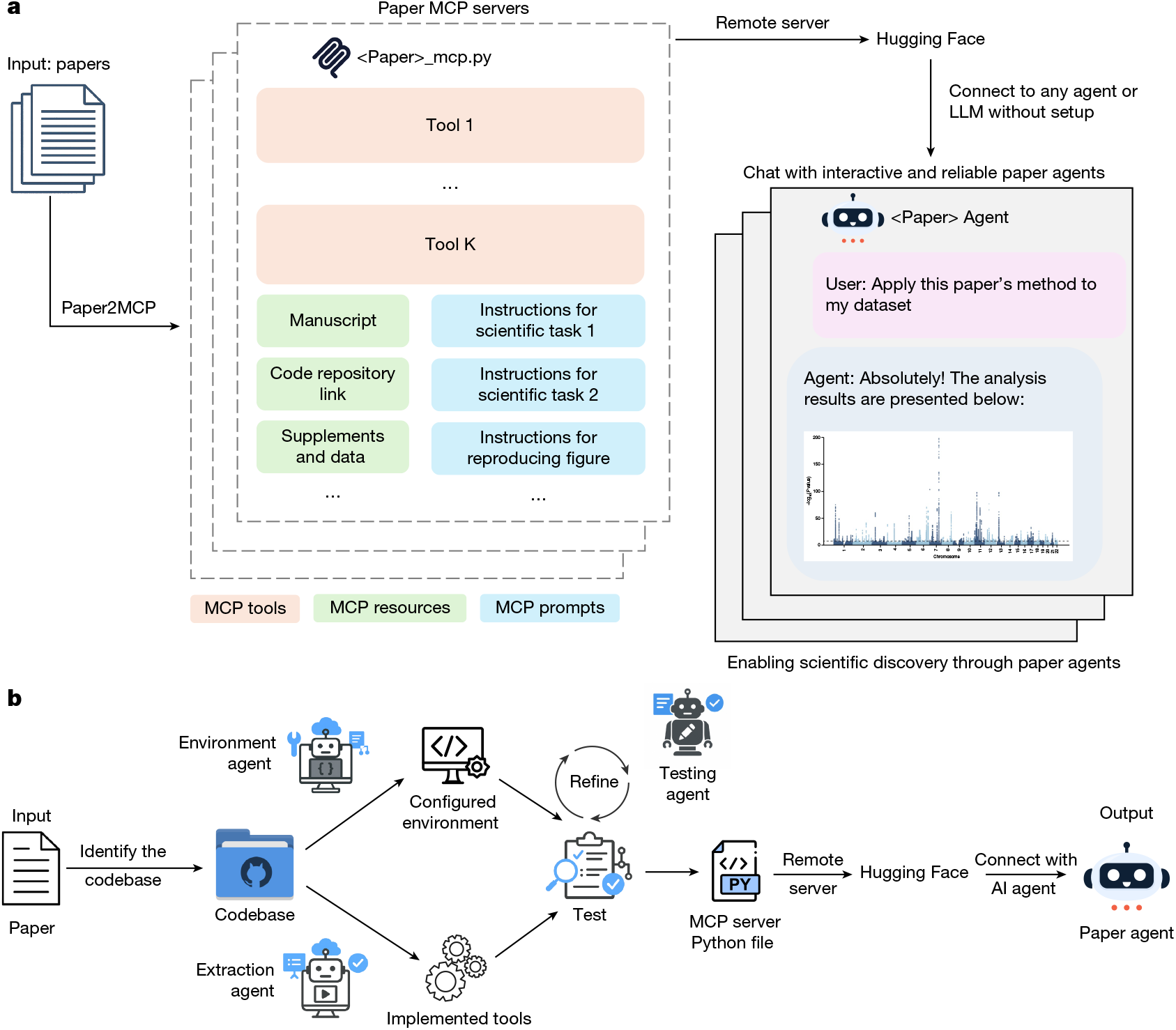
Reimagining research papers as interactive and reliable AI agents

alphaXiv

Life sciences verification program

Guest Post — AI Can Find the Article. Can It Tell Which Version It Used? - The Scholarly Kitchen

Qualitative Research in an Era of Artificial Intelligence: A Pragmatic Approach to Data Analysis, Workflow, and Computation

Palomar – a registry of Lean verified mathematics

Introducing Lea | Chinmay Hegde | 23 comments

#bioinformatics #computationalbiology #aiforscience #singlecell #spatialtranscriptomics #opensource #codex #claudecode #mcp #agenticai | Herry Z.
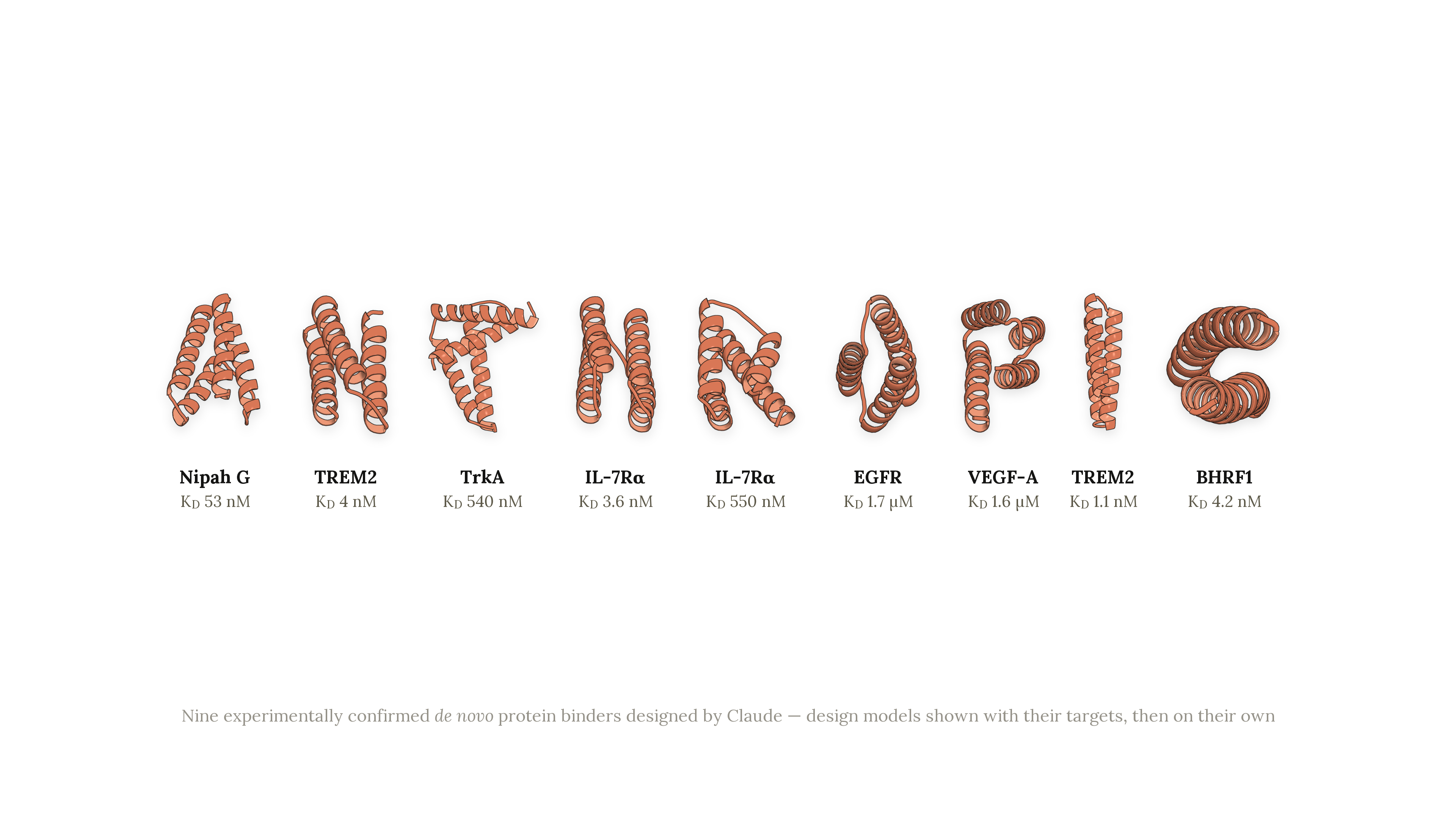
Claude accelerates protein design and analytical chemistry
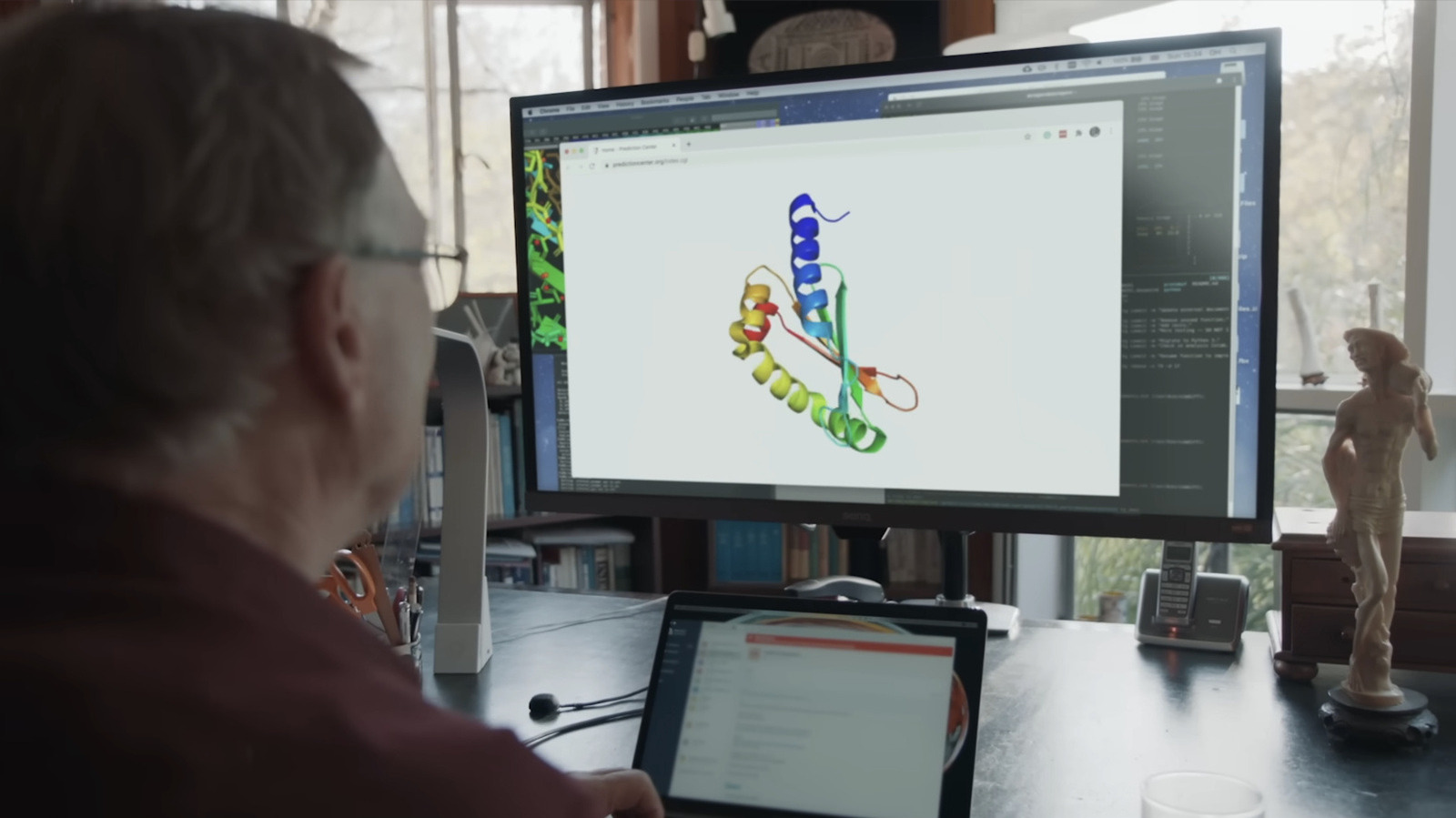
Google DeepMind disbands its Nobel-prize winning AlphaFold team - Engadget

arXiv welcomes inaugural CEO and Board of Directors
Accelerating scientific discovery with ChatGPT for Academic Researchers

Science One Framework: A verifiable autonomous research framework via Chain-of-Evidence
Verification in the Age of AI Scientists

Mathematician catches AI-generated research error by OpenAI president | Benjamin Golub posted on the topic | LinkedIn

Trump Administration Announces More Than $5 Billion for the Genesis Mission, a National Mission on AI for Science

Encode: Challengescape

(PDF) Peer Reviewers Should be Allowed to Upload Manuscripts to AI
blog.scielo.org
Networked Intelligence: Active Shared Context Graphs for Human-AI Team Science
Don’t let AI steal all the joy: what scientists won’t give up to chatbots
Meet Rosalind Workbench: Empowering every scientist to be their own research team | OpenAI Developers
Claude Team plan for scientists
ltjed/freephdlabor

How do LLMs affect writing? Talks by visitors to the AI STORIES project | UiB

98 out of 100. That's how many advanced maths problems current AI models managed to solve in an international benchmark in Leipzig. One of the two remaining problems? A simplified version of a… | Czech Technical University in Prague | 11 comments

AI-Assisted Tools in the CHI 2027 Papers Review Process: What They Do, What They Do Not Do, and How Humans Remain Responsible - ACM CHI 2027

We're releasing Terminal-Bench-Science: a benchmark for evaluating AI agents on research workflows across scientific domains. 🚀 An ongoing community effort out of Stanford University & Laude… | Steven Dillmann | 13 comments
Accelerating Scientific Research with Gemini in the Real-World
Autonomous Mathematical Discovery in an Open-World Multi-Agent Environment
The future of peer review requires AI support, not AI bans
AI Use in The Scholarly Kitchen - The Scholarly Kitchen
Meet Biomni – an AI-powered biomedical co-scientist

Co-Scientist: A multi-agent AI partner to accelerate research
Built with Claude: Life Sciences – Cerebral Valley
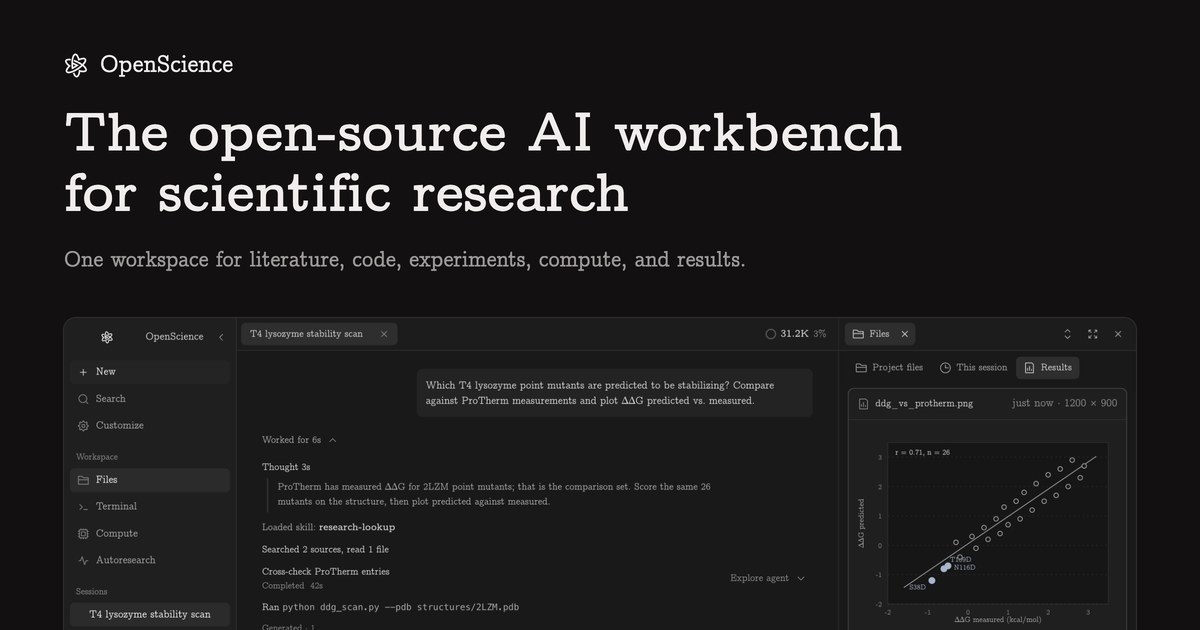
OpenScience | Open-source AI co-scientist for research
llmsresearch/paperbanana
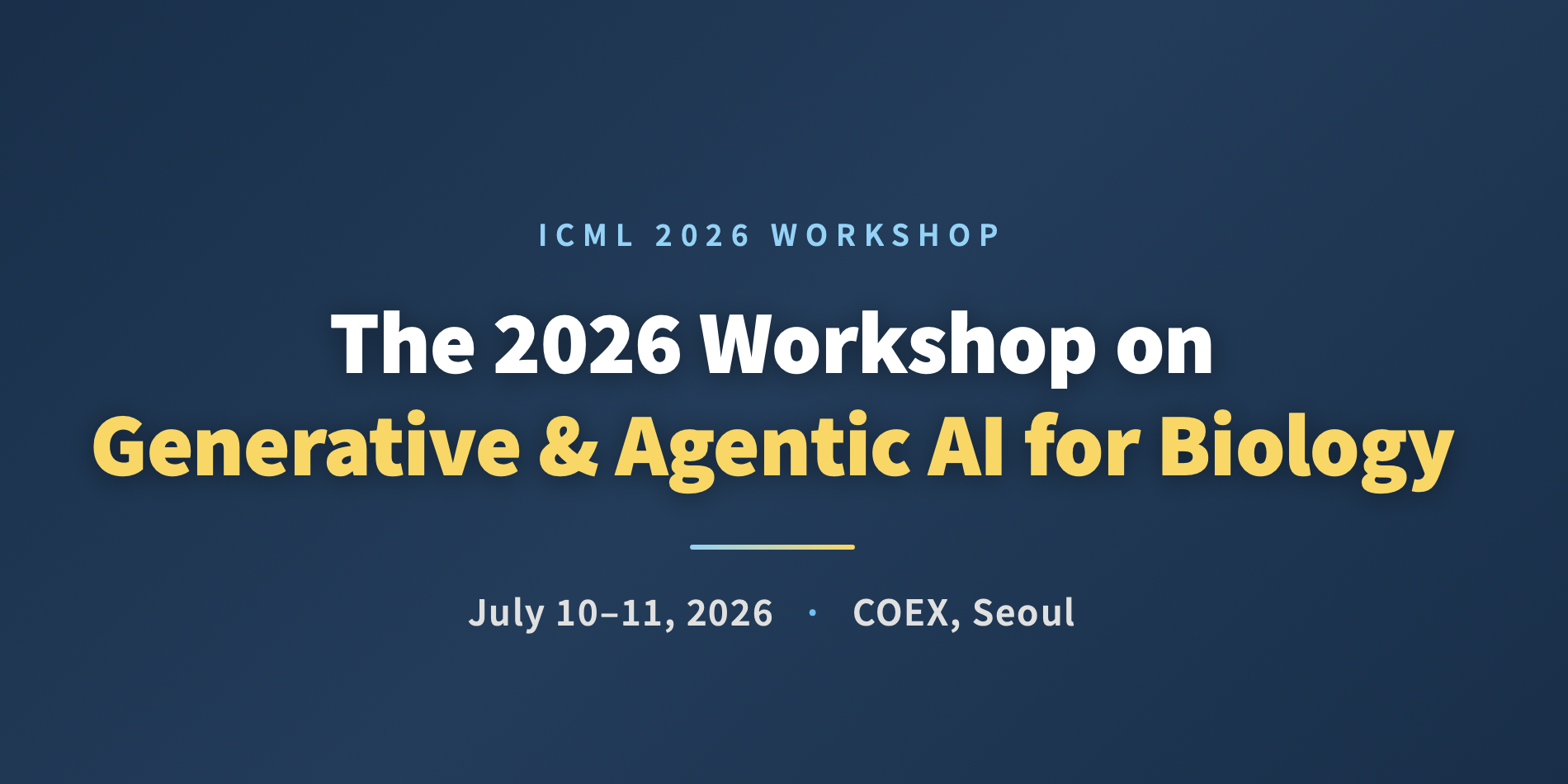
GenBio ICML Workshop 2026
Peer review is overwhelmed—can it survive in the AI era?
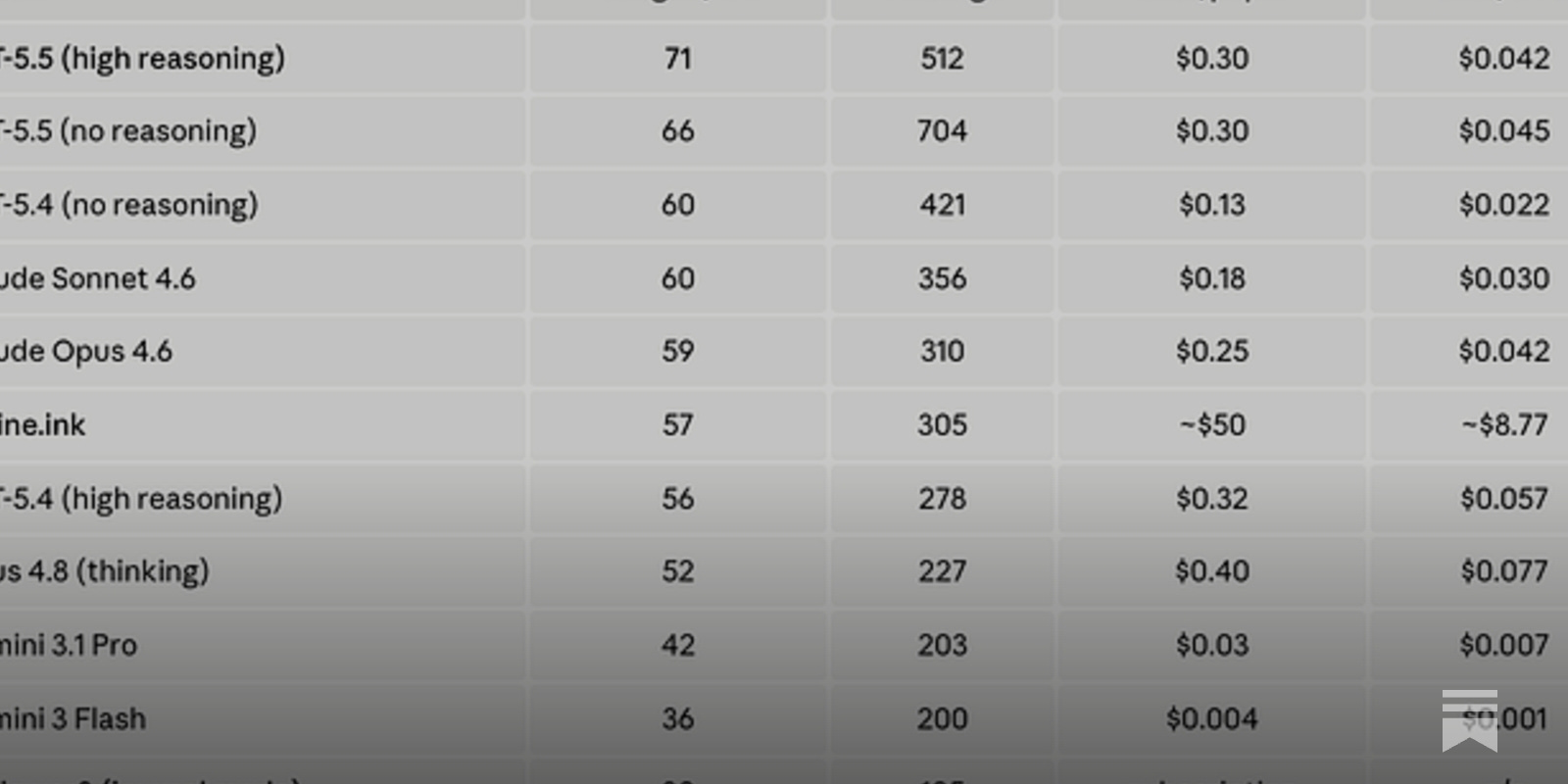
How well does AI peer review work?
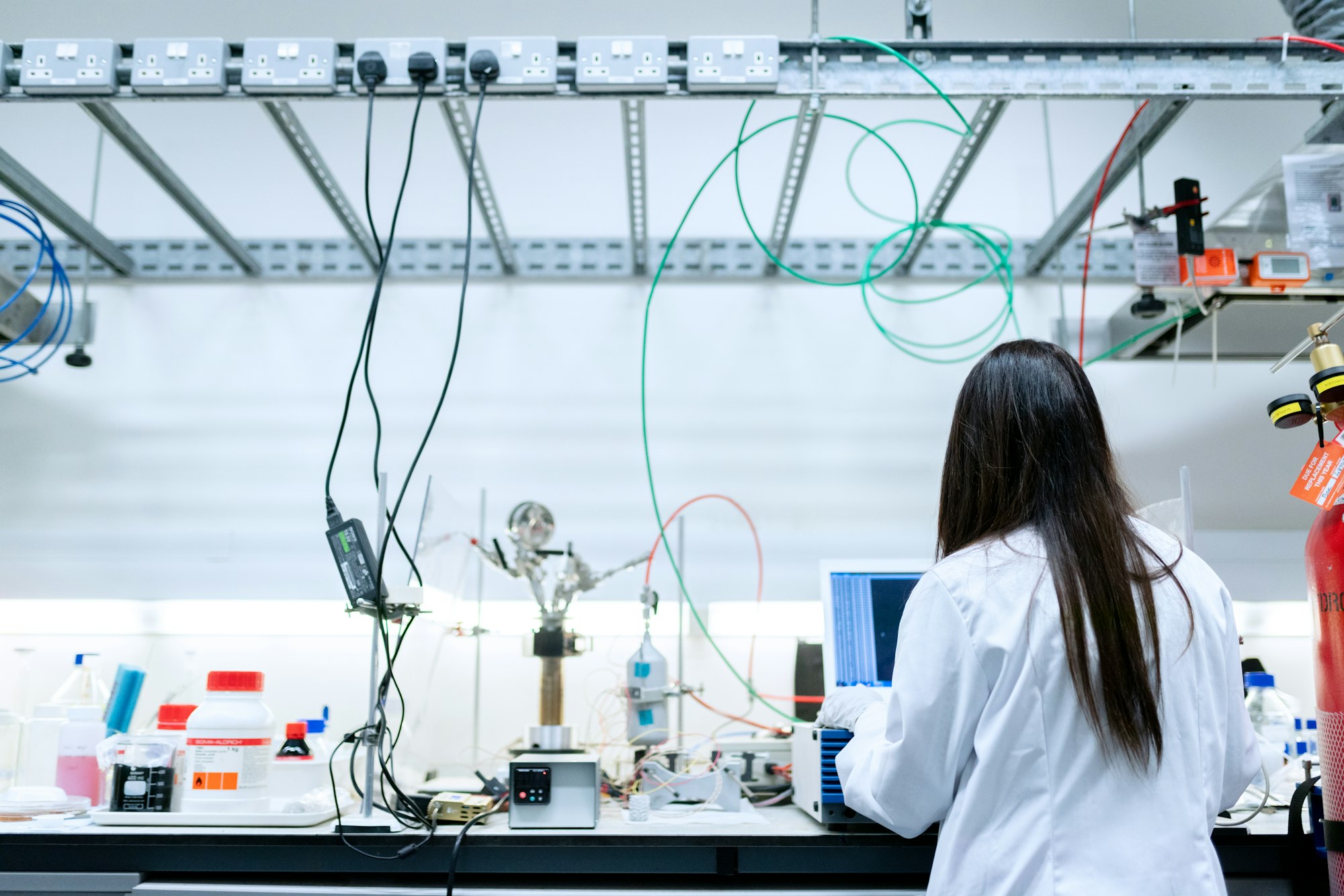
Company Offering ‘100% Human-Written, Never AI’ Medical Research Is Entirely AI
Claude has improved on a longstanding lower bound for the fraction of zeros of the Riemann zeta function that satisfy the Riemann hypothesis

What sort of maths are LLMs good at?
VibeMathed - Math Problems Solved by AI
Ten advances in mathematics and theoretical computer science
AI helped produce two proofs for the same cryptography problem

The Math Superstar Who’s Terrified of AI—and Just Took a Job at OpenAI
Can AI agents conduct open-ended AI research? Early evidence from two case studies

Introducing Elicit Research Agent: Rigor that powers decisions - Elicit
Guest Post - Do we need (r)evolution in peer review? - The Scholarly Kitchen

AI in scientific publishing: Slower, worse, and more expensive
Guest Post — Research Needs a Shared Standard for AI Disclosure - The Scholarly Kitchen
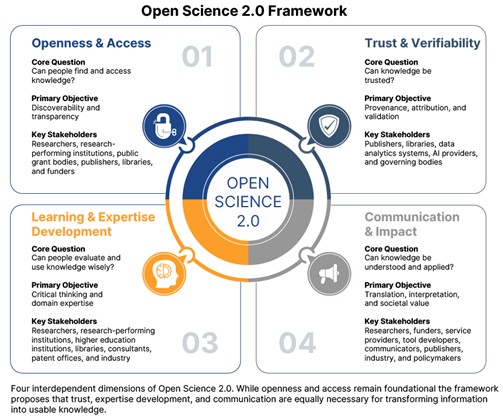
Open Science 2.0: Building Understanding in an AI-Mediated World - The Scholarly Kitchen
Distributed Denial of Science: How Indirect Data Poisoning of AI Systems Can Industrialize Scientific Fraud
Doctored data sets could trick AI agents

Demonstrating end-to-end scientific discovery with Robin | FutureHouse

AI Has Solved One of Math’s $1 Million Millennium Prize Problems | Quanta Magazine
cims.nyu.edu

OpenAI solves Navier–Stokes, but research misconduct concerns remain | Olga Holtz posted on the topic | LinkedIn

OpenAI accused of stealing math proof from expert Andreas Thom | Valerio Capraro posted on the topic | LinkedIn

No, AI hasn’t officially solved Navier–Stokes. Yet
Navier-Stokes and Lean