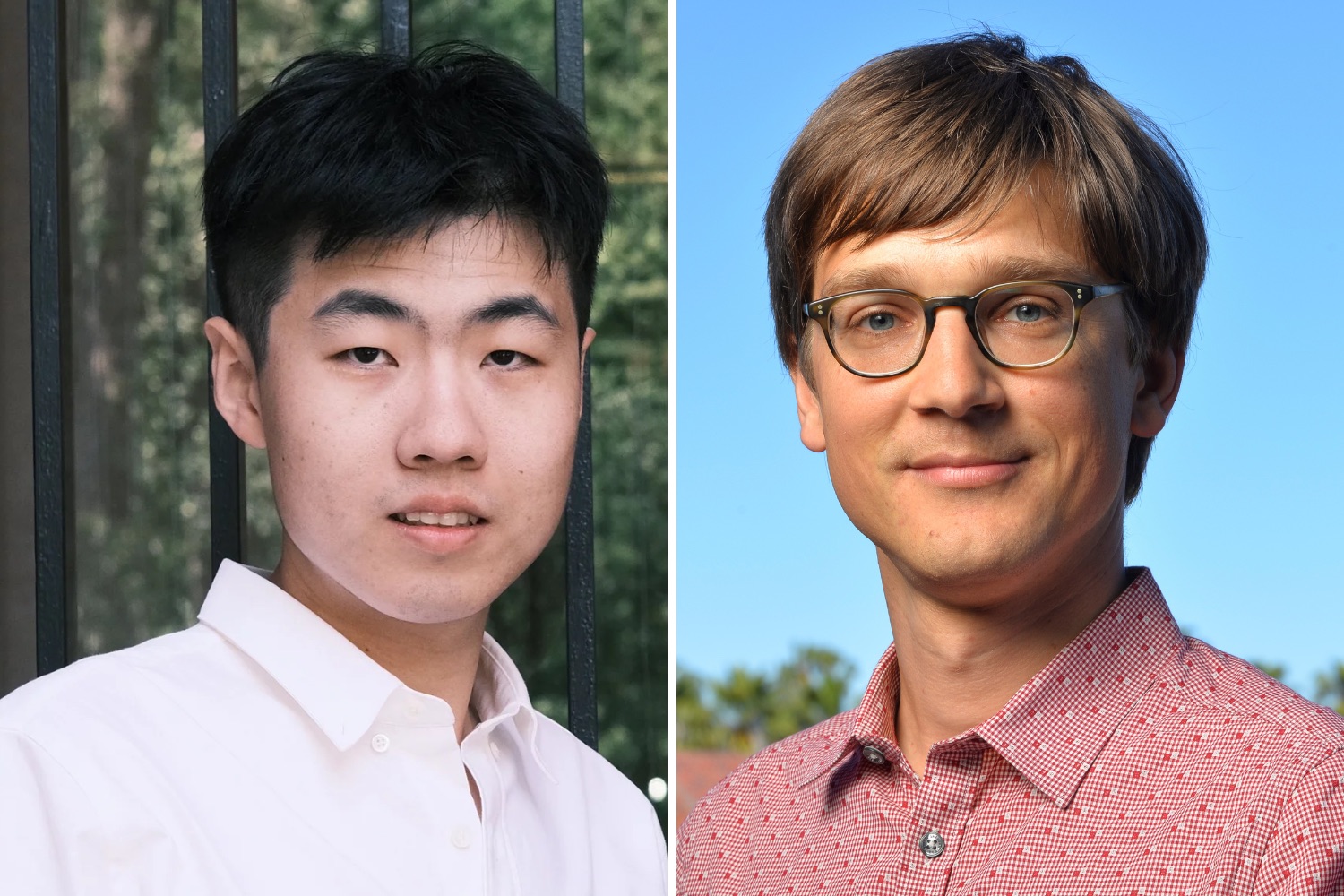
Meet Biomni – an AI-powered biomedical co-scientist
In creating a comprehensive, AI-enabled research agent for the biomedical sciences, Stanford researchers hope to speed innovation by eliminating the tedium of scientific legwork.
Meet Biomni – an AI-powered biomedical co-scientist
In creating a comprehensive, AI-enabled research agent for the biomedical sciences, Stanford researchers hope to speed innovation by eliminating the tedium of scientific legwork.
No. 016: Biomni in Science, Co-Scientist in Nature, open-vs-closed AI workbenches - The Hallway Track
The Hallway Track No. 016 - How AI is affecting the practice of science
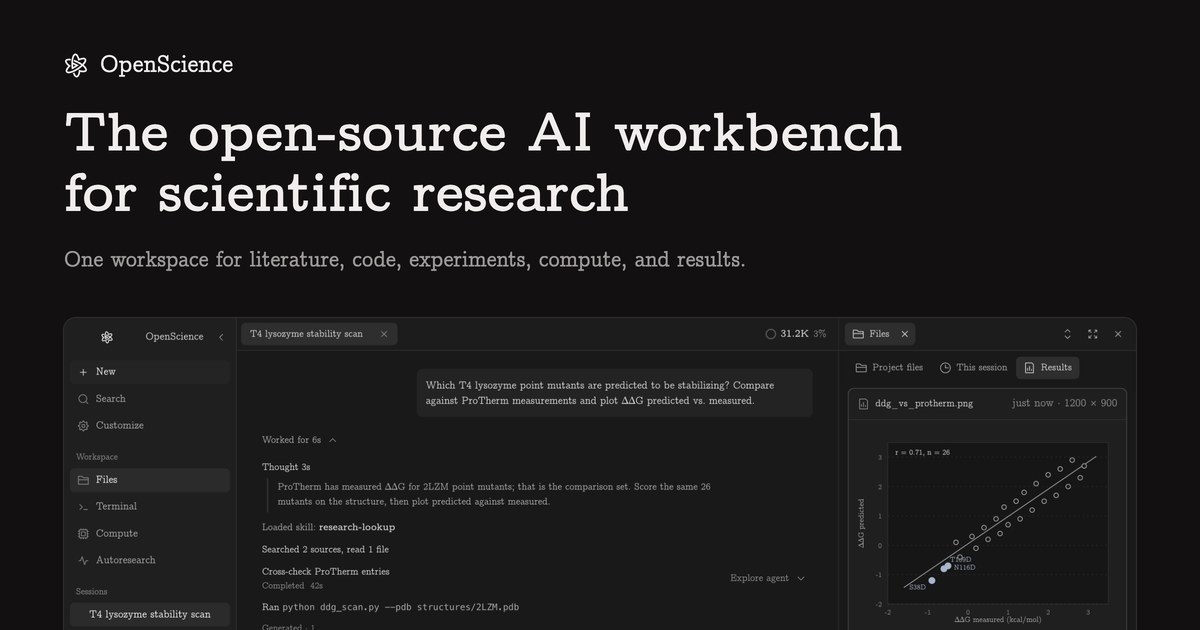
OpenScience | Open-source AI co-scientist for research
OpenScience is the open-source AI co-scientist. Free models included or connect any model from any provider, including Claude, GPT, Gemini and more.
Claude Science, an AI workbench for scientists
Claude Science integrates the tools researchers use most, produces auditable artifacts, and provides flexible access to computing resources.

Open Source for Science Fund Launches to Power AI-Driven Discovery
A new multi-donor fund by Renaissance Philanthropy seeded by Biohub and Wellcome opens its first call for proposals.
Frontiers in Open Science
Agentis — coming soon — BioKEA
An AI-first scientific journal built on the AT Protocol. Fast, verifiable peer review and publications as interactive StoryMaps.
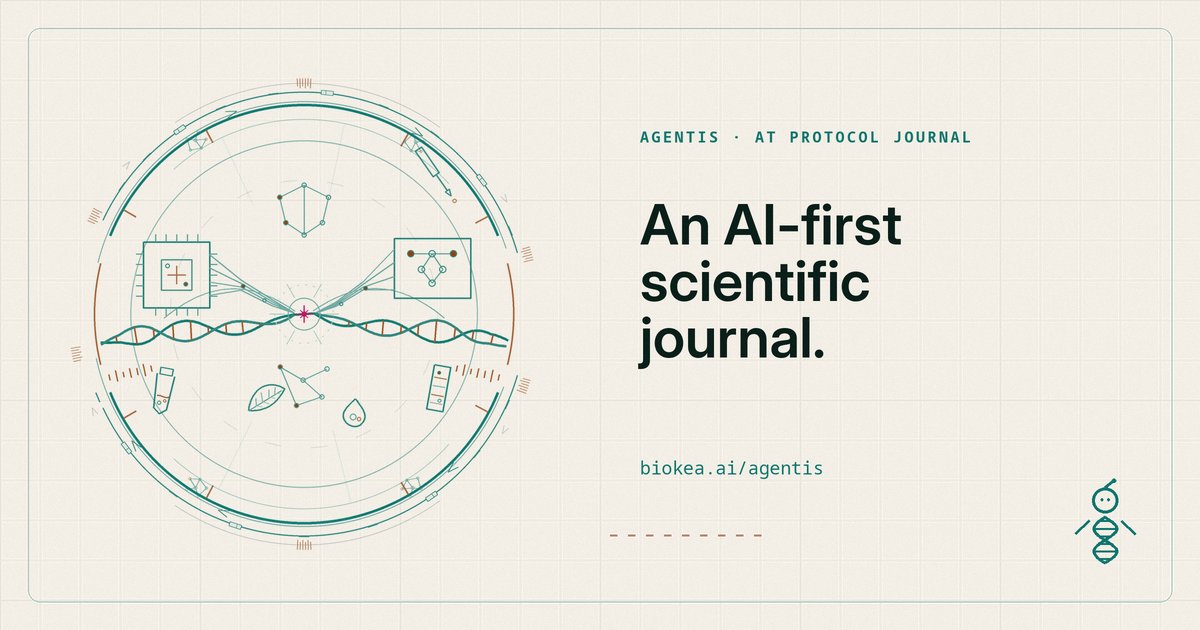
Panel: Biodesign x AI: Interactions in the Algorithmic Wet Lab
The Bazaar of Scientific Knowledge | shishyko!
Is the current form of the scientific paper still optimal in 2025? How do we preserve, and efficiently leverage, the uncut gems of the scientific process?
Claude Science (beta)
Claude Science is your AI workbench for scientific research. Works through your research like a skilled scientist, running the analysis and tracing every step. Spend less time stitching pipelines together, and more time on the science.
Science Works on Twitter / X
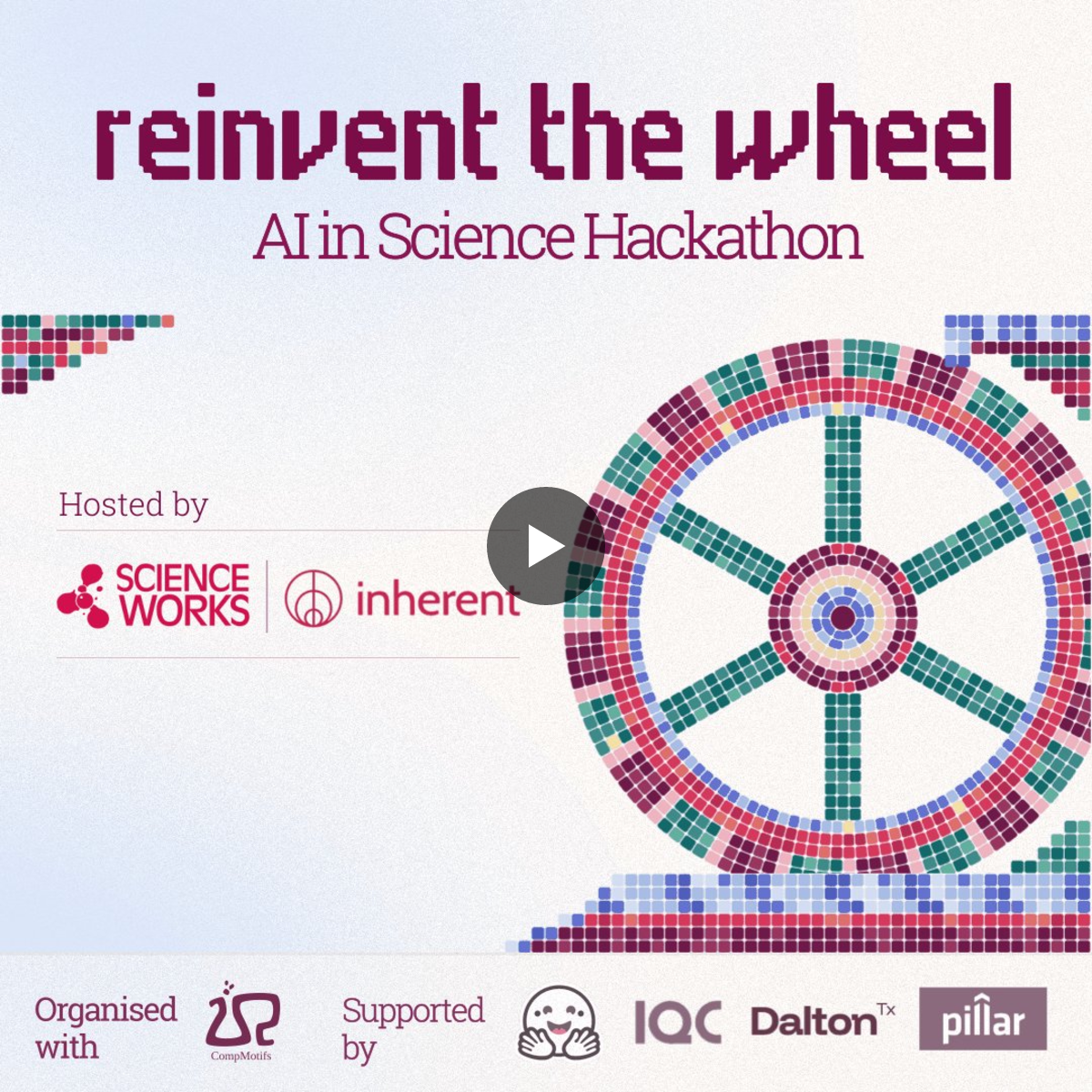
London AI × Science Hackathon 👾Science Works × @inherent_labs • Oct 16-18Lots of scientific software is outdated, hard to use, and isn't interoperable – let alone making use of (or ready to interface with) AI.Or it's expensive. Join us to build better for the community pic.twitter.com/42Qq528DDw— Science Works (@sci_works) September 30, 2026
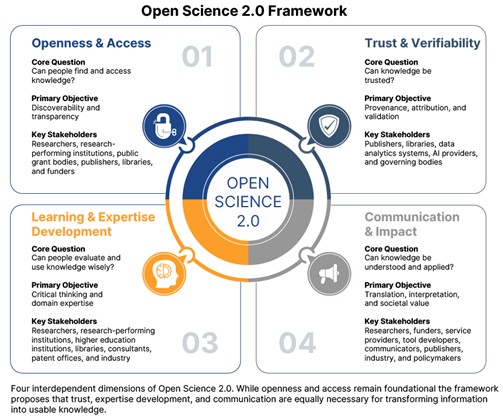
Open Science 2.0: Building Understanding in an AI-Mediated World - The Scholarly Kitchen
Open Science 2.0 must focus not only on access, but also on trust, interpretation, learning, and effective communication. The challenge facing the scholarly publishing ecosystem is ensuring that what is open is also trustworthy, understandable, and genuinely useful.
Reframing “Open Source AI” with Meredith Whittaker: AI Impact Summit 2026
How to build an AI scientist: first peer-reviewed paper spills the secrets
AI Scientist, an autonomous research tool, first released in 2024, has now undergone peer review, highlighting its strengths and limitations.
We Got Claude to Fine-Tune an Open Source LLM
We’re on a journey to advance and democratize artificial intelligence through open source and open science.

Today we're launching the Open Source for Science Fund, a new multi-donor philanthropic fund by Renaissance Philanthropy, seeded by @biohub.org and @wellcometrust.bsky.social, with support from @kavlifoundation.org and @researchsoftware.bsky.social 🧵 os4science.org/news/open-source-for-science-…

Open Source for Science Fund Launches to Power AI-Driven Discovery
os4science.orgCollection

Updated 7d
Two weeks ago the story was product launches: Claude Science, Google's Paper Assistant Tool, a DIY Claude skill. This week it is peer-reviewed publications and editorial recognition. Science published Biomni. Nature published Co-Scientist. Nature News published a survey treating the whole cluster as a settled category. The gap between "vendor demo" and "institutional endorsement" closed fast. Meanwhile the open-source alternative shipped and the. Full edition: hallway.aris.pub/no/016/
