Nova Scotia’s Experiment in Research That Solves Real Problems
Locally focused research investments enable coalitions of scientists and citizens to serve community needs.

Nova Scotia’s Experiment in Research That Solves Real Problems
Locally focused research investments enable coalitions of scientists and citizens to serve community needs.
Andreas De Block on Twitter / X
It took Nature three years to publish this rebuttal, which clearly demonstrates the fundamental flaws in the original paper. In the meantime, the paper's conclusions influenced scientific debate and policy decisions. Such delays in correcting flawed research do real damage. https://t.co/QI3Ei3PE70— Andreas De Block (@DeblockBlock) August 13, 2026
Timothee Mickus
Welcome to my website. Mostly stuff related to my research, but you've unlocked the secret rabbit pic by sharing this.

Introducing COSIG: The Collection of Open Science Integrity Guides
Investigating the integrity of published scientific papers is key to the scientific process, but the necessary knowledge is in short supply. We present COSIG, an open collection of meta-scientific guides enabling anyone to perform forensic peer review.
Back-to-basics: on poor conceptualizations in AI work - (Un)rigorous AI
TL;DR — Poor conceptual foundations can severely undermine the credibility and reliability of knowledge claims. (And, no, your metric is not your construct.)
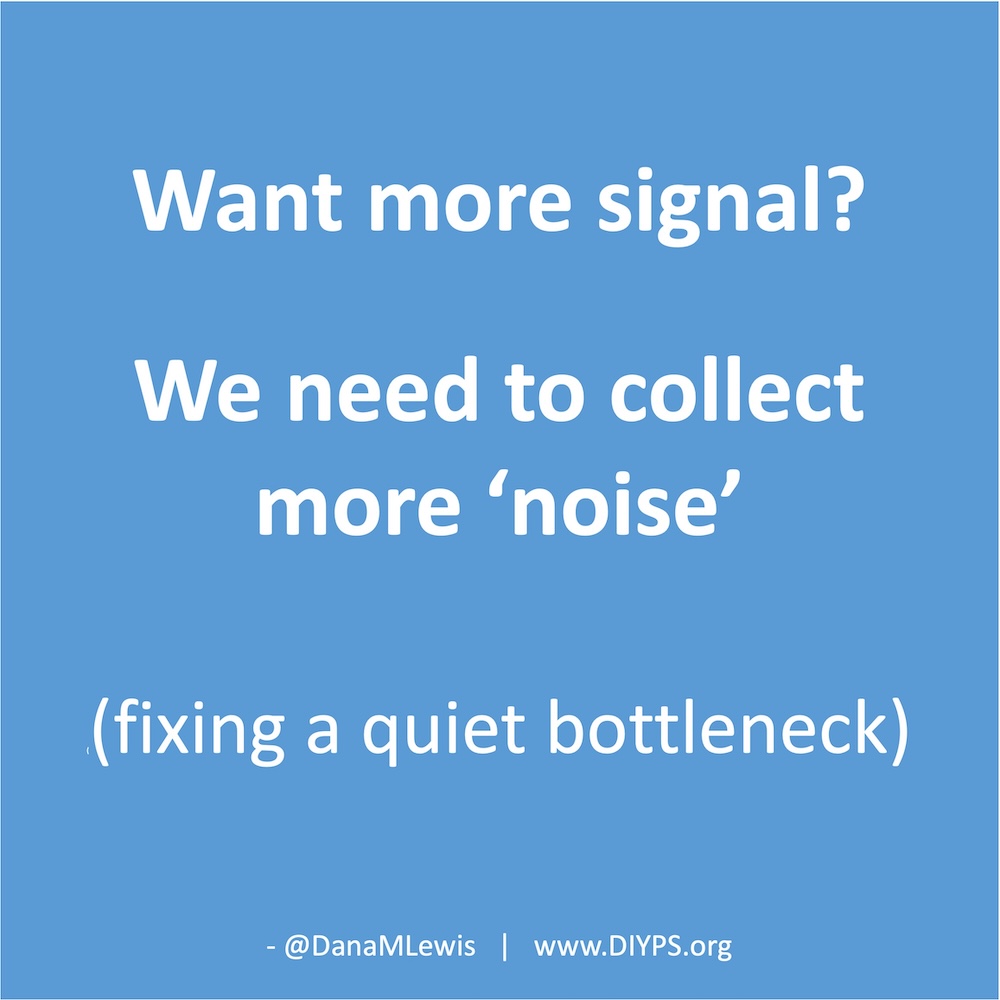
Want signal? We need more noise (looking at the quiet bottleneck)
We need more signal, which means we want more noise. A lot of current scientific infrastructure is designed to minimize messiness: define a narrow question, collect the minimum data required to answer it, standardize the dataset, exclude complicating variables, finish the analysis, publish the result. That approach is understandable. It is also one reason we…
The Story behind the Science: Preprints of pandemic potential—how bioRxiv and medRxiv brought preprints to the life sciences
ABSTRACT The bioRxiv and medRxiv preprint servers brought preprinting to the life sciences and played a critical role in disseminating COVID research during the pandemic. Here, I reflect on the birth of bioRxiv and medRxiv and the crucial role so many members of the community played, our experience during the pandemic, and the launch of the new non-profit organization set up to oversee the servers. The pandemic was a stress test for bioRxiv and medRxiv that demonstrated their value and robustness. Under the umbrella of openRxiv, they are now poised to become long-term infrastructure underpinning a new publishing ecosystem.

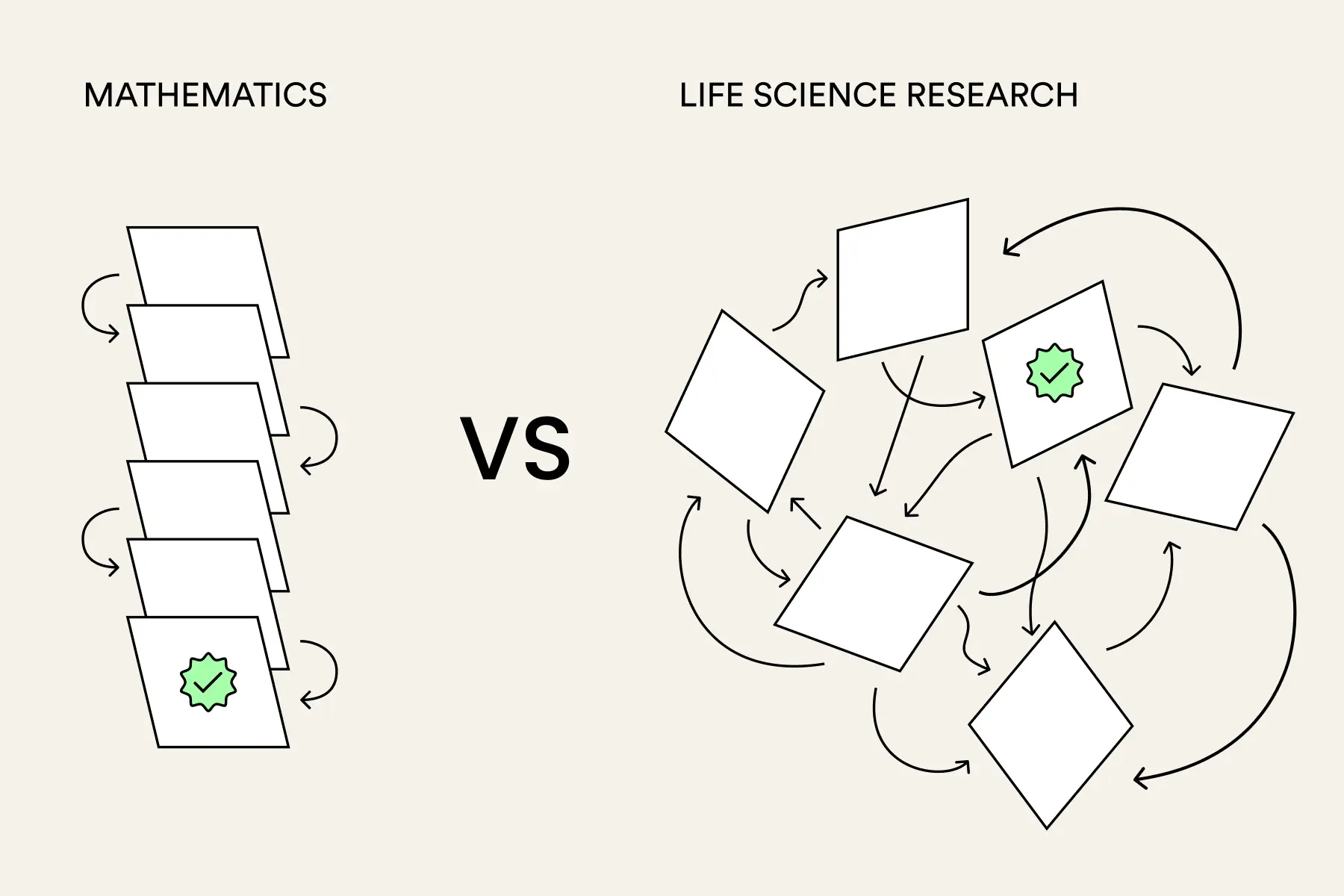
The case for a validity layer in life science research
When OpenAI recently announced that one of its models had disproved a long-standing conjecture in discrete geometry, the scientific community took notice...
From Albums to Streams: How Modularity Changes Systems
Scientific publishing is breaking under document-centric formats designed for a physical world. Borrowing from music’s shift from albums to streaming, we make the case that open access alone cannot deliver reuse, trust, or scale. The future of science depends on modular, interoperable research components that move across tools, enabling new workflows, tools, and ecosystems.
Publishing Beyond the Market: Open Access, Care, and the Commons
Publishing Beyond the Market argues that the move to open access should focus less on the free accessibility of research outputs and more on who controls the publications and infrastructures for scholarly communication. By deploying theoretical literature on science and technology studies, care ethics, and the commons, the book critically interrogates open access and reimagines a more ethical future for researcher-led publishing. A case study of Plan S—the multifunder European policy for open access publishing—explores its tendency to rehearse all the failures of commercialisation. Through critical engagement with the open access landscape, the book reveals the shortcomings of market-centric and policy-based approaches to open access book and journal publishing, particularly their tendency to reinforce conservatism, commercialism, and private control of publishing. Going forward, Publishing Beyond the Market explores the importance of collectivity and democratic governance within the transition to open access publishing. It suggests that developing a commons-based, scholar-led publishing landscape through a series of presses that are each managed by working academics could offer a productive counterpoint to marketised systems of open access and subscription publishing. In weaving themselves together in order to "scale small" these publishing initiatives would act as a counter-hegemonic project based on mutual reliance and care. By illustrating how these projects build toward a commons-based publishing future, and how they may complement other approaches to publishing within university presses and libraries, the book culminates in an argument for the infrastructures, policies, and forms of governance needed to nurture such a collective vision.

Scientific Publishing: Enough is Enough
Why we're no longer funding journal publications

Why the Gates Foundation Abandoned Article Processing Charges (and What They’re Doing Instead)
In 2024, the Gates Foundation updated their Open Access Policy to redirect funds from APCs to support more equitable models. Ashley Farley explains their thinking and vision for the future.

A protocol for attributable modular research contribution - Matsuthoughts
The Engine of Scientific Discovery: How New Methods and Tools Spark Major Breakthroughs
Abstract. How do we spark new scientific discoveries? Why do some breakthroughs seem even accidental? And most importantly, how can we accelerate them and
I’ve been quiet on social media lately, but today I’m launching Audit Clinical Evidence (ACE), an initiative I’ve been developing over the past year. Take a look: auditclinicalevidence.org
I'm incredibly honored to be one of the inaugural winners of the Ctrl-Z award. The sequence of events preceding and following this retraction were harrowing (and are honestly still stressful), but I hope this will be an opportunity for more open dialogue about mistakes + self-retraction in science.

Retraction Watch
The Center for Scientific Integrity is proud to announce the inaugural winners of the 2026 Ctrl-Z Award. Named for the universal keyboard shortcut for “undo,” the Ctrl-Z Award this year honors @cetaceanneeded.bsky.social and @katelaskowski.bsky.social for choosing transparency over reputation.
Collection

Updated 1mo
ATScience 2026 Presentations

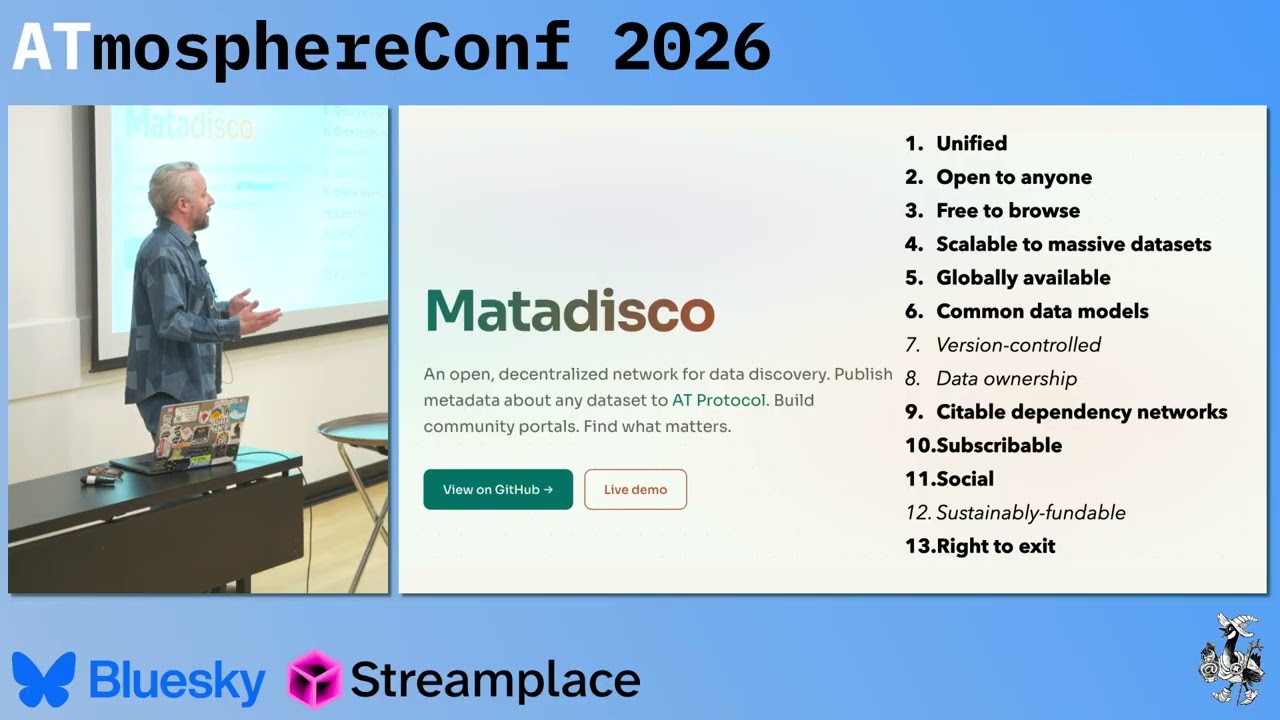
Matadata! Publishing scientific data straight to AT - ATmosphereConf 2026
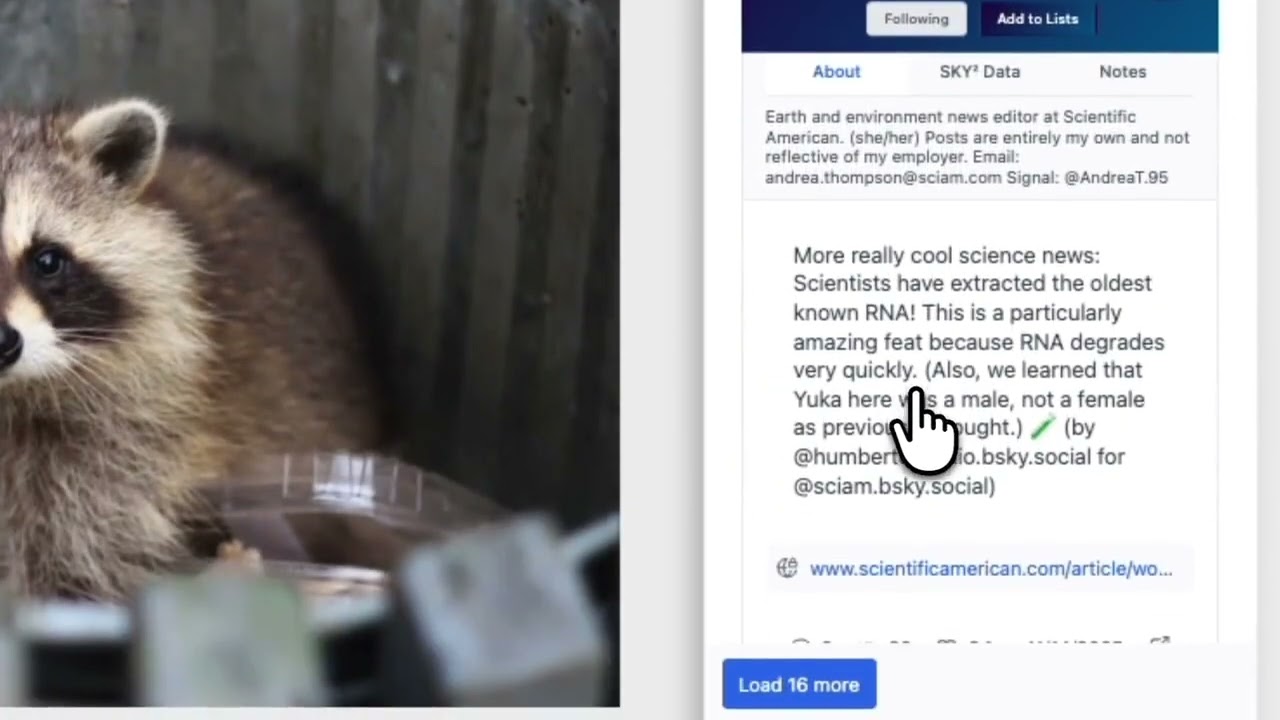
Skysquare is context as a service - Travis Simpson - @skysquare.app - ATmosphereConf 2026
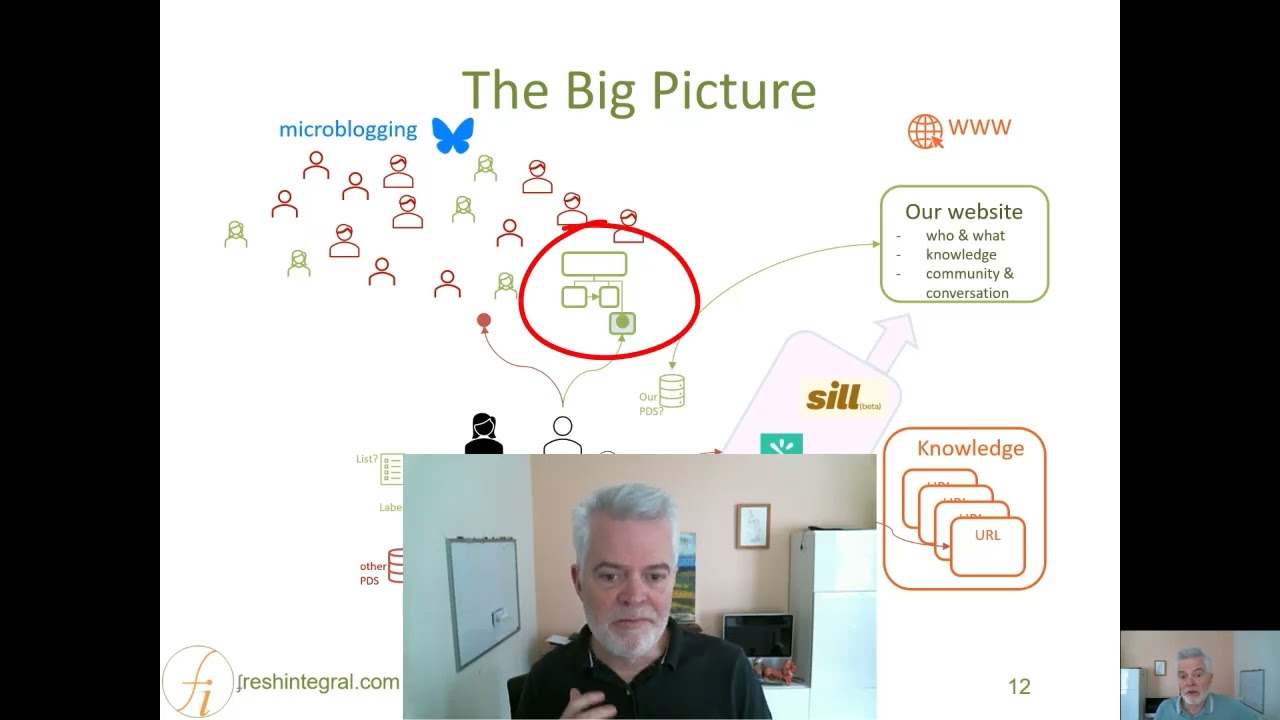
The Atmosphere as research infrastructure

Reigniting the Party: Lessons from a Stalled Migration to Bluesky - ATmosphereConf 2026
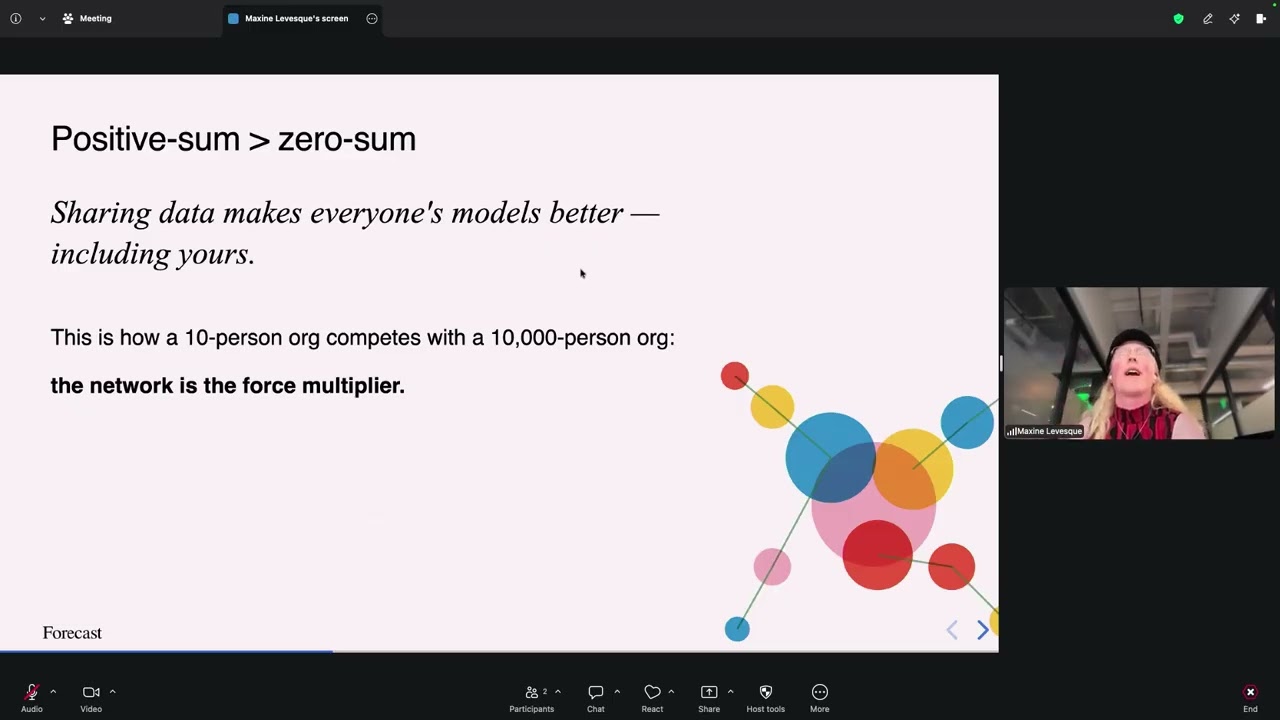
Building decentralized AI on atproto - ATmosphereConf 2026
Making wisdom together - seams.so - @hyl.st - ATmosphereConf 2026


