Why Tech Needs More Designers With Disabilities
A life-threatening encounter with AI technology convinced me that the needs of people with disabilities need to be engineered into our autonomous future.

The Curb-Cut Effect and the Perils of Accessibility without Disability
By Blake Reid, Published on 01/01/24
Why Tech Needs More Designers With Disabilities
A life-threatening encounter with AI technology convinced me that the needs of people with disabilities need to be engineered into our autonomous future.
WebAIM: The WebAIM Million - The 2026 report on the accessibility of the top 1,000,000 home pages
For the eighth consecutive year, WebAIM conducted an accessibility evaluation of the home pages for the top 1,000,000 web sites. The evaluation was conducted using the WAVE stand-alone API (with additional tools to collect site technology and category data). The results provide an overview of and insight into the current state of web accessibility for individuals with disabilities as well as trends over time.
AI Doesn't Fix Accessible Systems. It Depends on Them. — Anna E. Cook
Why AI depends on the foundation accessible design systems build — and how "AI will fix accessibility" is producing the opposite outcome at industry scale.

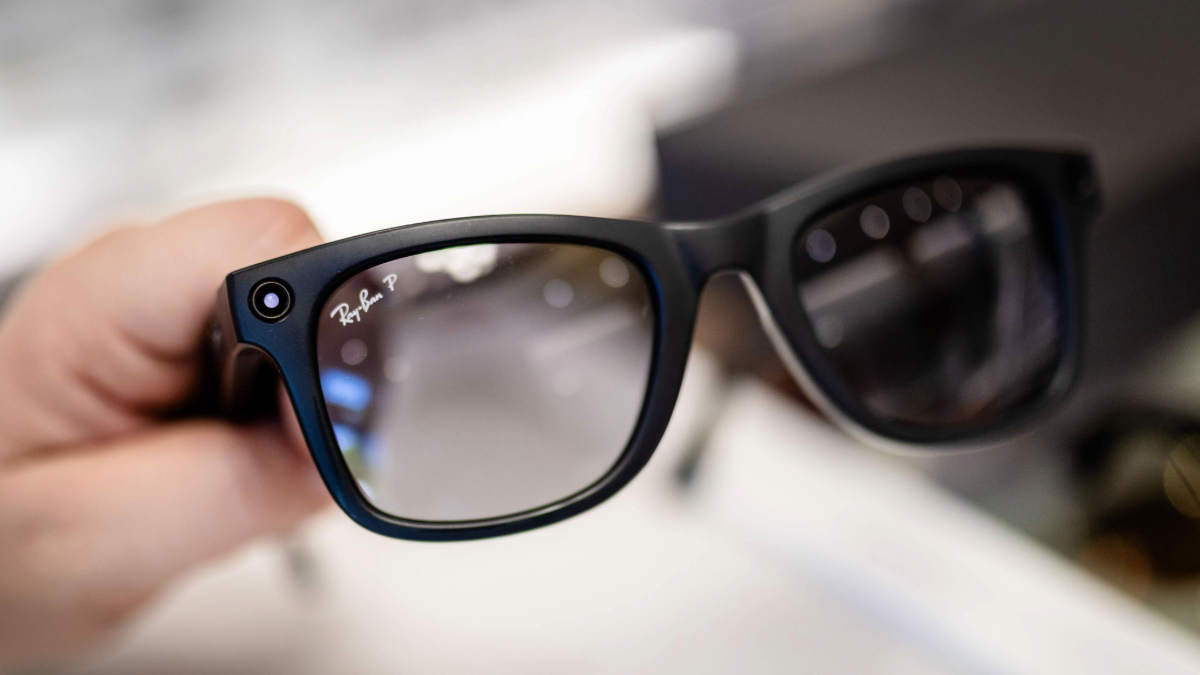
For Meta’s Smart Glasses, Access Is An Afterthought
Tech companies are using accessibility as a smoke screen to obfuscate the risks of AI wearables, writes Ariana Aboulafia.
The Web Is Being Made Accessible for AI, Not People
Jonathan Zong and Frank Elavsky critique how AI-driven infrastructure changes obscure accessibility and reveal whose needs society chooses to prioritize.
AI and the Future of Accessible Work
Many countries have legislation that prohibits discrimination against people with disabilitiesa in the context of employment. For example, the U.S. Americans with Disabilities Act (ADA),b the U.K.’s Equality Act of 2010,c and European Union policyd prohibit employment-related discrimination and require employers to provide reasonable accommodations or adjustments so disabled employees can perform their jobs. More broadly, the United Nations Convention on the Rights of Persons with Disabilities (UNCRPD)e has influenced legal frameworks across the globe. Despite these anti-discrimination policies, disabled people remain significantly underrepresented in the workforce. Employment gaps between disabled and non-disabled people exist globally.28 Among blind and low-vision Americans, for instance, only 44% are employed compared to 79% of those without disabilities.f Only 54% of d/Deaf peopleg in the U.S. are employed, compared to 70% of hearing people.8 These discrepancies are worse for multiply marginalized disabled people. For example, employment rates for disabled women are significantly lower than rates for disabled men.21

Collection

Updated 18h
You wanna know why the disabled dont buy that bullshit about ai being an "accessibility tool"? Because we recognize the use of ai is disabling more people. Its harming actual communities where these data centers are built. Data centers are poisoning the environment around them.
Toll of "AI" Data Centers: Health & Disability

Google’s Neighbors: How Uruguay Approved the Largest Data Center in Its History
Amazon’s Hidden Data Centers in India and Beyond | The Climate Watch
